1. Introduction: Unveiling the Fiery Beauty of Begonia ‘Spitfire’
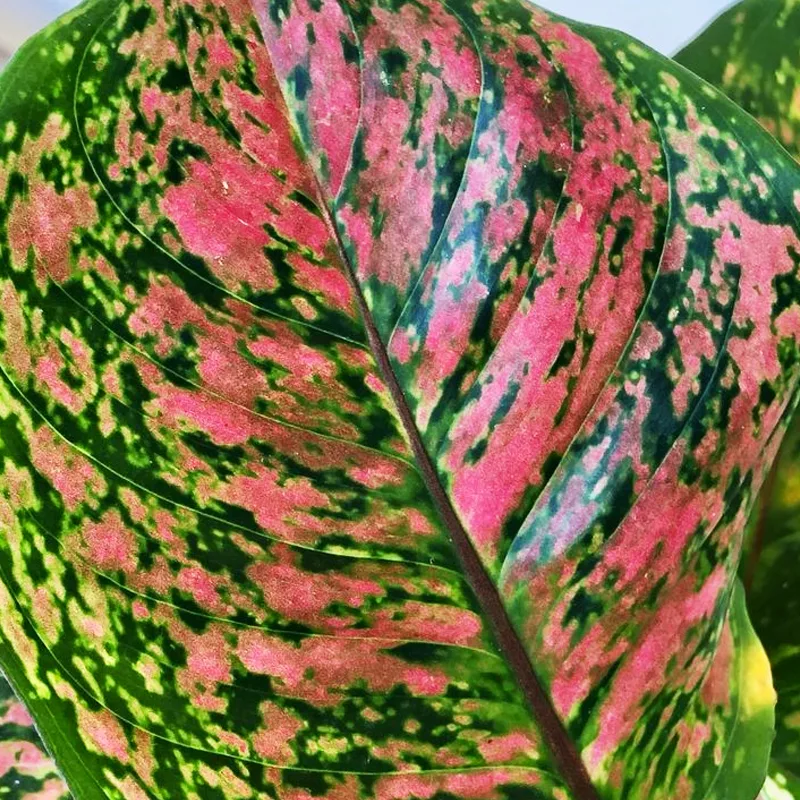
Begonia rex ‘Spitfire’ stands as a truly captivating houseplant, celebrated primarily for its spectacular and vivid foliage. Each leaf of this remarkable plant bursts with an iridescent array of colors, often described as resembling flames or molten lava, making it an undeniable focal point in any indoor garden. Its striking appearance has cemented its status as a favorite among plant enthusiasts and collectors alike, sought after for its unique and eye-catching patterns.
Beyond its visual allure, the Begonia ‘Spitfire’ also contributes to the home environment in a functional way. This plant acts as a natural air purifier, helping to cleanse the air and enhance the overall ambiance of a space. This capacity to improve indoor air quality, in addition to its stunning aesthetics, significantly elevates its value for plant owners. The plant’s desirability extends beyond mere decoration; its unique characteristics and collector appeal suggest a deeper appreciation for its distinctiveness within the plant community. This perception of value encourages dedicated care, ensuring the plant not only survives but truly thrives, fulfilling its potential as a vibrant, living piece of art.
2. Begonia ‘Spitfire’ Profile: A Quick Look
Begonia rex ‘Spitfire’ is a distinguished member of the Begoniaceae family, known for its dramatic foliage.
- Botanical Name: Begonia rex-cultorum ‘Spitfire’ (a hybrid of Begonia rex)
- Family: Begoniaceae
- Origin: The parent species, Begonia rex, originates from the tropical and subtropical regions of Northeastern India, Southern China, and Vietnam. While some sources might broadly mention South America for the genus, the specific Begonia rex group, to which ‘Spitfire’ belongs, has its roots in Asia. The extensive hybridization within the Begonia genus explains the vast diversity of cultivars and the complex genetic lineage of varieties like ‘Spitfire’.
- Visual Description: The leaves are the primary attraction, displaying a vibrant spectrum of colors. They feature a bright red center that transitions into soft, pale green, then culminates in ruby-red edges, often with a creamy outer rim and sharply contrasting serrated margins. This fiery coloration gives the plant its evocative nickname. The leaves possess a distinct metallic or iridescent glow, a remarkable adaptation that allows Rex Begonias to maximize the absorption of low light. This biological mechanism is directly linked to the plant’s stunning appearance, as the intensity of its vibrant red and pink hues can be influenced by light exposure; less light tends to result in more green on the leaves, while more optimal light encourages deeper, more intense coloration.
- Growth Habit & Size: ‘Spitfire’ typically grows in low, compact clusters, forming a dense, rounded architecture. It generally reaches a height of 20-30 cm (approximately 8-12 inches) with an equivalent spread, making it ideal for indoor display on shelves, desks, or windowsills.
- Nickname: Frequently referred to as “Spitfire” due to its dramatic, flame-like leaf colors.
- Symbolism: It represents passion and energy, often chosen to add a bold and lively touch to indoor environments.
- Toxicity: It is important to note that Begonia ‘Spitfire’ is toxic if ingested. Pet owners and parents should exercise caution and keep the plant out of reach of dogs, cats, horses, and small children.
Here is a quick reference guide to the Begonia ‘Spitfire’:
Table 1: Begonia ‘Spitfire’ Quick Reference Guide
| Characteristic | Description |
| Botanical Name | Begonia rex-cultorum ‘Spitfire’ |
| Family | Begoniaceae |
| Primary Origin | Tropical/Subtropical Asia (parent species Begonia rex) |
| Leaf Description | Iridescent, vivid red/orange/green/silver; bright red center, creamy/green edges, serrated margins |
| Growth Habit | Low, compact clusters; dense, rounded architecture |
| Mature Size | 20-30 cm (8-12 inches) tall and wide |
| Toxicity | Toxic if ingested (to pets and humans) |
| Key Feature | Spectacular, colorful, and iridescent foliage |
3. The ‘Spitfire’ Care Handbook: Nurturing Its Vibrant Growth
Successful cultivation of Begonia ‘Spitfire’ hinges on understanding and replicating aspects of its tropical origins. Each element of its care contributes to its overall health and the vibrancy of its iconic foliage.
3.1 Light Requirements: Finding the Perfect Glow
Begonia ‘Spitfire’ flourishes in bright, indirect light. This means a location near a window where the light is filtered or dappled, avoiding direct sunbeams. Exposure to harsh, direct sunlight, especially for more than three hours during midday, can easily scorch its delicate leaves, leading to irreversible damage. The ideal light intensity for most
Begonia rex varieties, including ‘Spitfire’, ranges from 1,500 to 2,200 foot-candles. For newly transplanted plants, a slightly lower light level of approximately 1,000 foot-candles is recommended for the initial two weeks to aid in their adjustment.
While Rex Begonias are known for their unique adaptation of iridescent leaves, which helps them maximize light absorption even in lower light conditions, the quality and duration of light directly influence the plant’s aesthetic appeal. For instance, a Begonia ‘Spitfire’ receiving less light may exhibit more green in its leaves, whereas one in optimal indirect light will display a deeper, more intense hot pink and red coloration. This demonstrates that light is not merely a survival factor but a crucial lever for enhancing the plant’s most striking feature. To ensure consistent growth and maintain vibrant coloration throughout the year, especially in regions with shorter daylight hours, ‘Spitfire’ requires approximately 14 hours of day length. Supplemental LED plant grow lights can effectively provide the necessary light period when natural light is insufficient. Ideal indoor placements include windowsills with filtered light or bright, high-humidity areas such as bathrooms or kitchens.
3.2 Watering Wisdom: Striking the Right Balance
Begonias, being tropical plants, prefer consistently moist soil but are exceptionally sensitive to overwatering, which can quickly lead to root rot. The key to proper watering is to allow the top 1 inch (or 2-3 cm) of soil to dry out to the touch between waterings. It is critical never to let the soil dry out completely, as this can cause significant stress to the plant.
When watering, it is best to do so thoroughly until water begins to drain from the bottom of the pot. Promptly emptying any excess water from the saucer within 20 minutes is essential to prevent the plant from reabsorbing stagnant water, which contributes to root rot. The watering needs of Begonia ‘Spitfire’ are not static; they are dynamically influenced by several environmental factors. For example, higher light intensity and warmer temperatures increase the plant’s water consumption due to increased photosynthesis and transpiration, necessitating more frequent watering. Conversely, higher humidity levels reduce the rate of transpiration, meaning the plant will require less frequent watering. Seasonal changes also play a role, with less water generally needed during cooler, dormant months. The type of soil used is also critical; a well-draining mix allows for more consistent moisture without becoming waterlogged.
Observing specific changes in the plant’s appearance can provide valuable clues about its watering status. Yellowing leaves often indicate overwatering, while drooping leaves can signal thirst or a temporary adjustment period. Severely underwatered plants may display wrinkled leaves with dry tips, an unusual rigidity, or a loss of turgor in their petioles. Understanding these visual cues empowers the plant owner to diagnose and address watering issues proactively, preventing common and potentially fatal problems like root rot or severe dehydration. Additionally, it is advisable to avoid watering directly into the plant’s crown area, as this can encourage rot.
3.3 Humidity & Temperature: Creating a Tropical Haven
Reflecting its tropical origins, Begonia ‘Spitfire’ thrives in environments characterized by consistent warmth and high humidity.
- Optimal Temperature Range: The ideal temperature for robust growth is between 18-24°C (65-75°F) during the day.
- Minimum Temperature: It is imperative to protect the plant from temperatures dropping below 10°C (50°F) to 15°C (60°F), as Begonias are highly sensitive to cold and can suffer significant damage or even go dormant in cooler conditions.
- Optimal Humidity Range: An ideal humidity level for Begonia ‘Spitfire’ is between 50% and 70%. Maintaining this level is crucial for the plant’s health, as low humidity can lead to issues like leaf browning and crispy edges. If the indoor environment is dry, using a room humidifier or placing the pot on a pebble tray filled with water (ensuring the pot does not sit directly in the water) can effectively increase the ambient moisture around the plant. Protecting the plant from cold drafts from windows or doors, especially during winter, is also vital for its well-being.
3.4 Soil & Potting Essentials: The Foundation for Health
The right potting mix is fundamental for the health of Begonia ‘Spitfire’, which possesses a fine root system. It requires a light, well-draining potting mix that is rich in organic matter. Good drainage is paramount to prevent waterlogging and subsequent root rot, which is a common cause of plant decline.
A suitable mix can be achieved by blending peat moss, perlite, and standard potting soil. Peat moss helps retain essential moisture, while perlite enhances drainage and aeration, providing crucial oxygen flow to the roots. Commercial mixes like Pro-Mix, Sunshine Mix, or Baccto Professional are often suitable straight from the bag. The optimal pH for the potting mix is between 5.7 and 6.4. Heavy, clay-based soils should be avoided as they can lead to waterlogged roots and an unhappy plant.
3.5 Fertilization Finesse: Feeding Your Fiery Friend
Begonia ‘Spitfire’ does not require heavy fertilization. During its active growing season (spring and summer), a balanced, water-soluble fertilizer diluted to half strength applied every 2-6 weeks is sufficient to support vibrant foliage. Some sources suggest a low-nitrogen, high-phosphorus fertilizer to encourage blooms, though ‘Spitfire’ is primarily grown for its leaves and rarely flowers indoors.
During fall and winter, when the plant’s growth naturally slows or it enters a dormant state, fertilization should be skipped entirely. Overfeeding can lead to salt buildup in the soil, which Begonias are not tolerant of and can cause leaf browning. If salt buildup is suspected, periodically flushing the soil with plain water can help.
3.6 Pruning for Perfection: Shaping and Encouraging Bushiness
Pruning Begonia ‘Spitfire’ can encourage a bushier, more compact growth habit and maintain its aesthetic appeal.
- Encouraging Bushiness: When the plant is young, pinching off new growths (the ends of small stems) will encourage multiple new stems to sprout, leading to a fuller plant. For established plants, trimming a half-inch to a quarter-inch above a node (a ridge on a stem) will stimulate new growth and bushiness. More light can also help prevent leggy growth, encouraging a more compact form.
- Maintaining Shape and Health: If the plant becomes overgrown or leggy, up to a third of its stems can be cut back to improve its appearance. Regularly inspecting the plant for damaged or diseased leaves and stems and promptly removing them helps conserve the plant’s energy and prevents the spread of potential issues.
- Deadheading: While ‘Spitfire’ rarely flowers indoors, for flowering Begonias, removing spent flowers and buds (deadheading) at the end of the blooming season helps the plant conserve energy for new growth rather than seed production.
- Seasonal Pruning: For perennial Begonias, cutting the main stem back to about 4 inches (10 cm) in autumn after flowering can help conserve energy for winter, promoting vigorous growth the following year. Winter-flowering Begonias should be cut back in spring after their blooming period.
3.7 Repotting for Resilience: When and How to Upgrade Its Home
Begonia ‘Spitfire’ does not require frequent repotting, but it is necessary when the plant outgrows its current container.
- Signs of Needing Repotting:
- Roots are visibly peeking out of the drainage holes.
- The soil dries out very quickly after watering or remains soggy for too long, indicating water retention issues due to a dense root ball.
- Growth has significantly slowed, suggesting the plant needs more space for root expansion.
- Timing: The ideal time to repot is during spring, at the beginning of the active growing season. Most Rex Begonias benefit from repotting every 1-2 years.
- Choosing the Right Pot and Soil: Select a pot that is only one size larger than the current one, ensuring it has ample drainage holes. Shallow plastic pots are often ideal for Rex Begonias due to their rhizomatous root system and the material’s ability to help maintain humidity. As mentioned in Section 3.4, use a well-draining, organic-rich potting mix, such as a blend of peat moss, perlite, and potting soil.
- Repotting Process:
- Prepare: Water the plant thoroughly a day before repotting to ease removal. Gather your new pot, fresh soil, gloves, and a trowel, and prepare a clean workspace.
- Remove: Gently turn the pot on its side and carefully slide the plant out. If stuck, gently tap the sides or use a knife to loosen the soil.
- Inspect Roots: Examine the root ball. Healthy roots appear white or light tan. Trim away any mushy, brown, or black (rotten) roots with sterilized scissors.
- Position: Place a small amount of fresh potting mix at the base of the new pot, creating a slight mound. Position the plant in the center, allowing any overhanging rhizomes some space, and spread the roots over the mound.
- Fill: Backfill around the roots with more soil, gently firming it down to remove air pockets. Ensure the soil level is about an inch below the pot rim.
- Water: Give the newly potted Begonia a light watering to settle the soil. Avoid drenching, especially if repotting in winter, as newly repotted plants are sensitive to excess moisture.
- Post-Repotting Care: Place the plant in a spot with bright, indirect light, avoiding direct sun which can stress it. Monitor soil moisture carefully, watering only when the top inch is dry. It is best to hold off on fertilizing for a couple of months, as the fresh soil will provide sufficient nutrients. Some wilting after repotting is normal due to shock; maintaining a humid environment can aid recovery.
4. Expanding Your Collection: Propagating Begonia ‘Spitfire’
Begonia ‘Spitfire’, like many Rex Begonias, is remarkably easy to propagate, allowing enthusiasts to expand their collection or share with others. The genus
Begonia is unique in its ability to regenerate completely from almost any plant part, making propagation a gratifying process.
The most common and effective methods include:
- Leaf Cuttings: This is a popular and straightforward method. Simply snip a healthy, mature leaf with about one to one-and-a-half inches of its stem (petiole) attached. Push the petiole into a well-draining potting medium, such as a seed starting mix containing vermiculite, perlite, and peat moss, ensuring the petiole is covered but the leaf blade remains exposed. Keep the medium consistently moist and maintain high humidity around the cutting, ideally in a humidity dome or a controlled environment. New leaves, or “plantlets,” typically emerge after a few weeks to six to eight weeks.
- Stem Cuttings (Tip Cuttings): All Begonias can be propagated by rooting stem cuttings. Select healthy, mature stems, avoiding old or woody ones. Trim the stem to a suitable length, ensuring it has at least one node (where leaves attach). These cuttings can be rooted in water or a moist growing medium like sphagnum moss and perlite. Placing a Pothos cutting in the water with Begonia cuttings can accelerate rooting due to the rooting hormones released by Pothos. Once roots develop, and especially when secondary roots appear, the cuttings can be planted into soil, either with the mother plant for a fuller look or in separate pots.
- Rhizome Division: As a rhizomatous Begonia, ‘Spitfire’ can also be propagated by dividing its rhizomes, which are thickened stems that grow horizontally at or just below the soil surface. This method is typically done during repotting in spring. Each division should have at least one growing point (bud) and some roots. Plant the divisions in fresh, well-draining soil, maintaining high humidity during the rooting period.
Maintaining high humidity is crucial for successful rooting across all propagation methods.
5. Troubleshooting ‘Spitfire’ Setbacks: Diagnosing & Curing Common Issues
Even with diligent care, Begonia ‘Spitfire’ can encounter challenges. Understanding common issues and their solutions is vital for maintaining a healthy plant.
5.1 Environmental Stress
- Drooping Leaves: Often a sign of thirst, but can also occur as the plant adjusts to a new environment. Check soil moisture; if dry, water. If moist, allow time for adjustment.
- Yellowing Leaves: Most commonly caused by overwatering or poor drainage, leading to root issues. Allow the top layer of soil to dry between waterings, ensure adequate drainage holes, and consider repotting with fresh, well-draining soil if root rot is suspected. Nutrient deficiencies can also cause yellowing, addressed by balanced fertilization.
- Leaf Browning/Crispy Edges: Typically indicates low humidity or inconsistent watering. Increase ambient humidity using a humidifier or pebble tray. Ensure consistent soil moisture, avoiding complete dry-outs.
- Leaf Spots (Brown or Yellow): Can signify too much direct sun (scorch marks). Move the plant to a spot with bright, indirect light.
5.2 Pest Patrol
Begonia ‘Spitfire’ can be susceptible to common houseplant pests. Regular inspection is key to early detection and treatment.
- Spider Mites, Mealybugs, and Thrips: These pests can cause damage by feeding on plant sap. Inspect both the top and underside of leaves. Treat infestations with insecticidal soap or neem oil as needed. Cottony mealybugs are characterized by small, white, cotton-like masses, often near eggs.
5.3 Fungal Foes
Fungal diseases often arise from conditions of high humidity combined with poor air circulation or overwatering.
- Powdery Mildew (Erysiphe, Oidium): Appears as white powdery spots or patches on leaves and stems, particularly in hot, humid conditions. Heavily infected leaves may turn brown and shrivel. Solutions include improving air circulation around the plant, reducing humidity if it’s excessively high, and carefully picking off affected leaves to prevent spore spread. Fungicides can be used if necessary.
- Botrytis Blight or Blotch (Botrytis cinerea): Causes grayish and greenish spots on leaf surfaces, often on older leaves, stems, or buds. Flowers may turn papery brown and develop fuzzy gray masses. This fungus thrives in extended cloudy, humid, and wet weather. Good sanitation, such as removing spent or senescing flowers and affected tissues when dry, is crucial. Avoid wetting flowers when watering and ensure adequate spacing for air circulation.
- Root Rots (Thielaviopsis basicola, Pythium sp., Rhizoctonia solani): A significant cause of Begonia death, often resulting from overwatering, poorly draining soil, or pots without drainage holes. Symptoms include general wilting, decline, and collapse of the foliage, accompanied by browning and rotting of roots and the crown. Prevention is key: avoid overwatering, especially in heavy soils, and do not water directly into the crown. If detected, trim affected roots and repot in fresh, well-draining soil. Highly symptomatic plants may not recover.
5.4 Viral Concerns
Begonias can be affected by various viral infections, such as Begonia Flower Break Virus, Impatiens Necrotic Spot Virus, and Tobacco Mosaic Virus. General symptoms may include mottling on leaves or wilting. However, accurate identification of the specific virus usually requires laboratory analysis by plant health specialists.
Here is a summary of common issues and their solutions:
Table 2: Common Issues & Solutions for Begonia ‘Spitfire’
| Issue | Likely Cause(s) | Solution(s) |
| Drooping Leaves | Thirst, adjustment shock | Check soil moisture; water if dry. Allow adjustment time. |
| Yellowing Leaves | Overwatering, poor drainage, nutrient deficiency | Allow soil to dry slightly. Ensure drainage. Fertilize if needed. |
| Leaf Browning/Crispy Edges | Low humidity, inconsistent watering | Increase humidity (humidifier/pebble tray). Ensure consistent moisture. |
| Leaf Spots (Brown/Yellow) | Direct sunlight (scorch), fungal infection | Move to indirect light. Improve air circulation. Remove affected leaves. |
| Powdery Mildew | High humidity, poor air circulation | Improve airflow. Reduce humidity. Remove affected leaves. Use fungicide if severe. |
| Botrytis Blight | High humidity, excess moisture, poor air circulation | Improve airflow. Remove affected tissues. Avoid wetting flowers. |
| Root Rot | Overwatering, poor drainage, heavy soil | Allow soil to dry. Ensure drainage. Trim affected roots; repot in fresh, well-draining soil. |
| Pests (Spider Mites, Mealybugs, Thrips) | Infestation | Inspect regularly. Treat with insecticidal soap or neem oil. |
6. ‘Spitfire’ in the Begonia Family: A Comparative Look
The genus Begonia is incredibly diverse, encompassing about 1500 different plant species and hundreds of hybrids. Begonia ‘Spitfire’ is specifically a Rex Begonia, which belongs to the larger group of rhizomatous Begonias. Understanding its classification helps in appreciating its unique characteristics compared to other popular Begonia types.
- Rex Begonias (like ‘Spitfire’): These are primarily grown for their spectacular, multicolored, and intricately patterned foliage. Their leaves often have stunning textures and shapes, exhibiting a metallic or iridescent glow that is an adaptation to maximize low light. While they can produce flowers, these are typically less showy than other Begonia species, making them a foliage-lover’s plant. Rex Begonias have a rhizomatous root system, which are thickened stems that grow horizontally. They can be perceived as challenging by some due to their sensitivity to watering and humidity changes, but they often bounce back after an adjustment period.
- Fibrous-Rooted Begonias: This broad category includes several well-known varieties such as Cane Begonias (e.g., Angel Wing Begonias), Dragon Wing Begonias, and Wax Begonias (Semperflorens). Unlike Rex Begonias, these possess a more traditional fibrous root system, lacking tubers or rhizomes.
- Cane Begonias (e.g., Angel Wing Begonias): Characterized by erect, bamboo-like stems, these are grown for both their flowers and striking foliage. Angel Wing varieties, specifically, feature long, often silver-spotted leaves with reddish undersides and are known for their prolific growth and ease of propagation. The term “Angel Wing” has become a common name for many cane-type Begonias due to their leaf shape, leading to some identification confusion. Cane Begonias tend to be hardier and easier to care for than many other types. They are heavier feeders than other Begonias and can become leggy without proper nutrients.
- Dragon Wing Begonias: These are a type of Cane Begonia known for their spreading, arching habit, making them excellent for hanging baskets. They thrive in sun to part-sun conditions, unlike the shade-preferring Rex Begonias. Their bright green foliage has a distinctive wing-like shape, and they produce prolific pink or red blooms.
- Wax Begonias (Semperflorens): These are classic choices for sunny garden beds and containers, offering prolific, season-long color. They are versatile, blooming in pink, red, or white, with foliage in green or reddish-bronze.
- Tuberous Begonias: These Begonias are distinguished by their tuberous root system. They are primarily grown for their big, showy flowers, which can be single, double, or ruffled, in a wide range of vibrant colors. Tuberous Begonias prefer shade and warm temperatures, making them popular for containers and hanging baskets in shaded areas. They have a long bloom period, flowering continuously from late spring until frost. Rieger Begonias are a type of tuberous Begonia that produce double blooms in a more upright, bushy form.
Here is a comparative overview of these Begonia types:
Table 3: Begonia Type Comparison (Rex vs. Others)
| Characteristic | Rex Begonias (e.g., ‘Spitfire’) | Fibrous-Rooted Begonias (e.g., Cane, Wax, Dragon Wing) | Tuberous Begonias |
| Primary Appeal | Foliage (colorful, iridescent patterns) | Foliage & Flowers (often prolific blooms) | Flowers (large, showy, diverse colors) |
| Root System | Rhizomatous (thickened horizontal stems) | Fibrous (traditional root system) | Tuberous (underground storage organs) |
| Light Preference | Bright, indirect light; adapted for low light | Sun to part-sun (Wax, Dragon Wing); Bright, indirect (Cane) | Shade/low direct light |
| Growth Habit | Low, compact, dense, rounded | Varied: upright (Wax), cane-like (Cane), spreading/arching (Dragon Wing) | Upright or trailing |
| Flowering | Rarely flowers indoors; blooms are less showy | Can be prolific bloomers | Prolific, showy flowers; long bloom period |
| Humidity Needs | High (50-70%) | Moderate to high | Moderate to high |
| Common Use | Houseplant, collector’s plant | Houseplant, outdoor beds, containers, hanging baskets | Outdoor containers, hanging baskets (shade) |
7. Frequently Asked Questions (FAQs) About Begonia ‘Spitfire’
- Can Begonia rex ‘Spitfire’ be grown outdoors? Yes, Begonia ‘Spitfire’ can be placed outdoors in a shaded area during warm months. However, it is crucial to bring it indoors if temperatures drop below 15°C (59°F), as it is sensitive to cold.
- Is Begonia rex ‘Spitfire’ pet-friendly? No, like other Begonias, ‘Spitfire’ is toxic if ingested. It should be kept out of reach of pets, including dogs, cats, and horses, as well as small children.
- How fast does Begonia rex ‘Spitfire’ grow? Begonia ‘Spitfire’ has a moderate growth rate. With proper care, new leaves will appear regularly, contributing to its lush and vibrant appearance. Repotting can often stimulate a growth spurt.
8. Conclusion: Your Thriving Begonia ‘Spitfire’ Journey
Begonia ‘Spitfire’ is a truly remarkable houseplant, celebrated for its stunning, flame-like foliage that adds a bold and energetic touch to any indoor space. Its unique iridescent leaves are not just beautiful but also an adaptation that allows it to thrive in the bright, indirect light it prefers. Successful cultivation of this plant relies on understanding and consistently providing conditions that mimic its tropical origins.
The keys to a thriving Begonia ‘Spitfire’ lie in balancing its watering needs—ensuring consistent moisture without ever becoming waterlogged—and maintaining high humidity and warm temperatures. The choice of a well-draining, organic-rich soil mix is foundational, preventing the common pitfalls of root rot. Furthermore, understanding that light levels can directly influence the intensity of its vibrant leaf coloration allows cultivators to actively manage the plant’s aesthetic appeal.
While Begonia ‘Spitfire’ has specific requirements, they are entirely manageable. Attentive observation of its leaves—whether they are drooping, yellowing, or browning—provides direct feedback on its needs, empowering the plant owner to make timely adjustments. With proper care, including judicious fertilization, strategic pruning for bushiness, and timely repotting, this captivating plant will reward its owner with years of vibrant, eye-catching foliage, making it a truly rewarding addition to any plant collection.

If i die, water my plants!