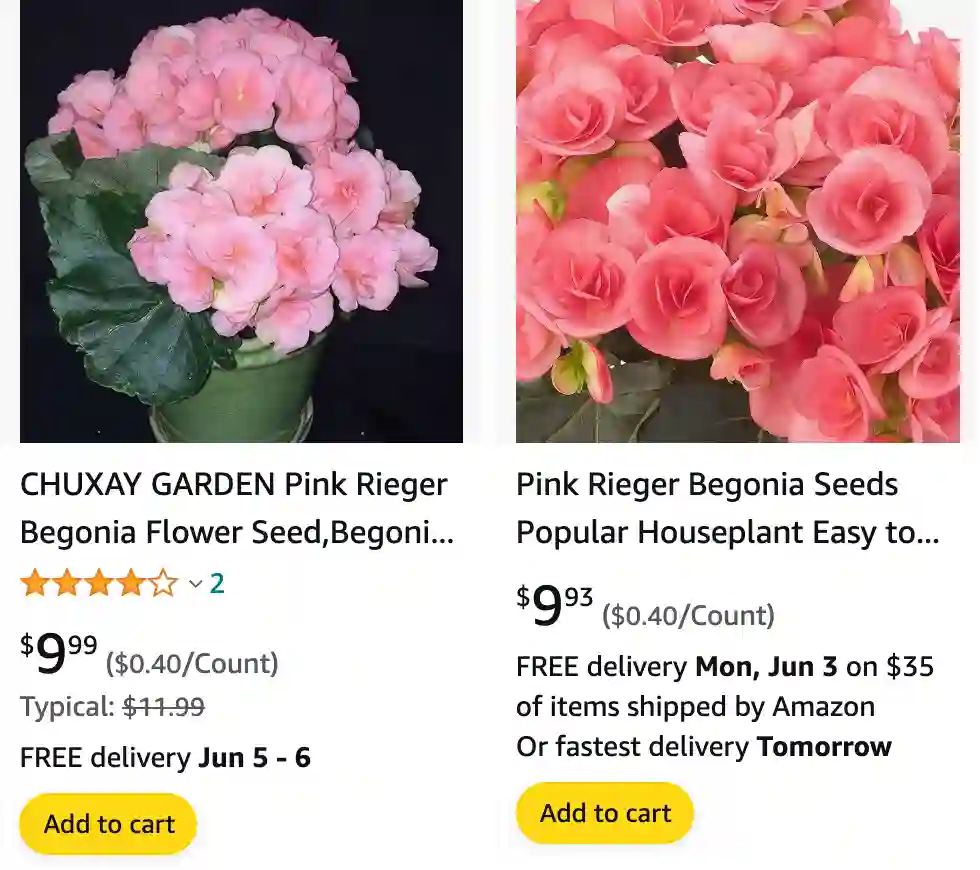
Begonia hiemalis, commonly known as Rieger Begonia or Elatior Begonia, is a captivating hybrid plant celebrated for its prolific, vibrant blooms and lush foliage. These stunning plants have charmed gardeners worldwide, transforming indoor spaces into floral showcases and adding splashes of color to shaded outdoor areas. While often treated as short-lived annuals or seasonal gift plants, with the right knowledge and dedicated care, Rieger Begonias can thrive for extended periods, offering continuous delight.
This comprehensive guide delves deep into the world of Begonia hiemalis, uncovering its botanical origins, detailing its precise care requirements, and troubleshooting common challenges. More than just a guide, join me on a personal “time-lapse” journey, as I share my experiences and observations of cultivating these extraordinary plants from a humble start to their full, glorious potential.
The Allure of Begonia hiemalis: Botanical Profile and History
Begonia hiemalis is not a naturally occurring species but a fascinating testament to horticultural ingenuity. It is a complex hybrid, primarily resulting from the cross between Begonia socotrana, a winter-flowering species from South Arabia known for its ability to bloom in short-day conditions, and various tuberous Begonia species (part of the Begonia Tuberhybrida complex) from Peru and Bolivia, prized for their large, showy flowers. This unique genetic combination gives Rieger Begonias their distinctive characteristics: beautiful, often rose-like flowers, glossy foliage, and a propensity for vibrant winter blooming, though modern cultivars are often day-neutral and bloom continuously.
The first Begonia hiemalis hybrid, ‘John Heal’, was introduced in 1883 by the esteemed British company Veitch & Sons. However, it was the German hybridizer Otto Rieger who, from 1955 onwards, released a series of groundbreaking cultivars that greatly enhanced their popularity and commercial viability. This legacy led to the widespread adoption of “Rieger Begonia” as their common name. Over the decades, further breeding efforts have focused on developing cultivars with improved disease resistance, more compact growth habits, and an extended blooming season, making them adaptable for both indoor enjoyment and outdoor container gardening.
A Gardener’s Time-Lapse: Day 1 – The First Glimpse
“It was a chilly autumn afternoon when I first laid eyes on a Begonia hiemalis. Tucked away in the corner of the nursery, its double, fiery orange blooms seemed to glow against the muted greens of other houseplants. I’d heard they were finicky, often treated as disposables, but something about its defiant beauty called to me. I decided then and there that this wouldn’t just be a temporary resident; this would be a long-term project. I brought home a small, mounded plant, its leaves a vibrant emerald, its blooms a promise of warmth in the coming winter. Its tag simply said ‘Rieger Begonia’, and little did I know, this tiny plant would teach me so much.”
Unpacking the Appearance: What Makes Rieger Begonias Stand Out?
Rieger Begonias are typically compact, mounding plants, though some cultivars exhibit a more trailing habit, making them ideal for hanging baskets. Their average height and spread range from 8 to 18 inches (20 to 45 cm), creating a dense, bushy appearance.
The foliage is a significant part of their appeal. Leaves are generally glossy, rounded to heart-shaped, and can range in color from a vibrant green to a rich bronze, providing an attractive backdrop for the spectacular flowers. The leaves often have a somewhat succulent texture, indicating their need for consistent but not excessive moisture.
The flowers are, without a doubt, the main attraction. They come in an astonishing array of colors, including various shades of red, pink, orange, yellow, white, and even bicolors. The bloom forms vary from single petals to semi-double or fully double, often resembling miniature roses, camellias, or even carnations. Modern hybrids are known for their continuous blooming, often lasting for months, making them a source of continuous color from spring through fall, and often well into winter indoors.
The Art of Nurturing: Comprehensive Care for Your Begonia hiemalis
Cultivating thriving Rieger Begonias requires attention to detail, but the rewards are well worth the effort. By understanding and meeting their specific environmental needs, you can ensure a long and floriferous life for your plants.
1. Light: The Dappled Dance
Rieger Begonias thrive in bright, indirect light. This mimics their natural understory habitat in tropical regions, where they receive filtered sunlight rather than harsh, direct rays.
- Indoors: Place your Rieger Begonia near an east-facing window, which provides gentle morning sun, or a north-facing window, offering consistent, diffused light throughout the day. If a south or west-facing window is your only option, ensure the plant is set back a few feet from the window or shielded by sheer curtains to prevent leaf scorch. Too much direct sun will cause the leaves to develop crispy, brown edges and can bleach their vibrant color. Conversely, insufficient light will lead to leggy, stretched-out growth with sparse flowering, as the plant struggles to reach for more light.
- Outdoors: If growing outdoors (ideally in USDA Zones 9-11 or as an annual in cooler climates), choose a location that receives dappled sunlight or morning sun with afternoon shade. The intense midday sun can be particularly damaging. Some newer series, like ‘Solenia’, have been bred for increased sun tolerance, but even these benefit from protection during the hottest part of the day.
A Gardener’s Time-Lapse: Month 1 – Adapting to the Light
“After settling my Rieger Begonia into its new home by an east-facing window, I noticed some subtle changes over the first few weeks. Its initial vigorous growth slowed, and a few of the lower leaves began to yellow slightly. I realized the light, while indirect, might still be a bit too strong for its initial adaptation. I moved it a foot further from the window, and within a week, the yellowing stopped, and new, vibrant green leaves began to unfurl. It was a subtle lesson in listening to the plant.”
2. Watering: The Balance of Moisture
Achieving the correct watering balance is perhaps the most critical aspect of Rieger Begonia care. They prefer consistently moist soil but absolutely abhor soggy conditions, which can quickly lead to root rot.
- Frequency: Water your Rieger Begonia when the top inch (2.5 cm) of the soil feels dry to the touch. You can test this by inserting your finger into the soil.
- Method: Water thoroughly until you see water drain from the bottom of the pot. Always discard any excess water collected in the saucer after about 15-30 minutes. Allowing the pot to sit in standing water will inevitably lead to root rot.
- Bottom Watering: For best results, consider bottom watering. Place the pot in a basin filled with about 3-4 inches (7-10 cm) of room-temperature water. Allow the plant to soak up water through the drainage holes for 30-45 minutes, or until the top of the soil feels moist. This method ensures even saturation and prevents water from sitting on the leaves, reducing the risk of fungal diseases.
- Seasonal Adjustment: Reduce watering slightly during the cooler, darker months of late fall and winter, especially if the plant enters a period of reduced growth. However, do not allow the soil to dry out completely.
3. Humidity: The Tropical Embrace
As plants native to tropical regions, Rieger Begonias thrive in high humidity. Dry air can lead to brown, crispy leaf edges and reduced vigor.
- Indoors:
- Pebble Trays: Place the pot on a saucer filled with pebbles and water. Ensure the bottom of the pot does not sit directly in the water to prevent root rot. As the water evaporates, it will increase humidity around the plant.
- Humidifiers: In particularly dry environments, a room humidifier can provide a consistent level of moisture in the air.
- Grouping Plants: Grouping plants together can create a localized microclimate with higher humidity.
- Avoid Misting: While misting might seem like a good way to increase humidity, it is generally not recommended for Rieger Begonias. The water droplets can sit on the fuzzy leaves, promoting fungal diseases like powdery mildew, especially if air circulation is poor. Instead, focus on ambient humidity.
4. Temperature: The Warm Zone
Maintain a consistent temperature range of 60-75°F (15-24°C) for optimal growth and flowering.
- Stability is Key: Rieger Begonias are sensitive to sudden temperature fluctuations and cold drafts. Keep them away from drafty windows, exterior doors, air conditioning vents, and heating vents.
- Minimum Temperature: Temperatures below 50°F (10°C) can stress the plant, leading to stunted growth, leaf drop, and eventually death, as they are not frost-tolerant.
- Flowering Induction: Commercial growers utilize precise temperature controls to induce flowering. For home growers, maintaining the ideal range generally ensures consistent blooming. Temperatures around 66°F (19°C) are good for vegetative growth, increasing to 70°F (21°C) for flower initiation, and up to 75°F (24°C) for rapid flower development.
5. Soil: The Well-Drained Foundation
Rieger Begonias prefer a highly organic, well-drained potting mix with a slightly acidic to neutral pH of 5.5-6.5. Good drainage is crucial to prevent the dreaded root rot.
- Ideal Mix: A good potting mix for Rieger Begonias typically consists of:
- 3 parts fibrous peat moss (or coco coir for a more sustainable option)
- 2 parts horticultural perlite or coarse sand
- 1 part quality compost or sterilized field soil (optional, if available and safe).
- Aeration: The mix should be light and airy, allowing for good aeration around the roots while retaining adequate moisture. Avoid heavy, compacted soils.
- Planting Depth: When potting or repotting, ensure the top of the root ball is slightly (about 1/4 inch) above the soil line to further enhance drainage around the crown and reduce the risk of stem and root rot.
6. Fertilization: The Nutrient Boost
Rieger Begonias are not heavy feeders, but they benefit from regular, light fertilization during their active growing and flowering periods.
- Schedule: From early spring through fall (May to September), feed your plant every two weeks. Reduce or cease fertilization entirely during late fall and winter when growth naturally slows down.
- Fertilizer Type: Use a balanced liquid fertilizer (e.g., 10-10-10 or 20-20-20) diluted to half or quarter strength, or a high-potassium fertilizer to encourage abundant blooms. Some growers recommend using nitrate forms of nitrogen during cooler months.
- Slow-Release: Alternatively, a controlled or slow-release granular fertilizer can be incorporated into the potting mix at planting time, providing a steady supply of nutrients over several months.
- Caution: Over-fertilization can lead to fertilizer burn, causing leaf edges to brown and overall plant stress. Always follow the manufacturer’s recommendations for dilution and frequency, erring on the side of less.
A Gardener’s Time-Lapse: Month 3 – The First Flourish
“Three months into my journey, my Rieger Begonia was a testament to consistent care. It had settled beautifully, and new flower buds seemed to appear almost daily. I started a gentle feeding regimen, a diluted liquid fertilizer every two weeks, and the blooms exploded! The vibrant orange deepened, and the plant grew denser, a truly spectacular sight. It felt like a small victory, knowing my efforts were truly paying off.”
7. Pruning: Shaping for Success
Regular pruning helps maintain the plant’s shape, encourages bushier growth, and promotes continuous flowering.
- Deadheading: Regularly pinch off spent flowers (deadhead) to redirect the plant’s energy from seed production to producing more blooms. While some modern varieties claim “deadheading not necessary,” it’s always beneficial for aesthetics and extended flowering.
- Pinching: Pinch back new growth on leggy stems to encourage branching and a more compact, mounded habit.
- Structural Pruning: After the main blooming period (typically late winter to early spring, or when the plant looks tired), you can prune back stems to about 4-6 inches (10-15 cm) from the base. This rejuvenates the plant and encourages a flush of new growth.
- Sterilize Tools: Always use clean, sharp pruning shears or scissors and sterilize them between cuts (e.g., with rubbing alcohol) to prevent the spread of diseases.
8. Repotting: Giving Room to Grow
Rieger Begonias generally benefit from repotting annually, typically after their main blooming cycle or when they become root-bound.
- Signs of Root-bound: Roots growing out of drainage holes, water sitting on top of the soil, or stunted growth despite proper care are all signs it’s time to repot.
- Process: Choose a pot only one size larger than the current one (e.g., from a 4-inch to a 6-inch pot). Use fresh, well-draining potting mix. Gently remove the plant from its old pot, loosen any circling roots, and place it in the new pot, ensuring the crown is at the same level or slightly above the soil line. Water thoroughly after repotting.
Expanding Your Collection: Propagating Begonia hiemalis
Rieger Begonias can be readily propagated, allowing you to create new plants from your existing one. Stem cuttings are the most common and easiest method.
Stem Cuttings:
- Select a Healthy Stem: Choose a healthy, non-flowering stem about 4-6 inches (10-15 cm) long, ideally with at least 2-3 leaf nodes. Make the cut just below a node using a clean, sharp knife or shears.
- Prepare the Cutting: Remove the lower leaves from the bottom inch or two of the stem to expose the nodes. If desired, dip the cut end into rooting hormone, though Rieger Begonias often root successfully without it.
- Planting: Fill a small pot or seed tray with a moist, well-draining rooting medium, such as a mix of peat moss and perlite or a specialized seed-starting mix. Make a hole with a pencil and insert the cutting, ensuring at least one node is buried.
- Humidity Dome: To create a humid environment, you can cover the pot with a clear plastic bag or a humidity dome, ensuring the plastic doesn’t touch the leaves. This helps retain moisture and encourages rooting. Provide bright, indirect light.
- Rooting & Transplanting: Keep the rooting medium consistently moist. Roots typically form within 3-4 weeks. Once a good root system has developed (you can gently tug on the cutting to feel resistance), and new growth appears (around 6-8 weeks), the new plant is ready to be transplanted into a larger pot with regular potting mix.
Leaf Cuttings:
While less common for Rieger Begonias than stem cuttings, leaf cuttings can also be successful, especially for cultivars with interesting leaf patterns. Take a healthy, mature leaf with about 1 inch (2.5 cm) of its petiole (leaf stem). Insert the petiole into a rooting medium, keeping the leaf blade above the surface. New plantlets will form from the base of the petiole.
A Gardener’s Time-Lapse: Month 6 – Sharing the Bounty
“By late spring, my Rieger Begonia was truly magnificent, but also quite bushy. I decided it was time to prune and, rather than discarding the cuttings, try to propagate them. I took a few healthy stem cuttings, dipped them in a little rooting hormone, and placed them in small pots with a moist perlite mix. I placed them in a mini-greenhouse on my windowsill. Within weeks, tiny roots emerged, and soon, miniature versions of my beloved begonia started to grow. It felt incredibly satisfying to share these new plants with friends, extending the joy.”
Battling Baddies: Pests and Diseases of Begonia hiemalis
Even with the best care, Rieger Begonias can occasionally fall victim to pests and diseases. Early detection and prompt action are key to successful treatment.
Common Pests:
- Aphids: Small, soft-bodied insects often found on new growth, feeding on plant sap. They can cause distorted leaves and sticky honeydew.
- Treatment: A strong spray of water can dislodge them. For heavier infestations, use insecticidal soap, neem oil, or horticultural oil.
- Spider Mites: Tiny arachnids that cause stippling (tiny dots) on leaves and fine webbing, especially on the undersides. They thrive in dry, warm conditions.
- Treatment: Increase humidity. Rinse foliage thoroughly with water. Apply insecticidal soap or neem oil.
- Mealybugs: Small, white, cottony insects found in leaf axils and along stems. They also suck sap and excrete honeydew.
- Treatment: Dab with a cotton swab dipped in rubbing alcohol. For severe infestations, use insecticidal soap or neem oil.
- Cyclamen Mites: Microscopic pests that cause distorted, stunted, and brittle new growth. Very difficult to see without magnification.
- Treatment: Isolate affected plants immediately. Discard heavily infested plants. Low-toxicity sprays like seaweed products, pest oil, or wettable sulfur may help. Chemical miticides may be necessary for severe cases.
Common Diseases:
- Powdery Mildew: A common fungal disease that appears as white, powdery spots on leaves and stems. It thrives in high humidity combined with poor air circulation and wet foliage, especially at night.
- Prevention: Ensure good air circulation, avoid overhead watering, especially in the evening.
- Treatment: Remove affected leaves. Apply a fungicide specifically for powdery mildew (e.g., those containing proaconazole, myclobutanil, or sulfur). Traditional remedies like a diluted baking soda solution (2 tablespoons per gallon of water) or a milk spray (1 part milk to 10 parts water) can also be effective.
- Botrytis Blight (Gray Mold): A fungal disease that causes soft, wet, brown spots on leaves, stems, and flowers, often followed by a fuzzy gray mold. Also favored by high humidity and poor air circulation.
- Prevention: Improve air circulation, remove dead plant material promptly.
- Treatment: Remove all affected plant parts. Apply a fungicide.
- Root Rot: Caused by overwatering and poor drainage, leading to waterlogged soil and a lack of oxygen for roots, allowing pathogenic fungi to proliferate. Symptoms include yellowing leaves, wilting, and a soft, mushy stem base.
- Prevention: Ensure excellent drainage (potting mix and drainage holes). Water only when the topsoil is dry.
- Treatment: Often fatal once severe. If caught early, repot into fresh, dry soil, removing any mushy, black roots. Ensure better watering practices.
- Bacterial Leaf Spot (e.g., Xanthomonas axonopodis pv. begoniae): Causes small, brown spots with yellow halos that can coalesce into V-shaped lesions or lead to wilting.
- Prevention: Strict hygiene (sterilize tools, wash hands), acquire healthy plants.
- Treatment: No effective cure. Isolate and discard infected plants immediately to prevent spread.
Troubleshooting Common Rieger Begonia Problems:
- Brown, Crispy Leaf Edges:
- Cause: Underwatering, low humidity, or too much direct sunlight.
- Solution: Check soil moisture and water if dry. Increase ambient humidity (pebble tray/humidifier). Move to a location with bright, indirect light.
- Yellow Leaves:
- Cause: Most commonly overwatering (leading to root rot) or underwatering. Also low light or nutrient deficiency.
- Solution: Check soil moisture. Ensure good drainage. Adjust watering schedule. Assess light levels. Fertilize if needed.
- Rotten Stems/Leaf Drop:
- Cause: Overwatering, high humidity combined with poor air circulation, or low light.
- Solution: Allow soil to dry out slightly between waterings. Improve air circulation. Ensure adequate light.
- Bud Drop:
- Cause: Dry air, inconsistent watering (especially underwatering), or sudden temperature changes.
- Solution: Increase humidity. Maintain consistent watering. Ensure stable temperatures.
- Leggy Growth:
- Cause: Insufficient light.
- Solution: Move to a brighter location with indirect light. Prune back leggy stems to encourage bushier growth.
The Life Cycle: Dormancy and Reblooming Potential
Historically, Begonia hiemalis (Elatior Begonias) were winter-flowering, responding to short days. Modern Rieger Begonias, however, are often bred to be day-neutral, meaning they can bloom almost continuously given optimal conditions. Many are treated as annuals, especially when purchased as gift plants from big box stores, and are discarded after their initial bloom.
However, it is possible to encourage reblooming and maintain your plant as a perennial houseplant. Unlike tuberous begonias, Rieger Begonias do not form true tubers to go dormant into. If they completely die back due to neglect or unfavorable conditions, they usually do not regrow.
To encourage reblooming:
- Post-Bloom Rest: After a heavy blooming cycle, typically in late winter or early spring, the plant may look tired. This is a good time for a short “rest.”
- Reduce Care: Slightly reduce watering and cease fertilization for about 4-6 weeks. Do not let the soil dry out completely.
- Pruning: Prune back the plant, removing spent flowers, leggy stems, and any unhealthy foliage. You can prune it back significantly (e.g., to 4-6 inches from the base).
- Rejuvenation: Once new growth begins to appear, gradually resume your normal watering and fertilization schedule. Increase light exposure (indirect) and maintain ideal temperatures. This signals to the plant that it’s time for a new growth cycle and more blooms.
A Gardener’s Time-Lapse: Year 1 – Embracing the Cycle
“As winter gave way to spring, my Rieger Begonia’s initial burst of blooms began to fade. It looked a bit tired, some leaves yellowing, a few stems leggy. Instead of discarding it, I remembered my promise. I cut back the spent blooms and leggy stems, giving it a good trim, and eased off on the watering. For a few weeks, it seemed to just sit there, quiescent. But then, a tiny green shoot emerged from the base, then another, and soon, a fresh flush of foliage. It was reawakening! This plant truly wanted to live, not just be a fleeting beauty.”
Rieger Begonia vs. Other Begonia Types: Understanding the Differences
The Begonia genus is incredibly diverse, with over 2,000 species and countless cultivars. Understanding how Rieger Begonias compare to other common types can help you choose the right plant for your needs and appreciate their unique hybrid characteristics.
- Rieger Begonia (Begonia hiemalis / Elatior Begonia):
- Origin: Hybrid of B. socotrana (winter-flowering) and tuberous begonias.
- Appearance: Compact, mounding to trailing habit. Glossy leaves. Large, showy flowers, often double, in a wide range of colors.
- Root System: Fibrous roots (not tubers like tuberous begonias).
- Flowering: Can bloom continuously, often year-round indoors with proper care. Originally bred for winter flowering.
- Care: Prefers bright, indirect light; consistently moist but not soggy soil; high humidity; consistent temperatures; does not tolerate frost. Often treated as annuals or short-lived perennials.
- Best Uses: Houseplants, indoor container plants, shaded outdoor containers, hanging baskets.
- Wax Begonia (Begonia semperflorens, Fibrous-rooted Begonia, Bedding Begonia):
- Origin: Primarily from Brazil, known for its fibrous root system.
- Appearance: Compact, bushy plants with waxy, succulent-like leaves (green or bronze-red). Smaller, typically single flowers (white, pink, red).
- Root System: Fibrous roots.
- Flowering: Blooms profusely from spring until frost.
- Care: More tolerant of sun than Rieger Begonias (can handle full sun to part shade). Relatively drought-tolerant once established.
- Best Uses: Mass plantings in garden beds, borders, containers, annual bedding.
- Tuberous Begonia (Begonia Tuberhybrida group):
- Origin: Hybrids derived from Andean species with underground tubers.
- Appearance: Often larger plants with dramatic, showy flowers (single, double, ruffled), sometimes camellia-like, in vivid colors. Leaves are often duller and less glossy than Rieger or Wax Begonias. Can be upright or trailing.
- Root System: Large, underground tubers, which store energy.
- Flowering: Bloom primarily in summer and fall.
- Care: Prefers shade or partial shade; requires a dormant period (tubers dug up and stored over winter in cold climates). Sensitive to heat and direct sun.
- Best Uses: Shaded garden beds, containers, hanging baskets.
- Cane Begonia (e.g., Angel Wing Begonia):
- Origin: Diverse group with upright, bamboo-like stems.
- Appearance: Tall, erect stems with distinctive “angel wing” shaped leaves (often spotted or patterned). Flowers in pendulous clusters.
- Root System: Fibrous roots.
- Flowering: Can bloom over long periods, often spring through fall.
- Care: Generally easier to care for, tolerate a wider range of conditions.
- Best Uses: Houseplants (can grow quite large), outdoor containers.
- Rhizomatous Begonia (e.g., Rex Begonia):
- Origin: From species with creeping rhizomes (thickened stems that grow horizontally at or just below the soil surface).
- Appearance: Primarily grown for their spectacular, often brightly colored, textured, and patterned foliage. Flowers are usually small and less significant.
- Root System: Rhizomes.
- Flowering: Less prominent blooms.
- Care: Require high humidity.
- Best Uses: Houseplants, terrariums, shaded containers for foliage interest.
Toxicity: A Note of Caution
Like most Begonias, Begonia hiemalis contains calcium oxalate crystals, making it mildly to moderately toxic if ingested by humans or pets.
- Symptoms: Ingestion can cause intense burning and irritation in the mouth and throat, leading to symptoms like drooling, vomiting, and difficulty swallowing. The highest concentration of these crystals is found in the roots, making them the most toxic part of the plant.
- Severity: While typically not life-threatening due to the immediate irritation (which usually deters large ingestion), it’s best to keep Rieger Begonias out of reach of curious children and pets (cats, dogs, horses, etc.).
- Action: If ingestion is suspected and symptoms are observed, contact a poison control center or veterinarian immediately for guidance.
Conclusion: A Rewarding Endeavor
The Begonia hiemalis, or Rieger Begonia, is far more than just a seasonal plant. Its vibrant colors, elegant forms, and continuous blooming potential make it a highly rewarding addition to any plant collection. While it asks for specific conditions – bright indirect light, consistent moisture without sogginess, and ample humidity – meeting these needs transforms it from a temporary guest into a cherished, long-term companion.
My own “time-lapse” experience with this plant has reinforced the joy of slow observation and patient care. It’s a reminder that every plant has its unique language, and by learning to listen, we unlock its fullest potential. Whether you’re a seasoned enthusiast or a budding green thumb, embarking on a journey with Begonia hiemalis promises a continuous display of floral artistry and the profound satisfaction of nurturing life. Embrace the challenge, enjoy the process, and watch your Rieger Begonia unfold its secrets, bloom by glorious bloom.

If i die, water my plants!