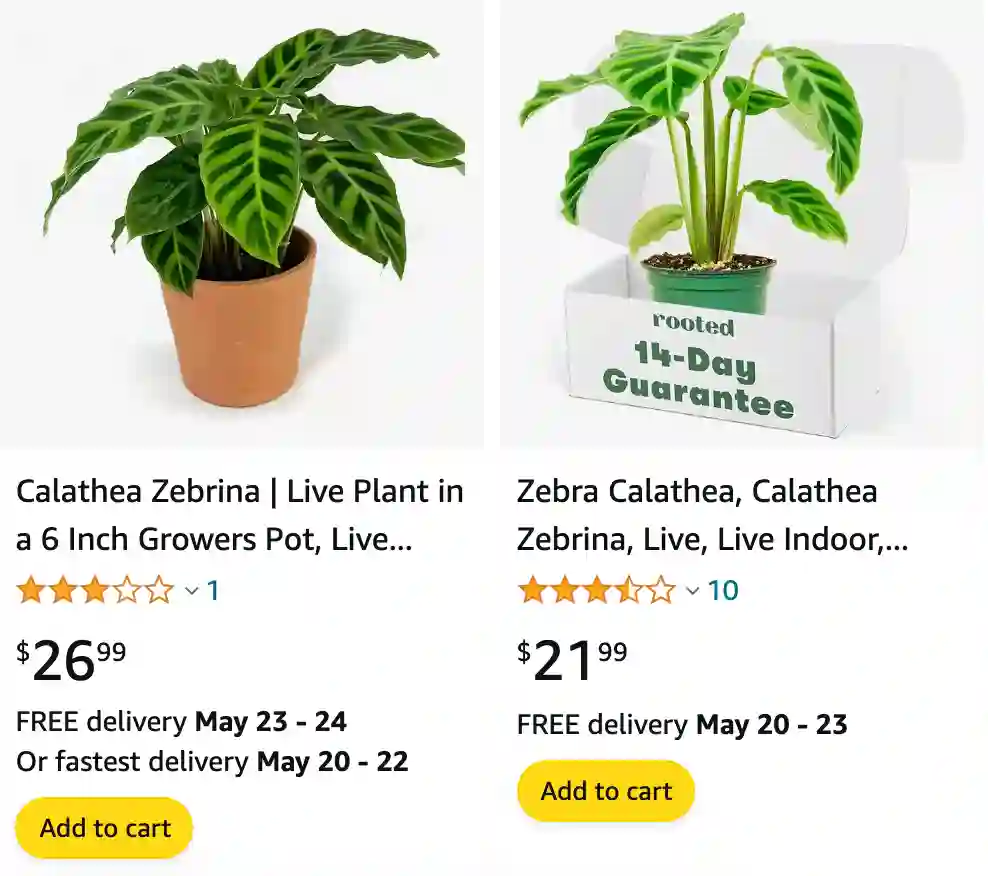
Beyond its undeniable aesthetic appeal, the Calathea Zebrina is a rewarding plant to care for, though it does demand specific environmental conditions to truly flourish. This comprehensive guide will equip you with all the knowledge needed to nurture your Zebra Plant, from understanding its fundamental needs to troubleshooting common issues. We’ll also embark on a personal “time-lapse” journey, sharing the growth story of a Calathea Zebrina from a humble seedling to a magnificent, mature specimen.
Understanding Your Calathea Zebrina: The Basics
Before diving into the specifics of care, it’s crucial to understand the natural habitat of the Calathea Zebrina. As a denizen of the rainforest understory, it thrives in warm, humid conditions with filtered light. Replicating these conditions indoors is the key to a happy and healthy plant.
Botanical Name: Calathea zebrina (now often reclassified under Goeppertia zebrina) Common Names: Zebra Plant, Zebra Calathea Family: Marantaceae (Prayer Plant family) Origin: Southeastern Brazil Mature Size: Up to 3 feet (90 cm) tall and wide indoors Foliage: Large, oval, velvety leaves with prominent dark green stripes on a lighter green background, often with a purplish-red underside.
The Gardener’s Time-Lapse: Year 1 – The Humble Beginnings
It all started three years ago, with a small, unassuming pot containing a Calathea Zebrina seedling. It was barely six inches tall, with just a few delicate leaves, each already hinting at the stunning patterns to come. I remember bringing it home, a tiny promise of the jungle, and placing it on a shelf where it could get bright, indirect light. My initial goal was simply to keep it alive, having heard tales of Calatheas being a bit finicky.
For the first few months, it was a slow but steady dance. I learned to feel the soil, checking that top inch every other day. I quickly realized that “consistently moist” was the mantra. I also noticed the subtle leaf movements – the gentle rise at dusk, the graceful lowering at dawn. It was like a living clock, a quiet reminder of its natural rhythm. I started misting it daily, sometimes twice, and even invested in a small humidifier for the colder, drier months. By the end of the first year, my little Zebrina had doubled in size, unfurling several new, perfectly striped leaves that filled me with immense pride. It was no longer just a seedling; it was a young, thriving plant, already commanding attention.
Comprehensive Care Guide for Calathea Zebrina
Achieving lush, vibrant growth with your Calathea Zebrina requires attention to detail across several key environmental factors.
1. Light: The Elusive Balance
Calathea Zebrina, like most prayer plants, thrives in conditions that mimic its native rainforest understory. This means bright, indirect light is paramount.
- Ideal Placement: An east-facing window is often perfect, providing gentle morning sun. A few feet back from a south or west-facing window, or behind a sheer curtain, can also work well. The goal is to provide ample light without direct sun exposure.
- Why Indirect Light? Direct sunlight, especially the harsh afternoon sun, can scorch the delicate leaves, leading to faded patterns, crispy brown spots, or a bleached appearance. It can also dry out the soil too quickly and reduce humidity around the plant.
- Signs of Too Much Light: Fading leaf patterns, yellowing leaves, crispy brown edges, or a generally dull appearance.
- Signs of Too Little Light: Leggy growth (stretched stems with sparse foliage), smaller new leaves, or a reduction in the vibrancy of the leaf patterns. While Calatheas can tolerate lower light, their striking variegation may become less pronounced.
- Rotation: Rotate your plant every few weeks to ensure even growth and light exposure on all sides.
2. Watering: The Art of Consistent Moisture
This is arguably the most critical aspect of Calathea care, and where many new owners stumble. Calathea Zebrina prefers consistently moist soil, but never soggy. Overwatering is a far more common killer than underwatering for these plants.
- Frequency: There’s no fixed schedule; it depends on your environment (temperature, humidity, light). The best method is to check the soil moisture regularly.
- How to Check: Stick your finger about 1-2 inches deep into the soil. If it feels dry to the touch, it’s time to water. You can also use a moisture meter for more precision, aiming for a reading consistently between “moist” and “wet” (but not “saturated”).
- Watering Method: Water thoroughly until you see water draining from the bottom of the pot. Discard any excess water from the saucer to prevent root rot.
- Water Quality: Calatheas are notoriously sensitive to chemicals found in tap water, particularly chlorine and fluoride. These can lead to brown leaf tips and edges.
- Best Options: Use filtered water, distilled water, or collected rainwater.
- Tap Water Hack: If you must use tap water, fill your watering can and let it sit out overnight. This allows some of the chlorine to dissipate. However, fluoride will remain, so this is a partial solution.
- Signs of Underwatering: Drooping leaves (often dramatic), crispy leaf edges, slow growth. The plant will usually perk up quickly after a good watering.
- Signs of Overwatering: Yellowing leaves, mushy stems, wilting despite moist soil, and eventually, root rot (a strong, foul odor from the soil). If you suspect root rot, you may need to repot the plant, trimming away any diseased roots.
3. Humidity: Replicating the Rainforest Air
High humidity is non-negotiable for Calathea Zebrina. They thrive in 60-80% humidity, a stark contrast to the average indoor home environment. Low humidity is a primary cause of crispy, brown leaf edges.
- Why is it Important? High humidity prevents the leaves from drying out, supports healthy transpiration, and keeps the foliage looking lush and vibrant.
- Methods to Increase Humidity:
- Humidifier: This is the most effective method, especially in dry climates or during winter when heating systems dry out the air. A small room humidifier placed near your plant will make a significant difference.
- Pebble Tray: Place a layer of pebbles in a saucer and fill it with water, ensuring the bottom of the pot does not sit directly in the water (this can lead to root rot). As the water evaporates, it increases humidity around the plant.
- Grouping Plants: Plants release moisture through transpiration. Grouping your Calathea Zebrina with other humidity-loving plants can create a localized microclimate with higher humidity.
- Misting: While misting provides a temporary boost in humidity, its effects are short-lived. If you do mist, use lukewarm, filtered water and mist the air around the plant, not directly on the leaves, especially if your home has poor air circulation, as this can encourage fungal issues. Avoid misting new growth.
- Signs of Low Humidity: Crispy, brown leaf edges (often starting at the tips and moving inwards), curled leaves, and a general lack of vigor.
4. Temperature: Warmth and Stability
Calathea Zebrina prefers warm, stable temperatures consistent with its tropical origins.
- Ideal Range: Between 60-80°F (15-27°C).
- Avoid Fluctuations: Protect your plant from cold drafts (e.g., near open windows in winter, air conditioning vents) and sudden temperature drops. These can stress the plant, leading to leaf damage or stunted growth.
- Minimum Temperature: Do not expose your Calathea Zebrina to temperatures below 55°F (13°C), as this can cause permanent damage.
5. Soil and Potting: The Foundation of Growth
A well-draining, airy potting mix is crucial for preventing waterlogging and promoting healthy root development.
- Ideal Soil Mix: A good aroid mix or a custom blend works best. Aim for something that retains some moisture but drains excess water quickly.
- Recipe Suggestion: 1 part peat moss or coco coir, 1 part perlite, and 1 part orchid bark or chunky coco chips. This mix provides aeration, drainage, and moisture retention.
- Avoid Heavy Soil: Standard potting soil can be too dense and retain too much water, leading to root rot.
- Potting:
- Drainage Holes: Always use a pot with drainage holes. This is non-negotiable.
- Material: Terracotta pots can wick away moisture too quickly, requiring more frequent watering. Plastic or glazed ceramic pots are often better choices as they retain moisture longer, which is beneficial for Calatheas.
- Size: Choose a pot that is only slightly larger than the root ball. Calatheas prefer to be a bit root-bound. Moving to a pot that is too large can lead to excess soil retaining too much moisture, increasing the risk of root rot.
- Repotting: Repot your Calathea Zebrina every 1-2 years, or when it becomes root-bound (roots growing out of drainage holes, water running straight through, stunted growth). The best time to repot is in spring or early summer, during the active growing season.
6. Fertilizing: A Gentle Boost
Calatheas are not heavy feeders. Fertilize sparingly during their active growing season (spring and summer) and completely withhold fertilizer during fall and winter when growth slows.
- Type: Use a balanced liquid fertilizer (e.g., 10-10-10 or 20-20-20) specifically formulated for houseplants.
- Dilution: Always dilute the fertilizer to half or even quarter strength of the recommended dosage on the package. Over-fertilizing can lead to salt buildup in the soil, which can burn the roots and damage the plant.
- Frequency: Once a month during the growing season is usually sufficient.
- Signs of Nutrient Deficiency: Pale or yellowing leaves (especially older ones), stunted growth.
- Signs of Over-fertilization: Crispy brown leaf tips and edges, white crust on the soil surface, wilting despite adequate watering. If you suspect over-fertilization, flush the soil thoroughly with plain water to wash out excess salts.
7. Pruning: Maintaining Health and Aesthetics
Pruning your Calathea Zebrina is primarily for aesthetic purposes and to remove unhealthy foliage, encouraging the plant to put energy into new growth.
- When to Prune: As needed, throughout the year.
- How to Prune: Use clean, sharp scissors or pruning shears.
- Yellow or Brown Leaves: Trim away any yellow, brown, or damaged leaves at the base of the stem, as close to the soil line as possible.
- Spent Flower Stalks: If your Calathea Zebrina flowers (which is rare indoors), remove the spent flower stalks once they fade.
- Benefits: Improves air circulation, reduces the risk of pests and diseases, and directs the plant’s energy towards producing healthy new leaves.
8. Pest and Disease Management: Vigilance is Key
While generally robust, Calathea Zebrina can be susceptible to common houseplant pests, especially in dry conditions.
- Common Pests:
- Spider Mites: These are the most common culprits, especially in low humidity. Look for tiny webs on the undersides of leaves and small, reddish-brown dots (the mites themselves).
- Mealybugs: White, cottony masses found in leaf axils and on stems.
- Aphids: Small, soft-bodied insects, often green or black, clustering on new growth.
- Fungus Gnats: Small, dark flies that hover around the soil, indicating overly wet soil.
- Treatment:
- Isolation: Isolate any infested plant immediately to prevent spread.
- Wiping: For minor infestations, wipe leaves with a damp cloth or a cotton swab dipped in rubbing alcohol.
- Insecticidal Soap/Neem Oil: For more severe infestations, use an insecticidal soap or neem oil solution, following product instructions. Apply thoroughly to all leaf surfaces, especially the undersides. Repeat treatment as necessary.
- Increase Humidity: For spider mites, increasing humidity significantly can help deter them.
- Common Diseases:
- Root Rot: Caused by overwatering and poor drainage. Symptoms include yellowing, wilting, and a foul smell from the soil. Prevention is key: proper watering and well-draining soil. If caught early, repotting and trimming diseased roots may save the plant.
- Fungal Leaf Spots: Can occur in overly humid conditions with poor air circulation. Look for small, discolored spots on leaves. Ensure good air flow and avoid misting directly onto leaves if this is an issue.
The Gardener’s Time-Lapse: Year 2 – Navigating Challenges and Flourishing
The second year brought new lessons. My Zebrina was thriving, putting out new leaves consistently, but then came the dreaded brown tips. Despite my diligent misting, the dry winter air was taking its toll. I tried a pebble tray, but it wasn’t enough. That’s when I finally invested in a larger humidifier, dedicated solely to my plant corner. The difference was almost immediate. The new leaves unfurled perfectly, and the browning on existing ones stopped progressing.
I also had my first encounter with spider mites. A few tiny webs on the underside of a leaf sent me into a panic. I gently wiped down every single leaf with a damp cloth, then sprayed it with a diluted neem oil solution. It took a few applications, but I managed to eradicate them. This experience taught me the importance of regular inspection – a quick check of the leaves during my daily misting became a routine. By the end of year two, my Zebrina was a magnificent specimen, nearly two feet tall, a true statement piece in my living room. Its velvety leaves felt even softer, and the stripes seemed to glow.
Troubleshooting Common Calathea Zebrina Issues
Even with the best care, Calathea Zebrina can sometimes exhibit signs of distress. Here’s a quick guide to diagnose and address common problems:
- Why is my Calathea Zebrina drooping?
- Underwatering: Most common cause. Check soil moisture; if dry, water thoroughly.
- Overwatering/Root Rot: Less common for drooping, but possible if roots are compromised. Check for soggy soil and foul odor.
- Low Humidity: Can cause leaves to droop as they try to conserve moisture.
- Temperature Stress: Extreme cold or sudden drafts can cause drooping.
- Why is my Calathea Zebrina curling?
- Underwatering: The plant curls its leaves inwards to reduce surface area and conserve moisture.
- Low Humidity: Similar to underwatering, leaves curl to protect themselves from dry air.
- Direct Sunlight/Heat Stress: Too much intense light or heat can cause leaves to curl as a protective mechanism.
- Cold Drafts: Sudden exposure to cold can also cause curling.
- Why is my Calathea Zebrina turning yellow?
- Overwatering: The most frequent cause. Leads to root suffocation and eventually root rot.
- Underwatering: Can also cause yellowing, especially if the plant is severely dehydrated.
- Nutrient Deficiency: Lack of essential nutrients (e.g., nitrogen) can cause older leaves to yellow.
- Natural Aging: Older leaves at the bottom of the plant will naturally yellow and die off over time.
- Why are my Calathea Zebrina leaves turning brown/crispy?
- Low Humidity: The primary culprit. Crispy edges and tips are a classic sign.
- Underwatering: If the soil dries out completely between waterings.
- Tap Water Sensitivity: Chlorine and fluoride in tap water can cause brown tips.
- Direct Sunlight/Heat Stress: Can scorch leaves and cause browning.
- Over-fertilization: Salt buildup can burn leaf edges.
Propagating Calathea Zebrina: Expanding Your Collection
Propagating Calathea Zebrina is best achieved through division, as stem cuttings are generally not successful for this type of plant.
Propagation by Division:
This method is most effective when you are repotting your mature Calathea Zebrina, typically in spring or early summer.
- Preparation: Gently remove the entire plant from its pot. Lay it on a clean surface.
- Expose Roots: Carefully brush away as much soil as possible from the root ball to expose the rhizomes and root system.
- Identify Divisions: Look for natural clumps or sections of the plant that have their own root system and at least 3-4 leaves attached. These are your potential divisions.
- Separate: Using your hands, gently pull apart the sections. If they are tightly bound, you may need to use a clean, sharp knife to cut through the rhizomes, ensuring each division has a healthy portion of roots.
- Potting: Plant each new division into its own small pot (4-6 inches) filled with fresh, well-draining Calathea potting mix.
- Aftercare: Water thoroughly immediately after potting. Place the newly potted divisions in a warm, humid environment with bright, indirect light. They may experience some shock initially (drooping), but with consistent care, they should establish themselves within a few weeks. Maintain high humidity to aid recovery.
Calathea Zebrina in Comparison: Distinct Personalities
The genus Calathea (now largely Goeppertia) boasts an incredible diversity of patterns and textures. Comparing the Zebrina to other popular species highlights its unique charm.
Calathea Zebrina vs. Calathea Freddie (Goeppertia concinna ‘Freddie’)
When comparing the Calathea Zebrina to the Calathea Freddie, it’s like observing two distinct pieces of living art, each with its own personality.
- Calathea Zebrina:
- Appearance: Bold and dramatic. Its leaves are large, broad, and have a distinct velvety texture. The patterns are striking, featuring wide, dark green stripes that boldly contrast with the lighter green background, truly earning its “Zebra” moniker. The overall impression is one of lush, tropical extravagance.
- Personality: Feels like an exotic treasure, a showstopper that immediately draws the eye. It adds a touch of untamed jungle drama to any space.
- Care: Can be perceived as more demanding due to its larger leaf surface area requiring higher humidity and precise watering to prevent browning.
- Calathea Freddie:
- Appearance: More subtle and intricate. Its leaves are narrower and more elongated than the Zebrina’s, with a slightly glossy texture. The patterns are finer, featuring delicate, wavy dark green lines on a lighter green base. Its elegance is understated.
- Personality: A quiet companion, less dramatic but equally captivating upon closer inspection. It brings a sense of calm and intricate beauty.
- Care: Often considered slightly easier to care for than the Zebrina, perhaps because its narrower leaves are marginally less prone to humidity-related browning, though it still requires consistent moisture and high humidity.
While Zebrina is all about bold, dramatic statements, Freddie offers a more serene and intricately detailed charm, making both valuable additions to a Calathea collection.
Calathea Zebrina vs. Calathea Warscewiczii (Goeppertia warscewiczii)
Choosing between the Calathea Zebrina and Warscewiczii is like deciding between two captivating narratives, each unfolding a different aspect of tropical beauty.
- Calathea Zebrina:
- Appearance: As discussed, its leaves are characterized by their vibrant, bold stripes and velvety feel, evoking the image of a bright, sun-dappled rainforest. The light and dark green contrast is sharp and eye-catching.
- Personality: Its vibrant presence transforms any room, making it an immediate centerpiece. It’s an open book, showcasing its patterns proudly.
- Texture: Distinctly velvety to the touch.
- Calathea Warscewiczii:
- Appearance: Offers a deeper, more mysterious beauty. Its leaves are a rich, dark green, often with a striking lighter green midrib, and a deep burgundy or purplish underside. The patterns are more subtle, sometimes described as a feather-like or fishbone pattern, and its texture is a luxurious, almost plush velvet.
- Personality: Possesses a regal aura, standing out without being overly flashy. It’s sophisticated and commands attention through its depth of color and texture.
- Texture: Even more intensely velvety than the Zebrina, almost like soft suede.
While Zebrina is all about eye-catching patterns and a vibrant, classic tropical feel, Warscewiczii offers a deeper, more subdued beauty, emphasizing rich color and a luxurious texture that feels almost regal. Both are stunning, but cater to different aesthetic preferences.
The Gardener’s Time-Lapse: Year 3 – Maturity and Propagation
Entering the third year, my Calathea Zebrina was a majestic presence. It stood nearly three feet tall, its broad, velvety leaves fanning out gracefully, each stripe a testament to its health. It had become the undisputed star of my plant collection, a constant source of joy and a conversation starter for anyone who visited.
This year, I decided it was time for its first division. It was getting a bit too large for its pot, and I wanted to share its beauty. During a spring repotting session, I carefully unpotted it, gently teased apart the roots, and found a perfect clump with its own established root system. With a mix of excitement and trepidation, I separated it and potted the new division. The mother plant barely skipped a beat, and within a few weeks, the new division was unfurling its first leaf in its new home, a miniature version of its parent.
Looking at my Zebrina now, I see more than just a plant. I see three years of learning, patience, and dedication. I see the challenges overcome, the small victories celebrated with each new leaf. It’s a living reminder that with the right care and understanding, even the most seemingly demanding plants can thrive and bring immense beauty and tranquility into our lives. The Calathea Zebrina, with its dramatic flair and quiet prayer, truly is a piece of living art, constantly evolving and bringing the spirit of the rainforest into my home.
Is Calathea Zebrina Toxic to Cats and Pets?
Yes, it’s important to note that Calathea Zebrina is considered toxic to cats and other pets if ingested. While the toxicity is generally mild and may cause gastrointestinal upset (vomiting, diarrhea), it’s always best to err on the side of caution.
- Recommendation: Keep your Calathea Zebrina out of reach of curious pets. Place it on high shelves, in hanging planters, or in rooms inaccessible to animals. If you suspect your pet has ingested parts of the plant, contact your veterinarian immediately.
Conclusion: Embracing the Zebra Plant Journey
The Calathea Zebrina is more than just a houseplant; it’s a dynamic, living sculpture that rewards attentive care with unparalleled beauty. While it has a reputation for being a bit “fussy,” understanding its fundamental needs for consistent moisture, high humidity, and bright, indirect light will set you up for success.

If i die, water my plants!