Introduction: Unveiling the Golden Arrowhead
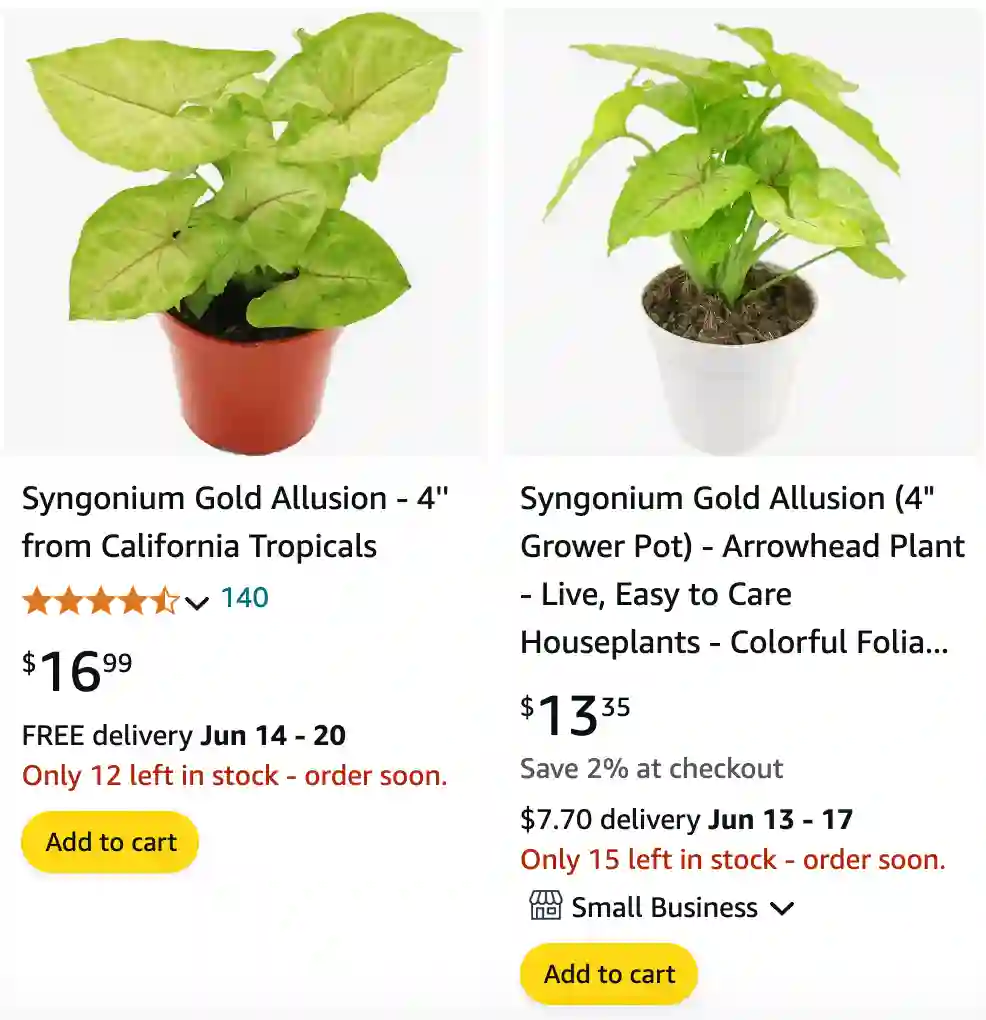
The world of indoor gardening is constantly enriched by plants that combine aesthetic appeal with relative ease of care. Among these, the Syngonium podophyllum ‘Gold Allusion’ stands out as a particularly captivating specimen. Its vibrant foliage, characterized by striking golden-green leaves adorned with prominent pink-red veins, offers a soft, glowing appearance that adds a touch of warmth and elegance to any indoor space. This cultivar, a popular member of the ‘Allusion’ series, is celebrated not only for its unique coloration but also for its fascinating growth habit, transforming from a compact, bushy juvenile plant into a lush, trailing, or climbing vine as it matures.
This comprehensive guide delves into the multifaceted world of the Syngonium Gold Allusion. It explores its botanical origins, dissects its distinctive features, and provides an ultimate care guide to ensure its thriving presence in any home. Beyond the factual details, this article offers a unique, first-person narrative – a two-year time-lapse journey of cultivating this golden arrowhead, sharing the intimate observations and lessons learned along the way. This dual approach aims to provide both authoritative horticultural information and a relatable, engaging account of the plant’s life cycle.
Botanical Roots: Understanding Syngonium Gold Allusion
To truly appreciate the Syngonium Gold Allusion, it is essential to understand its natural heritage and scientific classification. This background provides crucial context for its environmental requirements and growth patterns in a domestic setting.
Classification and Origin
The Syngonium Gold Allusion is a cultivar of Syngonium podophyllum, a species belonging to the Araceae family, commonly known as the aroid family. This genus of flowering plants is indigenous to the tropical rainforests of southern Mexico, the West Indies, Central, and South America. Regions like Costa Rica and Panama are recognized as centers of diversity for the genus, hosting a significant number of its species. This tropical origin inherently dictates the plant’s preference for warm temperatures, high humidity, and bright, indirect light, mimicking its native understory environment.
Distinctive Features of ‘Gold Allusion’
The ‘Gold Allusion’ cultivar is particularly prized for its unique visual characteristics and adaptable growth.
Foliage
The most striking feature of the Syngonium Gold Allusion is its foliage. The leaves display a brilliant chartreuse or golden-green hue, often flecked with lime green, and are beautifully contrasted by prominent creamy pink to red veins. This combination creates a luminous, variegated appearance that makes it a standout among houseplants. The coloration can vary slightly, presenting as mottled waves of golden yellow with pink venation, contributing to its soft, glowing aesthetic.
Leaf Shape Transformation
A fascinating aspect of Syngonium podophyllum is its remarkable leaf shape transformation as the plant matures. Juvenile leaves, commonly seen on smaller houseplants, are typically ovate with heart-shaped bases, often displaying the characteristic arrowhead shape from which the plant derives its common name. As the plant ages and begins to climb, its leaves undergo a significant morphological change. Mature leaves become pedate, developing deeper lobes and often featuring 5 to 11 distinct leaflets. In their natural habitat, these adult leaf forms can be much more complex, sometimes appearing bisector or even fan-shaped with up to 11 secants. This developmental shift is a key characteristic that distinguishes the mature plant from its youthful appearance.
Growth Habit
In its native environment, Syngonium podophyllum is a woody vine capable of climbing trees to heights of 10-20 meters or more. As a houseplant, the ‘Gold Allusion’ typically starts with a compact, upright growth habit in its youth. However, as it matures, it naturally begins to trail or climb, making it versatile for display in hanging baskets or trained on a moss pole or trellis. Indoors, it commonly reaches heights of 3 to 6 feet , though in ideal conditions with support, it can extend to 6-10 feet , and some reports even suggest up to 13 meters in its most vigorous forms. Its ability to adapt from a bushy form to a vining one provides flexibility for indoor gardeners.
Flowering
While Syngonium podophyllum does produce flowers in its natural habitat, it rarely blooms indoors. When it does flower, it produces tiny greenish-white flowers on a spadix, which are surrounded by a greenish-white spathe. These flowers can give way to brown-black berries. The plant’s ornamental value in cultivation lies almost entirely in its attractive foliage rather than its infrequent blooms.
The Nuance of Cultivar Distinction
The horticultural market features a plethora of Syngonium podophyllum cultivars, often grouped into series like the ‘Allusion’ collection, which includes ‘Gold Allusion’, ‘Berry Allusion’, ‘Pink Allusion’, and ‘Cream Allusion’. While each cultivar is marketed for its distinct visual characteristics—such as the brilliant chartreuse leaves and pink-red veins of ‘Gold Allusion’ or the deeper pink hues of ‘Berry Allusion’ —it is important to recognize that, at a genetic level, many of these widely available cultivars are essentially the same plant,
Syngonium podophyllum.
This phenomenon means that the functional care requirements for many Syngonium cultivars exhibit little to no variation. The differences, while visually appealing, are often subtle phenotypic expressions that can even be influenced by environmental factors like light exposure. For instance, the specific shade of green or the intensity of vein coloration in a ‘Gold Allusion’ might be most apparent when new leaves unfurl, becoming more alike to other varieties as they harden off. This widespread genetic homogeneity among cultivars highlights a significant trend in the plant industry: the successful marketing of new varieties is often driven by nuanced aesthetic variations rather than fundamental biological distinctions. Consequently, for plant enthusiasts, choosing a Syngonium variety frequently boils down to personal preference for a particular color or variegation pattern, as the underlying care regimen remains largely consistent across the species. This understanding allows for a more unified approach to cultivation, emphasizing the plant’s general needs while appreciating the unique beauty of each named form.
My Golden Arrowhead: A 2-Year Time-Lapse Gardener’s Journal
Bringing a new plant into one’s home is always an act of hope and anticipation. For me, the Syngonium Gold Allusion was an irresistible choice, its promise of vibrant, easy-care foliage perfectly aligning with my desire for a touch of living gold in my space. This is the story of my two-year journey with this remarkable plant, a time-lapse of its growth, challenges, and triumphs.
Chapter 1: The First 3 Months – A Tiny Seedling’s Start
The day my Syngonium Gold Allusion arrived, it was a modest specimen, nestled in a 4-inch pot, standing about 6 inches tall. Its small, arrowhead-shaped leaves already hinted at the golden-green and pink beauty that had captivated me. My first task was to find the perfect spot, one that offered bright, indirect light, away from any harsh, direct sunbeams that could scorch its delicate leaves. A north-facing window, slightly recessed, proved to be ideal, providing ample ambient light without direct exposure.
Initial watering was a careful dance. I had read that Syngoniums prefer consistently moist soil but are highly susceptible to root rot if waterlogged. I adopted the “finger test,” allowing the top inch or two of soil to dry out before watering thoroughly, ensuring excess water drained away from the pot. This early period was a learning curve, observing how quickly the soil dried and adjusting accordingly.
Within weeks, new leaves began to unfurl, each one a miniature marvel of golden-green with those striking pink veins. The plant maintained its compact, bushy form, a testament to its youthful vigor. Its growth was surprisingly rapid, especially during the warmer weeks. This initial phase truly highlighted a common perception about Syngoniums: they are often labeled as “easy care” or “low maintenance”. However, my early observations quickly revealed that this ease comes with a crucial caveat. While the plant is robust, it communicates its needs quite clearly, and understanding these signals is paramount. For instance, the first signs of slight leaf droop indicated thirst, a signal to water promptly. Conversely, a hint of yellowing at the base of a leaf served as an early warning of potential overwatering. This experience underscored that “easy care” does not imply “neglectable.” Instead, it means the plant is forgiving of occasional lapses, but consistent attention to its specific watering rhythm is fundamental for its long-term health and vibrant appearance, preventing common issues like root rot that can quickly derail an otherwise healthy plant.
Chapter 2: Months 4-12 – Maturing and Finding Its Form
As spring transitioned into summer, my Golden Arrowhead continued its vigorous growth. Around the six-month mark, I noticed roots beginning to emerge from the drainage holes, signaling it was time for its first repotting. I chose a pot only an inch larger, knowing that Syngoniums appreciate being slightly root-bound. This practice, I learned, helps prevent the soil from staying excessively wet, which can lead to root issues.
It was during this period that the plant truly began to show its characteristic shift in growth habit. The once compact bush started sending out longer stems, signaling its natural inclination to vine. I decided to provide a small moss pole, gently guiding the nascent vines upwards. This support not only accommodated its climbing nature but also encouraged the development of larger, more lobed leaves, a fascinating transformation from the initial arrowhead shape.
Despite its overall health, this phase also brought my first minor challenges. A few leaf tips began to brown, a clear indicator of insufficient humidity in my relatively dry indoor environment. My response was immediate: daily misting and placing the pot on a pebble tray filled with water, which visibly improved the leaf health. I also encountered a single yellowing leaf, a gentle reminder to re-evaluate my watering schedule and ensure the soil wasn’t staying too moist. These minor setbacks were valuable learning opportunities, reinforcing the plant’s communicative nature.
A significant realization during this time was the strategic value of pruning. As the plant matured, some stems became a bit leggy, stretching towards the light. I began to prune these sections, making clean cuts just below a node. This simple act not only maintained the plant’s desired bushy, compact aesthetic, preventing it from becoming sparse , but also visibly stimulated new, denser growth from the lower nodes. This practice transformed pruning from a mere maintenance chore into a powerful tool for directing the plant’s energy and enhancing its overall health. By removing older, less vigorous growth and encouraging new shoots, I observed improved air circulation around the foliage, which is a crucial preventative measure against potential fungal issues, particularly in a humid environment. This active management allowed me to shape the plant’s destiny, ensuring it remained a lush, vibrant focal point rather than an unruly vine.
Chapter 3: Year 1-2+ – Flourishing and Expanding the Family
By the end of its first year and well into its second, my Syngonium Gold Allusion had truly flourished. Its care routine had become second nature, a consistent rhythm of watering when the topsoil dried and monthly fertilization during the spring and summer growing seasons. During the cooler autumn and winter months, I naturally reduced both watering frequency and ceased fertilization, allowing the plant its necessary period of slower growth.
The plant’s robust health inspired me to explore propagation. Taking healthy stem cuttings with at least one node, I placed them in glasses of water, diligently changing the water every few days to prevent bacterial growth. Within a couple of weeks, tiny white roots began to emerge, a truly rewarding sight. Successfully rooting and potting these cuttings allowed me to expand my collection and share new plants with friends, a testament to the Syngonium’s generosity.
Over these two years, the Syngonium Gold Allusion has proven to be an incredibly resilient and visually rewarding plant. Its beauty continues to evolve, with the subtle changes in its variegation serving as a visual barometer of its well-being. A particularly interesting aspect of this plant’s development is the profound influence of light on its distinctive coloration. While bright, indirect light is universally recommended for optimal growth, I observed that the intensity and quality of this light directly impacted the vibrancy of the golden hues and the prominence of the pink veins. Moving the plant slightly closer to or further from a light source, or even adjusting the angle, resulted in noticeable shifts in the richness of its golden tones. This demonstrated that light is not merely a factor for survival or basic growth, but a critical determinant of the plant’s most admired aesthetic qualities. Maintaining that “brilliant chartreuse” or “golden-yellow” color became a continuous, subtle adjustment, transforming light management into an artistic endeavor that directly influenced the plant’s captivating appearance. This ongoing observation reinforced the dynamic relationship between environmental conditions and the plant’s expressive foliage.
The Ultimate Care Guide for Your Syngonium Gold Allusion
Cultivating a thriving Syngonium Gold Allusion involves understanding and consistently meeting its fundamental needs. This detailed guide provides actionable advice for optimal growth and vibrant foliage.
Light: The Golden Glow Factor
Light is a critical factor for the Syngonium Gold Allusion, directly influencing its distinctive coloration and overall vigor. For this cultivar, bright, indirect light is paramount to maintaining its vibrant golden-green and pink hues. Placing it near a north or east-facing window, or setting it back from a south or west-facing window, provides the ideal conditions.
While the plant can tolerate medium or even low light conditions, such environments will typically result in slower growth, and the characteristic golden variegation may become muted or fade to a less intense green. This reduction in color intensity detracts from the plant’s primary aesthetic appeal. Conversely, direct sunlight, particularly the harsh afternoon sun, must be avoided at all costs. The delicate leaves, especially the variegated areas, are highly susceptible to scorching and burning under intense direct light. The plant’s coloration, a key reason for its popularity, is a direct indicator of its light exposure, signifying that light is not just a growth requirement but a crucial element in preserving its unique beauty. For those aiming for precise environmental control, a Photosynthetic Photon Flux Density (PPFD) of 50-250 umol/m2/s for 12-14 hours daily is considered optimal, with at least 3,000 lux (300 foot candles) supporting robust growth.
Watering: The Art of Balanced Hydration
Proper watering is perhaps the most crucial aspect of Syngonium Gold Allusion care, often presenting a nuanced challenge. The plant prefers consistently moist soil but is highly prone to root rot if overwatered. The key is to allow the top 1-2 inches of soil, or approximately 50-75% of the soil volume, to dry out between waterings. Watering frequency should not be fixed but rather determined by checking the soil moisture level. A moisture meter can be used, or the “finger test” (inserting a finger up to the second knuckle) provides a reliable gauge.
During the active growing season (spring and summer), the plant will require more frequent watering, while in the dormant cooler months of fall and winter, watering frequency should be significantly reduced. When watering, it is essential to do so thoroughly until water begins to drain from the bottom of the pot. Any excess water collected in the saucer must be discarded promptly to prevent the plant from sitting in standing water, a condition often referred to as “wet feet,” which invariably leads to root rot.
The plant communicates its hydration needs clearly. Signs of underwatering include droopy, limp, or softer leaves, and an overall less perky appearance, often accompanied by stunted growth. If neglected, leaves may yellow from the base before turning brown. Conversely, the most common symptom of overwatering is yellowing leaves, often accompanied by rapid leaf shedding. If a foul smell is detected from the soil and the plant appears to be deteriorating, it may indicate root or stem rot, which requires immediate intervention. The plant’s clear signals highlight that while it is generally adaptable, recognizing and responding to these specific cues is vital for its long-term health, moving beyond mere survival to robust thriving. This careful balance is fundamental to avoiding root rot, which is identified as the most common and potentially fatal vulnerability for Syngoniums.
Humidity: Mimicking the Rainforest Home
Given its origins in tropical rainforests, the Syngonium Gold Allusion naturally thrives in high humidity environments. Optimal humidity levels for this plant range between 50% and 75%. While it can adapt to average household humidity (around 30-50%), providing higher humidity will promote more lush growth and intensify its vibrant leaf coloration.
Several methods can be employed to increase humidity around the plant. Regular misting of the leaves is a common practice , though it should be avoided if leaf spot disease is suspected. Placing the plant’s pot on a tray filled with pebbles and water, ensuring the pot itself does not sit in the water, is an effective way to create a localized humid microclimate. For more consistent humidity, especially in drier climates or during winter months when heating systems reduce indoor humidity, using a room humidifier is highly beneficial. Grouping plants together can also naturally elevate the collective humidity in their immediate vicinity.
Crucially, when maintaining high humidity, adequate air circulation is essential to prevent the development of fungal and bacterial issues, mold on the soil surface, and edema. Signs of insufficient humidity include crispy brown edges on the leaves and a general loss of plant vigor. The plant’s susceptibility to browning leaf tips in dry air underscores the importance of consistent humidity, reinforcing that while adaptable, a humid environment is key to preventing common aesthetic and health issues.
Temperature: Keeping it Cozy
As a tropical plant, the Syngonium Gold Allusion prefers warm and stable temperatures. The ideal temperature range for its cultivation is between 18°C and 28°C (65°F to 85°F). While it can tolerate a slightly wider range, extreme fluctuations or temperatures outside this optimal zone can cause stress.
The plant is not frost-resistant and is highly sensitive to cold. It is imperative to protect it from temperatures dropping below 10-16°C (50-60°F), as prolonged exposure to cold can be fatal. Keeping the plant away from cold drafts from windows, doors, or air conditioning vents is also important. During warm spring and summer months, the Syngonium Gold Allusion can be placed outdoors, but it must be brought back indoors before temperatures begin to drop in the fall.
Soil & Potting: The Foundation for Growth
The right potting medium and pot are fundamental to the health of your Syngonium Gold Allusion. The plant requires a rich yet well-draining soil mix that allows for good aeration while retaining some moisture. An aroid potting mix is often recommended, or a custom blend can be created using equal parts bark, perlite, and high-quality potting mix, or a combination of perlite, potting mix, coconut coir, and cactus & succulents soil mix. This blend ensures proper drainage, preventing the dreaded root rot, while still providing the necessary moisture retention. The ideal soil pH for Syngoniums is slightly acidic, ranging from 5.5 to 6.5.
When choosing a pot, always select one with drainage holes at the bottom to allow excess water to escape. Terracotta pots are a good option as they promote extra air circulation around the root system, although they tend to dry out the potting medium faster, necessitating more frequent moisture checks.
Repotting is typically needed every 2 to 3 years, ideally in the spring, to refresh the soil and provide more space for growth. When repotting, choose a pot that is only 1-2 inches larger in diameter than the current one. A common misstep is to repot into an excessively large container, which can lead to the soil staying wet for too long and increasing the risk of root rot. Syngoniums actually prefer to be slightly root-bound, meaning their roots are somewhat snug in the pot. This preference is a valuable detail, as it means growers should resist the urge to over-pot, which can inadvertently lead to overwatering issues. It is also advisable to allow a new plant to acclimate to its environment for 2-4 weeks after purchase before attempting to repot it. The presence of aerial roots is normal for this vining plant and does not necessarily indicate a need for repotting.
Fertilization: Fueling Vibrant Growth
Regular fertilization is crucial for the rapid growth and vibrant foliage of the Syngonium Gold Allusion, especially during its active growing season. A balanced NPK (Nitrogen-Phosphorus-Potassium) fertilizer, such as a 10-10-10 ratio, or one formulated for leafy green plants (e.g., 3-1-2 NPK ratio) with added micronutrients, is recommended. Simple NPK fertilizers alone may not provide all the necessary elements for optimal plant health.
During the spring and summer months, which constitute the plant’s primary growing season, liquid fertilizer should be applied monthly, diluted to half or quarter strength. Alternatively, a “weakly weekly” method can be employed, where a highly diluted dose (10%-20% of recommended strength) is applied each week, followed by a week of flushing with clean water to prevent salt buildup. Slow-release fertilizers offer a convenient option, typically applied twice a year, such as in early spring and mid-summer.
It is important to reduce or cease fertilization entirely during the fall and winter months (typically October to March), as the plant’s growth naturally slows down during its dormant period. Over-fertilization during this time can lead to a buildup of salts in the soil, which can burn the plant’s roots and cause more harm than good. It is also worth noting that fertilization should supplement good plant care practices, not compensate for poor light or watering habits. For optimal nutrient absorption, the water used for fertilization should ideally have a pH between 5.8 and 6.2.
Pruning & Training: Shaping Your Syngonium’s Destiny
Pruning is a strategic horticultural practice that allows growers to actively manage the Syngonium Gold Allusion’s natural vining tendency for both aesthetic purposes and enhanced plant health. Its purpose extends beyond mere maintenance, enabling the gardener to shape the plant’s destiny.
Regular pruning encourages bushier, more compact growth, preventing the plant from becoming leggy or sparse. It helps maintain the desired form, especially if a bushy appearance with juvenile arrowhead-shaped leaves is preferred. This is achieved by trimming stems just above a node, which stimulates new growth points and encourages branching. Pruning also plays a vital role in improving air circulation around the foliage, which is a key preventative measure against fungal and bacterial diseases.
Light pruning can be performed throughout the spring and summer growing seasons. It involves removing any wilted, discolored, diseased, or dead leaves and stems to redirect the plant’s energy towards healthy growth. Using sharp, sterilized tools for all cuts is essential to prevent damage and the spread of pathogens.
For those who wish to embrace the plant’s climbing nature, providing support such as a moss pole or trellis will encourage it to vine upwards, leading to larger, more mature leaf forms. Conversely, consistent pruning of climbing stems will help the plant remain bushy and retain its juvenile leaf shape. If the plant’s overall growth appears weak, pruning back any developing flower buds can conserve energy, allowing the plant to prioritize leaf development. After pruning, it is advisable to avoid watering directly on the fresh wounds and ensure good ventilation to aid in the healing process and prevent infections.
Propagation: Growing Your Golden Collection
Propagating the Syngonium Gold Allusion is a straightforward and rewarding process, allowing enthusiasts to expand their collection or share this beautiful plant with others. The most effective and common method is through stem cuttings, which can be rooted successfully in either water or moist soil. Division is also a viable option for larger, more mature plants. The optimal time for propagation is during the plant’s active growth phase, typically in early spring or summer, when conditions are most favorable for root development.
Detailed Step-by-Step Guide for Stem Cuttings
Preparation: Before beginning, gather the necessary supplies: a healthy Syngonium Gold Allusion mother plant, sharp and sterile cutting tools (scissors, knife, or pruning shears), a glass jar for water propagation, well-draining potting mix for soil propagation, new pots, and optionally, rooting hormone and chemical-free, room-temperature water. Sterilizing your tools prevents the transmission of diseases.
Selection: Identify a healthy, vigorous stem segment on the mother plant. This segment should ideally include at least one, and preferably 2-3, leaf nodes. Nodes are crucial as they are the points on the stem where leaves emerge and where new roots will form. Ensure the chosen section has a few healthy leaves attached.
Cutting: Using your sterile tool, make a clean cut just below a node. A 45° angle is often recommended to maximize the surface area for root development. The cutting should be approximately 4-6 inches in length. Carefully remove any lower leaves that would be submerged in water or buried in soil to prevent them from rotting.
Rooting in Water:
- Placement: Place the prepared cutting into a glass jar filled with chemical-free, room-temperature water, ensuring that at least one node is fully submerged. It is important that no leaves remain submerged in the water, as this can lead to rot.
- Light & Environment: Position the jar in a warm spot that receives bright, indirect light. Avoid direct sunlight.
- Water Changes: Change the water every few days, or at least once or twice a week, and especially if it appears cloudy. This keeps the water fresh and oxygenated, which is vital for root development and prevents bacterial growth that can cause the cutting to rot.
- Observation: Roots typically begin to emerge within 1-2 weeks , though it can sometimes take 4-8 weeks.
Rooting in Soil:
- Pot Preparation: Fill a small pot with a well-draining potting mix, gently tapping the pot to remove any large air gaps.
- Rooting Hormone (Optional): Dip the cut end of the stem into rooting hormone solution or powder. While optional, rooting hormone can stimulate faster root growth and increase the chances of successful propagation.
- Planting: Insert the cutting into the prepared soil, ensuring at least one node is buried beneath the surface.
- Care: Keep the soil consistently moist but not soggy, and maintain high humidity around the cutting. This can be achieved by placing the pot in a humidity dome or a clear plastic bag to create a mini-greenhouse effect. New top growth typically indicates successful rooting, which can take a few weeks.
Transplanting (from Water to Soil): Once water-rooted cuttings have developed a robust root system (roots typically a few inches long), they are ready for transplantation into soil. Gently rinse the roots to remove any residual water-borne roots, then plant them into a small container filled with a well-draining potting mix. Water gently to settle the soil around the new roots.
Care for Newly Propagated Plants: Provide newly potted cuttings with bright, indirect light and consistent moisture. It is crucial to avoid fertilizing young plants immediately, as their delicate new roots can be easily burned by concentrated nutrients.
The choice between water and soil propagation offers a trade-off: water propagation often provides faster visible root development, which can be encouraging for new propagators. However, the roots formed in water tend to be more fragile and require a careful transition to soil. In contrast, soil propagation may take slightly longer for roots to establish, but the roots that develop are generally sturdier and better adapted to the potting medium, potentially leading to a more robust plant in the long run. Understanding this difference allows growers to select the method that best aligns with their patience and desired outcome for the new plant.
Table: Syngonium Gold Allusion Propagation Steps
| Method | Step | Description | Key Tips/Notes | Time to Root |
| Stem Cuttings (Water) | 1. Preparation | Gather sterile cutting tools, glass jar, chemical-free water. | Sterilize tools to prevent disease. | N/A |
| 2. Selection | Choose a healthy stem with 1-3 leaf nodes and a few leaves. | Nodes are crucial for root development. | N/A | |
| 3. Cutting | Make a clean, 4-6 inch cut just below a node; remove submerged leaves. | Angle cut at 45° for increased surface area. | N/A | |
| 4. Rooting | Place cutting in water, ensuring nodes are submerged, leaves are not. | Position in bright, indirect light. | 1-2 weeks (visible roots) | |
| 5. Care | Change water every few days (or 1-2 times/week) to keep it fresh. | Prevents bacterial growth and rot. | Continual | |
| 6. Transplanting | Once roots are a few inches long, transfer to well-draining soil. | Be gentle to avoid damaging fragile water roots. | N/A | |
| Stem Cuttings (Soil) | 1. Preparation | Gather sterile cutting tools, small pot, well-draining potting mix. | Prepare pot with soil before cutting. | N/A |
| 2. Selection | Choose a healthy stem with 1-3 leaf nodes and a few leaves. | Select vigorous, disease-free sections. | N/A | |
| 3. Cutting | Make a clean, 4-6 inch cut just below a node; remove buried leaves. | Rooting hormone (optional) can boost success. | N/A | |
| 4. Rooting | Insert cutting into moist soil, burying at least one node. | Maintain consistent moisture and high humidity (e.g., humidity dome). | 2-3 weeks (new top growth) | |
| 5. Care | Keep soil consistently moist but not soggy; ensure high humidity. | Good air circulation is important to prevent mold. | Continual | |
| General Care for New Plants | Post-Propagation | Provide bright, indirect light; water consistently when topsoil dries. | Avoid fertilizing young plants initially to prevent root burn. | N/A |
Troubleshooting Common Syngonium Gold Allusion Problems
Even with diligent care, plants can sometimes exhibit signs of distress. Early identification of symptoms and prompt intervention are key to resolving issues and maintaining a healthy Syngonium Gold Allusion.
Pests: Tiny Invaders, Big Solutions
Regular inspection of your plant, ideally every time it is watered, is the best defense against pests. If any signs of infestation are noted, isolate the affected plant immediately to prevent spread to other houseplants. Chemical pesticides should always be considered a last resort.
- Mealybugs: These appear as small, cottony masses, often found in leaf axils or on the undersides of leaves. They move slowly and can spread quickly.
- Solution: Dab directly with a cotton swab dipped in rubbing alcohol. For larger infestations, spray the plant with insecticidal soap or neem oil, ensuring thorough coverage.
- Scales: Scales manifest as dark-colored, immobile bumps clinging to stems and leaves, often appearing as inconspicuous brownish spots. They suck plant juices, leading to weakened growth.
- Solution: Scrape off individual scales with a fingernail or a soft brush dipped in rubbing alcohol. Treat the entire plant with insecticidal soap or neem oil.
- Aphids: More commonly seen on outdoor plants, aphids are tiny insects that can be various colors (black, yellow, green) and are often found in clusters on new growth or leaf undersides.
- Solution: A strong spray of water can dislodge them. For persistent issues, use insecticidal soap or neem oil.
- Spider Mites: These are minute, almost invisible pests, often indicated by fine webbing on the plant or tiny reddish-brown spots on leaves. They cause leaves to look pale, anemic, or gray-green.
- Solution: Increase humidity around the plant, as spider mites thrive in dry conditions. Rinse the plant thoroughly under a shower. Apply insecticidal soap or neem oil, focusing on the undersides of leaves.
Diseases & Issues: Decoding Plant Distress
Observing changes in your plant’s foliage can provide valuable clues about its health.
- Leaf Spot Disease: Characterized by circular or irregular brown to black patches on leaves, often with yellow rings. This is typically caused by fungal or bacterial infections.
- Solution: Improve air circulation around the plant by proper spacing and pruning. Ensure the plant is in a well-draining pot and reduce watering if the soil is too wet. Remove affected leaves. Avoid misting if leaf spot is suspected. Organic treatments like a baking soda and mineral oil spray can be effective. For severe cases, fungicidal sprays may be necessary.
- Yellowing Leaves: The most common cause is improper soil moisture, primarily overwatering, leading to root rot. Yellowing can also result from underwatering, nutrient deficiencies, or simply the natural aging of lower leaves.
- Solution: Assess soil moisture; if wet, reduce watering and ensure proper drainage. If dry, water more frequently. Ensure adequate light and consistent fertilization during the growing season. Remove yellowed leaves to encourage new growth.
- Brown Spots or Edges: Often a sign of dry air and low humidity. Can also be caused by temperature stress or chemicals in tap water.
- Solution: Increase humidity through misting, pebble trays, or a humidifier. Move the plant away from drafts or heating/cooling vents. Consider using filtered water if tap water is suspected.
- Pale or Anemic Appearance: Often linked to spider mite infestations. Can also indicate insufficient light or nutrient deficiency.
- Solution: Inspect for spider mites and treat accordingly. Move to a brighter location with indirect light. Ensure regular fertilization during the growing season.
- Leggy Growth: Sparse, elongated stems with widely spaced leaves indicate insufficient light.
- Solution: Move the plant to a location with brighter, indirect light. Prune back leggy sections to encourage bushier, more compact growth.
- Root Rot: A severe condition caused by persistent overwatering, leading to mushy, decaying roots.
- Solution: Promptly remove the plant from its pot, discard damaged, mushy roots, and repot in fresh, well-draining soil. Allow the soil to dry adequately between waterings moving forward. This is the most common and deadly vulnerability for Syngoniums.
- Slow or Stunted Growth: May occur naturally during colder, dormant seasons. During the growing season, it can be due to insufficient light, lack of nutrients, or improper watering.
- Solution: Ensure bright, indirect light. Fertilize regularly during the growing season. Adjust watering schedule to prevent over or under-watering.
Toxicity: A Note of Caution
It is crucial to be aware that Syngonium Gold Allusion, like other Syngonium podophyllum varieties, contains insoluble calcium oxalate crystals. This compound makes the plant mildly to moderately toxic if ingested by humans or pets.
Symptoms of Poisoning: Ingesting any part of the plant can cause immediate and intense irritation. Symptoms typically include swelling and a burning sensation in the lips, mouth, tongue, and throat. This swelling can potentially make breathing difficult, necessitating immediate medical attention in severe cases. Gastrointestinal distress, such as vomiting and excessive drooling, may also occur. While rarely fatal, the discomfort can be extreme.
Prevention: To prevent accidental poisoning, especially with curious children and pets, it is highly recommended to place the Syngonium Gold Allusion in a location where it is not easily accessible. Hanging baskets or high shelves are effective deterrents for children and many pets. However, for agile climbers like cats, these measures may not be sufficient, and alternative pet-safe vining plants might be considered if complete isolation is not possible. Always consult a doctor or veterinarian if ingestion is suspected.
Conclusion: The Enduring Charm of the Golden Arrowhead
The Syngonium Gold Allusion, with its captivating golden-green leaves and striking pink-red veins, proves to be a truly rewarding addition to any indoor plant collection. Its journey from a compact seedling to a lush, trailing, or climbing vine offers a dynamic visual appeal that evolves with time. While often labeled “easy care,” its cultivation is best approached with a nuanced understanding of its needs, particularly regarding balanced hydration and consistent humidity, which are crucial for preventing common issues like root rot and browning leaf tips.
The plant’s ability to communicate its needs through subtle changes in its foliage, such as wilting or yellowing, transforms care into an attentive dialogue between grower and plant. Furthermore, strategic practices like pruning allow for active shaping of its growth, maintaining its aesthetic form and promoting overall vitality. The influence of light on its vibrant variegation underscores that providing optimal conditions not only ensures survival but also maximizes its unique golden allure.
Ultimately, the Syngonium Gold Allusion stands as a testament to the beauty and resilience of tropical houseplants. Its relatively low maintenance requirements, combined with its stunning visual transformation and ease of propagation, make it an ideal choice for both novice and experienced plant enthusiasts seeking to infuse their living spaces with natural elegance and a touch of golden charm.

If i die, water my plants!