I. Introduction: Unveiling the Majestic Java Staghorn
Hook: The Allure of Platycerium Willinckii
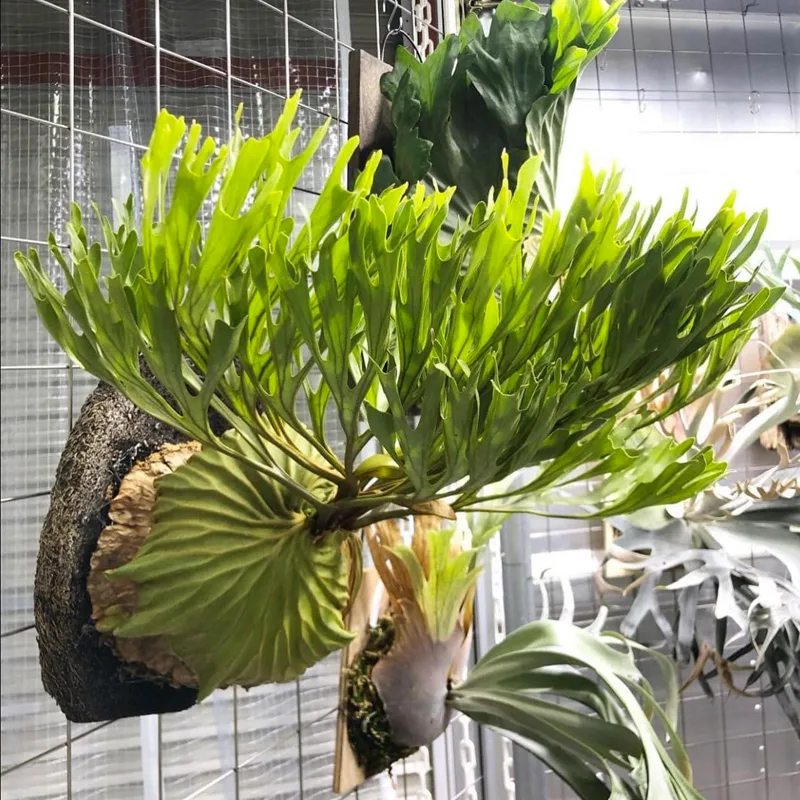
The world of botanical wonders offers few plants as captivating and visually striking as Platycerium willinckii, commonly known as the Java Staghorn Fern. This extraordinary plant is a true marvel, instantly transforming any space into a lush, tropical sanctuary with its dramatic form and elegant drape. Its unique fronds, reminiscent of a stag’s antlers, unfurl with an almost sculptural quality, making it a living piece of art that commands attention. Beyond its aesthetic appeal, the Java Staghorn is an epiphyte, meaning it naturally grows attached to trees or rocks in its native habitat, rather than rooting in soil. This inherent growth habit makes it an ideal candidate for mounting, allowing enthusiasts to create stunning vertical displays that turn ordinary walls into vibrant, living canvases.
Brief Overview of its Unique Appeal and Why it’s a Collector’s Favorite
The distinctive morphology of Platycerium willinckii, combined with its relatively manageable care requirements for an exotic plant, has cemented its status as a coveted specimen among both novice and seasoned plant enthusiasts. Its ability to purify indoor air further enhances its appeal, contributing to a healthier and more refreshing living environment. This fern is not merely a botanical specimen; it is a design element, a conversation starter, and a prized acquisition for those who appreciate botanical artistry. The significant market value and high demand for specific, rare cultivars underscore its desirability, driven by its unique visual characteristics and perceived exclusivity.
This comprehensive guide invites readers on an immersive “time-lapse” journey through the life cycle of Platycerium willinckii. From its humble beginnings as a microscopic spore to its full, majestic glory as a mature specimen, this exploration will delve into every facet of its cultivation. The aim is to provide a detailed, authoritative, and inspiring narrative, offering a personal and relatable perspective on nurturing this extraordinary botanical wonder.
II. The Journey of a Java Staghorn: A Time-Lapse Story (First-Person Narrative)
Setting the Scene: My First Spore Packet
It all began with a tiny packet of what looked like fine dust – Platycerium willinckii spores. Little did I know, this unassuming dust held the blueprint for a living sculpture that would soon transform my plant collection and my understanding of botanical patience. I’d always admired these magnificent ferns, but embarking on this journey from scratch felt like stepping into a secret garden, one spore at a time. The sheer duration of this process, stretching over years to achieve a sizable plant, truly underscores the virtue of patience in horticulture. It is a commitment that rewards the dedicated gardener with a profound connection to the natural world.
Chapter 1: A Spore’s Promise (Month 1-3)
The delicate beginning of a Java Staghorn from spores is a meticulous process, a true test of a gardener’s patience. These microscopic spores, essentially single cells, require precise conditions to awaken. Under ideal moist and sterile environments, they begin their transformation into tiny, delicate, heart-shaped structures known as prothallia or gametophytes. This initial, often unseen, stage can span from a few weeks to over six months, demanding constant vigilance and a gentle touch.
For what felt like an eternity – weeks, then months – it seemed nothing was happening. My sterile growing medium sat, seemingly inert. Then, a faint, almost imperceptible green mat appeared across the surface – the prothallia. These minuscule, heart-shaped thalli were the first true, thrilling sign of life, each one a potential fern, a testament to nature’s quiet persistence. It was a moment of profound connection, seeing life emerge from what was once just dust.
The fascinating biological transition from prothallia to sporophyte then begins. Within the prothallia, male sperm fertilize eggs, leading to the development of the sporophyte – the actual fern plant we recognize. This crucial stage, where the true fern form begins to emerge, can be a prolonged waiting game, sometimes taking years before a visible, recognizable plantlet fully develops. The time to maturity for a sizable fern grown from spores can indeed be up to 10 years.
The true magic, the moment the Platycerium identity became undeniable, began when tiny sporophytes, looking like miniature versions of the mature fern, started to emerge from the green mat. They were incredibly fragile, demanding the utmost care, but undeniably Platycerium, their nascent shield and fertile fronds hinting at the grandeur to come. It was a slow, deliberate unfolding, teaching me the deep satisfaction found in patient observation.
Chapter 2: The Young Antlers Emerge (Month 3-12)
As the sporophytes grew, the first distinct fronds appeared. The shield fronds, initially green and rounded, began to form, while tiny antler-like fertile fronds unfurled. It was a clear signal: my young fern was ready for its proper home – mounted on a piece of sustainably sourced wooden board with a generous cushion of sphagnum moss, just like it would cling to a tree in its native Java rainforest. This mounting process is crucial, mirroring the plant’s natural epiphytic growth habit and providing the necessary drainage and air circulation that it would experience in its arboreal environment.
Securing the little fern felt like a delicate surgery, ensuring the roots were nestled snugly in the moss. Consistent humidity was my top priority, a constant misting and a dedicated humidifier creating a mini-rainforest microclimate around them. This early period was all about encouraging those vital roots to take hold, to truly embrace their new home and begin establishing themselves on the mount.
As the months passed, the shield fronds began their natural, fascinating transformation. They started to brown and harden, a process that initially worried me until I learned it was a vital part of the fern’s life cycle. These browning shields weren’t dying; they were becoming the plant’s protective armor and its ingenious nutrient-gathering basket, a self-sustaining system mirroring its wild origins. This understanding of the shield fronds’ function—to protect the roots and collect organic detritus for nutrients—is paramount, as mistaking them for dead foliage and removing them can significantly harm the plant. This natural process highlights the plant’s remarkable adaptation for survival as an epiphyte, creating its own “compost” system.
Chapter 3: Maturing Majesty (Year 1-3)
By its first birthday, my P. Willinckii was truly coming into its own. The fertile fronds, once small and tentative, now stretched outwards, bifurcating gracefully, their undersides developing a silvery fuzz that shimmered in the light. Each new frond was a marvel, unfurling with a quiet strength, a testament to the consistent care it had received. This dense covering of fine white hairs on the underside of the fertile fronds is not just decorative; it serves as a natural protective layer, shielding the fronds from intense heat and minimizing water loss through transpiration, a clever adaptation to its tropical origins.
A year and a half in, a new surprise emerged: tiny pups forming at the base of the mother plant. This was a joyous sign of a truly happy, mature fern, signaling its readiness to propagate and expand its family. It felt like a reward for all the patience and effort invested. While
P. willinckii does produce pups, it does so less freely than its close relative, P. bifurcatum.
Through the seasons, I learned to listen intently to my fern’s subtle cues. More frequent watering and a gentle feed in spring and summer supported its vigorous growth, while in fall and winter, as its metabolism slowed, I reduced both, mimicking the natural rhythms of its tropical habitat. This seasonal adjustment is crucial for maintaining the plant’s health and preventing issues like overwatering during its dormant period.
Chapter 4: A Thriving Legacy (Year 3+)
Now, years later, my Java Staghorn is a magnificent specimen, a true focal point in my collection. Its fertile fronds cascade like green waterfalls, some reaching impressive lengths of several feet, a testament to years of consistent, thoughtful care. The shield fronds have formed a substantial, intricate ‘basket,’ a living repository of nutrients, demonstrating the full efficiency of its natural growth strategy.
The pups, once tiny and fragile, are now robust and ready to be separated and mounted onto their own boards. This allows me to propagate and share the beauty of this incredible fern with friends and fellow enthusiasts, ensuring its legacy continues. This process of division, while faster than growing from spores, still requires a healthy, mature plant, reinforcing the long-term commitment involved in cultivating these magnificent ferns.
Every new frond, every subtle shift in color or texture, tells a story of adaptation and resilience. My Java Staghorn isn’t just a plant; it’s a living, evolving masterpiece, a dynamic sculpture that continues to surprise and delight. Watching its time-lapse journey from a speck of spore to this grand specimen has been one of my greatest gardening joys, a constant reminder of nature’s enduring artistry. The journey from a single cell to a mature, thriving fern is a profound demonstration of nature’s patience and persistence, requiring a similar dedication from the gardener.
III. Deep Dive: Understanding Platycerium Willinckii
Taxonomy and Origin: Where it Comes From and its Place in the Fern Family
Platycerium willinckii belongs to the genus Platycerium, which encompasses approximately 18 fascinating fern species within the Polypodiaceae family. These ferns are widely recognized by their common names, “staghorn fern” or “elkhorn fern,” a direct reference to the distinctive, antler-like shape of their fronds.
Our featured species, Platycerium willinckii, is often specifically called the Java Staghorn, a name that clearly indicates its primary native habitat. Its natural range is concentrated in the tropical rainforests of Java and the Lesser Sunda Islands in Southeast Asia. In these regions, it flourishes predominantly within wet tropical biomes, which explains its preference for warm, humid environments in cultivation.
A fundamental aspect of Platycerium biology is their epiphytic nature. This means that in their natural environment, they grow attached to tree trunks or rocks, rather than rooting in soil. They derive essential nutrients from accumulated organic matter trapped in crevices and absorb moisture directly from the humid air, a crucial adaptation that dictates their unique care requirements when grown in homes or gardens.
The genus Platycerium boasts a remarkable evolutionary history, characterized by a pantropical intercontinental disjunction, meaning its species are found across widely separated tropical regions globally. While the precise ancestral origin has been a subject of scientific debate, recent plastid phylogenomics research strongly supports an ‘Out of Africa’ origin for the genus, with subsequent dispersal events leading to its current distribution across tropical Africa, Southeast Asia–Australasia, and the Neotropics. This broad distribution highlights the incredible adaptability and dispersal capabilities of these unique ferns.
Unique Characteristics: Detailed Description of Shield and Fertile Fronds
The striking appearance of Platycerium willinckii is defined by its two distinct types of fronds, each serving a specialized purpose:
Shield Fronds (Basal Fronds): These are the sterile, broad, shield- or kidney-shaped fronds that grow tightly against the mounting surface, forming a protective, overlapping base. Initially a dull green and somewhat succulent, they undergo a natural and vital transformation, turning papery tan to rich cinnamon-brown with age. This browning is not a sign of distress but a crucial part of the plant’s life cycle. These hardened fronds function as a natural “basket” or “compost” system, efficiently collecting rainwater, falling forest litter, and other organic detritus. This accumulated matter decomposes, providing essential nutrients for the plant’s roots. It is paramount to emphasize that these shield fronds should
not be removed, even when they appear brown or dry, as they are integral to the fern’s health and nutrient cycling. For
P. willinckii specifically, these shield fronds are noted for being very tall and may be deeply lobed, often decaying to leave a distinctive mesh of veins standing, which adds to their unique texture and visual appeal. This specialized structure is an ingenious adaptation for gathering resources in its native rainforest canopy, directly contributing to its self-sufficiency.
Fertile Fronds (Foliar Fronds): These are the more showy, green, antler-like fronds that elegantly jut out or hang from the rhizome. Their primary function is reproduction, as they bear the spores on their undersurface. For
P. willinckii, these fronds exhibit a unique growth pattern: they initially grow edgewise from the bud, then gradually turn horizontal and hang down, creating a graceful, flowing appearance. They can reach impressive lengths, with some reports indicating they can exceed six feet, and for related species like
P. coronarium, even up to 2 meters. They are typically long, slender, and frequently bifurcated, creating the characteristic “antler” appearance that gives the fern its common name. A distinguishing feature of
P. willinckii is that it often produces approximately 12 fertile fronds from the bud, a higher number compared to P. bifurcatum‘s typical 6, contributing to a fuller, more abundant display. These fronds also possess a denser covering of fine white hairs on their underside, which serves as a natural protective layer, shielding them from intense heat and minimizing water loss through transpiration. Furthermore, some
P. willinckii cultivars develop a unique characteristic where the ends of their fertile fronds form wide, flat groups of pointed, curved “fingers,” adding another layer of visual complexity and making them even more distinctive.
Table: Platycerium Willinckii vs. Platycerium Bifurcatum: Key Distinctions
Differentiating between Platycerium willinckii and its close relative, Platycerium bifurcatum, is a common challenge for enthusiasts, as they are often confused or misidentified. While both are popular staghorn ferns, several key morphological distinctions can help in accurate identification. Understanding these differences not only aids proper classification but also provides subtle clues to their care preferences, as their unique adaptations reflect their slightly different native environments. The following table highlights these crucial distinctions:
| Characteristic | Platycerium Willinckii | Platycerium Bifurcatum |
| Common Name | Java Staghorn | Elkhorn Fern, Common Staghorn |
| Native Habitat | Java and Lesser Sunda Islands, Southeast Asia | Australia (New South Wales, Queensland, Norfolk Island, Lord Howe Island) |
| Shield Fronds (Sterile) | Very tall, deeply lobed, quickly turn brown, often leaving a mesh of veins | Shallower lobes, generally more rounded or kidney-shaped |
| Fertile Frond Length | Can reach impressive lengths, sometimes exceeding six feet (up to 2 meters for related species) | Generally shorter |
| Fertile Frond Growth Habit | Grow edgewise from bud, then turn horizontal and hang down | Tend to be more upright or arching, with ends hanging down |
| Fertile Frond Hair Coverage | Denser covering of fine white hairs on underside | Less dense hair coverage |
| Number of Fertile Fronds (from bud) | Typically around 12 fertile fronds from the bud | Typically around 6 fertile fronds from the bud |
IV. Cultivating Your Java Staghorn: The Ultimate Care Guide
Cultivating Platycerium willinckii successfully involves understanding and mimicking its natural epiphytic habitat in tropical rainforests. This involves careful attention to light, water, humidity, and mounting techniques. The plant’s unique biology dictates specific care practices that, once understood, make its cultivation a rewarding experience.
Light Requirements: Mimicking its Natural Canopy Habitat
Platycerium willinckii thrives in bright, indirect light, much like the dappled sunlight it would receive filtered through the dense canopy of its native rainforests. Placing it near an east- or north-facing window is often ideal, as these locations provide ample brightness without the harsh intensity of direct midday sun. Direct sunlight can easily scorch its delicate fronds, leading to unsightly brown patches or a faded appearance. Conversely, insufficient light will lead to stunted growth, pale or yellowing fronds, and a general decline in the plant’s vigor. The plant’s overall health and the characteristics of its fronds are significantly influenced by the light levels it receives, highlighting the importance of finding the perfect balance.
Watering Wisdom: The Art of Soaking and Misting
Unlike typical potted plants, staghorn ferns absorb water through both their roots and their unique shield fronds. Therefore, the most effective watering method is to soak the entire root ball or mounting board in room-temperature water for 10 to 30 minutes. After soaking, it is crucial to allow the plant to drain completely before returning it to its display, preventing any waterlogging that could lead to root rot. This practice directly addresses the plant’s epiphytic nature, where roots are exposed to air and occasional rain, rather than sitting in consistently wet soil.
Watering frequency varies with environmental conditions and seasons. Generally, watering once a week during warmer, active growing months (spring and summer) is sufficient. During cooler, dormant seasons, this can be reduced to every 10-14 days. It is important to allow the growing medium to dry slightly between waterings to prevent root rot, a common issue resulting from overwatering. In fact, overwatering is one of the most frequent causes of problems for these ferns.
Beyond soaking, daily misting or spritzing of the fronds is highly beneficial, especially in drier indoor environments, as it helps maintain crucial humidity levels. However, it is important to avoid pouring water directly onto the leaves, particularly those with a soft white layer, as this protective coating, once lost, does not regenerate and leaves the plant more susceptible to issues.
For optimal health, the quality of water used is also a significant factor. Rainwater or distilled water is ideal, as these are free from the mineral buildup often found in tap water that can lead to long-term health issues like nutrient deficiencies or salt burn. If tap water must be used, allowing it to sit out overnight can help dissipate chlorine. Softened water should be avoided due to its high sodium content. This attention to water purity, though subtle, can make a substantial difference in the long-term vitality of the fern.
Humidity and Temperature: Creating the Ideal Tropical Microclimate
Java Staghorn Ferns are tropical plants that thrive in high humidity, ideally ranging from 60% to 80%. Dry air is a common culprit behind issues like brown tips or crispy fronds. To maintain adequate humidity, consider placing the plant in naturally humid areas like a bathroom or kitchen, using a room humidifier, or placing it on a pebble tray filled with water. Regular misting also contributes significantly to a happy fern.
Ideal temperatures for Platycerium willinckii range between 60-85°F (16-29°C). It is crucial to protect these ferns from cold drafts and temperatures consistently below 50-55°F (10-12.7°C), as prolonged exposure to cold can cause significant stress, shock, and irreversible damage. While they can tolerate brief periods of temperature fluctuations, sudden and extreme changes should be avoided.
Mounting and Media: Best Practices for Epiphytic Growth
Given their epiphytic nature, Platycerium willinckii thrives when mounted, mimicking its natural growth on tree trunks in the wild. Common mounting materials include wooden boards, tree bark, or wire/mesh baskets. To mount, the plant’s root ball should be carefully wrapped in sphagnum moss or coconut coir, then secured to the chosen surface using soft twine or fishing line. This method not only showcases the plant’s unique beauty but also provides the essential air circulation around the roots that is critical for preventing rot, a common issue when epiphytes are grown in unsuitable media.
While mounting is highly recommended, Platycerium willinckii can also be grown in pots, provided the correct potting medium is used. A very loose, well-draining, chunky mix is essential, such as orchid bark, sphagnum moss, or a blend of peat and fern fiber. Traditional potting soil should never be used, as it retains too much moisture and will inevitably lead to root rot, fundamentally clashing with the plant’s natural growth requirements. The choice of medium directly reflects the plant’s need for excellent drainage and aeration, a direct consequence of its evolutionary adaptation to life on tree branches.
Feeding for Flourish: Fertilization Tips for Robust Growth
Platycerium willinckii has moderate fertilizer requirements. During its active growing season (typically spring and summer), it benefits from monthly feeding with a balanced liquid fertilizer, such as a 20-20-20 or 10-10-10 formulation, diluted to half-strength. This supports vigorous frond development and overall plant health. As growth slows in fall and winter, fertilization should be reduced or stopped entirely.
Alternative feeding methods include using diluted fish emulsion or seaweed extract, which provide a balanced nutrient profile. Some growers also place potassium-rich banana peels within the fern’s nest fronds, though caution is advised as this can attract unwanted pests. It is crucial to avoid over-fertilizing, as this can lead to salt buildup in the growing medium, resulting in stunted growth, leaf drop, or even chemical burns on the fronds. Observing the plant’s response and adjusting feeding accordingly is key to its long-term vitality.
Table: Platycerium Willinckii Care Quick Reference
This quick reference table provides a concise overview of the essential care parameters for Platycerium willinckii, serving as a valuable tool for both new and experienced growers to ensure their Java Staghorn thrives.
| Category | Recommended Practice |
| Light | Bright, indirect light; avoid direct sun. East or North-facing windows are ideal. |
| Watering Frequency (Warm Months) | Once a week, or when medium dries slightly. |
| Watering Frequency (Cooler Months) | Every 10-14 days, or when medium dries slightly. |
| Watering Method | Soak entire root ball/mount in room-temp water for 10-30 minutes; allow to drain completely. Misting fronds daily is beneficial. |
| Humidity | High humidity, ideally 60-80%. |
| Temperature Range | Ideal: 60-85°F (16-29°C). Protect below 50-55°F (10-12.7°C). |
| Mounting Medium | Sphagnum moss or coconut coir on a wooden board/bark. If potted, use a chunky, well-draining mix (orchid bark, sphagnum). |
| Fertilization Frequency (Growing Season) | Monthly. |
| Fertilization Type | Balanced liquid fertilizer (e.g., 20-20-20), diluted to half-strength. |
V. Propagating Your Platycerium Willinckii: Expanding Your Collection
Expanding a Platycerium willinckii collection can be achieved through two primary methods: the patient art of spore propagation or the more immediate gratification of dividing pups from a mature plant. Each method offers a unique journey for the dedicated enthusiast.
From Spores: The Patient Path to New Life
Propagating Platycerium willinckii from spores is a testament to patience and a deeply rewarding experience. The process begins by carefully collecting spores from the undersides of fertile fronds once they turn brown and appear mature. These microscopic spores, essentially single cells, require a sterile growing environment to germinate. A common approach involves preparing a sterile medium, such as a mix of peat moss and perlite, and thinly sprinkling the collected spores over its surface. The container should then be covered to maintain consistently high humidity, which is crucial for successful germination.
The timeline for spore propagation is extensive, underscoring the long-term commitment involved. Spores typically germinate into tiny heart-shaped prothallia (gametophytes) within a few weeks to over six months. The subsequent transition from these prothallia to a recognizable sporophyte (the actual fern plant) and then to a sizable, mature fern can take anywhere from 5 to 10 years. This extended period highlights the profound dedication required for this method, transforming it into a true legacy project for the gardener. A notable characteristic of
P. willinckii spores is their green color, which indicates a shorter viability period compared to some other fern spores; however, they germinate quickly under very moist conditions, emphasizing the need for immediate and consistent humidity from the outset.
By Division (Pups): Sharing the Bounty of a Mature Plant
For those seeking a quicker expansion of their collection, propagation by division offers a more direct route. This method involves separating new plantlets, often referred to as “pups,” that emerge from the rhizome of a healthy, mature Platycerium willinckii. While
P. willinckii does produce pups, it typically does so less freely than its close relative, P. bifurcatum.
The best time to perform division is generally in springtime, when the plant is entering its active growth period. To divide, carefully lift the basal fronds to expose the root system. Identify a pup that has developed its own rhizome and both basal and fertile fronds, ensuring it has a viable root system for independent survival. Using a sharp, sterilized knife, gently cut the pup, along with its roots, away from the parent plant. Once separated, the pup’s roots should be wrapped in sphagnum moss or coconut coir and secured to a new mounting surface, just as a young plant would be established. The newly mounted pup should be kept in a warm, humid environment to encourage establishment and new growth. This method allows for the direct continuation of desirable genetic traits from the parent plant, making it a popular choice for sharing specific cultivars.
VI. Troubleshooting Common Java Staghorn Issues
While Platycerium willinckii is generally considered moderately easy to care for, like all living organisms, it can encounter specific challenges. Recognizing the symptoms early and understanding their underlying causes is crucial for maintaining a healthy and thriving fern. Most issues stem from environmental imbalances, making proactive care and observation key to prevention.
Identifying Problems: Brown Tips, Droopy Fronds, Stunted Growth
Observing changes in your fern’s fronds often provides the first clues to its health.
- Brown Frond Tips or Crispy Edges: These symptoms are commonly indicative of low humidity or excessive direct sunlight. The delicate fronds are sensitive to dry air and intense light, which can cause their edges to dry out and die back.
- Droopy or Wilting Fronds: A primary sign that the fern is not receiving enough water or is experiencing inconsistent moisture levels. While less common, severe wilting can also be a symptom of root rot caused by overwatering, as damaged roots cannot absorb water effectively.
- Yellowing Fronds: This can be a more complex symptom, potentially pointing to overwatering and poor drainage, nutrient deficiencies, consistently low humidity, or even the presence of pests. If yellowing appears specifically along the edges, it might signal issues with watering practices or light conditions.
- Stunted Growth or Pale Fronds: When new fronds are smaller than usual, or the overall plant appears light green and lacks vigor, it often indicates insufficient light or a lack of essential nutrients.
- Brown Spots or Patches: It is important to distinguish between normal, healthy browning of shield fronds (which should not be removed) and problematic brown spots. If brown spots are large, soft, fuzzy, or spreading, they could indicate fungal issues, often exacerbated by overwatering or poor airflow. The common misinterpretation of healthy browning as decay often leads to harmful pruning, depriving the plant of its vital nutrient-gathering and root-protecting structures.
Pests and Diseases: Common Culprits and Organic Solutions
Platycerium willinckii ferns are generally robust and not heavily prone to pest infestations. However, certain common houseplant pests can occasionally affect them:
- Pests: The most common culprits are mealybugs and scale insects, which can attach to the fronds and sap plant juices. Less frequently, spider mites and whiteflies may appear. Snails and slugs can also cause physical damage by feeding on the fronds.
- Treatment for Pests: For mealybugs and scale, treatment often involves dabbing them with a cotton swab soaked in rubbing alcohol, which dissolves their protective coating, or applying insecticidal soap or neem oil. Physically removing pests with a strong water spray or by gently scraping them off can also be effective. Neem oil is also recommended for spider mites. Ensuring good air circulation and proper humidity can naturally deter many pests.
- Diseases: The most common and serious diseases affecting staghorn ferns are typically fungal, often linked to improper watering and drainage.
- Root Rot, Stem Rot, and Leaf Rot: These are primarily caused by overwatering or poor drainage conditions, which create an ideal environment for pathogens to thrive. These conditions compromise the plant’s vascular system, hindering nutrient and water transport.
- Fungal Issues (e.g., Black Mold, White Blotch): These fungal diseases are characterized by discolored fronds or patchy spots and are often triggered by high humidity combined with poor ventilation.
- Treatment for Diseases: The primary approach involves improving drainage and increasing air circulation around the plant. Infected fronds and tissues should be promptly pruned and disposed of to limit disease spread. In severe cases, a suitable fungicide containing copper or mancozeb may be applied following label instructions. The majority of problems encountered with Platycerium willinckii are not due to inherent plant weakness but rather a consequence of environmental conditions that deviate from their natural preferences. Addressing these underlying environmental factors is more effective than merely treating symptoms.
Prevention is Key: Best Practices for a Healthy Fern
Proactive care is the best defense against common issues.
- Watering Practices: Maintain a consistent watering schedule, allowing the medium to dry slightly between waterings, and always ensure complete drainage after soaking.
- Environmental Control: Provide bright, indirect light and maintain high humidity levels (60-80%). Ensure good air circulation around the plant.
- Proper Medium and Mounting: Always use well-draining, chunky media for potted ferns or mount them correctly with sphagnum moss on a board.
- Hygiene: Use disinfected pruning tools to prevent the spread of pathogens between plants.
- Observational Care: Regularly inspect the fern for early signs of problems, such as changes in frond color, texture, or growth patterns, allowing for immediate corrective measures.
- Avoid Harmful Pruning: Never remove healthy, browning shield fronds, as they are vital to the plant’s health and nutrient intake.
Table: Common Platycerium Willinckii Issues & Solutions
This table provides a quick reference for common problems encountered when growing Platycerium willinckii, along with their likely causes and effective solutions.
| Problem | Likely Cause(s) | Solution(s) |
| Brown Frond Tips / Crispy Edges | Low humidity; Too much direct sun. | Increase humidity (misting, humidifier); Move to brighter indirect light. |
| Droopy / Wilting Fronds | Underwatering; Inconsistent moisture; Root rot (from overwatering). | Adjust watering frequency and thoroughness; Ensure proper drainage; Inspect roots for rot. |
| Yellowing Fronds | Overwatering / poor drainage; Nutrient deficiency; Low humidity; Pests. | Adjust watering; Fertilize appropriately; Increase humidity; Inspect for and treat pests. |
| Stunted Growth / Pale Fronds | Insufficient light; Nutrient deficiency. | Move to a brighter indirect light source; Fertilize monthly during growing season. |
| Root / Stem Rot | Overwatering; Poor drainage / aeration. | Improve drainage; Reduce watering frequency; Ensure good air circulation; Fungicide if severe. |
| Mealybugs / Scale Insects | Sap-sucking pests. | Treat with neem oil, insecticidal soap, or rubbing alcohol; Physically remove. |
VII. Beyond the Basics: Popular Platycerium Willinckii Cultivars
Exploring Diverse Forms: A Collector’s Delight
Beyond the standard species, Platycerium willinckii boasts a fascinating array of named cultivars, each showcasing unique aesthetic traits that make them highly desirable for collectors. These variations, whether naturally occurring or selectively bred, offer diverse forms, textures, and sizes, catering to the nuanced preferences of plant enthusiasts. The market for these specialized cultivars is vibrant, often commanding higher prices due to their distinctiveness and rarity. This rich diversity allows collectors to curate truly unique living art displays.
Here are some of the notable Platycerium willinckii cultivars that captivate enthusiasts:
- ‘Bacteria’: This compact, dwarf variety is celebrated for its miniature size and distinctively irregular, textured fronds. Its frond structure features a granular texture that resembles small bacterial formations, contributing to its unique, almost velvety appearance. ‘Bacteria’ develops a dense, lush growth habit, making it an ideal choice for smaller spaces or as a hanging plant where its delicate ornamental appearance can be appreciated.
- ‘Jade Girl’: A miniature dwarf cultivar, ‘Jade Girl’ is distinguished by its compact size and stunning, vibrant jade-green fronds with a remarkably smooth texture. This variety forms a dense, ornamental mound, adding a lush and refined touch to any collection. Its striking color provides a beautiful contrast to the more common silvery-green tones found in other P. willinckii forms.
- ‘Pedro Tatsuta’: Considered a rare and highly collectible fern, ‘Pedro Tatsuta’ is prized for its unique foliage and its ability to reach a medium size upon maturity. Its presence in high-value listings underscores its desirability among serious collectors, who seek out its distinctive characteristics.
- ‘Thousands of Arrows Fired’: This cultivar is known for its silverish-green fronds that are deeply lobed, creating a striking resemblance to horns or a multitude of arrows. It typically grows into a medium-sized, established plant, offering a dramatic visual impact.
- ‘Silver Phoenix’: A truly stunning variety, ‘Silver Phoenix’ features a captivating combination of light green and silvery hues across its fronds, giving it a unique, almost otherworldly appearance. This silvery sheen is often due to a dense covering of protective hairs, enhancing its visual appeal.
- ‘Jenny’ (or ‘Jenny No. 1’): This unique cultivar is specifically selected for its compact size, finely lobed fronds, and exceptional, dense growth habit. Described as an excellent grower, ‘Jenny’ develops elegant, arching fronds. While sometimes referred to as dwarf, “compact” is a more accurate description, indicating its manageable size without being excessively small.
- ‘Big Snow’: While direct detailed descriptions are less extensive, ‘Big Snow’ is recognized as a distinct sporeling cultivar and is frequently mentioned alongside other unique P. willinckii forms. Its name suggests a pronounced white hair or fuzz coverage, contributing to a “snowy” or highly silvery appearance, a sought-after trait in many Platycerium varieties.
- ‘OMG’: An exceptionally rare and highly sought-after variety, ‘OMG’ is known for its dramatic, deeply lobed fronds and a striking combination of light green and silvery hues. Its unique appearance often elicits exclamations of surprise and admiration from plant enthusiasts.
The existence of such a wide array of cultivars highlights the dynamic nature of the plant hobbyist community and the continuous horticultural selection for specific aesthetic preferences. While general care guidelines apply across the species, dedicated growers often observe subtle variations in the care requirements or tolerances of specific cultivars. For instance, some dwarf varieties might have slightly different humidity or watering needs to maintain their compact form. This encourages careful observation and adaptation of general care practices to the unique behavior of each individual plant, adding another layer of expertise to their cultivation.
Table: Notable Platycerium Willinckii Cultivars and Their Unique Traits
This table provides a concise overview of some of the most popular and distinctive Platycerium willinckii cultivars, highlighting the key characteristics that make each one a collector’s item.
| Cultivar Name | Key Characteristics |
| ‘Bacteria’ | Compact, miniature size; irregular, granular textured fronds resembling bacterial formations. |
| ‘Jade Girl’ | Miniature dwarf; vibrant jade-green, smooth-textured fronds. |
| ‘Pedro Tatsuta’ | Unique foliage; reaches medium mature size; highly rare and collectible. |
| ‘Thousands of Arrows Fired’ | Silverish-green, deeply lobed fronds resembling horns or arrows. |
| ‘Silver Phoenix’ | Striking combination of light green and silvery hues, giving an otherworldly appearance. |
| ‘Jenny’ | Compact size; finely lobed fronds; dense growth habit; elegant arching fronds. |
| ‘Big Snow’ | (Inferred) Likely characterized by pronounced white hair/fuzz, creating a “snowy” or highly silvery appearance. |
| ‘OMG’ | Exceptionally rare; dramatic, deeply lobed fronds; striking light green and silvery hues. |
VIII. Conclusion: A Living Work of Art
Cultivating Platycerium willinckii is more than just growing a plant; it is an immersive journey into the world of botanical artistry and adaptation. From the delicate germination of a microscopic spore to the majestic unfurling of its mature, antler-like fronds, the Java Staghorn offers a continuous spectacle of growth and resilience. The dedication required, particularly for those who embark on the long path from spore, fosters a deep appreciation for the intricate processes of nature and the patience it demands.
This magnificent fern not only enhances indoor spaces with its sculptural beauty and air-purifying qualities but also serves as a constant reminder of the ingenuity of the plant kingdom. Understanding its unique epiphytic nature, the functional significance of its distinct fronds, and the subtle nuances of its care transforms the act of gardening into a truly informed and rewarding endeavor. Whether one chooses a classic species or a rare, captivating cultivar, the
Platycerium willinckii promises to be a living work of art, continually evolving and inspiring. Embark on your own Java Staghorn journey, and discover the profound satisfaction of nurturing these extraordinary living sculptures.

If i die, water my plants!