I. Introduction: The Regal Allure of Caladium ‘White Queen’
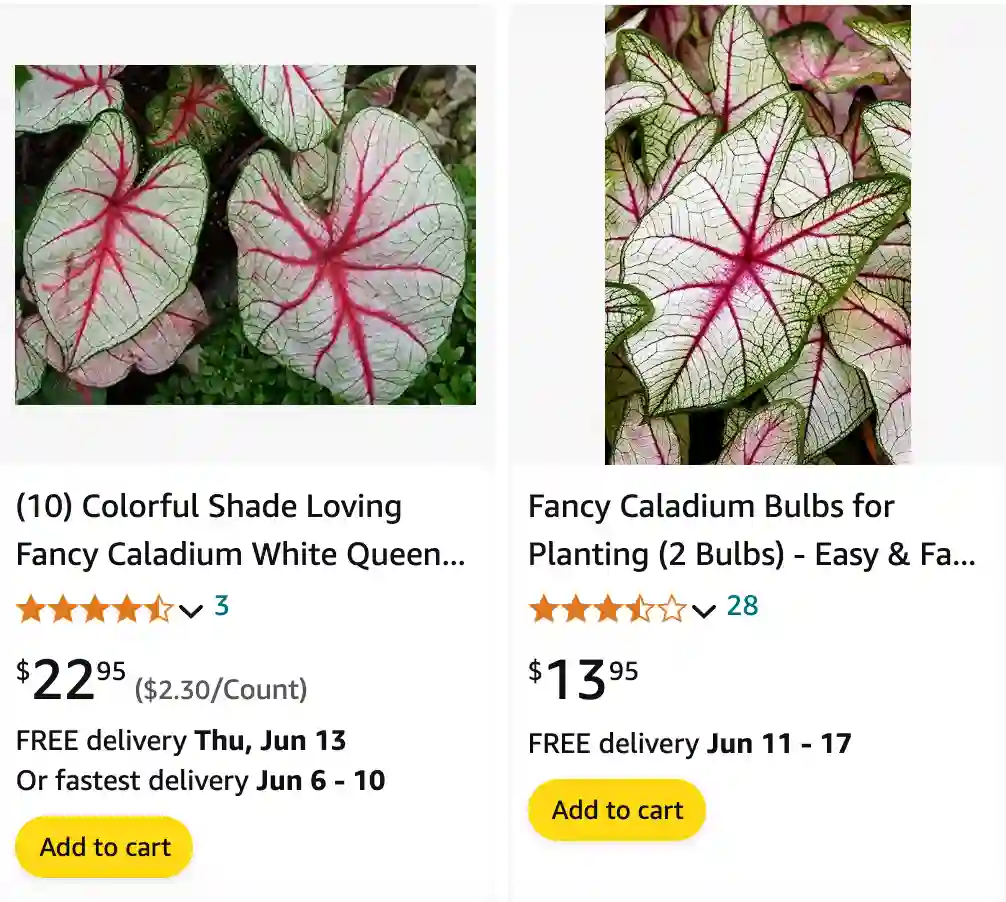
The Caladium ‘White Queen’ stands as a testament to nature’s artistry, captivating gardeners and plant enthusiasts with its breathtaking foliage. Unlike many ornamental plants prized for their blooms, the ‘White Queen’ commands attention through its stunning leaves, which offer a year-round spectacle of color and texture. Its large, heart-shaped leaves are a canvas of icy white, intricately veined with vibrant red, and elegantly edged with green, creating a dramatic contrast that brightens even the most shaded corners of a garden or indoor space. This tuberous perennial is a versatile addition, equally at home as a striking ground cover, a vibrant component in mixed container plantings, or a charming houseplant, effortlessly infusing a touch of tropical elegance wherever it resides.
This comprehensive guide delves deep into the world of Caladium ‘White Queen’, offering not only detailed botanical information and expert care instructions but also a unique, personal narrative. Readers will embark on a twelve-month time-lapse journey, experiencing the plant’s life cycle through the eyes of a dedicated gardener. This approach aims to make sophisticated horticultural knowledge accessible and inspiring, transforming the cultivation of this magnificent plant into a rewarding and engaging endeavor. By understanding its specific needs and natural rhythms, gardeners can unlock the full potential of their ‘White Queen’, ensuring a continuous display of its regal beauty.
II. Unveiling the ‘White Queen’: Botanical Profile & Characteristics
The Caladium ‘White Queen’ is a distinguished member of the plant kingdom, renowned for its ornamental value and unique growth patterns. Understanding its botanical background and physical attributes is fundamental to successful cultivation.
Botanical Classification
Caladium ‘White Queen’ holds its place within the Araceae family, a diverse group of flowering plants often characterized by their distinctive spathe and spadix inflorescences. Within this family, it belongs to the genus Caladium. Specifically, ‘White Queen’ is a cultivated variety, or cultivar, derived from the species
Caladium bicolor, which is native to the lush, tropical regions of Central and South America. This lineage explains its preference for warm, humid environments. Over time, this plant has garnered several affectionate common names, including “Angel Wings” due to the graceful shape of its leaves, “Heart of Jesus” reflecting its prominent heart-shaped foliage, and sometimes “Elephant Ear,” although it is important to distinguish it from other plants also bearing the “Elephant Ear” moniker, such as
Alocasia, Colocasia, and Xanthosoma, which belong to different genera within the same family.
Physical Description
The defining feature of Caladium ‘White Queen’ is undoubtedly its foliage. It is classified as a “fancy-leafed” caladium, a category known for its large, broad, and typically heart-shaped leaves. These leaves are a striking spectacle of
coloration: predominantly icy white, they are dramatically accented by prominent, bright red veins that appear to “bleed” across the leaf surface, and are neatly framed by thin green margins. Interestingly, new leaves often emerge with a delicate pink hue, gradually fading to a purer white as they mature, at which point the red veining becomes even more defined.
In terms of size, a mature Caladium ‘White Queen’ typically reaches a height of 18 to 24 inches (approximately 45 to 60 centimeters) and can spread 16 to 24 inches wide. While the plant does produce
flowers, these are generally inconspicuous and calla-type, appearing in summer but often hidden by the voluminous foliage. Many cultivators choose to remove these floral spikes, known as spathes, as soon as they appear. This practice redirects the plant’s energy away from seed production and towards the development of more vibrant and larger leaves, which are the plant’s primary ornamental appeal.
Growth Habit & Life Cycle
Caladium ‘White Queen’ is a tuberous perennial, meaning it grows from an underground storage organ called a tuber. In its native tropical habitats, and in warmer USDA Hardiness Zones (9-12), these tubers can remain in the ground year-round, allowing the plant to return annually. However, it is fundamentally a
seasonal plant, even in tropical climates. It undergoes a natural period of seasonal dormancy during autumn and winter. As day lengths shorten and temperatures cool, the foliage will naturally begin to wilt and die back. This dormancy is not a sign of distress but a crucial part of its life cycle, allowing the tuber to rest and store energy for robust regeneration in the following spring.
Hardiness & Uses
The hardiness of Caladium ‘White Queen’ varies depending on climate. It is officially suited for USDA Hardiness Zones 3-10 when grown as an annual, requiring the tubers to be lifted and stored indoors in colder regions before the first frost. In milder climates, specifically
Zones 9-12, the tubers can often be left in the ground to overwinter.
Its striking appearance makes it highly adaptable for various suggested uses. It excels in shaded garden beds and borders, providing a dramatic splash of color where flowering plants might struggle. Its compact growth habit, especially when multiple tubers are planted together, also makes it ideal for mixed container plantings, window boxes, and hanging baskets. Furthermore, it makes an excellent indoor houseplant, bringing its tropical charm into homes. An added benefit for outdoor gardeners is its natural
resistance to deer and rabbits, making it a reliable choice in areas where these animals might otherwise pose a challenge to plant health.
The classification of ‘White Queen’ as a “fancy-leafed” caladium carries specific implications for cultivation. While this type is known for its large, heart-shaped leaves, a common assumption that larger bulbs will always yield larger individual leaves requires clarification. Information suggests that larger bulbs, particularly jumbo sizes, tend to produce a fuller plant with a greater number of leaves overall, rather than simply increasing the size of each individual leaf. This understanding helps gardeners make informed choices when purchasing tubers, aligning their selection with their desired plant density rather than solely focusing on individual leaf dimensions. For instance, if the goal is a dense, bushy container display, a larger bulb is beneficial, as it will contribute to a more abundant foliage mass.
Another interesting aspect of ‘White Queen’ is its described “sun tolerance”. While many sources emphasize its preference for partial to full shade to prevent leaf scorch, its ability to withstand more direct light than other shade-loving caladiums is notable. This adaptability, however, comes with a caveat: if exposed to too much sun, particularly intense afternoon rays, the delicate leaves can develop brown blotches, a phenomenon often referred to as “melting”. This means that “sun tolerance” for ‘White Queen’ is not an invitation for full, unmitigated sun exposure, but rather an indication that it can endure brighter conditions if carefully managed. Cultivators in sunnier spots must be prepared to provide increased watering and consider morning sun exposure only, acknowledging that pushing this limit may alter the plant’s appearance, potentially leading to brighter colors but possibly smaller leaves. This trade-off highlights the importance of balancing light exposure with diligent care to maintain the plant’s health and aesthetic appeal.
III. The Gardener’s Time-Lapse: My Year with Caladium ‘White Queen’
As a dedicated gardener, my journey with the Caladium ‘White Queen’ is a year-long narrative of anticipation, nurturing, and seasonal transformation. It’s a dance with nature, guided by the plant’s inherent rhythms and my careful observations.
Spring Awakening (Month 1-2: March/April – May/June): Planting Hope
The arrival of spring fills me with a particular excitement, knowing it’s time to welcome the ‘White Queen’ back into my garden. My anticipation builds as I handle the tubers, noting their knobby top, which indicates the “eyes” or growing points, and their smoother, rounded bottom. The most crucial step is timing. I’ve learned that patience is paramount; planting outdoors too early can stunt growth or even prevent emergence altogether. I wait until the air temperatures are consistently at least 60°F (15°C) and, more importantly, the soil temperature reaches a steady 65-70°F (18-21°C). For those in cooler climates, a head start indoors, about 4-6 weeks before the last frost, can significantly benefit the plant’s development.
The planting ritual itself is simple yet precise. I bury the bulbs about 1.5 to 2 inches deep, or sometimes up to 3 inches for larger tubers, ensuring the “eyes” face upwards. Spacing is flexible; about 8-12 inches apart allows for good air circulation, but for a denser, more immediate impact, I might plant them as close as 5 inches apart. After placement, a generous watering ensures the soil is moist, but I’m careful to avoid saturation, as soggy conditions can lead to rot.
Then comes the test of patience. It can take anywhere from 3 to 8 weeks for the first signs of life to emerge, depending on how warm the conditions are. The warmer the air and ground, the faster these tropical beauties sprout. The moment the first delicate leaves unfurl, often with a surprising pinkish hue before transitioning to their characteristic icy white, is always a moment of pure joy.
Summer Splendor (Month 3-6: June – September): The Queen Reigns Supreme
Summer is when the ‘White Queen’ truly comes into its own, entering a period of explosive growth. This is when its tropical origins demand warm, humid conditions to thrive. My careful placement in part shade ensures the leaves develop their most vibrant colors without the risk of scorching from direct, intense sunlight. I’ve observed that a touch of morning sun can indeed enhance the variegation, making the white even more brilliant and the red veins pop, but I remain vigilant for any signs of “melting” or browning edges.
Consistent moisture is non-negotiable during these active months. The soil must remain moist but never waterlogged. I check the soil daily for container plants, watering whenever the top inch feels dry, and for garden beds, I rely on regular watering, often daily during peak heat, and a generous layer of mulch to conserve moisture. Watering in the early morning is my preferred method, especially for any plants receiving more sun, to prevent leaf burn.
To sustain such vigorous growth, the ‘White Queen’ benefits from regular feeding. I apply a diluted liquid fertilizer or a slow-release granular product monthly, from April through September. It’s important to remember that caladiums are not heavy feeders, so a balanced approach is best, avoiding contact with the leaves when using liquid feeds. High humidity is another critical factor, especially for indoor plants. I achieve this through frequent misting with filtered water or by placing pots on pebble trays filled with water, which slowly evaporates and increases ambient humidity.
While the flowers are insignificant, I make a point to remove any calla-type blooms that appear. This redirects the plant’s energy from reproduction back into producing more of its magnificent foliage, ensuring a denser and more impactful display.
Autumn’s Gentle Fade (Month 7-9: October – November): Preparing for Rest
As autumn progresses and the days visibly shorten, I begin to observe the first signs of my ‘White Queen’ preparing for its natural dormancy. The vibrant foliage, once so robust, starts to wilt and yellow, signaling the approaching period of rest. This is a natural and healthy part of its life cycle.
My watering routine gradually shifts. I begin to reduce the frequency of watering as the leaves die back, effectively signaling to the plant that it’s time to prepare for its winter slumber. For those of us in colder climates (USDA Zones 3-8), this is the time to lift the precious tubers from the ground before the first hard frost hits. After carefully digging them up, I allow them to air dry for about a week in a well-ventilated area. For container-grown plants, I simply move them indoors and cease watering once the foliage has naturally died back.
Winter’s Rest (Month 10-12: December – February): Dreaming of Spring
Winter is the ‘White Queen’s’ time for deep rest. The dried tubers are carefully stored in a cool, dark, dry, and well-ventilated place, ensuring it remains frost-free. Ideal temperatures for storage are above 55°F (13°C), with a range of 50-60°F (10-15°C) being optimal. I often keep them nestled in peat moss or wrapped in newspaper to maintain a stable environment and prevent dehydration or rot. During this period, no watering is required. I periodically inspect the stored tubers for any signs of rot or damage, discarding any that appear unhealthy to prevent issues from spreading. This long wait is essential; the tubers need at least 8 weeks of rest before they are ready to produce new foliage again.
Cycle Renewed: The Promise of New Growth
As the days lengthen and the first hints of warmth return, my excitement is renewed. I begin to prepare the tubers for replanting, anticipating another season of vibrant foliage. This cyclical journey, from dormant tuber to magnificent display and back to rest, is a continuous source of delight and a profound connection to the natural world.
The intricate relationship between temperature, dormancy, and growth rate in Caladium ‘White Queen’ is a fascinating aspect of its cultivation. The plant’s internal biological clock dictates its growth duration, which is why precise timing for planting is so important. For instance, planting too early, before air temperatures consistently reach 60°F (15°C) and soil temperatures hit 65-70°F (18-21°C), can lead to stunted growth or even prevent the tubers from emerging altogether. This is not merely a delay; it can significantly impact the plant’s overall vitality and the lushness of its display throughout the growing season. Furthermore, the conditions during dormancy are equally critical. Storing tubers outside the optimal range—below 60°F (16°C) or above 90°F (32°C)—can cause subtle but impactful damage, leading to stunted or erratic growth in the subsequent season, even if the tuber appears healthy. This underscores that successful overwintering is not just about survival, but about ensuring the tuber retains its full vigor for the next growth cycle, emphasizing the need for meticulous environmental control from planting through dormancy.
A more advanced cultivation technique, known as “de-eyeing,” offers a way to manipulate the plant’s growth habit for specific aesthetic outcomes. This involves carefully destroying the dominant central bud on larger tubers. The observation is that while larger bulbs naturally produce a fuller plant with more leaves, de-eyeing redirects the plant’s energy from that single dominant sprout to stimulate the growth of smaller, lateral buds. The consequence is a plant that is slightly shorter and produces more, but individually smaller, leaves. This technique provides a strategic option for gardeners who prioritize a denser, bushier appearance over maximizing the size of individual leaves. For example, a gardener aiming for a lush, compact container plant might choose to de-eye, whereas one desiring a few exceptionally large, dramatic leaves would avoid it. This demonstrates how understanding the plant’s physiological responses allows for tailored cultivation practices to achieve desired visual effects.
Table: Caladium ‘White Queen’ Annual Care Timeline
| Season/Month | Growth Stage | Key Care Actions | Temperature Guidelines |
| Spring (March-May) | Planting & Emergence | Plant tubers 1.5-2″ deep (eyes up), 5-12″ apart. Water generously. | Air: consistently >60°F (15°C). Soil: consistently >65-70°F (18-21°C). Optimal growing: 70-78°F (21-26°C). |
| Summer (June-August) | Active Growth & Peak | Maintain consistently moist (not soggy) soil. Water daily in heat/sun. Fertilize monthly (diluted liquid/slow-release). Mist for humidity. Remove flowers. | Optimal growing: 70-78°F (21-26°C). Avoid direct afternoon sun to prevent scorch. |
| Autumn (Sept-Nov) | Dormancy Preparation | Gradually reduce watering as foliage yellows/wilts. For zones 3-8, dig tubers before first frost; air dry for ~1 week. For containers, move indoors as foliage dies back. | Begin preparing for dormancy as temperatures drop. |
| Winter (Dec-Feb) | Dormancy | Store dried tubers in cool, dark, dry, well-ventilated, frost-free place (in peat moss/newspaper). No watering. Periodically check for rot. | Storage: >55°F (13°C), ideally 50-60°F (10-15°C). Tubers need at least 8 weeks of rest. |
IV. Cultivating Perfection: A Comprehensive Care Guide for ‘White Queen’
Achieving the full splendor of Caladium ‘White Queen’ requires a nuanced approach to its environmental needs. While often considered low-maintenance, providing optimal conditions ensures its vibrant display.
Light Requirements: The Shade-Loving Paradox
The Caladium ‘White Queen’ flourishes best in partial shade to full shade, typically thriving with 4 to 6 hours of indirect sunlight or even less. This preference stems from its natural habitat on the forest floor, where it receives dappled light filtered through the canopy. However, the ‘White Queen’ exhibits a notable degree of sun tolerance compared to many other caladium varieties. This means it can endure somewhat brighter conditions, but direct, intense sunlight, especially the harsh afternoon sun, can be detrimental. Such exposure can lead to the delicate leaves developing brown blotches, a condition often referred to as “melting”.
For cultivators, this presents a critical consideration: while the plant may survive in brighter spots, its optimal color vibrancy is often achieved in bright, indirect light or with exposure to only gentle morning sun. If the leaves appear dull or less colorful than expected, a slight increase in filtered light might be beneficial. For ‘White Queen’ grown as a houseplant, positioning it near a window that provides bright, indirect light, away from any direct sunbeams that could scorch its foliage, is ideal. This careful balance of light is key to unlocking and maintaining the plant’s characteristic brilliant white and red coloration.
Soil & Planting: The Foundation of Growth
The foundation for a thriving Caladium ‘White Queen’ lies in its soil and planting environment. This plant prefers humusy, rich, moist, and well-drained soil. Good drainage is paramount, as waterlogged conditions are a primary cause of tuber rot. For optimal growth, a recommended soil mix for container planting includes houseplant potting soil combined with amendments like heather soil, perlite, sphagnum moss, or compressed coconut fiber. These additions enhance drainage and aeration while retaining necessary moisture. The preferred
pH preference for the soil is slightly acidic, ranging from 6.1 to 6.5, to neutral, between 6.6 and 7.3.
For gardeners contending with heavy clay soils, it is strongly advised to cultivate ‘White Queen’ in containers or raised beds. This allows for greater control over soil composition and ensures the necessary drainage that heavy clay naturally impedes. When planting the tubers, they should be placed approximately 1.5 to 2 inches deep, though some sources suggest 2 to 3 inches, always ensuring the “eyes” or knobby growing points face upwards. Spacing between tubers should be about 8 to 12 inches, or as close as 5 inches for a denser, more immediate display. After planting, applying a layer of
mulch around the plant helps to retain soil moisture, regulate soil temperature, and suppress weed growth, contributing to a healthier environment for the emerging foliage.
Watering Wisdom: Consistent Moisture, Not Soggy Feet
Proper watering is a critical component of ‘White Queen’ care, demanding a delicate balance. These plants thrive in consistently moist soil, but they are highly susceptible to root rot if the soil becomes waterlogged. After initial planting, a generous watering is essential to settle the soil around the tuber. During periods of active growth, especially in warmer conditions or when plants receive more sun, daily watering may be necessary. The general guideline is to check the soil frequently and water when the top inch feels dry to the touch.
The best time to water caladiums, particularly those exposed to more sun, is in the early morning. This allows the foliage to dry before the intense heat of the day, helping to prevent sunburn and fungal issues. As autumn approaches and the plant prepares for
dormancy, watering frequency should be gradually reduced once the foliage begins to wilt, stopping completely during the winter dormancy period. Furthermore, attention to
water quality can be beneficial; using non-calcareous water, such as rainwater or filtered water, for misting foliage helps prevent unsightly white spots from mineral deposits. It is also important to ensure that
water temperatures are 60°F (15°C) or warmer, as cold water can significantly delay the plant’s development and cause stress.
Temperature & Heat: Tropical Comfort
As tropical natives, Caladium ‘White Queen’ plants are profoundly responsive to temperature and heat. Their most active and vigorous growth occurs during the warmest parts of the season, underscoring their love for warmth. When planting tubers outdoors, it is imperative to wait until
air temperatures are consistently at least 60°F (15°C) and, crucially, the soil temperature has reached a minimum of 65°F (18°C). Planting too early, when conditions are too cool, can stunt their growth or even cause them to cease growing entirely.
Optimal growing temperatures for Caladiums generally range from 70-78°F (21-26°C). These warm conditions are essential for robust foliage development and overall plant health. During
winter storage, when the plant is dormant, tubers must be kept in a dry, dark, well-ventilated, and frost-free location. The ideal storage temperature should be above 55°F (13°C), with a range of 50-60°F (10-15°C) often recommended for best results. Protecting tubers from freezing temperatures is vital for their survival and successful re-emergence in the spring.
Fertilization Finesse: Nourishing, Not Overwhelming
When it comes to fertilization, Caladium ‘White Queen’ is considered a relatively low feeder compared to many other ornamental plants. This means they do not require heavy or constant fertilization. The recommended schedule involves applying a balanced, slow-release fertilizer at the time of planting. Subsequently, during their active growth period, typically from April to September, a monthly application of a diluted liquid fertilizer is beneficial. Some sources suggest feeding every 2-3 weeks , or using a balanced blend like 6-6-6 or 20-20-20 at concentrations of 50-100 PPM nitrogen (constant) or 300 PPM nitrogen (weekly).
When applying liquid fertilizer, care should be taken to avoid contact with the leaves to prevent potential burn. The critical point is to nourish the plant consistently but moderately. Over-fertilization can lead to issues such as leaf edge burn or other problems, while insufficient nutrients may result in reduced leaf size. Therefore, the goal is not to “force” growth with high doses, but to provide steady, moderate nutrients that support the development of large, vibrant leaves and robust tubers for the subsequent growing season. This balanced approach ensures optimal plant health without causing stress. As autumn approaches and the plant prepares for dormancy,
fertilization should cease to avoid disrupting its natural resting cycle.
Pruning & Maintenance: Shaping for Success
Pruning and general maintenance for Caladium ‘White Queen’ are relatively minimal but contribute significantly to the plant’s health and aesthetic appeal. While primarily grown for its foliage, the plant does produce insignificant calla-type flowers, or spathes. It is a common practice to remove these as they appear. This action redirects the plant’s energy away from flower and seed production and channels it entirely into developing more robust and vibrant leaves, which are the plant’s main ornamental feature.
Beyond flower removal, the primary pruning involves addressing dead or diseased leaves. Yellowing, withered, or damaged foliage should be trimmed away at its base. This not only improves the plant’s appearance but also enhances air circulation around the plant, which is crucial for preventing fungal infections and the spread of diseases. It is important to use clean, sharp, and sterilized tools for any cuts to avoid introducing pathogens. Generally, extensive trimming back of healthy leaves is not necessary for ‘White Queen’, and over-pruning can actually stress the plant. For potted specimens,
repotting every couple of years or when the plant appears overcrowded provides fresh soil and ample space for continued growth. Additionally,
rotating indoor plants periodically ensures even growth on all sides, preventing them from becoming leggy or one-sided as they stretch towards a light source.
The consistent observation across various issues, from failure to emerge to leaf browning and reduced size, points to a “Goldilocks” principle in the care of Caladium ‘White Queen’. The plant thrives when conditions are just right—neither too much nor too little of any critical factor like water, sun, or fertilizer. For instance, both underwatering (leading to wilting) and overwatering (causing root rot) can result in yellowing leaves. Similarly, too much sun scorches the leaves, while too little can dull their vibrant colors. This highlights that successful cultivation is not about rigid adherence to schedules, but about keen observation and responsive fine-tuning of environmental factors. Gardeners must learn to interpret the plant’s cues, using symptoms as diagnostic tools to correct imbalances effectively.
Furthermore, while Caladium ‘White Queen’ is generally considered disease and pest-resistant, most problems that do arise are a direct consequence of improper cultural care. For example, bacterial leaf spot can be largely prevented by ensuring good spacing, ample air circulation, and keeping the foliage dry. This means that proactive environmental management, rather than reactive chemical treatments, is the most effective strategy for maintaining plant health. By mastering light, water, soil, and temperature, cultivators can largely prevent common issues, making the ‘White Queen’ genuinely low-maintenance when its fundamental needs are consistently met. This empowers gardeners by demonstrating that control over the plant’s well-being largely rests in their hands through diligent cultural practices.
V. ‘White Queen’ vs. Its Cousins: A Comparative Look at Caladium Varieties
The world of caladiums is rich with diversity, offering a spectrum of colors, patterns, and leaf shapes. Understanding how ‘White Queen’ compares to other popular varieties helps gardeners make informed choices for their specific design needs and growing conditions.
Fancy-Leaf vs. Strap-Leaf Caladiums
Caladiums are broadly categorized into two main leaf types, each with distinct characteristics:
- Fancy-Leaf Caladiums: These are characterized by their large, broad, and typically heart-shaped or semi-heart-shaped leaves. They are borne on longer petioles, leading to a taller plant habit, often reaching 12 to 30 inches in height. Caladium ‘White Queen’ falls squarely into this category, known for its expansive, dramatic foliage.
- Strap-Leaf (Lance-Leaf) Caladiums: In contrast, these varieties feature shorter, narrower leaves with ruffled edges, carried on shorter petioles. This results in a more compact plant, usually less than 12 inches tall. Strap-leaf types often produce more leaves per tuber and tend to exhibit slightly greater cold tolerance than their fancy-leaf counterparts.
Recent horticultural advancements have also introduced newer varieties, such as those in Proven Winners’ Heart to Heart™ line, which have been specifically bred for thicker leaves. This genetic enhancement makes them more resistant to tearing and often more tolerant of direct sun exposure, expanding their versatility in various garden settings.
Caladium ‘White Queen’ vs. ‘Candidum’
When comparing ‘White Queen’ with other white-leafed caladiums, ‘Candidum’ frequently emerges as a point of reference:
- Caladium ‘White Queen’: This variety is celebrated for its large, heart-shaped leaves that are predominantly icy white, featuring prominent, “bleeding” bright red veins and distinct green margins. It is also noted for its sun tolerance, meaning it can handle more direct light than some other caladiums, provided adequate moisture.
- Caladium ‘Candidum’: Also a tuberous perennial with heart-shaped leaves, ‘Candidum’ is described as being larger than ‘White Christmas’, capable of reaching up to 60 centimeters in all directions. Its distinguishing characteristic lies in its thin, almost transparent white leaves, which are veined with dark green, notably lacking the prominent red veins seen in ‘White Queen’. ‘Candidum’ is considered a demanding plant, requiring high humidity and light but explicitly shunning direct sunlight, and is particularly sensitive to cold and drafts.
The primary distinction between these two white-leafed beauties lies in their veining color and prominence. ‘White Queen’ offers a bold statement with its striking red veins, while ‘Candidum’ provides a more subtle, ethereal white leaf with delicate dark green venation.
Caladium ‘White Queen’ vs. ‘Moonlight’
Another common comparison for ‘White Queen’ is with ‘Moonlight’, both being popular white caladiums:
- Caladium ‘White Queen’: As noted, it is a sun-tolerant variety with large white leaves, green margins, and distinctive bright red veining.
- Caladium ‘Moonlight’: This is a fancy-leaf white caladium that also exhibits sun tolerance. Its key characteristic is its very delicate green veins on a white background, offering a softer aesthetic compared to ‘White Queen’s’ bold red.
The choice between ‘White Queen’ and ‘Moonlight’ often comes down to the gardener’s preference for accent color. Both provide brilliant white foliage and can handle brighter spots, but ‘White Queen’ introduces a strong red element, whereas ‘Moonlight’ maintains a more subdued green veining.
Other White Caladiums Mentioned
The range of white caladiums extends beyond these direct comparisons, offering even more choices. Varieties such as ‘White Christmas’ are noted for their darker, more prominent green veins , distinguishing them from the more transparent veining of ‘Candidum’. Other notable white cultivars include ‘Aaron’ , ‘White Cap’ (characterized by its white and green coloration and sun tolerance) , ‘White Ruffles’ (a lance-leaf white and sun-tolerant type) , and ‘White Dynasty’ (also a sun-tolerant variety). This wide selection allows gardeners to find the perfect white caladium to complement their specific landscape or indoor aesthetic.
The strategic value of “white” caladiums, including ‘White Queen’, for landscape design is a significant consideration. These plants are uniquely effective at illuminating dim, shaded areas, where their white foliage “practically glows”. They are particularly adept at “brightening the dark and shaded areas” and “adding a beam of brightness where it’s otherwise just green and dark”. This goes beyond mere aesthetic preference; it means white caladiums serve a critical functional role in enhancing garden visibility and the perceived light levels in challenging, low-light environments. They can transform a drab, shadowed corner into a focal point, making them a valuable tool for any landscape designer or home gardener looking to maximize the impact of their planting schemes.
A crucial understanding for cultivators is the direct link between cultivar-specific sun tolerance and increased watering demands. While ‘White Queen’ and several other varieties like ‘Moonlight’, ‘Aaron’, ‘Carolyn Whorton’, and ‘Fire Chief’ are identified as “sun tolerant,” this capability comes with a specific maintenance requirement. It is explicitly stated that “when growing sun-tolerant varieties in the south, remember that they will require more water”. This establishes a clear cause-and-effect relationship: more sun necessitates more water. For gardeners, this means selecting a sun-tolerant variety for brighter spots is not a “plant and forget” solution. Instead, it requires a commitment to more frequent and diligent irrigation to prevent plant stress and leaf damage. This understanding is vital for making informed planting decisions, balancing the desire for brighter locations with the practical capacity to provide the necessary increased hydration.
Table: Popular White Caladium Varieties Comparison
| Variety Name | Leaf Type | Primary Colors (Pattern/Veining) | Mature Height (in/cm) | Sun Tolerance | Key Distinguishing Feature |
| White Queen | Fancy-Leaf | Icy white with bright red “bleeding” veins, green margins. New leaves may emerge pink. | 18-24″ (45-60) | Sun Tolerant | Prominent, vivid red veining; can emerge pink and fade to white. |
| Candidum | Fancy-Leaf | Thin, almost transparent white leaves with dark green veins. | Up to 24″ (60) | Partial Shade | Almost transparent white leaves with subtle dark green veins. Demanding. |
| Moonlight | Fancy-Leaf | White with very delicate green veins. | 18-24″ (45-60) | Sun Tolerant | Delicate green veining on white leaves, softer aesthetic. |
| White Christmas | Fancy-Leaf | Snow-white leaves with distinctive deep green veins. | 18-24″ (45-60) | Shade | Darker, more prominent green veins than ‘Candidum’. |
| Aaron | Fancy-Leaf | White with green margins and dark green veins. | 18-24″ (45-60) | Sun Tolerant | Classic white with green, sun-tolerant. |
| White Cap | Fancy-Leaf | White and green. | 18-24″ (45-60) | Sun Tolerant | White and green coloration, noted for sun tolerance. |
| White Ruffles | Strap-Leaf | White, ruffled edges. | <12″ (<30) | Sun Tolerant | Compact strap-leaf type with ruffled white foliage. |
| White Dynasty | Fancy-Leaf | White. | 18-24″ (45-60) | Sun Tolerant | A sun-tolerant white variety. |
VI. Troubleshooting & Thriving: Common Caladium ‘White Queen’ Problems and Solutions
Even with diligent care, gardeners may encounter challenges with their Caladium ‘White Queen’. Recognizing common problems and understanding their solutions is key to maintaining a healthy and vibrant plant. Most issues often stem from environmental imbalances rather than inherent plant weaknesses.
Failure to Emerge from Tubers
One of the most disheartening problems is when planted tubers simply do not sprout.
- Causes: This can be attributed to several factors, including planting too deeply (the ideal depth is 1.5-2 inches, or 2-3 inches for larger tubers) , soil temperature being too low (below 65°F/18°C) , insufficient moisture in the initial weeks, or incorrect bulb orientation (the knobby “eye” side must face upwards). Tubers stored improperly (e.g., too cold or too hot) can also be pre-damaged, leading to poor emergence.
- Solutions: Ensure precise planting depth and correct orientation of the tuber. Crucially, wait for consistent warm air temperatures (at least 60°F/15°C) and soil temperatures (65°F/18°C) before planting outdoors. Maintain consistently moist, but not soggy, soil after planting to encourage root development.
Leaf Edge Burn or Browning (“Melting”)
The appearance of brown, scorched edges on the leaves, often referred to as “melting,” indicates stress.
- Causes: The primary culprits are too much direct sun exposure, especially intense afternoon sun. Other contributing factors include inadequate moisture, low humidity, or over-fertilization.
- Solutions: If grown outdoors, move the plant to a shadier spot, particularly one that receives only morning sun or filtered light. Increase watering frequency, especially for plants in brighter locations, ensuring the soil remains consistently moist. Boost humidity around the plant through regular misting or by placing pots on pebble trays filled with water. Finally, review and adjust the fertilization schedule to prevent over-feeding, which can chemically burn the delicate leaf margins.
Reduced Leaf Size
When ‘White Queen’ leaves are notably smaller than their potential 18-inch length, it signals an underlying issue.
- Causes: This is often due to insufficient nutrients during the active growing season, planting tubers too early (leading to cold damage that diminishes subsequent growth), or root restriction from a container that is too small for the plant’s root system.
- Solutions: Apply a balanced liquid fertilizer every 2-3 weeks during active growth to ensure adequate nutrition. Confirm that planting occurred when temperatures were consistently warm enough to avoid initial growth stunting. If the plant is container-bound, repot it into a larger container to allow ample room for root and foliage expansion, which will encourage larger leaves.
Leaves Yellowing or Wilting
Yellowing or wilting foliage is a common symptom that can point to a few different causes.
- Causes: The most frequent cause is improper moisture levels, encompassing both underwatering (soil becoming too dry) and overwatering (soggy soil leading to root rot). Other factors can include low humidity or exposure to drying winds.
- Solutions: Regularly check the soil moisture and water when the top inch feels dry. Ensure that all containers have adequate drainage holes and use a well-aerated potting mix to prevent waterlogging. Improving air circulation around the plant and grouping plants together can help increase localized humidity through transpiration. Adjust watering practices if drainage issues are observed or if the plant is exposed to excessively drying conditions.
Foliage Stunted and Distorted
Distorted or stunted foliage can be a sign of pest activity or disease.
- Causes: This is typically caused by insect pests such as spider mites, aphids, or thrips, which feed by piercing leaf tissues. Various fungal or bacterial leaf spots, like Xanthomonas, can also lead to distorted growth.
- Solutions: Implement a routine of regular inspection, examining both the upper and lower surfaces of leaves and along stems for any signs of pests. Mild infestations can often be treated effectively with insecticidal soap. For bacterial leaf spot, focus on cultural controls: ensure good plant spacing to improve air circulation and keep the foliage dry, as moisture promotes bacterial spread. If a plant is severely infected, isolating it can prevent the spread of issues to other plants.
Common Diseases (Root Rot)
Root rot is a serious condition that can quickly lead to plant decline.
- Causes: The most common diseases affecting Caladiums are Fusarium and Pythium, both fungal pathogens that manifest as root rot. These are almost always a direct result of overwatering and poor drainage, which create anaerobic conditions favorable for fungal proliferation.
- Solutions: Prevention is the best approach. Ensure the plant is in well-drained soil and avoid overwatering at all costs. Fungicides, such as Medallion or Subdue, can be applied as a drench 1-2 weeks after planting as a preventative measure, particularly in areas prone to these issues.
The recurring pattern across all common problems with Caladium ‘White Queen’ highlights a crucial principle: the plant thrives on a precise equilibrium of environmental factors. It is not about extremes, but about achieving conditions that are just right—a “Goldilocks” approach to care. For instance, too much water leads to root rot, but too little causes wilting. Similarly, excessive sun scorches the leaves, yet insufficient light dulls their color. This underscores that successful cultivation demands keen observation and a responsive approach to the plant’s cues. Gardeners must interpret symptoms as direct feedback from the plant, indicating an imbalance that needs correction, rather than adhering to rigid, unyielding care schedules.
Furthermore, the general resistance of ‘White Queen’ to many pests and diseases, coupled with the observation that most issues stem from improper care, points to the paramount importance of cultural practices as primary disease prevention. For example, while pruning might seem purely aesthetic, removing diseased or withered leaves directly improves air circulation, thereby reducing the risk of fungal infections. This demonstrates a direct causal link where seemingly small maintenance tasks have significant positive effects on the plant’s overall vigor and resilience. By proactively managing light, water, soil, and temperature, gardeners can largely prevent common problems, making the ‘White Queen’ a truly low-maintenance plant when its fundamental needs are consistently met. This empowers cultivators by showing them that control over the plant’s well-being is largely within their grasp through diligent and informed practices.
Table: Caladium ‘White Queen’ Common Problems & Solutions
| Problem | Symptoms | Likely Causes | Solution |
| Failure to Emerge | Tubers do not sprout leaves after planting. | Planted too deeply (or too shallow), soil too cold (<65°F/18°C), insufficient moisture, incorrect bulb orientation (eyes down). | Ensure proper depth (1.5-3″) and orientation (eyes up). Wait for warm soil/air temps. Maintain consistent moisture. |
| Leaf Edge Burn / Browning (“Melting”) | Brown, scorched edges or blotches on leaves. | Too much direct sun (especially afternoon), inadequate moisture, low humidity, over-fertilization. | Move to shadier spot. Increase watering. Boost humidity (misting/pebble trays). Adjust fertilizer. |
| Reduced Leaf Size | Leaves are smaller than expected (e.g., <18″). | Insufficient nutrients, planting tubers too early (cold damage), root restriction (undersized pot). | Apply balanced liquid fertilizer regularly. Plant when temps are appropriate. Repot to larger container. |
| Yellowing / Wilting Leaves | Foliage turns yellow, wilts, or droops. | Improper moisture (under- or overwatering), low humidity, drying winds. | Check soil frequently; water when top inch is dry. Ensure drainage. Increase humidity. Improve air circulation. |
| Foliage Stunted / Distorted | Leaves appear malformed, stunted, or have unusual patterns. | Insect pests (spider mites, aphids, thrips), fungal/bacterial leaf spots (e.g., Xanthomonas). | Inspect for pests; treat with insecticidal soap. Ensure good air circulation; keep foliage dry. Isolate infected plants. |
| Root Rot | Plant wilts, collapses; tubers become soft/mushy. | Fusarium/Pythium fungi, primarily due to overwatering and poor drainage. | Ensure well-drained soil. Avoid overwatering. Consider preventative fungicide drench after planting. |
VII. Expanding Your Collection: Propagation Methods for Caladium ‘White Queen’
Propagating Caladium ‘White Queen’ allows gardeners to expand their collection, replenish plants, or share the beauty of this foliage with others. The most common and accessible method is tuber division, while seed propagation offers a more advanced, specialized approach.
Tuber Division: The Simplest Path
Tuber division stands as the easiest and quickest way to propagate caladiums, making it a popular choice for home gardeners. This method leverages the plant’s natural growth from underground tubers. The
timing for tuber division is crucial: it is best performed in late winter or early spring, just before the tubers are potted up for the new growing season. This ensures the tubers are still dormant but ready to awaken with new growth.
The process involves several straightforward steps:
- Carefully lift the tubers from their winter storage.
- Inspect each tuber for health, noting any soft spots or signs of decay. Any unhealthy sections should be cleanly cut out with a sharp, sterilized knife to prevent the spread of disease.
- The healthy tuber is then cut into pieces. Each section must contain at least one “eye” or growing knob, which is where new foliage will emerge.
- After cutting, it is vital to allow the cut pieces to “heal” or callous over. This involves letting them air dry for a few days to a week. This drying period forms a protective layer over the cut surfaces, significantly reducing the risk of rot once planted.
- Finally, the calloused tuber pieces are planted with the “eye” facing upwards, following the standard planting instructions for ‘White Queen’.
The outcome of tuber division is generally successful, with new shoots sprouting relatively quickly, especially in warm climates. It is worth noting that smaller tuber sections may initially produce smaller leaves, but the plant will grow and fill out over time. This method effectively multiplies existing plants, transforming a single purchase into a renewable resource for garden expansion.
Seed Propagation: For the Adventurous Hybridizer
While tuber division is straightforward, seed propagation is a significantly more complex and time-consuming method. It is primarily undertaken by enthusiasts or professionals who are looking to hybridize caladiums, aiming to create new varieties with unique characteristics.
The main challenge in seed propagation lies in the plant’s unique biology: caladiums are protogynous. This means their female floral parts become receptive to pollen before their male parts shed pollen, making self-pollination impossible. Therefore,
cross-pollination between different flowers (or even different plants) is required. The process involves identifying the receptive female parts, carefully collecting pollen from the male parts of another flower, and then meticulously applying it. Success is typically indicated by the appearance of dark rings around the developing fruit within about a week of successful pollination. This intricate process underscores why tuber division remains the preferred method for most home gardeners.
The ease of propagation through tuber division for Caladium ‘White Queen’ offers a significant advantage for gardeners. The fact that a single, healthy tuber can be divided to produce multiple new plants for the subsequent season means that cultivators can effectively “multiply” their existing stock without needing to purchase new bulbs annually. This capability transforms the plant from a one-time purchase into a renewable resource, which is particularly beneficial for expanding displays, filling new garden spaces, or sharing with fellow enthusiasts. This not only represents an economic benefit by reducing recurring costs but also fosters a more sustainable gardening practice, allowing gardeners to perpetuate their favorite varieties year after year.
VIII. Safety First: Understanding Caladium Toxicity
While the Caladium ‘White Queen’ is undeniably beautiful, it is crucial for all gardeners to be aware of its inherent toxicity. Like other varieties within the Caladium bicolor species, all parts of the ‘White Queen’ plant contain insoluble calcium oxalate crystals, which render them poisonous if ingested.
Symptoms of Ingestion
Ingestion of any part of the Caladium ‘White Queen’ can lead to a range of unpleasant and potentially harmful symptoms:
- For humans: Symptoms typically include an immediate burning sensation in the mouth and throat, followed by swelling of the lips, mouth, and tongue. Nausea, vomiting, and diarrhea may also occur.
- For pets (dogs, cats, horses, and other mammals): The effects can be similar, presenting as excessive drooling, pawing at the mouth or face, oral pain, decreased appetite, and vomiting. In rare but severe cases, swelling of the upper airway can occur, making breathing difficult.
Handling Precautions
Beyond ingestion, direct contact with the plant’s sap can also cause issues. The sap, containing the same irritating calcium oxalate crystals, may lead to skin irritation upon contact. Therefore, it is strongly advised to
always wear gloves and other protective equipment when handling the plant, particularly during activities such as pruning, repotting, or dividing tubers, to minimize skin exposure.
Placement Considerations
Given its toxicity, careful placement considerations are paramount for the safety of household members and pets. It is essential to keep Caladium ‘White Queen’ away from pets and children who might be tempted to chew on the leaves or stems. This might involve placing container plants on high shelves, in enclosed garden areas, or selecting alternative plants for areas frequented by curious hands or paws.
The striking beauty of Caladium ‘White Queen’ is its primary allure, yet its inherent toxicity presents a critical counterpoint that demands responsible cultivation. This highlights a significant responsibility for gardeners: the enjoyment of this visually stunning plant must be balanced with a proactive and diligent approach to safety. It is not sufficient to merely be aware of the plant’s poisonous nature; active preventative measures are essential. This includes strategic placement to keep the plant out of reach of vulnerable individuals and animals, consistent use of protective gear during handling, and educating all household members about the potential risks. This transforms the simple act of choosing a plant into a broader household safety decision, underscoring that responsible gardening encompasses both aesthetic appeal and the well-being of those sharing the environment.
IX. Conclusion: The Enduring Charm of Your ‘White Queen’
The Caladium ‘White Queen’ stands as an unparalleled choice for adding dramatic flair and vibrant color to any shaded garden, patio container, or indoor living space. Its unique, heart-shaped leaves, painted with brilliant whites, bleeding reds, and deep green margins, offer a visual spectacle that rivals the most flamboyant flowering plants. This tuberous perennial, with its distinct fancy-leaf form, truly lives up to its regal name, providing a continuous display of elegance throughout its active growing season.
While the ‘White Queen’ has specific requirements, such as a preference for warmth, high humidity, and consistently moist (but not soggy) soil, it is remarkably low-maintenance once these fundamental conditions are met. Its natural dormancy cycle, a period of essential rest, adds to its charm, creating a rhythm of anticipation and renewal for the dedicated gardener. The journey from dormant tuber to lush foliage, as experienced through a year-long time-lapse, is a testament to its resilience and the rewarding nature of its cultivation.
By understanding its botanical nuances, providing balanced care, and proactively addressing potential environmental imbalances, gardeners can ensure their ‘White Queen’ thrives. Its ability to brighten dark corners, its relative resistance to pests when properly cared for, and the ease of its propagation through tuber division further solidify its status as a highly desirable plant. Embracing the cyclical nature of its growth, from its spring awakening to its summer splendor and winter slumber, promises a continuous source of delight. Cultivating Caladium ‘White Queen’ is more than just growing a plant; it is an invitation to transform any space into a vibrant, tropical haven, a truly regal display that captivates and inspires season after season.

If i die, water my plants!