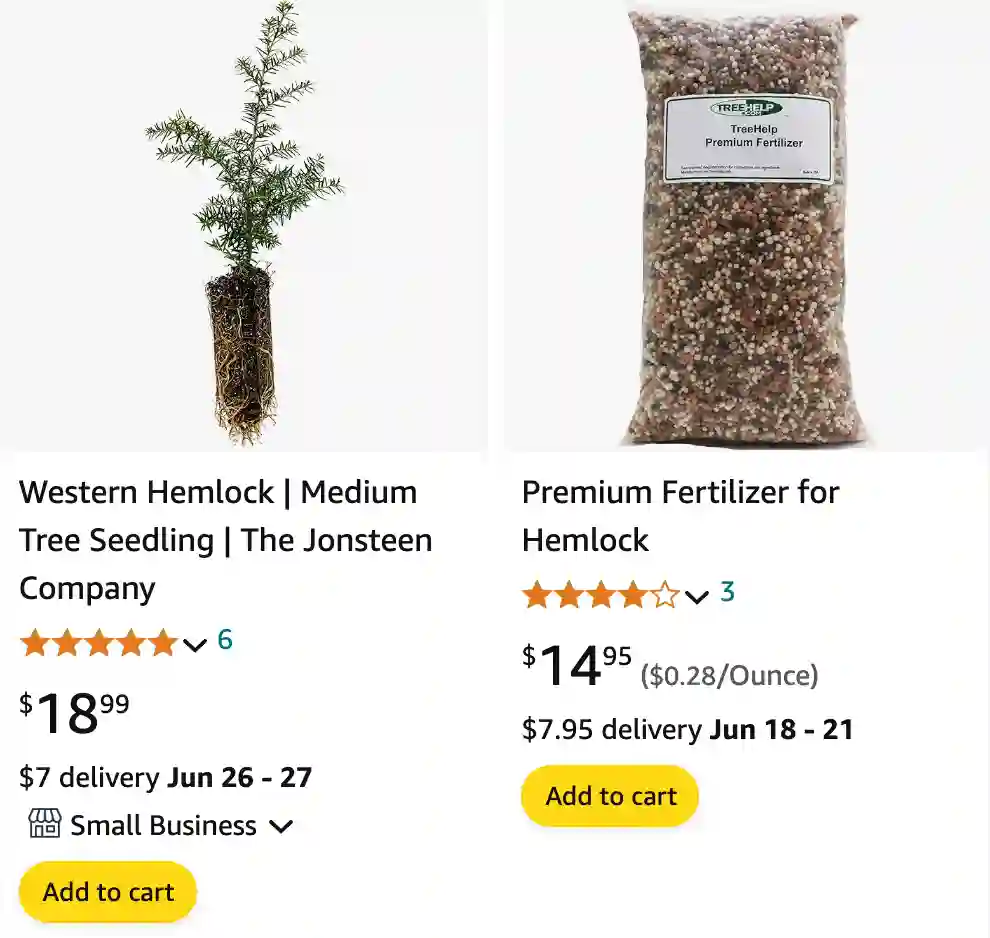
What is a Hemlock Tree?
The wind whispers through the branches of the hemlock, a soft sigh that carries the scent of pine needles and damp earth. I’ve always been drawn to these majestic trees, their stoic presence a comforting constant in a world of change. The genus Tsuga, commonly known as hemlock, encompasses a group of coniferous evergreens that have captivated me with their understated beauty and ecological significance.
What Does a Hemlock Tree Look Like?
Hemlock trees are typically tall and slender, reaching heights of 60 to 100 feet (18 to 30 meters) at maturity. Their bark is thin, reddish-brown on young trees, maturing to a grayish-brown with shallow fissures.
The most distinctive feature is their foliage. Hemlock needles are soft, flat, and blunt-tipped, arranged in flattened sprays along the branches. They come in various shades of green, with lighter undersides. In spring, small, inconspicuous cones emerge, maturing to a brown color and releasing tiny winged seeds in the fall.
A Diverse Family of Evergreens
Hemlocks are members of the Pinaceae family, closely related to pines, firs, and spruces. They are distinguished by their graceful, drooping branches, feathery foliage, and small, woody cones. Though often associated with North America, Tsuga species can also be found in eastern and central Asia. Here are:
- Eastern Hemlock (Tsuga canadensis): Perhaps the most well-known species, the Eastern Hemlock graces the forests of eastern North America. Its dense foliage provides critical habitat for a variety of wildlife, and its wood has been historically valued for construction and pulpwood.
- Western Hemlock (Tsuga heterophylla): A giant of the Pacific Northwest, the Western Hemlock can reach towering heights, dominating the old-growth forests. Its strong, durable wood is prized in the timber industry.
- Mountain Hemlock (Tsuga mertensiana): This hardy species thrives in the high-altitude regions of western North America. Its ability to withstand harsh conditions makes it a symbol of resilience. Plant FAQs: Tsuga Mertensiana – Mountain Hemlock
- Southern Japanese Hemlock (Tsuga sieboldii): Native to Japan, this species is known for its ornamental beauty and is often cultivated in gardens and parks.
- Himalayan Hemlock (Tsuga dumosa): Found in the Himalayan mountains, this species plays a crucial role in the region’s ecosystem, providing habitat and watershed protection.
- Tsuga caroliniana Engelm.
- Tsuga chinensis (Franch.) Pritz.
- Tsuga diversifolia (Maxim.) Mast.
- Tsuga forrestii Downie
- Tsuga × jeffreyi (A.Henry) A.Henry
- Tsuga ulleungensis G.P.Holman, Del Tredici, Havill, N.S.Lee & C.S.Campb.
Hemlock vs. Spruce: A Lookalike Challenge
Hemlock trees can be easily confused with spruces (Picea spp.). Here’s a quick tip to tell them apart:
- Hemlock needles: Soft, flat, and blunt-tipped, arranged in flattened sprays.
- Spruce needles: Pointed and stiff, arranged all around the twig.
Different Hemlock Species, Different Looks
There are several Hemlock species, each with slight variations in appearance. For instance, Eastern Hemlock (Tsuga canadensis) has drooping branches, while Mountain Hemlock (Tsuga mertensiana) has a more compact, conical shape.
Is Hemlock Hardwood or Softwood?
Hemlock is a softwood tree. Softwoods are coniferous trees with needles and single-lobed seed cones. Their wood is generally lighter and easier to work with compared to hardwoods.
Is Hemlock Good Firewood?
Hemlock can be used as firewood, but it’s not the best choice. Here’s why:
- Low BTU content: Hemlock burns relatively quickly and doesn’t produce as much heat as denser hardwoods like oak or maple.
- Sparks readily: Hemlock throws sparks easily, which can be a fire hazard, especially near flammable materials.
If you have access to other firewood options, it’s best to choose a wood that burns hotter and produces fewer sparks.
Is Hemlock Rot Resistant?
Hemlock has moderate rot resistance. The wood is naturally resistant to some decay fungi but can succumb to rot in prolonged damp conditions. To maximize the lifespan of hemlock lumber, proper treatment with sealants or preservatives is recommended.
How to Care for Hemlock Trees?
Hemlock trees are relatively low-maintenance. Here are some key points for proper care:
- Planting: Choose a location with moist, well-drained soil and partial shade. Hemlocks struggle in hot, dry climates.
- Watering: Water regularly during the first few years after planting, especially during dry spells. Once established, they are relatively drought-tolerant.
- Pruning: Prune lightly to maintain shape and remove dead or diseased branches. Avoid heavy pruning, as hemlocks don’t readily produce new growth from old wood.
- Pests and diseases: Hemlock Woolly Aphid (HWA) is a serious threat to hemlocks. Watch for signs of infestation, such as white, cottony sap on the underside of needles. Early intervention with insecticidal soap or horticultural oil sprays can help control the population.
By following these simple tips, you can ensure your Hemlock trees thrive for years to come.
How to Propagate Hemlock Trees?
Hemlocks can be propagated through seed or cuttings, but both methods require some expertise and patience.
What to Plant with Hemlock Trees?
Hemlocks pair well with other shade-loving plants like ferns, hostas, and rhododendrons.
Is Hemlock Mulch Safe for Dogs?
Hemlock needles themselves are not toxic to dogs. However, the cones can cause digestive upset if ingested. It’s always best to err on the side of caution and choose a different type of mulch for areas frequented by pets.
Where to Buy Hemlock Trees Near Me?
Hemlock trees may not be readily available at all nurseries. Here are some options to explore:
- Local nurseries: Start by calling your local nurseries and garden centers. If they don’t carry Hemlocks, they might be able to special order one for you.
- Online retailers: Several online retailers specialize in selling native plants and trees. Look for reputable sellers who offer healthy, well-established Hemlocks.
- Forestry organizations: Check with your local forestry department or organizations dedicated to native plant conservation. They might have information on Hemlock tree sales or reforestation programs.
Can You Burn Hemlock?
Yes, you can burn Hemlock, but as mentioned earlier, it’s not the most ideal firewood. Consider these alternatives:
- Hardwoods: Oak, maple, and hickory are all excellent choices for firewood, burning hotter and longer than Hemlock.
- Seasoned softwoods: If using softwood, ensure it’s properly seasoned (dried for at least 6 months) to improve burning efficiency.
How Fast Do Hemlock Trees Grow?
Hemlock trees are considered slow-growing. They typically grow only 12 to 18 inches (30 to 45 centimeters) per year in height. However, this slow growth translates to exceptional longevity. Hemlock trees can live for hundreds, even thousands of years, with some specimens exceeding 800 years old.
Is Hemlock Mulch Safe for Dogs?
Hemlock needles themselves are not considered toxic to dogs. However, caution is still advised for a couple of reasons:
- Choking hazard: Hemlock needles can pose a choking hazard, especially for smaller dogs.
- Digestive upset: The cones produced by Hemlock trees can cause stomach upset if ingested by dogs.
If you have dogs that frequent your yard, it’s best to choose a different type of mulch, such as shredded bark or wood chips.
Is Hemlock Wood Expensive?
The cost of Hemlock lumber can vary depending on several factors, including:
- Location: Hemlock is more readily available in some regions than others, which can affect the price.
- Wood grade: Higher quality, clear Hemlock lumber will be more expensive than knotty or lower-grade options.
- Demand: Increased demand for Hemlock can drive up the price.
In general, Hemlock is a moderately priced wood, often more affordable than hardwoods like oak or maple. However, it’s always a good idea to compare prices from different lumberyards before making a purchase.
I hope this comprehensive guide has answered all your questions about Hemlock trees. These majestic evergreens can be a beautiful addition to your landscape, providing shade, habitat for wildlife, and a touch of timeless elegance.
A Personal Connection
My fascination with hemlocks stems from a childhood spent exploring the forests of the Pacific Northwest. I remember gazing up at the towering Western Hemlocks, their trunks disappearing into the canopy above. The air was always cool and damp beneath their shade, and the forest floor was a tapestry of ferns and mosses.
Even today, the sight of a hemlock evokes a sense of tranquility and wonder. Their resilience in the face of adversity, their quiet strength, and their contribution to the natural world serve as an inspiration. As I continue to learn about these remarkable trees, I am reminded of the interconnectedness of all living things and the importance of preserving the delicate balance of nature.
The hemlock stands tall, a testament to the enduring power of the natural world. It is a symbol of resilience, beauty, and the intricate web of life that connects us all.

If i die, water my plants!