When I first laid eyes on a Spring Snow Crabapple Tree (Malus ‘Spring Snow’), I was hooked. Its cloud-like white blossoms in spring, the upright oval form, and the fact that it doesn’t produce messy fruit made it a no-brainer for my landscape. But, like with any plant, there are questions and challenges that arise. After several years of growing and observing this tree, I’ve gathered some frequently asked questions and personal insights that I’d like to share—particularly for those considering adding it to their yards.
43 Species in Genus Malus – Crabapple
Spring Snow Crabapple Tree Pros and Cons
Let’s start with the most common question: What are the pros and cons of the Spring Snow Crabapple Tree?
Pros:
- No fruit mess – Unlike most crabapples, Spring Snow is fruitless. This means no fallen crabapples littering your lawn or attracting pests.
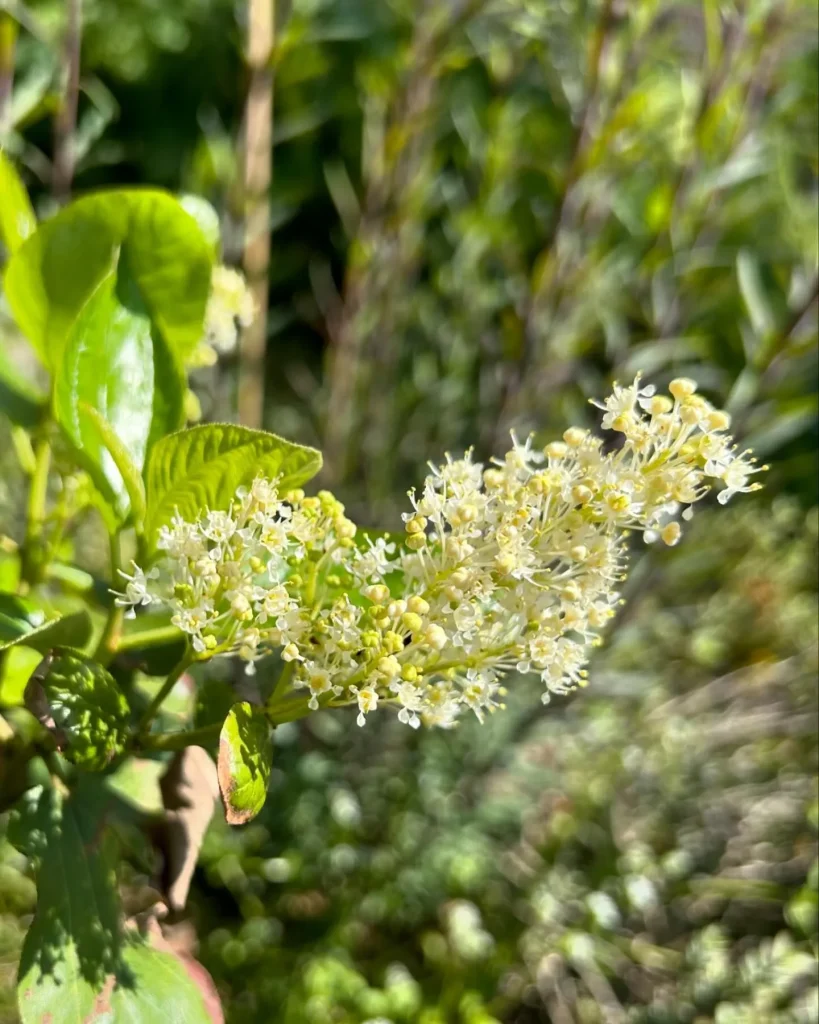
- Spectacular blooms – The tree explodes in white, fragrant blossoms each spring, making it a stunning focal point.
- Compact size – At maturity, it typically reaches about 20-25 feet tall and wide, making it ideal for smaller yards.
- Symmetrical shape – It naturally grows in an upright, oval form without much pruning needed.
- Urban tolerance – It handles urban conditions fairly well, including moderate pollution and compacted soil.
Cons:
- Disease susceptibility – It is vulnerable to apple scab, fire blight, and rust if not maintained properly.
- Moderate lifespan – Compared to some hardwoods, the lifespan is relatively short—often 20-30 years.
- Limited fall color – While some crabapples blaze in reds and oranges, Spring Snow has a modest yellow fall color.
- Weak branch structure – Without careful pruning early on, it can suffer from limb breakage under snow or wind stress.
How Fast Do Spring Snow Crabapple Trees Grow?
In my experience, Spring Snow Crabapple Trees grow at a moderate rate, typically adding about 12–18 inches per year. Within 5 to 7 years, you can expect your tree to reach a visually impactful height. Good soil, ample sun, and consistent watering will help maximize that growth rate. Mine hit around 15 feet tall in just under 6 years, thanks to proper spacing and maintenance.
How to Plant a Spring Snow Crabapple Tree?
Planting one is simple but requires care. Here’s how to plant a Spring Snow Crabapple Tree:
- Choose the right location – Full sun is non-negotiable. These trees require at least 6 hours of sunlight daily to thrive and bloom fully.
- Mind the soil – Well-drained soil is crucial. While adaptable, I found mine did best in slightly acidic loam.
- Dig the hole – Make it 2–3 times wider than the root ball, but not deeper.
- Backfill carefully – After placing the tree, backfill with native soil, not compost-heavy mixes. Water thoroughly.
- Mulch & stake – Apply a 2–3 inch mulch layer to retain moisture. I staked mine for the first year to protect against wind until roots established.
Pro tip: Fall or early spring is the best time to plant. I prefer early spring for this cultivar—it responds well to cool temperatures and establishes quickly.
Spring Snow Crabapple Tree Problems
Spring Snow Crabapple Tree problems can be minimized with proactive care, but here’s what to watch out for:
- Apple scab – A fungal disease that causes early leaf drop. I treat mine with a fungicide in early spring and maintain good airflow between branches.
- Fire blight – This bacterial infection can blacken branches. I prune infected twigs immediately and disinfect tools between cuts.
- Rust – Usually visible as orange spots on leaves. I remove any juniper hosts nearby, as they’re often the rust’s alternate host.
- Aphids and caterpillars – Common pests. A strong spray of water or neem oil usually keeps them at bay.
Extra Tips From My Yard
- Watering: Young trees need consistent moisture, especially in the first two seasons. Once established, it becomes moderately drought-tolerant.
- Pruning: I prune mine late winter before bud break. Remove crossing limbs early and shape it while young.
- Companion planting: I’ve had success pairing mine with groundcovers like Ajuga or Liriope to keep weeds down and moisture in.
Final Thoughts
If you’re searching for a clean, flowering tree that won’t drop messy fruit and thrives in a wide range of zones (4–8), the Spring Snow Crabapple Tree is a solid pick. But it’s not maintenance-free—spring snow crabapple tree problems like disease do require your attention. The key is staying ahead of issues and giving it the environment it needs to thrive.
I believe the Spring Snow Crabapple Tree pros and cons balance out favorably if you’re seeking beauty and cleanliness. Just know what you’re getting into. And if you’ve ever wondered, “How fast do Spring Snow Crabapple Trees grow?” or “How to plant a Spring Snow Crabapple Tree?”, I hope this answered it with real-world experience.

If i die, water my plants!