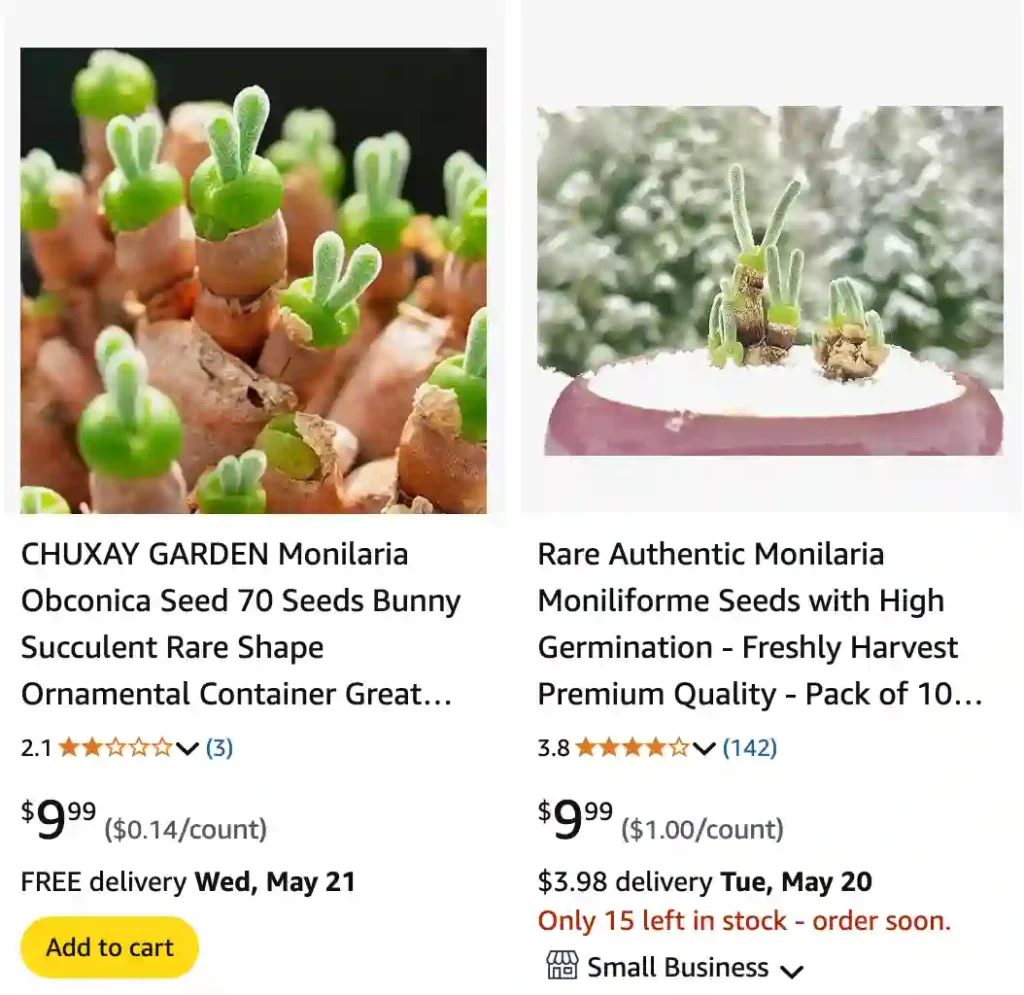
I’ve grown my fair share of quirky succulents, but nothing beats the charm of the Bunny Succulent. Both Monilaria Moniliformis and Monilaria Obconica have hopped their way into my collection, and I often get bombarded with questions. So I’ve put together this FAQ to share what I’ve learned. I’ll keep it tight, clear, and packed with firsthand insight.
What Is a Bunny Succulent?
If you’ve ever seen a plant that looks like it’s growing tiny green bunny ears, chances are it’s a Bunny Succulent. This name refers to two main species: Monilaria Moniliformis and Monilaria Obconica. Native to the arid regions of South Africa, these members of the Aizoaceae family have captured the hearts of plant lovers and meme-makers alike.
Plant Family: 137 Genera in Aizoaceae
The “ears” are actually new growth—pairs of cylindrical leaves that sprout in early spring. When they’re young, they’re upright and fuzzy, making them look like little green rabbits peeking from the soil.
What’s the Difference Between Monilaria Moniliformis and Monilaria Obconica?
I get asked this all the time. Though both are called Bunny Succulents, there are subtle differences:
- Monilaria Moniliformis: This one has longer, more slender “ears.” When mature, the leaf base stays bead-like—hence the name “Moniliformis” (meaning “necklace-shaped”).
- Monilaria Obconica: The leaves are shorter and more club-shaped. The base gets a bit fatter and sometimes loses the segmented “beads” as the plant ages.
Honestly, both look pretty similar when young, especially during the bunny-ear stage. You’d need to grow them for at least a full year to see clear distinctions.
When Does a Bunny Succulent Grow?
These are winter growers, which caught me off guard at first. In their native South African habitat, rains come during the cooler months.
Here’s how I manage their cycle:
- Fall to early spring: Growth season. I water lightly once the plant shows signs of life—those iconic “ears.”
- Late spring to summer: Dormancy hits. The ears shrivel, and only a woody stem or small tuber remains. During this time, I stop watering entirely.
They’re deciduous succulents, which means they actively shed foliage during dormancy. That might alarm you at first, but it’s natural.
Can I Grow Monilaria Indoors?
Yes, but with some effort. These guys need bright light and cool temps to thrive. Here’s what worked for me:
- I place them near a south-facing window.
- I use a grow light for 8–10 hours a day in darker months.
- Air circulation matters. If they’re stuffy, mold can take hold.
They prefer a gritty, well-draining soil, like a mix of pumice and coarse sand. I always avoid peat-based potting mixes.
How Do I Water It Without Killing It?
This is the trickiest part. Bunny Succulents are easy to overwater. I follow the “water when wrinkled” rule. If the “ears” begin to wrinkle slightly, that’s the time to water—deeply, then leave it alone until it shows signs again.
During dormancy, I don’t touch the watering can. These plants store water in their base and will rot if kept moist in summer.
Can Bunny Succulents Flower?
Yes! When mature, they bloom with delicate daisy-like flowers—usually white or yellow. The flowers are pretty, but I grow mine more for the ears than the blooms.
Flowering typically occurs late in the growth season, just before dormancy sets in. I’ve had success getting blooms after two full growing cycles.
Are They Harder to Grow Than Lithops or Conophytum?
Great comparison. I grow all three, and here’s my take:
- Lithops: Slightly more finicky due to their strict dormancy and skin-shedding cycle. Also, easy to overwater.
- Conophytum: Pretty forgiving and similar in watering needs to Monilaria.
- Monilaria: More beginner-friendly during active growth but need careful dormancy handling.
I’d say Monilaria is a great “gateway” plant to the world of South African mini-succulents.
Why Are They So Rare in Shops?
These aren’t your average nursery stock. They’re slow growers and only active for half the year. Most of mine came from specialty succulent seed shops or overseas collectors.
Seed germination is straightforward if you’re patient. I sow mine on the surface of sandy soil, keep them under humidity domes with bright light, and water with a mister. Germination usually occurs in 5–10 days.
Do Monilaria Succulents Stay Small?
Yes. That’s part of their charm. Even mature plants stay under 3 inches tall. You could grow a dozen in a teacup.
Their compact growth habit makes them ideal for dish gardens and small pots, especially when paired with other South African succulents like Gibbaeum or Titanopsis.
Can I Grow Them Outside?
Only if you live in a dry Mediterranean climate. They can’t survive frost or heavy rain. I keep mine indoors, but if you’re in zones 9–11, and you get cool, dry winters, it might work.
Otherwise, treat them like tender succulents and bring them in when temps drop below 40°F (4°C).
Final Thoughts
Growing Monilaria Moniliformis and Monilaria Obconica has been one of the most fun and rewarding parts of my succulent journey. There’s something magical about watching those little bunny ears pop up each year. They’re cute, weird, and undeniably delightful.
If you’re looking for a plant that sparks curiosity and conversation, Bunny Succulents are your best bet. Just remember: respect their rhythm, keep them dry in summer, and don’t drown the ears.

If i die, water my plants!