I’ve spent years working with native and ornamental grasses. One grass that stands out—both in the wild and in designed landscapes—is Red Oat Grass, scientifically known as Themeda Triandra. This native warm-season grass has a striking reddish hue, exceptional drought tolerance, and plays a vital ecological role. Here’s everything I’ve learned, structured as the most common questions people ask me.
What Is Red Oat Grass (Themeda Triandra)?
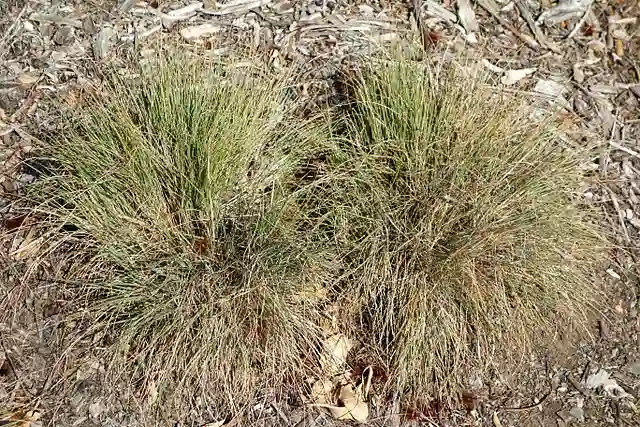
Red Oat Grass is a warm-season, perennial bunchgrass. It’s native to Africa, Asia, and Australia, but also found in parts of North America. It thrives in grasslands, savannas, and open woodlands. It’s also known as Kangaroo Grass in Australia. This grass is known for its deep root system, resilient foliage, and reddish oat-like seed heads that appear in late summer.
How Does Red Oat Grass Compare to Fountain Grass?
I’ve grown both, and here’s the deal:
- Red Oat Grass is native and non-invasive. It supports local pollinators and improves soil health.
- Fountain Grass (Pennisetum setaceum) is often invasive, especially in arid and semi-arid regions. It can disrupt native ecosystems.
- Visually, Red Oat Grass has a more natural, wispy form while Fountain Grass looks more ornamental and compact.
If you’re after beauty and sustainability, Red Oat Grass wins every time for me.
Is Themeda Triandra Good for Erosion Control?
Absolutely. One of the reasons I love Themeda Triandra is its fibrous root system, which binds soil even on slopes. I’ve used it for restoration projects, especially in degraded grasslands, and the results are impressive. It stabilizes the soil, supports native plant regeneration, and improves water infiltration.
Can I Use Red Oat Grass in a Xeriscape Garden?
Yes, and I have. Red Oat Grass is ideal for xeriscaping because it tolerates low water, poor soils, and high heat. It grows without fertilizer and requires little maintenance. I usually pair it with Lomandra, Stipa, and Eremophila species for a stunning, drought-resistant layout.
What Wildlife Does Red Oat Grass Support?
Here’s where it gets exciting. Red Oat Grass isn’t just pretty—it’s ecologically vital. It provides:
- Forage for kangaroos, wallabies, and other grazing mammals.
- Nesting material and cover for small birds and reptiles.
- Food for native caterpillars and grasshoppers.
It promotes biodiversity—a key reason I recommend it for restoration projects and naturalistic gardens.
How Do I Grow and Maintain Themeda Triandra?
I usually start from seed or divisions. Here’s what works for me:
- Soil: Prefers well-drained, slightly acidic to neutral soils.
- Light: Full sun to part shade.
- Water: Establish with moderate water; drought-tolerant after that.
- Maintenance: I cut it back in late winter before spring regrowth.
It reseeds gently, which I consider a plus, especially in larger landscapes.
How Tall Does Red Oat Grass Grow?
In my garden, it usually reaches 2 to 3 feet tall, with flowering stems up to 4 feet. The height varies with climate, soil fertility, and growing conditions. In lean soils, it stays lower and tighter. In rich, moist soils, it gets taller and fuller.
How Does Red Oat Grass Compare to Blue Grama?
Both are great native grasses, but here’s my breakdown:
| Feature | Red Oat Grass (Themeda Triandra) | Blue Grama (Bouteloua gracilis) |
|---|---|---|
| Growth Habit | Clump-forming bunchgrass | Low-growing sod-former |
| Height | 2–4 feet | 1–2 feet |
| Visual Impact | Showy, reddish plumes | Eyelash-like seed heads |
| Wildlife Value | High | High |
| Water Needs | Low | Very Low |
I plant Themeda for drama and Grama for ground coverage.
Does Red Oat Grass Work Well in Mixed Meadows?
Yes, it’s one of my go-to grasses for meadow mixes. It pairs beautifully with wildflowers like Echinacea, Coreopsis, and Salvia. I also combine it with other warm-season grasses like Little Bluestem (Schizachyrium scoparium) for texture and movement.
It adds seasonal color and structure without overwhelming the design. Its reddish summer plumes contrast beautifully with flowering species.
What Are the Drawbacks of Red Oat Grass?
Not many, but I’ll be honest:
- It can look messy in the off-season if not cut back.
- In very rich soils, it may flop.
- It takes time to establish from seed—usually a full growing season.
But once established, it’s almost bulletproof.
Final Thoughts: Why I Recommend Themeda Triandra
Red Oat Grass is one of the most underrated native grasses out there. It offers visual drama, habitat value, and low-input maintenance. Whether you’re planning a native prairie, a modern xeriscape, or just want something different from the usual turfgrass, Themeda Triandra is worth growing.

If i die, water my plants!