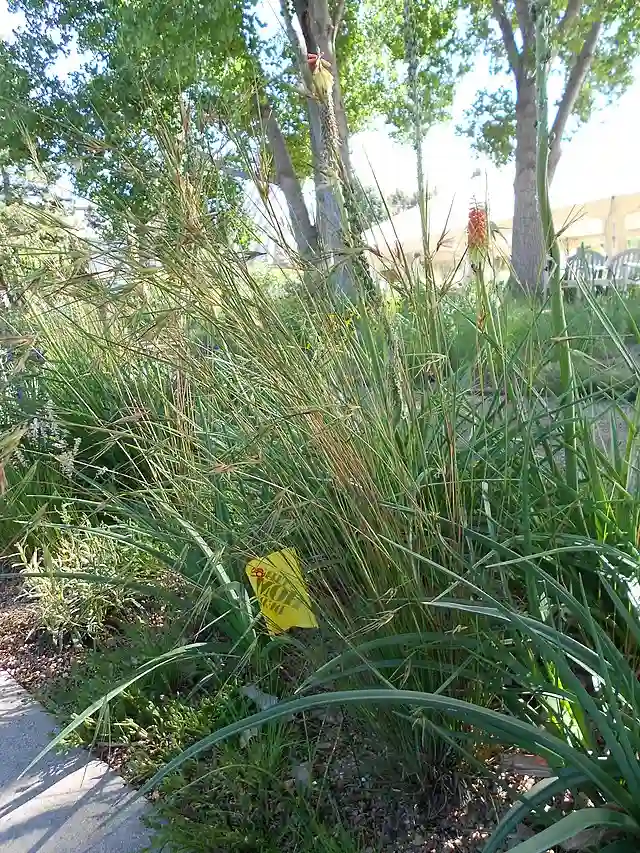
Aquatic Grasses are one of my favorite categories of plants to grow and observe. Whether in ponds, aquascapes, or wetland gardens, these submerged or semi-submerged grasses bring life, oxygenation, and texture to any water-based ecosystem. In this FAQ-style article, I’ll answer common questions I’ve received about Aquatic Grasses, based on my personal experience.
What Are Aquatic Grasses?
Aquatic Grasses are true grasses (Poaceae family) or grass-like plants that grow in water or extremely wet soils. They include species such as Zizania aquatica (Wild Rice), Spartina alterniflora (Smooth Cordgrass), Vallisneria, and Eleocharis acicularis (Dwarf Hairgrass). I use them in water gardens and planted aquariums to stabilize shorelines, oxygenate water, and add visual rhythm to otherwise still aquatic spaces.
How Are Aquatic Grasses Different From Other Aquatic Plants?
Aquatic Grasses differ from floating or rooted aquatic plants like Water Lettuce, Duckweed, or Anubias because they grow vertically in a linear fashion, often emerging above the water. Most true Aquatic Grasses are monocots and feature long, slender blades. Unlike Ludwigia or Cabomba, which have more delicate or leafy structures, grasses form denser mats and are structurally more rigid.
Can I Grow Aquatic Grasses In a Home Aquarium?
Yes, absolutely. I grow Dwarf Hairgrass (Eleocharis parvula) in several of my tanks. It carpets the substrate beautifully under moderate to high lighting and CO₂ injection. It’s a favorite in aquascaping for its grassy meadow effect. Keep the blades trimmed short if you’re going for a neat, lawn-like appearance. Substrate nutrient content is key—I usually use root tabs and nutrient-rich soil like ADA Aquasoil.
Are Aquatic Grasses Good for Ponds?
Yes, they’re perfect for natural and artificial ponds. I’ve planted Zizania and Panicum hemitomon (Maidencane) along pond edges to reduce erosion and provide habitat for frogs and insects. These grasses act as a biofilter, improving water quality. Unlike Cattails, which can be aggressive, most Aquatic Grasses grow in manageable clumps or short stands, making them easier to control.
How Do Aquatic Grasses Compare to Terrestrial Grasses?
I’ve grown both, and here’s the core difference: Aquatic Grasses can survive in low-oxygen conditions and even submerged soils. Terrestrial grasses like Fescue or Zoysia would rot in the same conditions. Aquatic Grasses have adaptations like aerenchyma tissue that helps transport oxygen within the plant. This makes them ideal for areas that flood or retain water.
Do Aquatic Grasses Help With Erosion Control?
Yes, and this is one of their top ecological benefits. I’ve planted Spartina and Juncus along stream banks and shallow lake edges. Their fibrous roots hold soil together, reducing erosion even during seasonal floods. Their foliage also slows down surface runoff, allowing sediment to settle. This makes them better in some cases than Riprap or hardscaping for shoreline stabilization.
How Fast Do Aquatic Grasses Grow?
Growth rate varies. In my tanks, Hairgrass spreads within weeks under ideal conditions. In ponds, Spartina and Paspalum spread steadily across the shallows during warm months. If nutrients and light are abundant, you’ll see noticeable expansion. But beware: some species like Hydrilla, often mistaken for a grass, can become invasive if left unchecked.
Can Aquatic Grasses Be Invasive?
Yes, some can. In my region, Hydrilla verticillata and Phragmites australis have taken over wetlands. These species can choke out natives and reduce biodiversity. Always check with your local extension office before introducing any aquatic plant to natural waterways. I only use native or non-invasive species in my aquascapes and managed ponds.
Are Aquatic Grasses Safe for Fish and Wildlife?
Definitely. In my aquariums, fish love darting through Hairgrass meadows, and in ponds, frogs lay eggs in Zizania beds. Waterfowl feed on the seeds and stems of larger grasses. Aquatic Grasses provide shade, spawning areas, and even natural pest control. They’re a cornerstone of sustainable water gardening.
How Do I Trim or Maintain Aquatic Grasses?
For submerged grasses, I use aquascaping scissors to trim blades above the substrate to prevent algae buildup. In ponds, I cut back tall grasses in late winter before new growth starts. Never cut them too low, or you risk crown rot. I also divide the clumps every few years to keep them vigorous.
Can I Use Aquatic Grasses in Constructed Wetlands?
Yes. In fact, I’ve helped design small greywater systems using Cyperus, Scirpus, and Panicum. These grasses are excellent for phytoremediation—absorbing nutrients and pollutants. Their dense root systems improve water infiltration and act as natural filters. Compared to broad-leaved plants like Canna, grasses are better at holding the soil and resisting wind damage.
Final Thoughts
Aquatic Grasses have earned their place in my garden, tanks, and restoration projects. They’re adaptable, visually calming, and ecologically powerful. From Dwarf Hairgrass carpeting my aquariums to Wild Rice standing tall in my pond, they’re a silent workhorse behind the scenes. Whether you’re an aquascaper, a pond builder, or a wetland restorer, consider these grasses not just as filler—but as foundation.
If you’re just starting out, pick species that match your light, water depth, and maintenance style. And always think about ecological balance—what benefits your landscape should also benefit your local environment.

If i die, water my plants!