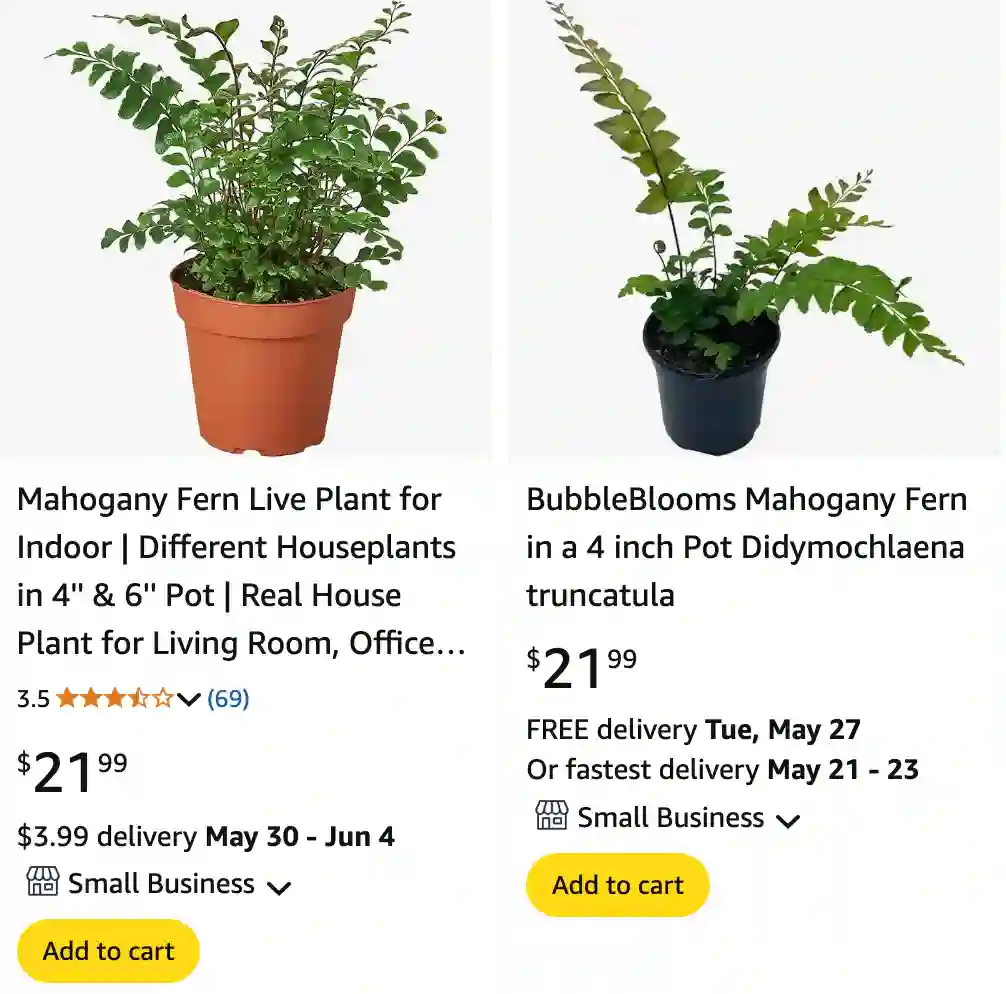
I’ve grown and observed Mahogany Fern (Didymochlaena Truncatula) for years, and it’s one of my favorite ferns for both indoor and tropical shaded gardens. Known for its bronzy-red new growth and graceful arching fronds, this fern brings a touch of exotic woodland vibes to any plant collection. Below, I’ve answered the most common questions people ask me about this stunning plant.
What Makes Mahogany Fern Different From Other Ferns?
Mahogany Fern stands out because of its unique coloration and leathery fronds. When young, its fronds emerge with a deep copper or mahogany hue—hence the name. As they mature, they turn lush green with a glossy texture. This color shift gives it a decorative edge over more uniform species like Boston Fern (Nephrolepis exaltata) or Rabbit’s Foot Fern (Davallia fejeensis).
Another difference lies in the structure. The fronds of Didymochlaena Truncatula are pinnate but broader, more paddle-shaped compared to the fine-cut look of many common ferns.
How Do I Care For A Mahogany Fern?
Here’s my simple rule of thumb: treat it like a diva in a rainforest.
- Light: Bright indirect light is best. Avoid direct sun—its fronds will crisp.
- Watering: Keep soil moist but not soggy. I water when the top inch of soil feels dry.
- Humidity: This fern demands high humidity. I use a humidifier or pebble tray when indoors.
- Soil: Use rich, organic potting mix with good drainage.
- Temperature: Keep it between 60°F to 80°F. No cold drafts!
I’ve found that Mahogany Fern thrives when you mimic its native tropical forest floor conditions.
Can I Grow Mahogany Fern Indoors?
Absolutely, and I do. It’s actually one of the easiest indoor ferns I’ve grown—as long as you stay on top of humidity and moisture. Its upright growth and sculptural look make it a great statement plant for interiors. Just avoid low-light corners and dry air.
One indoor hack I use: I group it with other moisture-loving plants like Calatheas or Peperomia Polybotrya to create a micro-humid environment.
Is Mahogany Fern Pet-Friendly?
Yes, according to the ASPCA, ferns like Didymochlaena Truncatula are non-toxic to cats and dogs. I’ve had mine cohabiting with pets without issues. Still, always monitor your furry friends to avoid chewing, which could harm the plant or cause a mild tummy upset.
What Plants Pair Well With Mahogany Fern?
Here are my top companions for aesthetic and care compatibility:
- Bird’s Nest Fern (Asplenium nidus) – Similar humidity needs and bold texture contrast.
- Philodendron Micans – Its velvety vines play off the glossy fronds of Mahogany Fern.
- Alocasia Polly – Striking shapes and mutual love of warmth.
- Calathea Makoyana – Both appreciate high humidity and dappled light.
Together, they create a lush, tropical jungle vibe—perfect for a living room oasis or shaded garden corner.
How Fast Does Mahogany Fern Grow?
Moderate is the word. Mine has grown slowly but steadily. It usually pushes out new fronds every few weeks during the warmer months, especially if humidity and light levels are ideal. In winter, growth slows down. Unlike Maidenhair Ferns, it doesn’t grow aggressively or take over a pot quickly.
Can Mahogany Fern Live Outside Year-Round?
Only in USDA Zones 9–11. In subtropical or tropical climates like Florida or southern California, you can keep it outside all year. I live in a zone 8 area, so I bring mine indoors during cooler months. Frost will kill it.
If you’re keeping it outside seasonally, choose a shaded, protected spot, like under a tree canopy or in a north-facing garden bed.
How Does Mahogany Fern Compare To Japanese Painted Fern?
Both are ornamental, but they’re very different stylistically and in needs:
| Feature | Mahogany Fern | Japanese Painted Fern (Athyrium niponicum) |
|---|---|---|
| Color | Mahogany to green | Silvery-purple tones |
| Growth | Upright & tropical | Low & spreading |
| Light | Bright indirect | Partial shade |
| Cold Tolerance | Low | High (Zone 4+) |
I love them both, but Mahogany Fern is more dramatic and better suited for indoor use or lush, humid environments.
What Are Common Issues With Mahogany Fern?
Here are a few hiccups I’ve run into:
- Crispy tips: Usually from low humidity.
- Yellowing leaves: Overwatering or poor drainage.
- Pest alert: Sometimes spider mites, though it’s rare. Neem oil spray works well.
The biggest tip? Don’t let it dry out or sit in dry air. Humidity is its best friend.
Final Thoughts: Why I Love Mahogany Fern
Mahogany Fern isn’t just another green plant—it’s a living sculpture. With its rich tones and rainforest elegance, it elevates any space. I’ve grown dozens of fern varieties, but few offer the drama and low-maintenance beauty that Didymochlaena Truncatula delivers. Whether in a pot indoors or nestled among other shade lovers outside, it has earned its place in my plant family.

If i die, water my plants!