Hi, I’m Ferb Vu. Over the years, I’ve grown dozens of native plants in my garden. But few fascinate me as much as Allium Cernuum—also called Nodding Onion. This wild onion from North America brings a delicate charm to native landscapes, pollinator gardens, and even urban yards. Below, I’ve compiled answers to the most common questions I get about this plant, along with my personal insights.
1078 Species in Genus Allium
What Is Allium Cernuum?
Allium Cernuum is a herbaceous perennial in the Amaryllidaceae family. It’s native to most of North America, from Canada down to Mexico. Its name comes from the Latin cernuus, meaning “nodding,” which refers to its signature drooping flower heads.
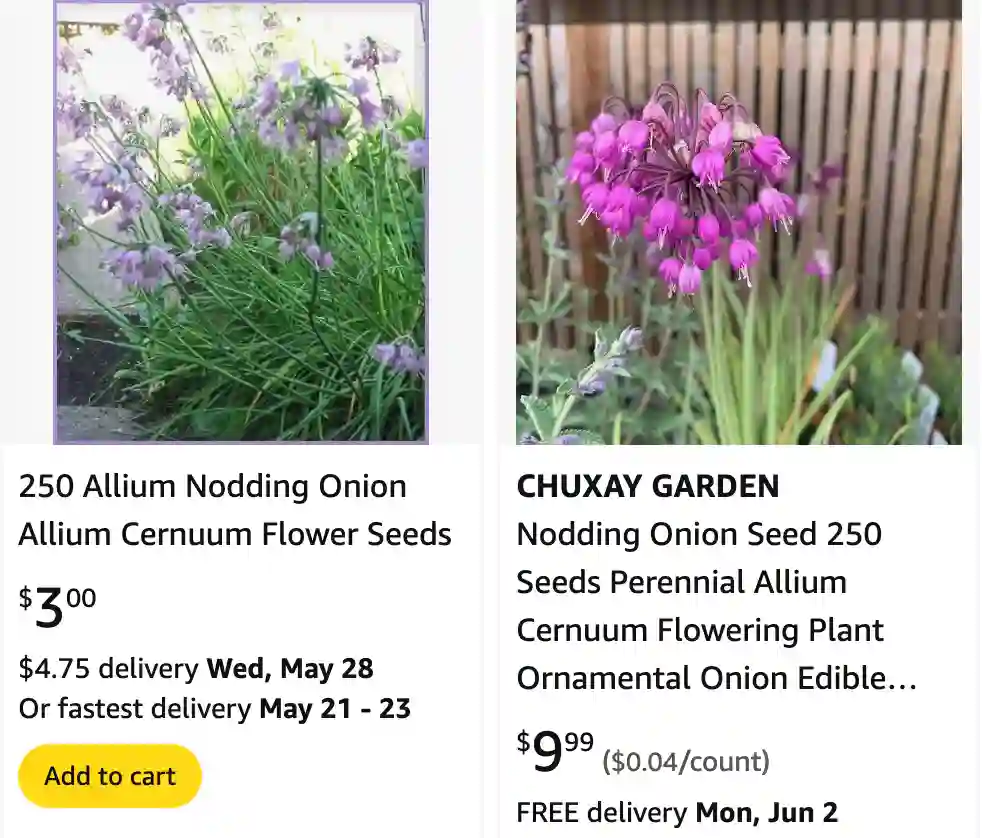
Each summer, it sends up a thin scape (a leafless flower stalk) topped with a graceful cluster of pink to lavender bell-shaped blooms. These nod over like a shepherd’s crook, attracting bees, butterflies, and even hummingbirds.
How Do I Grow Allium Cernuum?
I’ve found Allium Cernuum to be low-maintenance, drought-tolerant, and versatile. Here’s what works for me:
- Soil: It prefers well-drained soils—sand, loam, or rocky substrates work great. It even thrives in my clay-heavy sections if I amend with compost.
- Sun: Full sun gives the best flowering, but it tolerates part shade.
- Water: Once established, it needs very little. In fact, overwatering is worse than underwatering.
- Zones: It’s hardy from USDA Zones 3 to 9, so it handles both cold winters and hot summers.
I plant them in clusters of 5–10 to get the most visual impact.
Is It Edible Like Other Onions?
Yes—every part of Allium Cernuum is edible. I’ve snipped the leaves and bulbs for salads and soups. The flavor is milder and sweeter than store-bought onions. That said, I rarely harvest mine, because I value them more for their pollinator appeal and ornamental beauty.
But be warned: if you harvest the bulbs, you lose the plant. So harvest sustainably or grow a dedicated patch for the kitchen.
How Does Allium Cernuum Compare to Allium Schoenoprasum (Chives)?
I’ve grown both Allium Cernuum and Allium Schoenoprasum, and while they share similarities, they fill different roles.
| Feature | Allium Cernuum | Allium Schoenoprasum (Chives) |
|---|---|---|
| Bloom | Nodding pink bells | Upright purple pom-poms |
| Height | 12–18 inches | 8–12 inches |
| Habitat | Native prairies, woodlands | Culinary gardens |
| Use | Ornamental and edible | Primarily edible |
Chives are great for the kitchen; Cernuum is a standout for naturalistic planting.
Does Allium Cernuum Spread Aggressively?
Not in my experience. It’s a clumper, not a runner. It spreads slowly by bulblets and seeds, which is ideal if you want a soft drift without it overtaking your garden. I’ve even let it naturalize along a woodland edge with minimal control.
If you deadhead the spent blooms, you can manage its reseeding and keep things tidy.
What Wildlife Benefits From Allium Cernuum?
This plant is a magnet for:
- Native bees like bumblebees and mining bees
- Butterflies, especially small skippers
- Occasionally hummingbirds
- Beneficial predatory wasps
Deer and rabbits tend to ignore it, likely due to its oniony aroma—another reason I love it.
Can I Grow Allium Cernuum in Containers?
Yes, and I’ve done it successfully. Use a deep pot with excellent drainage. Mix in sand or grit if you’re using a peat-based medium. Water less than you would other potted plants—it hates soggy roots.
Container-grown plants may bloom less the first year, but once established, they perform well.
Is Allium Cernuum Good for Xeriscaping?
Absolutely. In my drought-tolerant beds, Allium Cernuum stands tall among Echinacea, Rudbeckia, and Asclepias tuberosa. It adds vertical interest and soft motion with its nodding heads.
It’s also ideal for restoration ecology and native meadow projects, since it supports local biodiversity and doesn’t require fertilizer or pesticide inputs.
What’s the Best Time to Plant Allium Cernuum?
Fall is my go-to time. The bulbs settle in over winter and emerge strong in spring. But you can also sow seed in late fall or early spring. If growing from seed, know that it may take two years to bloom. Patience pays off.
Is Allium Cernuum a True Native Plant?
Yes—unlike many ornamental Alliums, Allium Cernuum is a true North American native. That makes it valuable for ecological landscaping and sustainable garden design. I often pair it with other natives like Monarda fistulosa, Coreopsis, and Penstemon digitalis.
Final Thoughts: Why I Keep Growing Allium Cernuum
There’s something elegant and wild about this plant. It balances beauty and utility. It feeds the pollinators, needs little care, and fits into any style—from formal beds to wildscapes.
In my garden, Allium Cernuum earns its keep every year. Whether you’re new to native plants or an experienced grower, this is one species I’d always recommend.

If i die, water my plants!