As a passionate gardener, I’ve had the chance to work with dozens of native shrubs and small trees. One of my most cherished is Viburnum Prunifolium, also known as Blackhaw Viburnum. I’m Ferb Vu, and in this article, I’ll walk you through the most common questions I’ve received about this plant—based entirely on my firsthand experience.
206 Species in Genus Viburnum
What Is Viburnum Prunifolium?
Viburnum Prunifolium is a deciduous shrub or small tree native to eastern North America. I’ve seen it thrive in woodland edges, old fields, and even in neglected urban corners. It’s tough, elegant, and quietly beautiful. The name “Prunifolium” refers to its plum-like leaves—simple, oval, and finely toothed.
I grow mine in full sun, though it handles partial shade well. It’s drought-tolerant once established and grows up to 15 feet tall, sometimes more if trained like a tree.
What Does Blackhaw Viburnum Look Like?
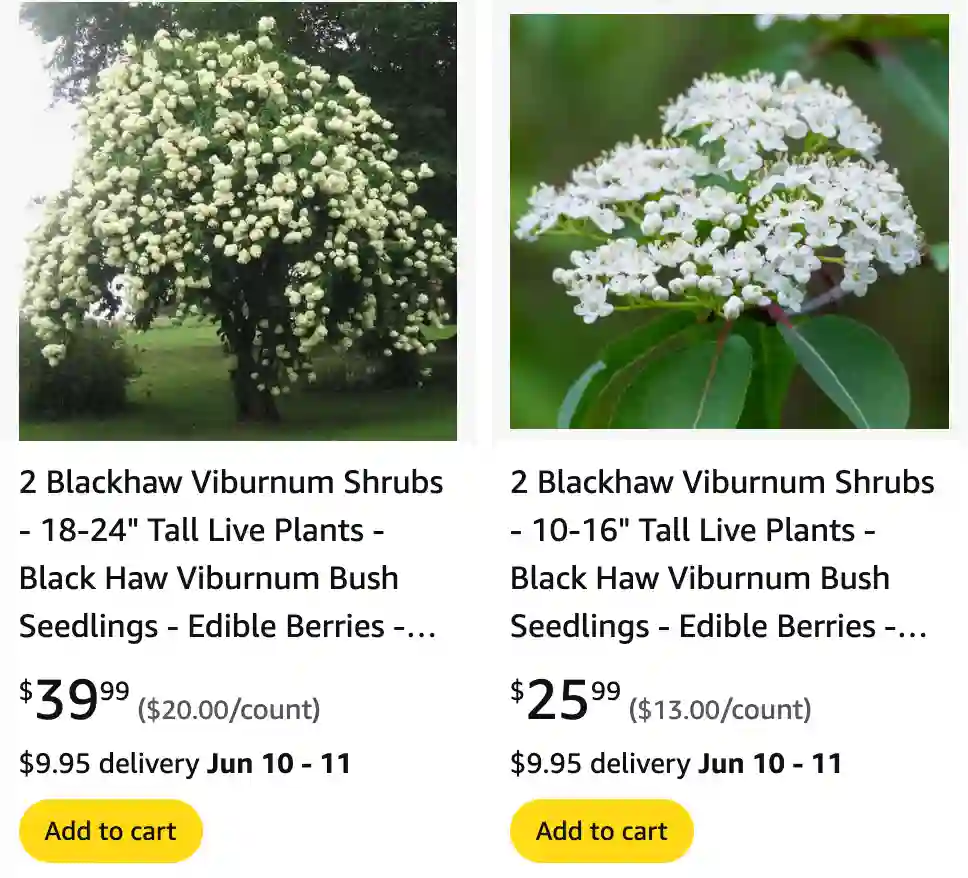
In spring, Blackhaw Viburnum bursts into flat-topped clusters of creamy white flowers. They remind me of Queen Anne’s lace, but more refined. Bees and butterflies swarm to them. Come fall, the foliage turns deep red to purple. The blue-black drupes (edible fruits) ripen in late summer and are a magnet for birds.
The bark is blocky and grayish-brown—almost like alligator skin as it ages. In my garden, this texture adds winter interest when most other shrubs go bare and bland.
Is Viburnum Prunifolium Edible?
Yes, the fruit is edible. I’ve nibbled on the berries myself—sweet, though a bit dry and mealy. Historically, Native American tribes and early settlers used the bark medicinally for cramps and other ailments, hence its old name, Blackhaw bark.
But always double-check with a botanist before experimenting. Wild food can be tricky if misidentified.
How Do I Grow and Care for Blackhaw Viburnum?
Here’s what’s worked for me:
- Soil: Tolerates clay, loam, or sandy soil. Prefers well-drained and slightly acidic soil.
- Light: Full sun gives you better blooms and fruit. It survives in part shade, but I’ve noticed fewer berries.
- Water: Deep water during droughts in its first two years. After that, it’s tough.
- Pruning: Prune just after flowering if needed. I shape mine lightly and remove dead branches in late winter.
What’s the Difference Between Viburnum Prunifolium and Viburnum Lentago?
Great question—I’ve grown both.
Viburnum Lentago (Nannyberry) grows taller, has more drooping branches, and the fruit is sweeter and juicier. Its leaves are shinier and more pointed than Viburnum Prunifolium.
I find Blackhaw better for formal hedges or small tree forms, while Nannyberry works well for a more naturalized setting.
How Does Blackhaw Viburnum Compare to Arrowwood Viburnum?
Arrowwood (Viburnum Dentatum) is more of a multi-stemmed shrub, topping out at about 10 feet. It grows faster and produces a denser screen if that’s what you’re after. But Prunifolium is hardier and more ornamental, in my opinion. The fall color and bark on Blackhaw are superior.
Also, Blackhaw has a slower, more deliberate growth rate. I see it as a long-term investment—stately and mature.
Is Viburnum Prunifolium Good for Wildlife?
Absolutely. The flowers attract pollinators like bees, hoverflies, and butterflies. Birds—especially robins and cedar waxwings—devour the berries in late summer. I’ve even seen squirrels sample them.
Its dense branching offers nesting space for songbirds. If you want to build an ecologically supportive landscape, this is a cornerstone species in my garden.
Can I Use Blackhaw Viburnum as a Privacy Screen?
Yes, though you’ll need patience. It’s slower than privet or arborvitae, but it gets there. I planted mine 5 feet apart. After 5 years, they’re about 10 feet tall and have formed a dense, layered hedge.
If you want a flowering hedge that changes with the seasons—spring blossoms, summer berries, and fall color—it’s a top-tier choice.
Does It Need a Pollinator?
It’s technically self-fertile, but for better berry production, I plant more than one. Cross-pollination between different Viburnum Prunifolium shrubs improves fruit set. If you’re growing for wildlife or berry interest, I’d recommend at least two, spaced about 8–10 feet apart.
Is It Deer-Resistant?
Somewhat. Deer nibble the leaves when food is scarce, but it’s not their first choice. I’ve seen minimal damage even in a high-pressure area. Compared to plants like hostas or tulips, Blackhaw is a safer bet.
Can I Train It into a Small Tree?
Yes—and I do. You’ll need to select one strong leader and prune away lower stems. Over time, you’ll get a 12–15 foot tree with a single trunk and rounded canopy. The bark and branch architecture look stunning in winter.
It works well as a specimen tree near patios or as an understory planting below oaks or maples.
Final Thoughts: Why I Recommend Viburnum Prunifolium
If you’re looking for a native plant that’s low-maintenance, wildlife-friendly, and beautiful across all seasons, Viburnum Prunifolium is it. I keep coming back to it because it offers quiet charm and strong ecological value. It’s not flashy, but it rewards you if you’re patient.
For me, it’s a backbone shrub—resilient, attractive, and versatile. Whether you’re planting for pollinators, privacy, or personal joy, you won’t regret adding Blackhaw Viburnum to your landscape.

If i die, water my plants!