I’ve spent years growing and comparing all kinds of ornamental plants. But few have given me the joy and consistency that Gomphrena Globosa brings. Also known as Globe Amaranth, this annual flower is more than just a pretty face. It’s drought-tolerant, pollinator-friendly, and thrives in tough conditions. In this article, I’ll answer the questions I’m most often asked about this vibrant plant.
140 Species in Genus Gomphrena
What Is Gomphrena Globosa?
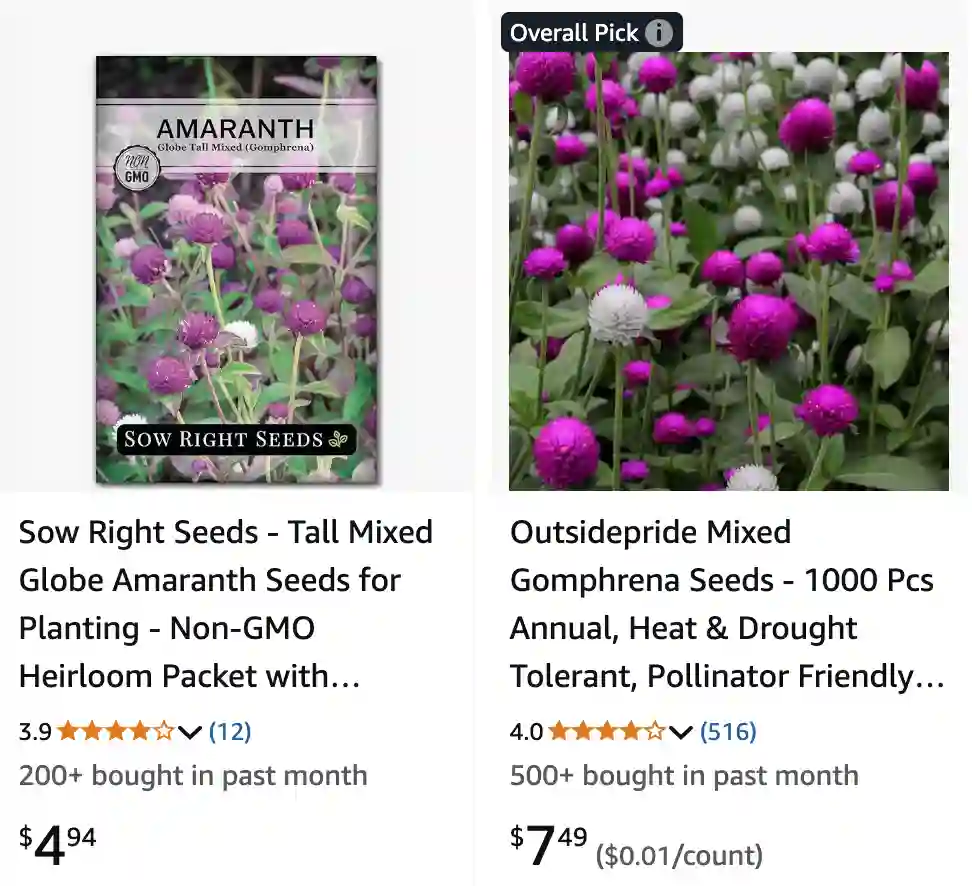
Gomphrena Globosa is a warm-season annual from the Amaranthaceae family. It originates from Central America but has become a garden staple around the world. The flowers look like small clover balls. They come in pink, purple, red, and even white.
The best part? The blooms are papery and last for months. They don’t fade in heat. They don’t need babying. You plant it, water it a bit, and it gives you a bright show from summer through fall.
Why Do I Prefer Gomphrena Globosa Over Zinnias?
I get this a lot. People often ask if Zinnias are better. In my opinion, they’re great—but Gomphrena Globosa wins in durability. Here’s why:
- Disease Resistance: Zinnias get powdery mildew. Gomphrena? Never.
- Drought Tolerance: Zinnias droop in dry spells. Gomphrena keeps smiling.
- Longevity: Zinnias bloom and fade. Gomphrena keeps on blooming till frost.
Sure, Zinnias have bigger blooms. But Globe Amaranth wins in reliability. It’s also easier to dry for crafts and floral arrangements.
How Do I Grow Gomphrena Globosa Successfully?
I’ve grown it in containers, borders, and mass plantings. It thrives when you give it:
- Full Sun: At least 6–8 hours daily.
- Well-drained Soil: Sandy or loamy works best.
- Moderate Water: Let the soil dry between waterings.
- No Fertilizer Fuss: A balanced slow-release one at planting is enough.
Seeds germinate fast in warm soil—about 5 to 10 days. I usually start mine indoors in late spring, then transplant them when temperatures stay above 60°F.
Is Gomphrena Globosa Good for Pollinators?
Yes—bees, butterflies, and even hummingbirds love it. It’s a nectar-rich plant with long-lasting blooms. I’ve noticed my garden becomes a fluttering paradise every time the blooms peak.
I also like how it supports native pollinator species, especially when paired with plants like Milkweed, Coneflowers, and Salvias.
Can I Use Gomphrena Globosa as a Cut or Dried Flower?
Absolutely. This is where Gomphrena shines. The flowers retain their shape and color when dried. Just harvest them early, hang them upside down in a dry spot, and you’ll have bouquets that last years.
I often mix dried Globe Amaranths with Statice, Lavender, and Celosia for rustic displays.
How Does Gomphrena Globosa Compare with Celosia?
Both are great in heat. Both belong to Amaranthaceae. But here’s what I’ve found:
- Gomphrena is better for mass planting and borders.
- Celosia (especially plume types) tends to be more dramatic but also more demanding.
- Celosia fades faster when dried. Gomphrena keeps its color better.
If you want low-maintenance, long-lasting color, choose Gomphrena.
Are There Different Varieties of Gomphrena Globosa?
Yes, and I’ve tried many. Here are a few worth noting:
- ‘Buddy Purple’ – Compact, great for containers.
- ‘QIS Series’ – Tall, great for cut flowers.
- ‘Ping Pong Mix’ – Bold, colorful, and vigorous.
Each has a slightly different growth habit, but all offer the same heat tolerance and bloom longevity.
Does Gomphrena Globosa Attract Pests or Diseases?
In my experience, no. It’s pest-free and disease-resistant. Even in humid summers, I haven’t had issues. Occasionally, aphids might visit, but they don’t stick around.
Compared to plants like Petunias or Impatiens, which often fall to pests or fungal rot, Gomphrena is a warrior.
Can Gomphrena Globosa Be Grown in Containers?
Yes, and I do it often. Just make sure the container:
- Drains well.
- Is at least 12 inches deep.
- Is placed in full sun.
Mix it with Verbena, Lantana, or Sweet Alyssum for colorful, cascading displays. It’s also a top choice for urban balconies where space and sun are limited.
What Plants Pair Well with Gomphrena Globosa?
For visual harmony and habitat value, I pair it with:
- Coreopsis – Golden yellow pairs great with purple Gomphrena.
- Salvia Farinacea – Upright blue spikes contrast with round blooms.
- Dusty Miller – Soft gray foliage complements vivid flowers.
This trio adds structure, contrast, and seasonal interest.
Final Thoughts
Gomphrena Globosa isn’t just a flower—it’s a garden workhorse. It fills gaps, supports pollinators, and keeps blooming when others fail. It fits in a border, thrives in containers, and shines in bouquets.
If you want low effort, high reward, and vibrant resilience—grow Gomphrena Globosa. I’ve done it for years, and I always will.

If i die, water my plants!