What Is Sambucus Racemosa?
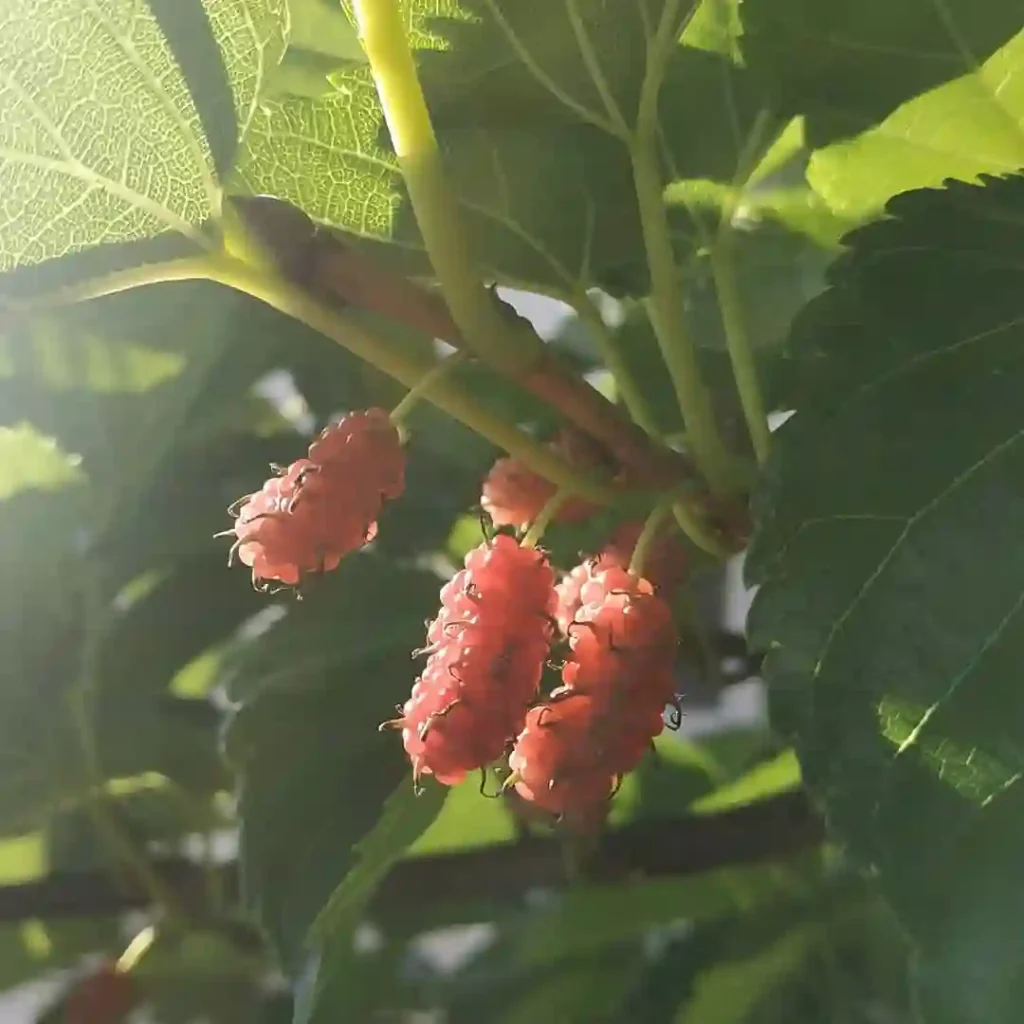
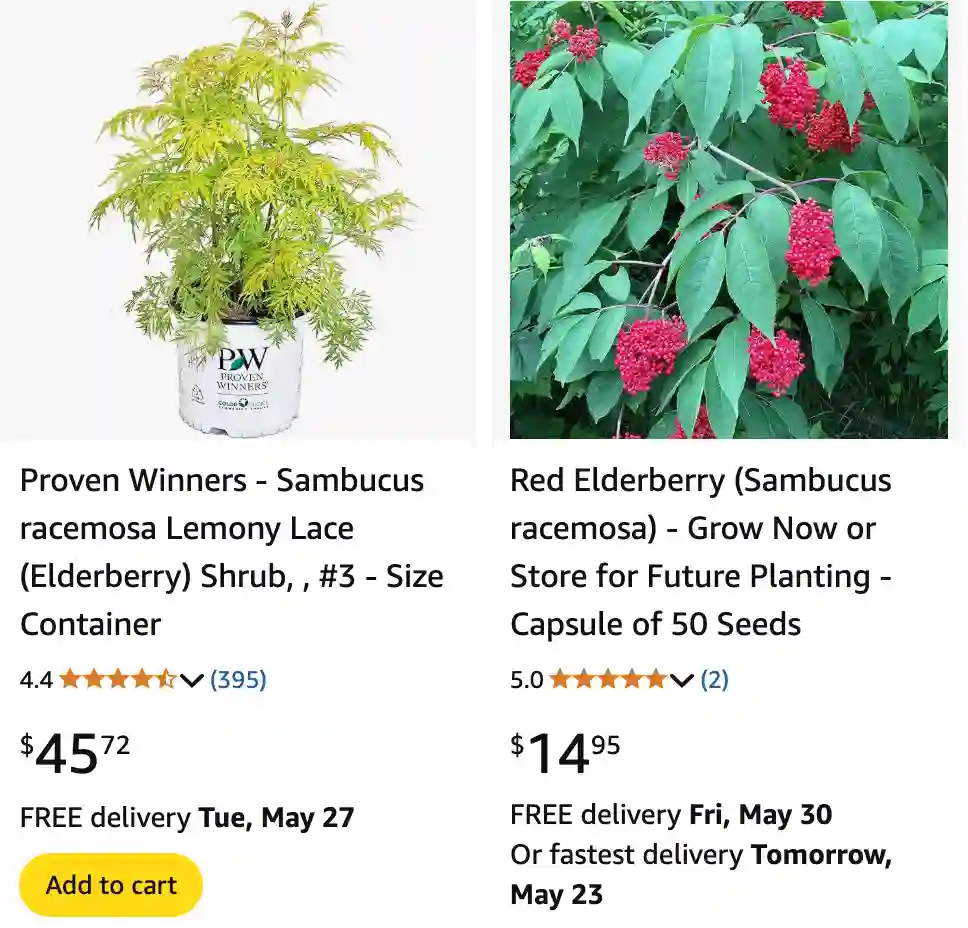
Sambucus Racemosa, also known as Red Elderberry, is a deciduous shrub I’ve grown and admired for years. Native to North America, Europe, and parts of Asia, it thrives in cool climates and woodland edges. Its bold red berries and dense foliage make it both a wildlife magnet and a visual delight. Botanically, it’s part of the Adoxaceae family, closely related to Sambucus Nigra, the Black Elderberry.
23 Species in Genus Sambucus – Elderberry
How Does Sambucus Racemosa Differ from Sambucus Nigra?
Let me get straight to it—Sambucus Nigra produces edible black berries used in syrups, wines, and immune-boosting supplements. Sambucus Racemosa, on the other hand, bears toxic red berries when raw. While birds love them, humans should only consume them cooked—and even then, with caution.
In terms of look and growth:
- S. Nigra grows more like a multi-stemmed tree.
- S. Racemosa stays shrubbier and smaller.
- S. Racemosa’s red berries arrive earlier—late spring to early summer—while S. Nigra fruits in late summer.
I keep both in my landscape, but label them clearly!
Is Sambucus Racemosa Poisonous?
Yes, and I treat it with respect. Raw red elderberries contain cyanogenic glycosides, which can cause nausea, dizziness, and even more severe reactions. The seeds, leaves, stems, and bark are especially potent. If you plan to use it for dye or jam, you must cook the berries thoroughly and strain the seeds out. I’ve used the cooked fruit for homemade ink and natural dye—safe and vibrant when done right.
Where Should I Plant It?
Sambucus Racemosa thrives in partial shade with moist, well-drained soil. I’ve had great luck planting it near my woodland border, where it gets filtered morning sun and stays cool in the afternoons.
Here’s what it prefers:
- USDA Zones: 3 to 7
- Soil: Slightly acidic to neutral (pH 5.5–7.0)
- Moisture: Needs regular watering, especially the first two years
It’s a great understory plant. I often plant it alongside Cornus sericea, Ribes sanguineum, and Rubus odoratus to create a dynamic woodland edge.
Is It a Good Plant for Wildlife?
Absolutely! That’s one of the reasons I grow it. The early blooms feed native pollinators, especially solitary bees and hoverflies. The red berries are devoured by songbirds, especially robins and waxwings. I’ve also noticed moths and butterflies laying eggs on its leaves.
It’s not just ornamental—it’s a keystone species in some ecosystems.
How Do I Prune It?
I prune my Sambucus Racemosa in late winter. Like most elderberries, it responds well to rejuvenation pruning. I remove:
- Dead or crossing stems
- Any stems older than 3 years
- Around 1/3 of the oldest growth each year
Pruning keeps it compact and encourages vigorous flowering and fruiting. It’s not fussy—but don’t skip it, or the plant gets leggy.
Can It Be Grown in Containers?
Technically, yes—but I wouldn’t recommend it long-term. I once tried growing Sambucus Racemosa in a large 20-gallon pot, and it survived for two seasons. But it prefers rooting deep into the ground. It grew better and fruited more once I planted it in a raised bed with compost-enriched soil.
If you must container-grow, use a large, deep pot with good drainage. Water it consistently. But expect to transplant it in a couple of years.
Is Sambucus Racemosa Invasive?
Not exactly, but it spreads quickly. I’ve had it send up suckers several feet from the parent plant. If left unchecked, it can form a thicket. In natural areas, that’s great. In urban gardens, not so much.
I contain it with:
- Regular root pruning
- Underground barriers (like rhizome barriers)
- Mulch rings to suppress spread
Unlike Sambucus Canadensis, which spreads more slowly, Racemosa is vigorous. It’s best for wildlife gardens, forest edges, and rain gardens.
How Does It Compare to Viburnum Opulus?
They look similar at first—red berries, compound leaves, and a shrubby form—but they serve different functions.
| Trait | Sambucus Racemosa | Viburnum Opulus |
|---|---|---|
| Berries | Toxic when raw, red | Mildly toxic, red |
| Flowers | Small white clusters | Larger lacecap blooms |
| Habitat | Moist woodlands | Open forests and wetlands |
| Wildlife Value | High (birds & pollinators) | Moderate |
| Growth Habit | Fast, suckering | Rounded, compact |
I find Racemosa better for ecological restoration, while Opulus works better in formal hedges or landscapes.
Final Thoughts: Why I Keep Growing Sambucus Racemosa
For me, Sambucus Racemosa isn’t just a shrub. It’s a living habitat, a seasonal highlight, and a botanical teacher. It reminds me that beauty often comes with complexity. Yes, it’s toxic. Yes, it spreads. But it also supports life and adds color to the wild corners of my garden.

If i die, water my plants!