I’m Ferb Vu, and I want to share what I’ve learned and experienced growing Impatiens Falcifera. This fascinating plant often flies under the radar, but once you know its qualities, you might want one too. In this FAQ article, I’ll answer common questions, compare it with similar plants, and offer practical advice based on my own hands-on experience.
1124 Species in Genus Impatiens
What Is Impatiens Falcifera and Where Does It Come From?
Impatiens Falcifera is a species within the Impatiens genus, known for its delicate, colorful flowers and lush foliage. Native to tropical Asia, especially parts of India and Southeast Asia, this plant thrives in warm, humid climates. It’s part of the Balsaminaceae family, like many popular garden impatiens.
What drew me to Impatiens Falcifera is its unique flower shape—curved petals that look almost like a falcon’s claw, which is fitting since falcifera means “sickle-shaped” or “curved.” It’s less common in typical nurseries but worth seeking out if you love distinctive flowering plants.
How Does Impatiens Falcifera Compare with Other Impatiens Species?
I’ve grown several Impatiens varieties, including the common Impatiens walleriana and the more exotic Impatiens niamniamensis. Compared to those, Impatiens Falcifera offers a more delicate flower structure and often a more subtle fragrance.
Unlike the common impatiens that are widely used as bedding plants, Falcifera prefers shaded, moist environments but can tolerate a bit more sun if watered well. The foliage tends to be slightly larger and more textured than many other species I’ve tried. Plus, the curved flowers give it an elegant, almost tropical vibe compared to the flat-faced flowers of walleriana.
What Growing Conditions Does Impatiens Falcifera Need?
In my experience, this plant flourishes in partial shade with high humidity. It needs consistently moist but well-draining soil. I like using a rich organic potting mix with added perlite to maintain aeration. While it appreciates shade, too much deep shade can reduce flowering, so a dappled light environment works best.
Temperature-wise, I keep mine in the range of 60°F to 80°F (15°C to 27°C). If it drops below 55°F (13°C), growth slows noticeably. Unlike some other impatiens, it’s not frost-hardy, so in colder climates, I grow it indoors or in a greenhouse.
How Do I Care for Impatiens Falcifera Throughout the Year?
Caring for this plant requires attention but is not complicated. Here’s what I do:
- Watering: Keep the soil moist but never soggy. Overwatering can cause root rot, which I learned the hard way. I water more frequently in summer and reduce slightly in winter.
- Fertilizing: I feed mine monthly during the growing season with a balanced, water-soluble fertilizer diluted to half strength. This encourages steady growth and more blooms.
- Pruning: I trim back leggy stems after flowering to promote bushier growth. It also helps prevent pests by improving airflow.
- Repotting: When roots start to crowd, usually every 1-2 years, I move it to a slightly bigger pot to avoid stunted growth.
Does Impatiens Falcifera Attract Pollinators?
Yes! From what I’ve seen, Impatiens Falcifera attracts bees and butterflies, which makes it a lovely choice for anyone wanting to support pollinators in their garden. The shape and color of the flowers seem particularly appealing to smaller native bees.
What Are Common Problems and Pests With Impatiens Falcifera?
Like many impatiens, this species can be vulnerable to fungal diseases if overwatered or kept in stagnant air. Powdery mildew and downy mildew are the two issues I monitor closely. To prevent this, I keep the leaves dry and ensure good air circulation.
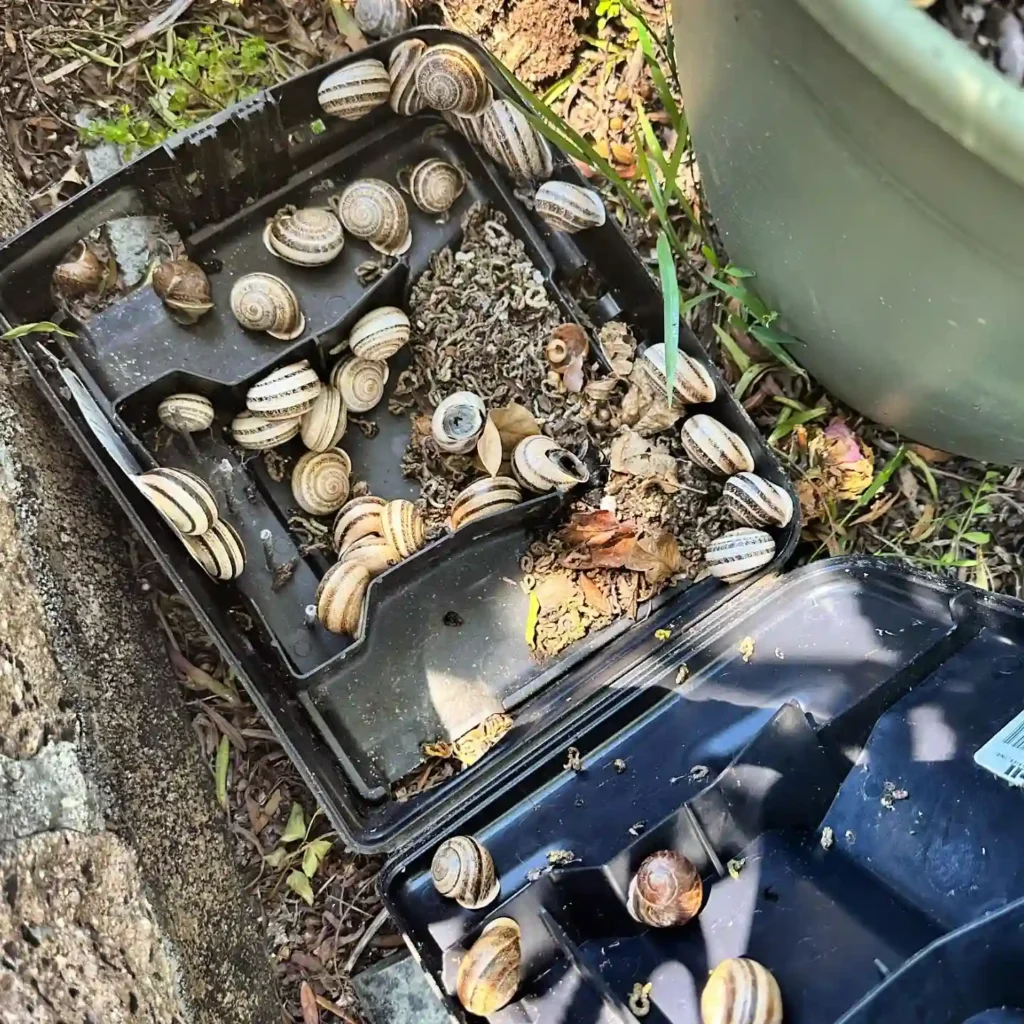
Pests like aphids and spider mites occasionally show up. I usually spray with insecticidal soap or neem oil, which works well without harming the plant. I also watch out for snails and slugs since they love tender impatiens leaves.
How Does Impatiens Falcifera Perform Indoors Compared to Outdoors?
I’ve grown Impatiens Falcifera both inside and outside. Indoors, it needs bright, indirect light and humidity levels above 50%. I use a pebble tray or humidifier, especially in dry air.
Outdoors, it thrives best in shaded garden beds or hanging baskets in warm climates. One benefit I noticed outdoors is the plant grows larger and produces more flowers due to natural humidity and pollinator visits.
Can Impatiens Falcifera Be Propagated Easily?
Propagation by cuttings is my preferred method. I take softwood cuttings about 4-6 inches long in spring or early summer. After removing lower leaves, I dip the stem in rooting hormone and place it in moist potting mix. In a few weeks, roots develop, and the young plant grows quickly.
Seed propagation is possible but less common in home gardens due to the time and conditions needed.
How Does Impatiens Falcifera Compare with Other Shade-Loving Flowering Plants?
When I compare Impatiens Falcifera to plants like Begonia rex or Streptocarpus, I find Falcifera offers more continuous blooming and a different flower shape. Begonias provide striking leaf patterns but fewer flowers, and Streptocarpus flowers last longer but require more specialized care.
In terms of ease, Falcifera is fairly forgiving if you keep the soil moist and don’t let it dry out. It’s also less susceptible to leaf spotting than some begonias I’ve grown.
What Makes Impatiens Falcifera Special to Me?
To wrap up, Impatiens Falcifera stands out in my collection for its graceful flowers and resilience in shade gardens. It offers a unique tropical look without being too fussy. I appreciate how it attracts pollinators and fits beautifully in mixed containers or shaded beds.
If you want an impatiens that breaks the mold of the typical garden variety, this is the one I recommend trying. Just remember to treat it right with shade, moisture, and occasional feeding, and it will reward you with delicate, eye-catching blooms.

If i die, water my plants!