Hey, I’m Ferb Vu. Over the years, I’ve developed a real passion for gardening and have had the chance to grow and care for many plants, including Salvia Leucantha, also known as Mexican Bush Sage. I want to share some FAQs based on my experience with this beautiful and hardy perennial. Hopefully, this will help you if you’re thinking about adding Salvia Leucantha to your garden or just want to know more.
1050 Species in Genus Salvia
What Is Salvia Leucantha?
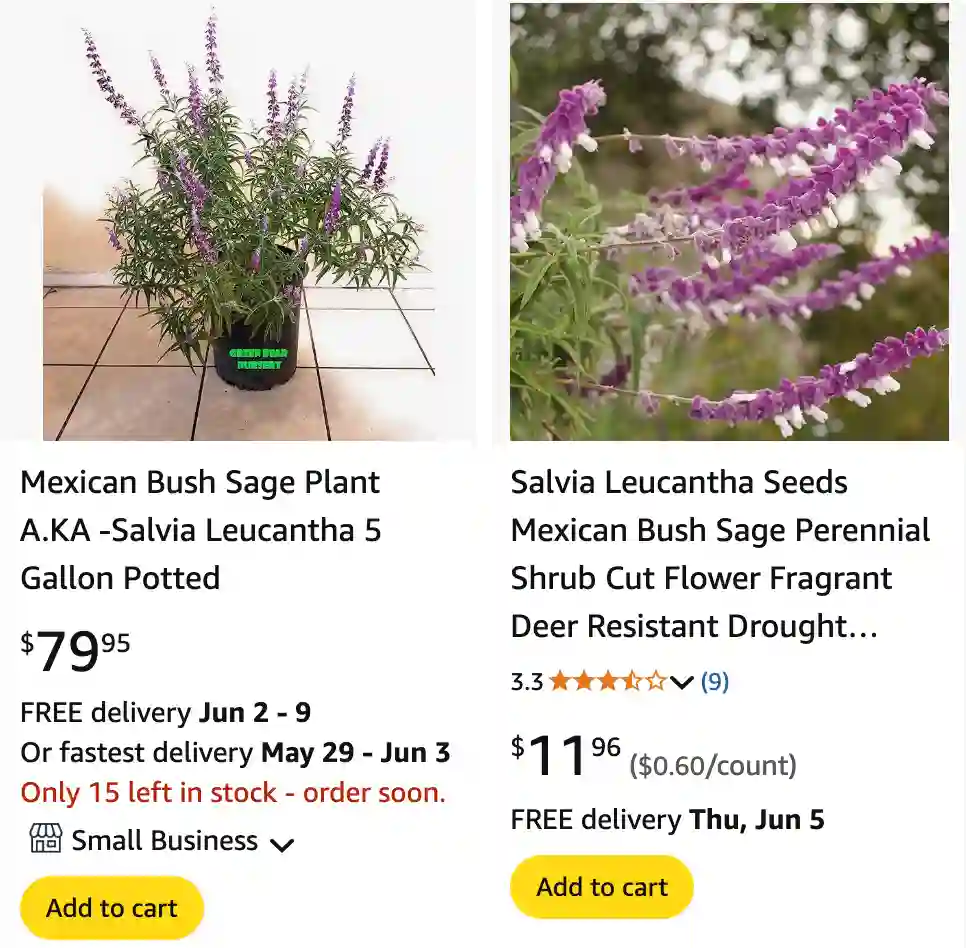
Salvia Leucantha is a striking perennial native to Mexico and Central America. It’s famous for its velvety, long purple flower spikes that bloom mainly in late summer and fall. The flowers grow on soft, fuzzy stems covered with silvery-green leaves, making the plant a visual delight in any garden.
I love that it attracts butterflies and hummingbirds — it’s like having a little wildlife sanctuary in my backyard! Plus, it’s drought-tolerant, which is a huge bonus if you live in a dry or warm climate.
How Do You Care for Salvia Leucantha?
In my experience, Salvia Leucantha is quite easy to care for if you meet a few basic needs:
- Sunlight: It thrives best in full sun. I’ve noticed that partial shade slows down blooming.
- Soil: Well-draining soil is a must. I’ve grown it in sandy or loamy soil with great success.
- Water: Moderate watering works best. It tolerates drought once established but doesn’t like soggy soil.
- Pruning: I usually prune it back in late winter or early spring to encourage fresh growth and better blooms.
I found that this plant has a natural resilience to pests and diseases, so I rarely needed to spray or treat it.
How Does Salvia Leucantha Compare to Other Salvias?
Salvia is a huge genus with hundreds of species, but I’ve grown a few and found Salvia Leucantha stands out in some ways:
- Versus Salvia Guaranitica (Anise-scented Sage): Guaranitica has darker, almost navy-blue flowers and a stronger anise smell. Leucantha’s flowers are lighter purple and softer looking, with more fuzzy texture.
- Versus Salvia Splendens (Scarlet Sage): Splendens is more vibrant red and grows more compact. Leucantha offers a more relaxed, natural look with its arching flower spikes.
- Versus Salvia Farinacea (Mealy Blue Sage): Farinacea has a similar blue-purple hue but is shorter and less bushy. Leucantha’s flowers are larger and more showy.
If you want a plant that combines beauty with a somewhat wild, natural vibe, Salvia Leucantha is a winner.
Is Salvia Leucantha Good for Pollinators?
Absolutely. From my observations, butterflies, bees, and hummingbirds adore this plant. The tubular flowers are perfectly shaped for hummingbird beaks and attract various butterfly species. It’s a fantastic way to boost biodiversity in your garden, and I always enjoy the lively activity around my Salvia plants.
Can Salvia Leucantha Be Grown in Pots?
Yes! I’ve grown Salvia Leucantha in containers successfully. Just make sure the pot has good drainage holes, and use a well-draining potting mix. The plant grows large, so choose a pot big enough to accommodate its root system. Container-grown plants may need more frequent watering than those in the ground.
What Are Common Problems With Salvia Leucantha?
While it’s generally low-maintenance, here’s what I’ve seen:
- Powdery mildew: Occasionally shows up in humid conditions. I control this by ensuring good air circulation and avoiding overhead watering.
- Root rot: Happens if the soil doesn’t drain well. Using raised beds or amending soil with sand can help.
- Winter dieback: In cold climates, the plant may die back to the ground but often regrows in spring.
How Fast Does Salvia Leucantha Grow?
From my experience, it grows fairly quickly during warm months. You can expect it to reach 3-4 feet tall and wide in a single growing season if conditions are right. It’s a vigorous grower, so plan space accordingly.
How Do I Propagate Salvia Leucantha?
Propagation is straightforward. I’ve propagated it by:
- Cuttings: Take softwood cuttings in spring or early summer. Root them in a moist, well-draining mix.
- Division: Older plants can be divided carefully in early spring.
- Seeds: It’s possible, but germination can be slow and less reliable than cuttings.
Is Salvia Leucantha Deer Resistant?
Yes, I’ve noticed deer tend to avoid it. The slightly fuzzy leaves might be unappealing to them, making it a good choice for areas with deer pressure.
How Does Salvia Leucantha Perform in Different Climates?
I’ve grown it in warm temperate and subtropical climates with great success. It can tolerate mild frost but struggles in prolonged freezing conditions. In colder zones, I recommend mulching heavily or growing it in pots that can be brought indoors during winter.
Can Salvia Leucantha Be Used for Landscaping?
Definitely. Its long-lasting flowers and architectural form make it ideal for borders, mass plantings, or even as a focal point in mixed beds. I also use it near patios and walkways because it adds vibrant color and attracts pollinators.
How Does Salvia Leucantha Compare to Lavender?
While both have purple flowers and attract pollinators, they differ significantly:
- Scent: Lavender is famously fragrant; Salvia Leucantha’s scent is more subtle.
- Climate: Lavender prefers drier, Mediterranean climates. Salvia Leucantha tolerates warmer, more humid areas.
- Growth habit: Lavender is more shrub-like with tightly packed flowers, while Salvia Leucantha has more relaxed, arching flower spikes.
I enjoy both, but for tropical or subtropical gardens, I lean towards Salvia Leucantha.
Final Thoughts on Salvia Leucantha
In all my gardening years, Salvia Leucantha remains one of my favorite salvias for its showy flowers, ease of care, and ability to attract wildlife. If you’re looking for a beautiful, hardy, and low-maintenance perennial, I highly recommend giving it a try. It’s a plant that rewards you with color and life year after year.

If i die, water my plants!