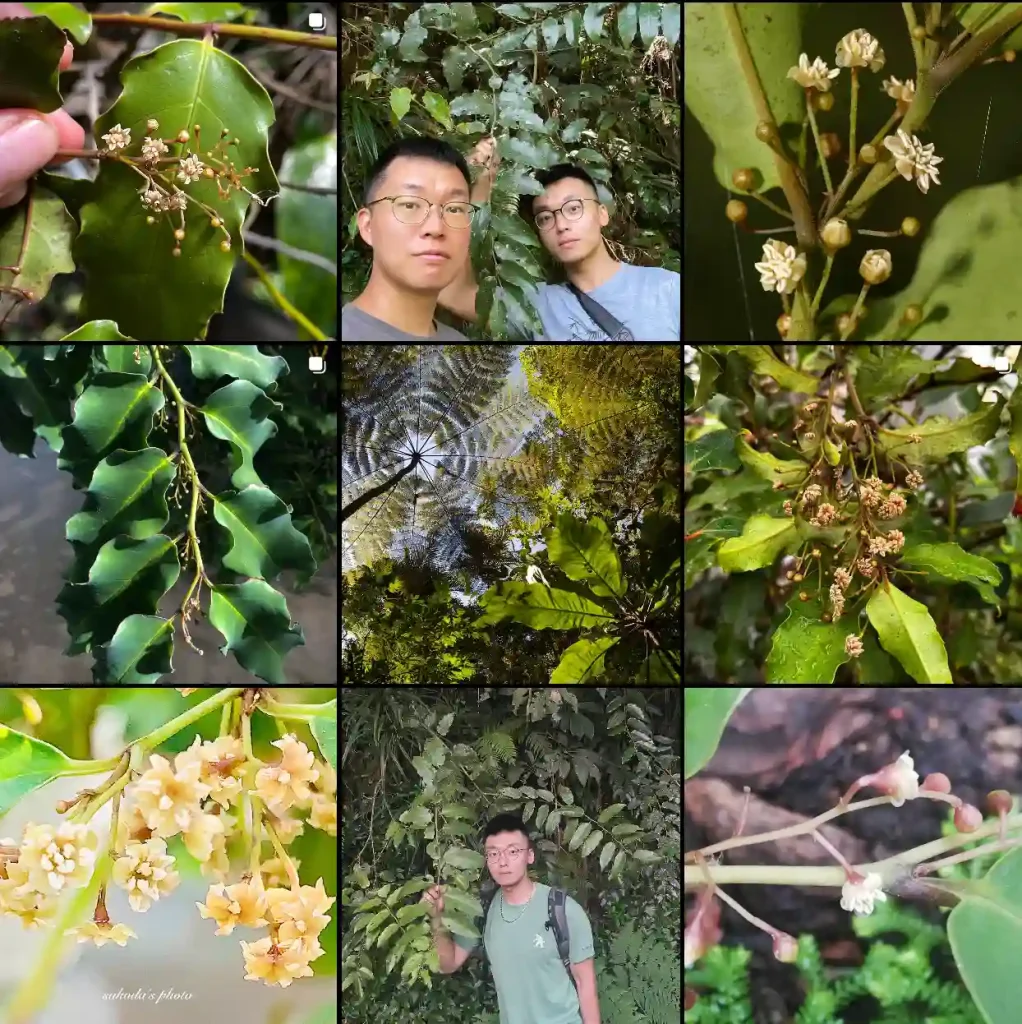
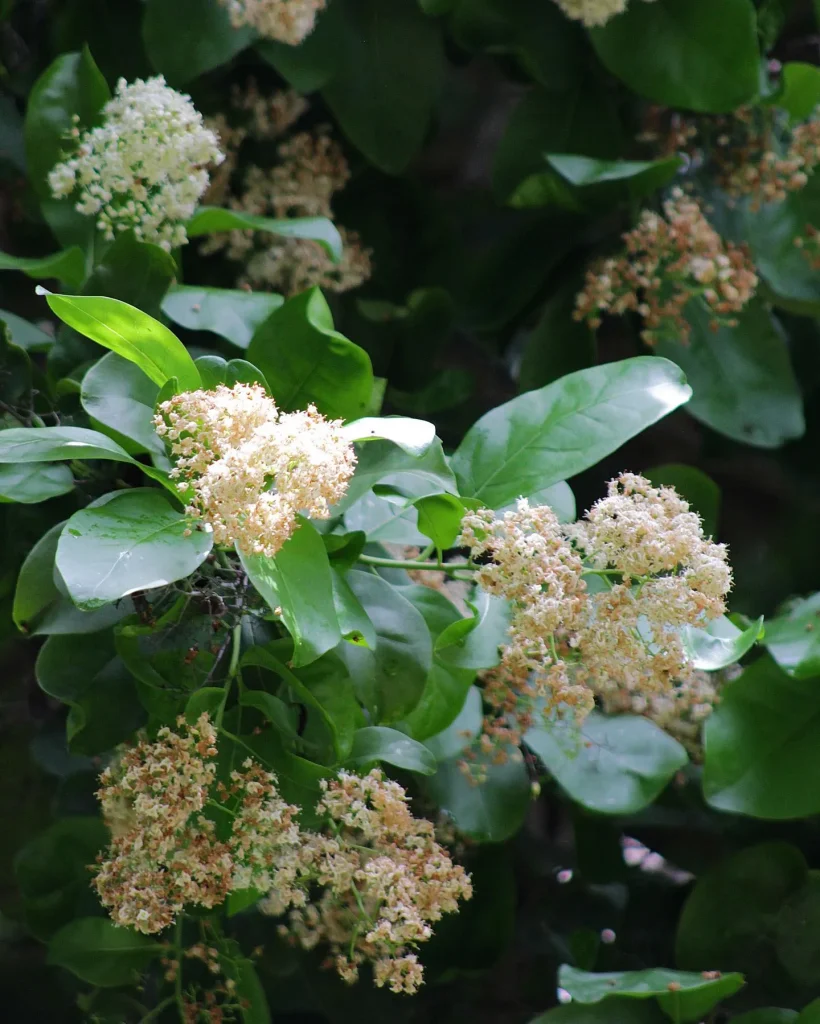
Hi, I’m Ferb Vu, and I want to share what I’ve learned about Malus Fusca — a fascinating wild crabapple species native to the Pacific Northwest. Over the years, I’ve explored this plant in different settings, compared it with other crabapples, and discovered how unique and useful it is. If you’re curious about Malus Fusca or thinking about adding it to your landscape or restoration project, here are some common questions I’ve encountered and answered from my personal experience.
43 Species in Genus Malus – Crabapple
What Is Malus Fusca and Where Does It Grow?
Malus Fusca, often called the Oregon crabapple or Pacific crabapple, is a small deciduous tree native to western North America, mainly the coastal areas of Oregon, Washington, and British Columbia. It thrives in moist soils, especially along riverbanks, wetlands, and coastal forests.
What I find interesting about Malus Fusca is how it naturally adapts to wet and sometimes saline environments where many other trees struggle. It’s a hardy species that supports local ecosystems by providing fruit and habitat for birds and wildlife.
How Does Malus Fusca Compare to Common Crabapple Varieties?
When people think of crabapples, they usually picture ornamental trees like Malus ‘Prairifire’ or Malus ‘Dolgo’ with showy flowers and colorful fruit. Malus Fusca, on the other hand, is more wild and rugged.
From my experience, the key differences are:
- Fruit Size & Color: Malus Fusca produces smaller, greenish-yellow to reddish fruit compared to the large, often bright red or pink fruit of cultivated crabapples. Its fruit is less showy but highly important for wildlife.
- Growth Habit: Fusca tends to have a more irregular, natural shape, unlike the compact, pruned forms of ornamental crabapples. It can reach about 15-30 feet tall but often looks like a shrubby tree.
- Environmental Tolerance: Malus Fusca excels in wet, sometimes brackish soils where most crabapples can’t survive. This makes it a great choice for restoration projects in riparian zones.
If you want a crabapple for a naturalized or ecological planting, Malus Fusca is a top pick. For decorative uses, you might still prefer cultivated varieties.
What Are the Growing Conditions for Malus Fusca?
Malus Fusca thrives in:
- Moist to wet soils
- Partial shade to full sun
- Zones 5-8 in USDA hardiness
I’ve seen it thrive along stream banks and in lowland forests. The soil can be clay, loamy, or sandy, as long as it stays moist. Unlike many ornamental apples, it tolerates occasional flooding and slightly salty water near coastal areas.
If you’re planting Malus Fusca, don’t worry about perfect soil drainage — this tree handles wet feet better than most. Just make sure it has room to spread, as it can grow quite wide over time.
Can I Use Malus Fusca for Edible Purposes?
Yes, though it’s not a common choice for fresh eating. The small crabapples are quite tart and seedy. However, I’ve enjoyed using Malus Fusca fruit to make preserves, jellies, and sauces. Birds and wildlife love the fruit, so it’s an excellent food source in natural landscapes.
If you want to grow a crabapple mainly for human consumption, other varieties might be better suited. Still, the wild, natural flavor of Malus Fusca products is unique and worth trying if you enjoy foraging.
How Does Malus Fusca Support Wildlife?
Malus Fusca plays a critical role in coastal and riparian ecosystems. From my observations:
- Birds like thrushes, waxwings, and cedar waxwings feast on the fruit.
- Small mammals use the tree for cover and food.
- The flowers attract bees and other pollinators during spring.
In fact, if you want to attract wildlife to your garden or restoration site, Malus Fusca is an excellent native option. Its ecological benefits often outweigh its ornamental qualities.
What Are the Differences Between Malus Fusca and Malus Sieversii?
Malus Sieversii is often called the wild ancestor of modern domestic apples. It grows mainly in Central Asia and looks similar to other crabapples. I’ve researched this comparison because people sometimes confuse the two wild apples.
The biggest differences I’ve noted:
- Geographic Range: Fusca is native to North America’s west coast, while Sieversii grows in Central Asia.
- Fruit and Tree Size: Sieversii generally has larger fruit and can grow bigger trees.
- Ecological Role: Fusca thrives in wet, coastal environments, while Sieversii prefers drier, mountainous regions.
If you’re interested in wild apple genetics or conservation, both species offer unique insights, but their habitats and roles differ significantly.
How Do I Propagate Malus Fusca?
From what I’ve learned and tried, Malus Fusca is usually propagated by seed. The seeds require cold stratification — a period of cold, moist conditions to break dormancy.
I’ve also read about propagation by hardwood cuttings, but seeds remain the most reliable method. Growing Fusca from seed can take several years before the tree matures and fruits.
If you want to start your own Malus Fusca, collect ripe fruit in late fall, clean out the seeds, and refrigerate them for 90 to 120 days before planting in spring.
Is Malus Fusca Resistant to Common Apple Diseases?
Malus Fusca tends to be more disease-resistant than many cultivated apples. Its natural habitat has made it tough against:
- Apple scab
- Fire blight
- Cedar apple rust
From my experience and research, this resistance is another reason Fusca is valuable for breeding programs aiming to improve disease resistance in commercial apples.
Can Malus Fusca Be Used in Landscaping?
Absolutely. I have used Malus Fusca in naturalized landscaping and riparian buffer zones. Its informal, shrubby form adds diversity and provides habitat value. It’s not a formal ornamental tree, but in the right setting, it shines.
If you want bright spring blooms or showy fruit, Fusca might not satisfy. But if you want a native, resilient crabapple that supports wildlife and thrives in moist conditions, it’s a great choice.
Where Can I Find Malus Fusca Plants or Seeds?
Native plant nurseries in the Pacific Northwest often carry Malus Fusca. Some seed banks and conservation groups also distribute seeds for restoration projects.
If you want to grow Malus Fusca outside its native range, check local regulations and consider its environmental impact. In suitable climates, it can be a great addition to ecological gardening.
Final Thoughts on Malus Fusca
I’ve come to appreciate Malus Fusca not just as a wild crabapple but as a plant with ecological, cultural, and horticultural value. It’s rugged and practical, a contrast to the more ornamental crabapples. If you’re interested in native plants, wildlife support, or unique fruit trees, I recommend giving Malus Fusca a closer look.

If i die, water my plants!