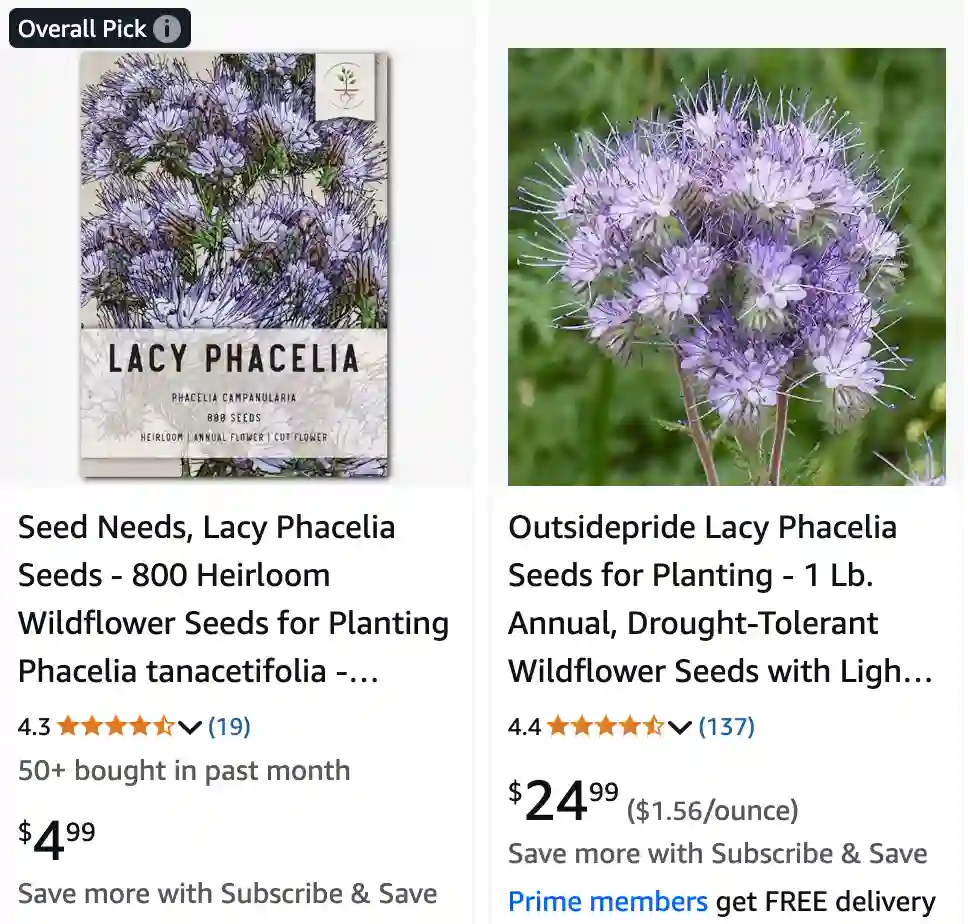
Phacelia Tanacetifolia is one of the most fascinating plants I’ve grown. This annual cover crop, often called Lacy Phacelia or Purple Tansy, is more than just a pretty face. I’ve used it for pollinator support, soil improvement, and even weed suppression. In this FAQ, I’ll walk you through what I’ve learned about this plant and how it compares to others in my garden.
What Is Phacelia Tanacetifolia?
I call it a powerhouse companion plant. Phacelia Tanacetifolia is a fast-growing annual herb native to California. It produces fern-like leaves and stunning blue-purple, coiled flowers. In my garden, it starts blooming within 6 to 8 weeks of sowing. Bees, hoverflies, and butterflies go wild for it.
Why Do Pollinators Love Phacelia Tanacetifolia?
From personal experience, this plant is a pollinator magnet. Its flowers produce high-quality nectar and are accessible to both short- and long-tongued bees. I’ve seen honeybees, bumblebees, and even native solitary bees hovering around it from sunrise to dusk.
If you’re building a bee-friendly garden or a pollination corridor, Phacelia beats almost everything else. It flowers for weeks and fills gaps between other bloom cycles.
How Do I Grow Phacelia Tanacetifolia?
It’s one of the easiest plants to grow:
- Soil: It doesn’t need rich soil. It thrives in sandy, loamy, or poor soil.
- Light: Full sun is best. In shade, it becomes leggy.
- Water: Moderate. It’s drought-tolerant once established.
- Spacing: I plant seeds directly in rows or scatter them, covering lightly with soil.
I use it as a green manure in spring and summer. It grows fast, then I cut and mulch it into the soil to improve organic matter and nitrogen retention.
How Does Phacelia Tanacetifolia Improve Soil?
It acts like a natural soil amendment. The root system loosens compacted soil and increases microbial life. I mix it with legumes like clover or grasses like rye to create a multi-species cover crop that enriches the earth.
When I chop and drop it at flowering, the plant decomposes quickly. That helps boost soil carbon, microbial activity, and nitrogen cycling—all vital for healthy crops.
Can It Help With Weed Suppression?
Yes. Phacelia Tanacetifolia grows thick and fast. Its canopy blocks light, which stops weeds before they start. I’ve intercropped it with tomatoes and squash, and it crowds out annual weeds like pigweed and crabgrass.
Its root exudates may also have allelopathic effects—which means it might release natural compounds that suppress germination of weed seeds.
Is Phacelia Tanacetifolia Invasive?
Not in my experience. While it reseeds readily, it’s not aggressive like mint or Bermuda grass. I monitor volunteers and remove any that pop up in places I don’t want. That said, always check your local guidelines if you’re outside the U.S. or in sensitive ecosystems.
How Does It Compare to Borage?
People often ask me to compare it with Borage, another pollinator favorite. Here’s my take:
| Feature | Phacelia Tanacetifolia | Borage |
|---|---|---|
| Bloom Time | Long, steady | Moderate |
| Bee Attraction | Extreme | High |
| Reseeding | Moderate | High |
| Soil Building | Excellent | Fair |
| Maintenance | Low | Medium |
If I had to pick one for soil-building and pure visual joy, I’d go with Phacelia. But if you want edible flowers or cucumber-flavored leaves, borage has its niche.
How Is It Different From Buckwheat?
Buckwheat and Phacelia both attract pollinators and improve soil. But their roles differ:
- Buckwheat germinates faster (within 3-5 days) and flowers within 4 weeks.
- Phacelia takes a little longer but flowers longer and doesn’t get as leggy.
I often use buckwheat for fast weed control and Phacelia for sustained pollinator attraction and deeper root structure.
Can I Use It in No-Till Gardening?
Absolutely. I’ve had great success using Phacelia in no-dig beds. I let it grow, chop it at bloom, and mulch over it. This suppresses weeds and feeds the soil without disturbing soil strata. It plays nicely with mycorrhizal fungi and promotes biological diversity.
Is It Safe for Livestock?
Generally, yes—but in moderation. According to forage studies, it’s palatable but not a major feed crop. I don’t grow it near grazing zones, as I prefer to use it strictly for soil and insect purposes. Always check local agricultural guidelines before feeding any new plant to animals.
Final Thoughts: Why I Recommend Phacelia Tanacetifolia
I think of it as a Swiss Army knife for gardeners. It beautifies, nourishes, and supports life above and below ground. It’s one of the few plants that makes my bees, soil, and crops all happy at once.
If you’re into regenerative gardening, organic farming, or just want a stunning patch of purple that’s alive with life—start with Phacelia Tanacetifolia. You won’t regret it.

If i die, water my plants!