I’m Ferb Vu, and over the years, I’ve grown a wide range of tough, low-maintenance landscape plants. But Elaeagnus Pungens stands out. It’s rugged, resilient, and, frankly, underappreciated. Whether you’re a beginner or a landscape veteran, this evergreen shrub deserves your attention. Below, I’ve answered the most common questions I’ve received and encountered about Elaeagnus Pungens, based on my own experience.
What Is Elaeagnus Pungens?
Elaeagnus Pungens is an evergreen shrub known for its dense, spreading habit and silvery foliage. Native to Asia, it belongs to the Elaeagnaceae family. I’ve found it to be a champion when it comes to drought tolerance, wind resistance, and even salty coastal air.
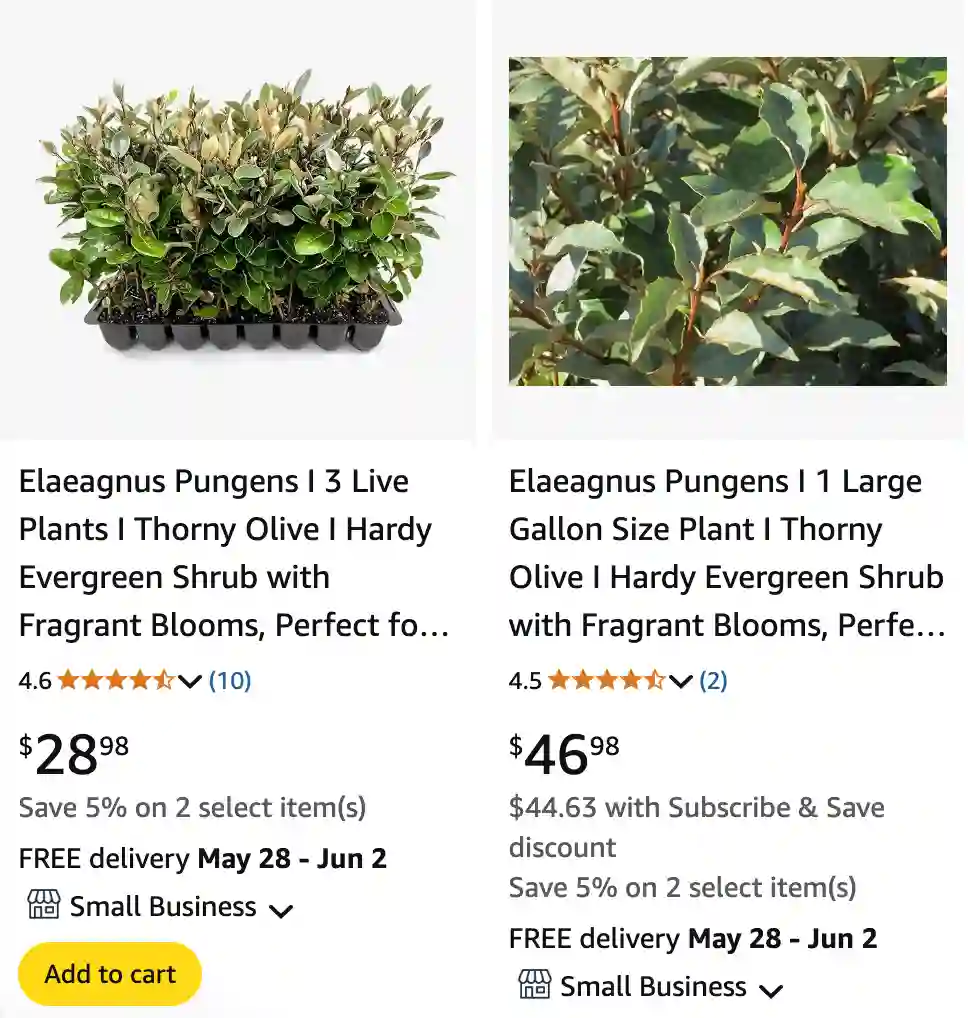
The leaves are leathery, often with silvery undersides and bronze speckles on top. In fall, it produces tiny but powerfully fragrant flowers, followed by small fruit that wildlife loves.
Is Elaeagnus Pungens Invasive?
Yes, it can be. And I won’t sugarcoat it—Elaeagnus Pungens spreads aggressively if not kept in check. Its fast-growing nature, combined with its ability to regenerate from cuttings and roots, means it can take over native plant communities if left unmanaged. In my yard, I prune it hard and regularly to control it. In some southeastern U.S. states, it’s even on invasive species watch lists.
That said, if you need erosion control or a privacy screen on tough terrain, there are few better choices.
How Do I Care For Elaeagnus Pungens?
If you can grow it, you can keep it alive. I plant mine in full sun to partial shade, though it grows best in full sun. It tolerates poor soils, drought, heat, wind, and even pollution. Watering is only needed during establishment.
I prune it in late winter to control its size and shape. You can also hedge it or let it grow wild. I’ve used it as a windbreak, privacy hedge, and even as a groundcover on slopes.
How Does Elaeagnus Pungens Compare to Elaeagnus Ebbingei?
I’ve grown both. While Elaeagnus Pungens is wilder and more vigorous, Elaeagnus × ebbingei is more refined. Ebbingei is a hybrid, usually a bit more compact and better suited for formal hedging. Both have silvery foliage and fragrant blooms, but Pungens is tougher and more aggressive.
If you want control, go with Ebbingei. If you need brute strength for a tough spot, Pungens is your plant.
Can I Use Elaeagnus Pungens as a Privacy Hedge?
Yes—and I do. Mine forms a thick, tangled wall that screens out everything. It gets up to 15 feet tall and wide if left unchecked. Its thorns add a security bonus. I space plants about 5 feet apart and shear them once or twice a year.
In my experience, few plants form a barrier as fast or as impenetrable as Elaeagnus Pungens.
Is Elaeagnus Pungens Good for Wildlife?
Absolutely. Birds love nesting in it, and they feast on the fruit. Pollinators flock to the fragrant flowers in fall. I’ve even seen bees out on cool days just for those blooms. The shrub also fixes nitrogen in the soil, which helps nearby plants grow.
If you’re trying to build a habitat garden, it’s a great support species—just watch its spread.
What Are the Best Varieties of Elaeagnus Pungens?
I’ve grown a few cultivars, and here are my favorites:
- ‘Maculata’ (also called ‘Aurea’): Features golden variegation—stunning against dark evergreens.
- ‘Fruitlandii’: A more compact, dense cultivar—great for hedging.
- ‘Hosoba Fukurin’: Narrow-leaved and variegated with white margins.
Each one brings a different visual texture to the garden. I mix them with conifers, grasses, and Nandina for layered contrast.
How Does Elaeagnus Pungens Handle Urban Conditions?
Like a champ. This is one of my go-to shrubs for urban landscapes. It resists air pollution, handles reflected heat, and bounces back from rough pruning or neglect. I’ve used it near sidewalks, parking lots, and busy roads—it thrives where fussier shrubs fail.
If you’re designing a low-maintenance commercial landscape, this is a strong candidate.
Can Elaeagnus Pungens Be Used in Coastal Landscapes?
Yes. I live within an hour of the coast, and mine handle salt spray and sandy soils just fine. Its adaptability to saline conditions, combined with its wind resistance, makes it a staple in coastal plant palettes.
What Plants Pair Well With Elaeagnus Pungens?
I’ve had great results combining it with:
- Miscanthus sinensis (Maiden Grass) for texture
- Buddleia davidii (Butterfly Bush) for color and pollinators
- Juniperus virginiana for evergreen contrast
- Ceanothus, especially in drought-prone areas
These combinations give me a strong, low-water, wildlife-friendly garden with year-round interest.
Final Thoughts
Elaeagnus Pungens is not for neat freaks or small spaces. But if you need a shrub that shrugs off heat, drought, wind, and neglect—and offers wildlife value and quick screening—this one is worth growing. Just respect its vigor.

If i die, water my plants!