Hi, I’m Ferb Vu, and if you’re here, you’re probably as curious about Vitis Rotundifolia as I once was. You might know it better as the Muscadine grape. It’s a native North American vine that thrives in the heat and humidity of the southeastern United States.
I’ve spent years growing and comparing it to other grapes and fruiting plants. Here’s a detailed FAQ article — in my own words — answering the questions I get asked most.
What Is Vitis Rotundifolia?
Vitis Rotundifolia is a species of grapevine native to the southeastern U.S. Unlike Vitis Vinifera (European grapes), this one handles hot, humid climates without blinking. It grows thick, woody vines and produces large, sweet-skinned grapes in late summer to early fall. I’ve tasted varieties ranging from bronze to dark purple — all rich in flavor and antioxidants.
How Does Vitis Rotundifolia Compare to Vitis Vinifera?
Big question. Here’s how I break it down:
- Disease Resistance: Vitis Rotundifolia wins. It shrugs off pests and diseases that wreck Vinifera grapes, especially Pierce’s disease.
- Flavor and Texture: Vinifera grapes like Cabernet or Chardonnay are more subtle and smooth-skinned. Muscadines are thicker-skinned with bold, fruity flavors.
- Climate Tolerance: Vitis Rotundifolia loves the Southeast — I grow mine in USDA Zones 7 to 10. Vinifera grapes don’t do well here without a lot of help.
- Winemaking: Vinifera grapes are more traditional for wine, but Muscadine wines have a unique, sweet punch. Some people love that rich, musky taste. I say, try it once.
Is Vitis Rotundifolia a Good Backyard Plant?
Yes. If you’ve got sunshine and space, it’s hard to beat. It’s a low-maintenance fruiting vine with ornamental value. The glossy, rounded leaves add charm, and birds love the grapes. I grow mine on trellises and fences, and it rewards me with fruit and shade. Just make sure it gets at least 6 hours of sunlight a day.
What Varieties of Vitis Rotundifolia Do I Recommend?
I’ve grown quite a few. Here are some of my favorites:
- Carlos: A bronze variety great for making wine. High yields, reliable performer.
- Noble: Deep purple, excellent for both fresh eating and juice.
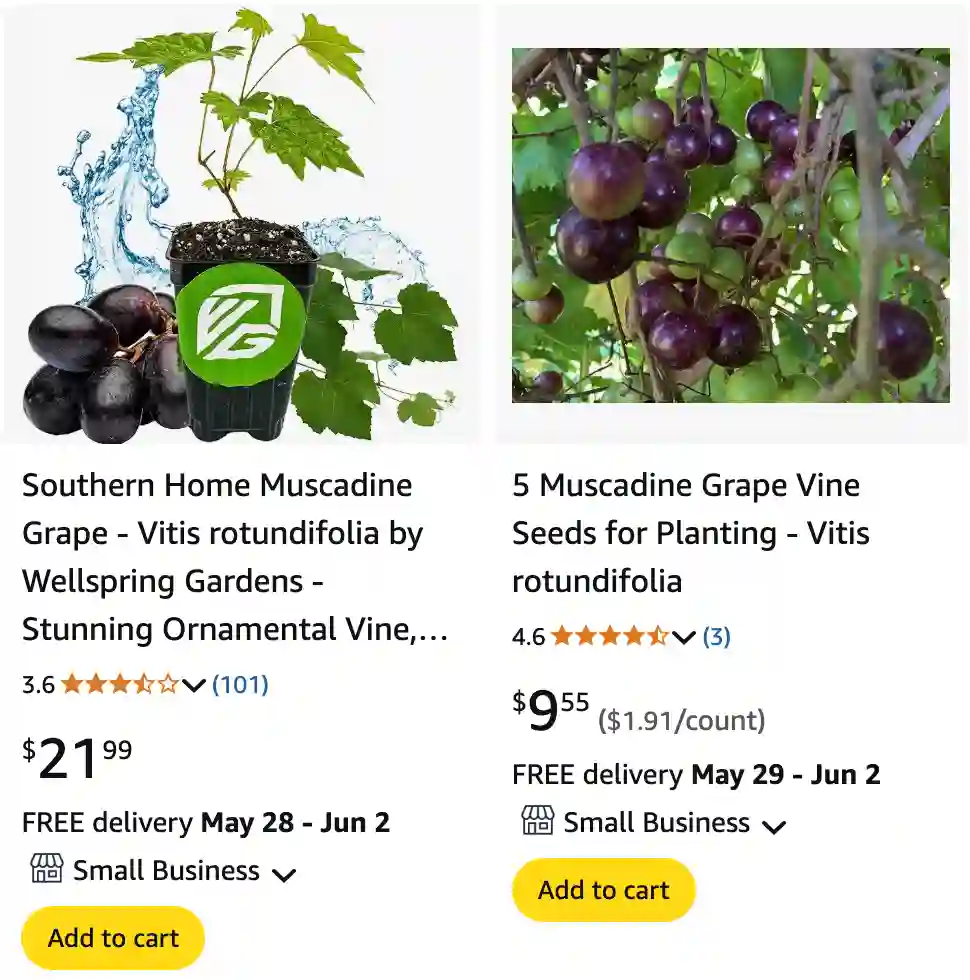
- Southern Home: A hybrid between Vitis Rotundifolia and Vitis Vinifera. It’s got unique cut-leaf foliage and rich flavor.
- Ison: Sweet, dark grapes — perfect for fresh snacking.
Each one has its strengths. Pick the variety that suits your taste and climate.
How Do I Care for Vitis Rotundifolia?
Keep it simple:
- Planting: Full sun, well-drained soil. Space vines 10 to 20 feet apart.
- Pruning: Vital. Do it in winter when vines are dormant. I prune mine to a single trunk and two arms along the trellis — a system called bilateral cordon.
- Watering: Deep, infrequent watering. I let mine dry a bit between waterings.
- Fertilizing: Go light on nitrogen. Too much and you get leaves instead of fruit. I use a balanced 10-10-10 fertilizer in spring and midsummer.
Can I Grow Vitis Rotundifolia in Containers?
Yes, but with limits. I’ve tried it in a 25-gallon container with good drainage. The yield was smaller, but it still produced. Choose a dwarf or compact cultivar, use rich potting soil, and give it a trellis or stake to climb. Water and feed more often, since containers dry out faster.
Is Vitis Rotundifolia Invasive?
No, not in my experience. It’s vigorous, yes, but not invasive. It won’t run wild like kudzu or wisteria. Still, if left unpruned, it can sprawl and shade out smaller plants. I keep mine in check with seasonal trimming.
How Do Muscadine Grapes Taste?
Think bold. The skins are thick and sometimes tart, but the pulp is juicy and sweet. Some people eat them whole — I do. Others prefer to spit the seeds and peel the skin. If you like fox grapes, you’ll probably enjoy Muscadines.
Are Muscadine Grapes Healthy?
Absolutely. They’re packed with resveratrol, ellagic acid, and antioxidants. Studies have linked them to:
- Improved heart health
- Anti-inflammatory effects
- Potential cancer-fighting properties
I snack on them guilt-free, and they make great homemade jams and jellies too.
Can I Use Vitis Rotundifolia for Wine?
Yes. Muscadine wine is a big deal in the Southeast. It’s sweet, fruity, and distinctive. I’ve made small batches with the Carlos and Noble varieties. It’s not a Bordeaux, but it’s refreshing and fun to make. Use cold fermentation to retain the flavor.
How Long Until Vitis Rotundifolia Bears Fruit?
Patience. In my garden, I saw fruit after 2 to 3 years. By year four, I was harvesting enough to make jelly and share with neighbors.
Final Thoughts
Vitis Rotundifolia isn’t just a plant — it’s a southern icon. Hardy, productive, and flavorful, it belongs in more gardens. Whether you grow it for fruit, wine, or just good looks, it’s a smart choice for warm climates.

If i die, water my plants!