I’m Ferb Vu, and today I want to share what I know about Pinus Echinata, also called Shortleaf Pine. This tree is a fascinating species native to the southeastern United States. Over the years, I’ve grown curious about it—its characteristics, uses, and how it compares to other pines. I’ll answer common questions about Pinus Echinata in this article, hoping to offer you clear, useful info.
What Is Pinus Echinata and Where Does It Grow?
Pinus Echinata, or Shortleaf Pine, is a medium-sized pine native to the southeastern U.S., ranging from southern New York down to eastern Texas and northern Florida. It prefers well-drained soils and grows mostly in upland sites but can tolerate a variety of conditions. I appreciate that it’s quite hardy, adapting to different soil types and moisture levels. You’ll find it often mixed with hardwoods like oaks and hickories.
How Can You Identify Pinus Echinata?
Identifying Pinus Echinata is straightforward if you know what to look for. It has short needles, typically in bundles of two or three, about 3 to 5 inches long. The bark is dark brown and scaly, with plates that peel away in thin flakes. Its cones are small to medium, around 1.5 to 3 inches long, with sharp spines at the tip—hence the name “echinata,” which means spiny.
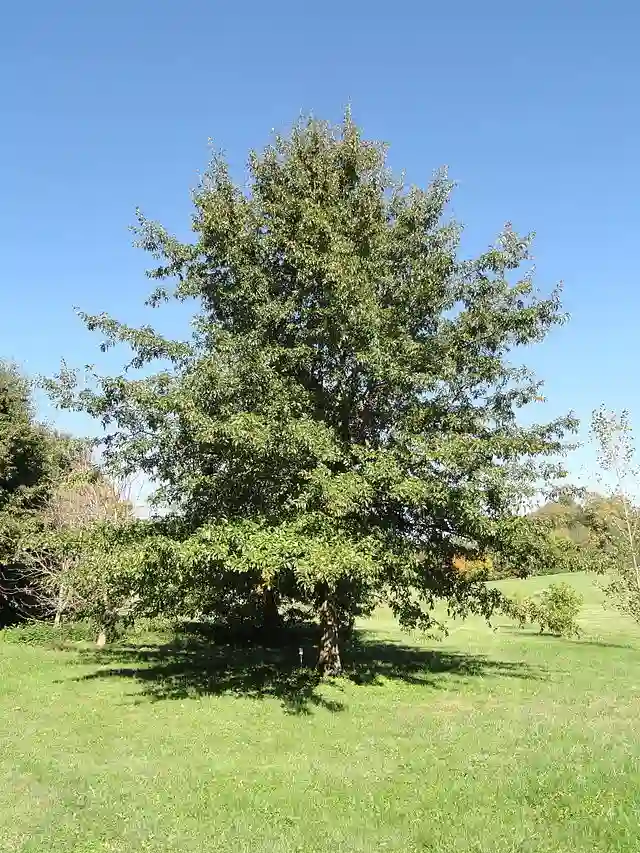
The tree’s overall shape is conical when young but becomes more rounded as it matures. I’ve noticed the needles have a slightly twisted look, which helps distinguish it from similar pines.
How Does Pinus Echinata Compare to Other Pines Like Pinus Taeda?
Pinus Taeda, or Loblolly Pine, is often compared with Pinus Echinata because they share overlapping ranges and habitats. From my experience, Loblolly Pines grow faster and taller, sometimes reaching over 100 feet, while Shortleaf Pines are more modest, typically topping out around 70 to 80 feet.
Shortleaf Pine needles are shorter and stiffer than those of Loblolly Pine, which has longer and softer needles. Also, Pinus Echinata is more fire-resistant due to its ability to sprout new growth from the stump after fire damage, a trait Loblolly lacks. This makes Shortleaf Pine valuable in fire-prone ecosystems, where I’ve seen it bounce back well after controlled burns.
What Are the Ecological Benefits of Pinus Echinata?
I find Pinus Echinata to be an essential part of southeastern forests. It supports wildlife like squirrels, turkeys, and various songbirds that feed on its seeds. The tree’s dense canopy provides shelter and nesting sites.
Ecologically, it’s vital for restoring degraded lands, thanks to its adaptability and fire tolerance. In my observation, the tree plays a role in maintaining soil health and preventing erosion on slopes and uplands.
Can Pinus Echinata Be Used for Timber or Landscaping?
Absolutely. Shortleaf Pine is a commercial timber species, prized for its strong, resilient wood used in construction, furniture, and paper products. The wood’s hardness and resistance to decay make it valuable.
In landscaping, I’ve seen it used as a natural privacy screen or windbreak. Its moderate size and attractive, dark-green needles add visual interest. Unlike some pines, it doesn’t produce excessive resin or drop large amounts of needles, making it lower-maintenance for yards.
How Does Pinus Echinata Respond to Fire?
One thing that fascinates me about Pinus Echinata is its remarkable fire adaptation. When younger trees suffer fire damage, they can resprout from dormant buds on the stump, a survival strategy rare among pines.
This ability means it often dominates in areas with frequent low-intensity fires, outcompeting species that lack this trait. I’ve personally seen stands of Shortleaf Pine regrow vigorously after a burn, reinforcing their role in fire-adapted ecosystems.
What Are Common Pests and Diseases Affecting Pinus Echinata?
Like any tree, Pinus Echinata has its challenges. I’ve noticed it can be vulnerable to pitch canker, a fungal disease causing resinous cankers and dieback. The Southern Pine Beetle is another threat; it bores into the bark, disrupting nutrient flow.
Proper forest management and monitoring are key to minimizing damage. In my experience, mixed stands and healthy soil conditions help trees resist pests better than monocultures.
How Does Pinus Echinata Compare with Pinus Palustris (Longleaf Pine)?
Pinus Palustris, or Longleaf Pine, is another iconic southeastern pine species. Longleaf Pines are larger, with needles three times longer than Shortleaf’s, often bundled in threes.
Longleaf Pine habitats have a more open forest floor, maintained by frequent fires, which support diverse understory plants. Shortleaf Pine forests tend to be denser. I’ve noticed that Longleaf Pines require more specific conditions to thrive, such as sandy, well-drained soils, while Pinus Echinata tolerates a broader range.
Is Pinus Echinata a Good Choice for Reforestation Projects?
From my perspective, yes. Its adaptability and fire tolerance make Pinus Echinata ideal for reforestation, especially in areas where fire is part of the natural cycle. It grows relatively fast and supports native wildlife, contributing to ecosystem restoration.
However, it’s important to assess site conditions carefully. In wetter or poorly drained soils, other pines like Loblolly might outperform it. But overall, I’ve found Shortleaf Pine to be a reliable, resilient choice.
What Role Does Pinus Echinata Play in Climate Resilience?
Trees like Pinus Echinata contribute to carbon sequestration and soil stabilization. Its ability to regrow after fire also means it can maintain forest cover in changing climates with more frequent fires.
From what I’ve seen, preserving and planting this species helps buffer ecosystems against extreme weather. Its extensive root system supports soil health, preventing erosion during heavy rains.
Final Thoughts
Pinus Echinata is a tree I admire for its resilience and versatility. Whether you’re a forester, gardener, or nature lover, understanding this species helps you appreciate the role it plays in southeastern U.S. forests.
Its unique traits—short, stiff needles, fire resilience, and wildlife support—make it stand out among pines. Comparing it with species like Loblolly and Longleaf Pine gives perspective on the diverse pine ecosystems we have.

If i die, water my plants!