Hi, I’m Ferb Vu, and I want to share my experience and insights about Ilex Cornuta, commonly called Chinese Holly or Horned Holly. Over the years, I’ve worked with many plants, but Ilex Cornuta stands out for its distinctive look and versatility. Here, I’ll answer common questions I get and compare it with some other hollies and evergreens, so you can decide if it fits your garden.
What Is Ilex Cornuta and Why Is It Popular?
Ilex Cornuta is an evergreen shrub native to East Asia. What makes it unique is the “horned” shape of its leaves — they have these sharp, pointed lobes that look like little horns. It grows fairly fast, reaching anywhere from 6 to 15 feet tall, depending on the variety.
People like it because it offers year-round interest: dark green glossy leaves, bright red berries in the fall and winter (if you have a female plant), and dense growth that makes it great for hedges or privacy screens. I appreciate how tough it is. It tolerates heat, drought, and some shade, which isn’t true for all hollies.
How Does Ilex Cornuta Compare to Other Hollies?
When I compare Ilex Cornuta to something like Ilex Opaca (American Holly), the differences are clear. American Holly has smoother leaves without the horn-like points. Ilex Cornuta’s leaves feel sharper and more aggressive, which makes it a good choice if you want a natural barrier or security hedge.
Another comparison I often make is with Ilex Crenata, a Japanese holly that looks more like boxwood because its leaves are smaller and rounder. Crenata is great for formal hedges or topiary. Ilex Cornuta, on the other hand, feels wilder and more architectural, with those distinctive leaves giving it character.
What Are the Best Growing Conditions for Ilex Cornuta?
Ilex Cornuta is pretty forgiving. It thrives in full sun to partial shade, but I’ve noticed it tends to develop better berry production with more sun. It handles well in USDA zones 7 through 9, which covers much of the southern and southeastern U.S.
Soil-wise, it isn’t picky either. I’ve grown it in sandy, clay, and loamy soils. The key is good drainage because it doesn’t like sitting in water. Mulching helps maintain moisture and keeps roots cool during summer.
Does Ilex Cornuta Need Both Male and Female Plants to Produce Berries?
Yes, this is something I’ve learned firsthand. Ilex Cornuta is dioecious, which means there are separate male and female plants. The females produce the bright red berries, but only if a male is nearby for pollination.
I made the mistake once of planting only females, hoping for berries. None appeared until I added a male. So, if you want those classic red berries to brighten winter, plan for at least one male plant for every 3-5 females.
How Do You Prune Ilex Cornuta and When?
I prune mine in late winter or early spring before new growth starts. It responds well to shaping, whether you want a neat hedge or a more natural shrub form.
Ilex Cornuta tolerates hard pruning but I prefer light trimming to maintain the unique leaf shape. Over-pruning can ruin its natural “horned” aesthetic. Also, pruning after berries form risks cutting off next season’s fruit.
Is Ilex Cornuta Deer-Resistant?
One thing I’ve appreciated is that deer generally avoid it. The sharp, spiny leaves are unappealing to them, unlike softer plants. This makes Ilex Cornuta a smart choice if you have a deer problem but want evergreen color and texture.
What Pests and Diseases Should I Watch For?
While Ilex Cornuta is tough, I’ve seen it affected occasionally by leaf miners, spider mites, and scale insects. I keep an eye out for discolored leaves or webbing and treat early with insecticidal soap or horticultural oil.
As for diseases, it can get leaf spot or root rot if drainage is poor. Healthy growing conditions and good airflow help prevent these issues. Compared to some hollies I’ve worked with, it’s quite resilient.
Can Ilex Cornuta Be Used in a Hedge or Privacy Screen?
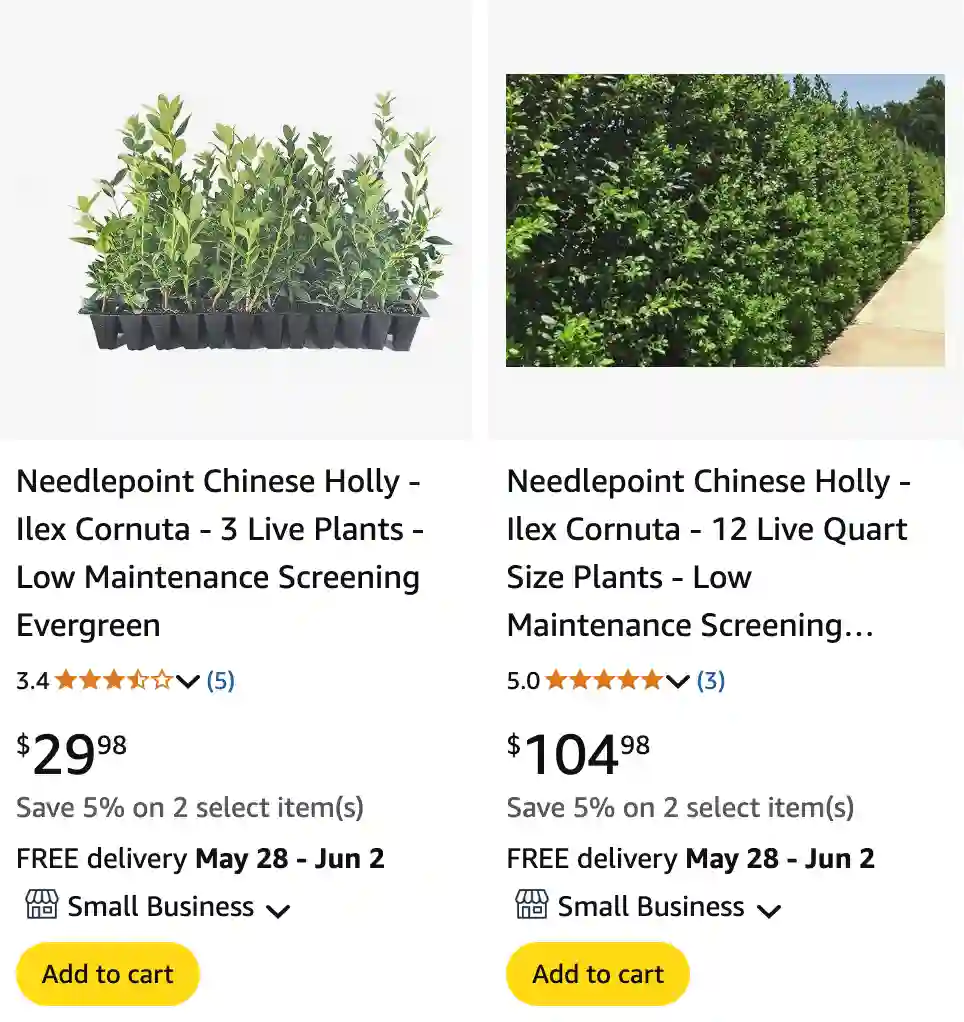
Definitely. I’ve used Ilex Cornuta in hedges because it grows dense and tall. The spiny leaves add an extra layer of security and make it hard to push through. It also keeps its foliage all year, so it provides privacy even in winter.
For best results, plant them about 3 feet apart for a thick hedge. Regular pruning keeps the hedge uniform and attractive.
How Does Ilex Cornuta Handle Urban Pollution?
In my experience, Ilex Cornuta handles urban pollution better than many broadleaf evergreens. I’ve grown it near busy roads and in city gardens, and it stayed healthy. This makes it a good choice for city landscaping where other plants might struggle.
Can Ilex Cornuta Be Grown in Containers?
Yes! I’ve grown dwarf varieties like ‘Rotunda’ in large containers. Container growing needs more frequent watering, especially in summer, but it works well if you want a decorative evergreen on a patio or balcony.
How Long Does Ilex Cornuta Live?
I’ve had some Ilex Cornuta plants for over 15 years, and they’re still going strong. With good care, they can live several decades. Their slow to moderate growth rate means they don’t outgrow their space quickly.
What Are Some Popular Varieties of Ilex Cornuta?
Ilex Cornuta has several cultivars. A few I’ve enjoyed are:
- ‘Burfordii’ – A classic variety with glossy, large leaves and abundant berries.
- ‘Rotunda’ – A dwarf, rounded form perfect for containers or small gardens.
- ‘Dwarf Burfordii’ – A smaller form of Burfordii, good for tighter spaces.
Each has slightly different growth habits, but all share the signature horned leaves.
Final Thoughts
Ilex Cornuta is a fantastic evergreen for many gardeners. Its unique foliage, berry display, and toughness make it stand out. Whether you want a security hedge, winter interest, or an easy-care shrub, Ilex Cornuta checks a lot of boxes.

If i die, water my plants!