I’m Ferb Vu, and I’ve spent quite some time learning about Rubus Allegheniensis, commonly known as the Allegheny blackberry. It’s a fascinating plant with a rich history and many uses. Whether you’re a gardener, forager, or just curious, I’m here to share the answers to the most common questions I’ve encountered about it. Let’s dive in.
What Is Rubus Allegheniensis?
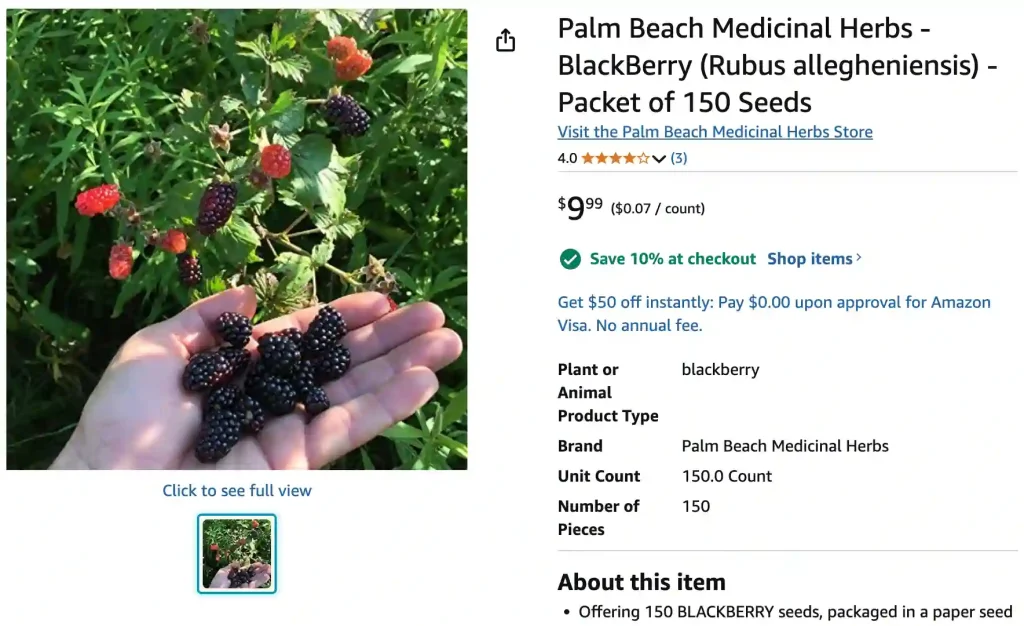
Rubus Allegheniensis is a species of blackberry native to eastern North America. It thrives in woodlands, forest edges, and disturbed areas. You’ll recognize it by its woody, thorny canes and clusters of blackberries that start red and mature to a deep, sweet black.
This plant is a wild relative of cultivated blackberries, but it’s hardier and more resilient. I find it rewarding because it doesn’t require much care once established. Plus, its berries are delicious and packed with antioxidants.
How Does Rubus Allegheniensis Differ From Other Blackberry Species?
When I compare Rubus Allegheniensis to other blackberries like Rubus fruticosus (European blackberry) or Rubus occidentalis (black raspberry), a few things stand out:
- Growth Habit: Rubus Allegheniensis typically grows as a tall, arching shrub, reaching up to 8 feet or more. It spreads aggressively by tip-rooting, which means it can quickly cover large areas.
- Berry Flavor: The berries have a unique balance of sweet and tart, often more flavorful than commercial blackberries.
- Thorns: Its canes are densely covered with curved, sharp thorns, which are more pronounced than those on some other blackberry species.
- Adaptability: It’s well-adapted to the cooler climates of the northeastern US and Canada, making it more cold-tolerant than many other Rubus species.
Can You Eat Rubus Allegheniensis Berries?
Absolutely! I’ve eaten the berries fresh, baked them into pies, and even made homemade jam. The berries are safe and edible. However, be cautious when harvesting because of the thorny canes.
Their flavor is robust and natural, often more intense than the store-bought blackberries. They’re a great source of vitamins C and K, dietary fiber, and antioxidants like anthocyanins, which support health.
How Do I Grow Rubus Allegheniensis in My Garden?
From my experience, this plant prefers:
- Soil: Well-drained, slightly acidic to neutral soil.
- Sunlight: Full sun to partial shade.
- Water: Moderate watering; it tolerates drought once established but grows best with regular moisture.
- Space: Give it room to spread, as it can become invasive if unchecked.
I recommend pruning old canes after fruiting to encourage new growth. Also, consider installing trellises or supports since the canes can get heavy with fruit.
What Wildlife Benefits From Rubus Allegheniensis?
One of the reasons I appreciate Rubus Allegheniensis is how it supports biodiversity. Birds, deer, rabbits, and small mammals feed on the berries and foliage. Pollinators like bees are attracted to its white flowers in spring.
The dense thickets also provide shelter for nesting birds and small wildlife. If you’re looking to create a wildlife-friendly garden, this plant is an excellent choice.
Is Rubus Allegheniensis Invasive?
While it spreads aggressively, I wouldn’t classify it as a problematic invasive species in its native range. In fact, it often helps with soil stabilization on slopes and disturbed sites.
However, if you plant it outside its native zone or in small garden plots, keep an eye on its spread. Regular pruning and removing unwanted suckers help keep it manageable.
How Does Rubus Allegheniensis Compare With Rubus Occidentalis (Black Raspberry)?
I often get asked how Allegheny blackberry compares with black raspberry. Here’s what I’ve noticed:
- Canes: Allegheny blackberry has woody, thorny canes that arch, while black raspberry has thinner, less thorny canes that often stand more upright.
- Fruit: Black raspberry fruits separate easily from the core, leaving a hollow center. Allegheny blackberries do not.
- Taste: Black raspberries tend to have a sweeter, more delicate flavor, while Allegheny blackberries have a bolder taste.
- Growth: Black raspberries prefer well-drained soils and full sun, similar to Allegheny blackberry, but they generally occupy a different niche ecologically.
Can Rubus Allegheniensis Be Used Medicinally?
Traditional uses of Rubus Allegheniensis include remedies for digestive issues and inflammation. I’ve read about its leaves and roots being brewed into teas for stomach relief.
While scientific evidence is limited, many wild blackberry species have antioxidant properties. I personally enjoy herbal teas made from the leaves during the growing season, as they have a mild, pleasant taste.
What Are Some Challenges in Growing Rubus Allegheniensis?
From my time tending to this plant, the main challenges include:
- Thorns: Handling the thorny canes requires gloves and careful pruning.
- Pests: Common pests include raspberry crown borer and aphids, but infestations are usually manageable.
- Disease: Fungal diseases like anthracnose and rust can affect the plant, especially in humid climates.
- Space: Without control, the plant can take over an area.
But overall, it’s a hardy plant that rewards patience.
How Do I Harvest Rubus Allegheniensis Berries?
I harvest the berries when they turn fully black and are slightly soft to the touch. Picking early can result in tart fruit, while waiting for full ripeness gives the best sweetness.
Since the canes are thorny, I use long sleeves and gloves. Picking in the morning when berries are cool helps preserve their freshness.
Can Rubus Allegheniensis Be Propagated Easily?
Yes! You can propagate it by:
- Tip layering: Bend a cane to the ground, cover part with soil, and roots will form.
- Root cuttings: Taking sections of roots and planting them.
- Suckers: Removing and transplanting the new shoots that grow from roots.
I prefer tip layering because it’s simple and effective.
Final Thoughts on Rubus Allegheniensis
Rubus Allegheniensis is a versatile, native blackberry species that I’ve grown with great satisfaction. Its wild flavor, ecological benefits, and resilience make it a worthy addition to any native plant garden or forager’s patch. Handling its thorns can be tricky, but the rewards are worth it.

If i die, water my plants!