Hi, I’m Ferb Vu. If you’ve ever locked eyes with a Gerbera Jamesonii, you know it’s not just another flower. It stops you. Bright, daisy-like, and bursting with confidence, this plant brings joy like few others I’ve grown. I’ve had my fair share of trials and triumphs with it, and here’s a breakdown of all the most common questions I get asked about Gerbera Jamesonii, also known as the Transvaal Daisy or Barberton Daisy.
What Is Gerbera Jamesonii?
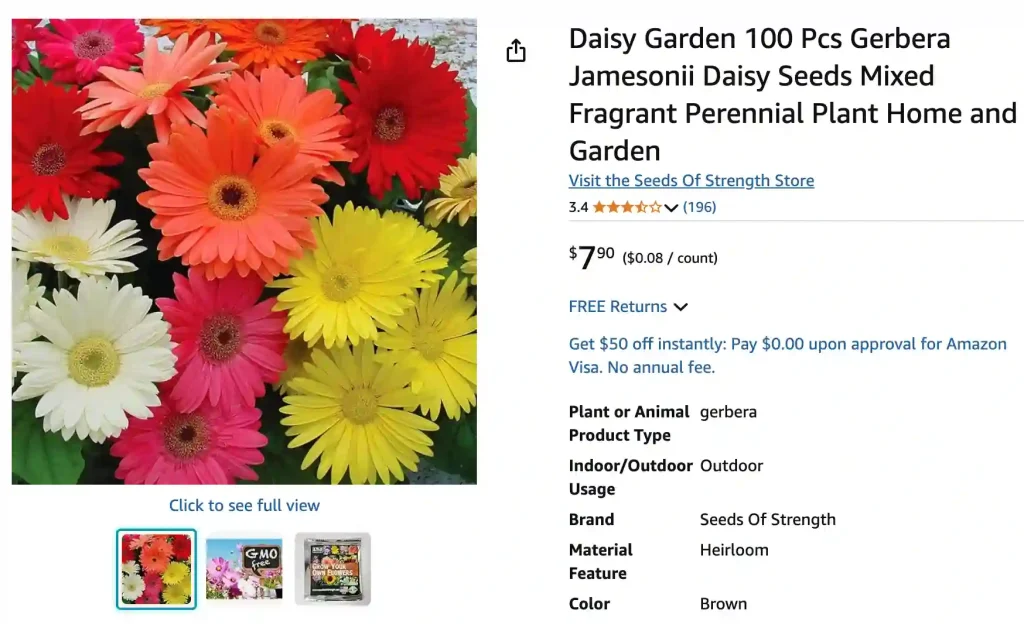
Gerbera Jamesonii is a flowering plant native to South Africa, known for its large, colorful daisy-like blooms. It’s part of the Asteraceae family, which includes sunflowers and asters. The flowers come in vivid shades—red, pink, orange, yellow, even white. I’ve grown several colors, and they all perform well when given what they need.
How Do I Care for Gerbera Jamesonii?
I keep it simple:
- Light: They love full sun but don’t mind partial shade, especially in hot climates.
- Soil: Well-draining, slightly acidic soil (pH 5.5–6.5) is ideal.
- Water: I water at the base to avoid leaf rot, keeping soil moist but never soggy.
- Humidity: Moderate levels suit it best.
- Fertilizer: I use a balanced liquid fertilizer (10-10-10) every two weeks during blooming.
Key tip? Don’t bury the crown. Keep it level with the soil to avoid rot. Trust me, I learned that the hard way.
Is Gerbera Jamesonii a Perennial or Annual?
That depends on your climate. Where I live (USDA Zone 9b), it acts like a short-lived perennial. In cooler areas, folks grow it as an annual or bring it indoors over winter. In tropical and subtropical climates, it can bloom year-round.
Why Are My Gerbera Leaves Yellowing?
I’ve seen yellow leaves caused by:
- Overwatering
- Poor drainage
- Nutrient deficiency (especially nitrogen or iron)
- Crown rot
I treat yellowing with better drainage, reduced watering, and occasional foliar feed. It usually rebounds quickly if the crown hasn’t rotted.
Can I Grow Gerbera Indoors?
Yes—but it’s tricky. Indoors, I place it near a south-facing window for max sunlight. I use a grow light during darker months. Good air circulation is key, too. Without it, pests like spider mites or aphids sneak in.
How Does Gerbera Jamesonii Compare to African Daisy?
This is one I get a lot. The African Daisy (Osteospermum) and Gerbera Jamesonii look similar but behave differently.
| Feature | Gerbera Jamesonii | African Daisy (Osteospermum) |
|---|---|---|
| Origin | South Africa | South Africa |
| Light Needs | Full to partial sun | Full sun |
| Soil Preference | Acidic, well-drained | Neutral, well-drained |
| Bloom Size | Larger (up to 5″) | Smaller |
| Temperature Tolerance | Less heat-hardy | More drought-tolerant |
| Indoors | Possible with effort | Rarely kept indoors |
I grow both. Gerbera adds boldness; Osteospermum gives reliability.
Is It Good for Pollinators?
Absolutely. Bees, butterflies, and sometimes even hummingbirds visit my Gerbera beds. It’s one of the reasons I keep them blooming as long as I can. Plant them near other pollinator-friendly species like Echinacea, Zinnia, and Lavender, and you’ve got a wildlife hub.
Can I Propagate Gerbera Jamesonii?
Yes, and I have. You can propagate it by:
- Seeds – Germinate in 2–3 weeks. Not always true to the parent.
- Division – My preferred method. I divide mature clumps every 2–3 years.
- Tissue Culture – Used commercially. Too complex for me at home.
Remember to handle the roots gently. They don’t like disturbance.
What Pests or Diseases Should I Watch For?
Here’s my hit list of troublemakers:
- Aphids and spider mites – I spray with neem oil.
- Powdery mildew – Happens if airflow is poor.
- Botrytis (gray mold) – Mostly in wet, crowded settings.
- Leaf spot and crown rot – Due to overwatering or poor drainage.
Good hygiene and spacing prevent most problems.
What Are the Best Companion Plants?
In my garden, I pair Gerbera Jamesonii with:
- Salvia – Contrast in form and color.
- Coreopsis – Same sun and soil needs.
- Dusty Miller – Fuzzy silver leaves make Gerbera pop.
- Petunias – Long bloom time and trailing habit.
These all thrive together and make borders stand out.
Is Gerbera Jamesonii Toxic to Pets?
Good news—it’s non-toxic to cats and dogs, according to the ASPCA. I grow it near my curious tabby without worry.
Can I Use Gerbera in Bouquets?
Absolutely. I often cut them for fresh arrangements. Here’s what I do:
- Cut early in the morning.
- Use a clean, sharp blade.
- Place stems in lukewarm water fast.
- Use floral wire to support the soft stems.
They last about a week with proper care. A few Gerberas in a vase light up a room.
Final Thoughts
Gerbera Jamesonii isn’t just eye candy—it’s a plant with heart. It takes some care, sure, but it gives so much in return. Vivid blooms, happy pollinators, and that undeniable burst of color. Whether in the ground, a pot, or a vase, it’s one of those plants that always earns its space in my garden.

If i die, water my plants!