Hey, it’s Ferb Vu here. I’ve spent quite some time with Lilium Superbum, and I’m excited to share what I’ve learned. This tall, striking lily isn’t just a pretty flower; it’s a fascinating plant with unique traits. If you’re curious about growing it or just want to understand it better, this FAQ covers the essentials—straight from my experience and research.
What Is Lilium Superbum?
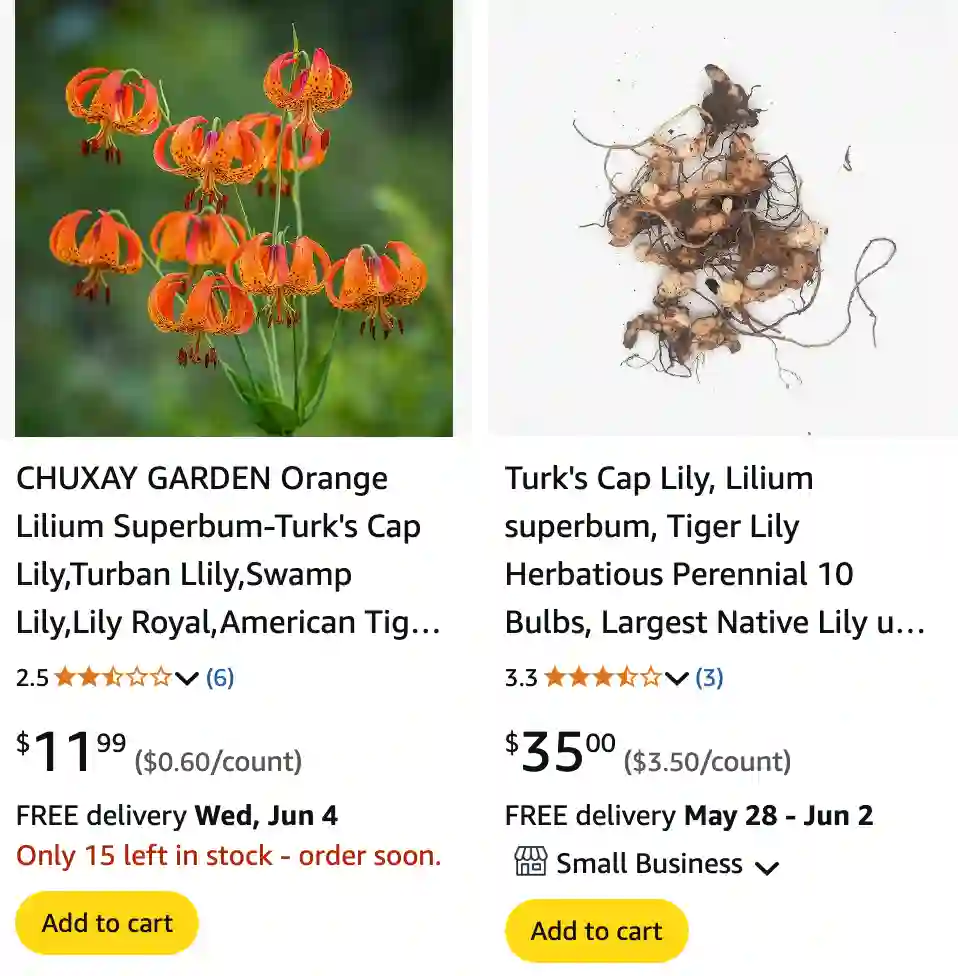
Lilium Superbum, also called the Turk’s Cap Lily or American Turk’s Cap, is a native North American lily. It stands out for its tall stature—often reaching up to 6 feet—and its bright, downward-facing, orange flowers with spots. The petals curl back dramatically, which gives it a “turban” or “turk’s cap” shape.
I like this plant because it adds vertical drama to any garden, and its flowers attract pollinators like butterflies and hummingbirds. It’s part of the Liliaceae family, related to other lilies, but it has its own wild charm that differentiates it from popular Asiatic or Oriental hybrids.
How Does Lilium Superbum Compare to Other Lilies?
When comparing Lilium Superbum to other lilies like Lilium Lancifolium (Tiger Lily) or Lilium Candidum (Madonna Lily), a few things stand out:
- Height: Superbum is taller than many lilies, often doubling the height of Tiger Lilies.
- Flower Shape: Its petals reflex sharply backward, unlike the more open or trumpet-shaped flowers of others.
- Habitat: It thrives in moist, well-drained soils often near woodlands, unlike Asiatic lilies that prefer full sun and well-drained garden beds.
- Bloom Time: It typically blooms mid to late summer, whereas some lilies flower earlier.
I’ve grown Tiger Lilies side-by-side with Superbum, and while Tiger Lilies are hardy and easy, Superbum’s wild look is more dramatic and less cultivated.
What Are the Ideal Growing Conditions for Lilium Superbum?
From my experience, Lilium Superbum prefers:
- Soil: Rich, moist, and well-draining soil with organic matter.
- Light: Partial shade to full sun. I find partial shade ideal, especially in hotter climates, to keep the plant from drying out.
- Water: Regular watering, especially during dry spells. It doesn’t like to be soggy, but it needs consistent moisture.
- USDA Zones: It grows best in zones 3 to 8.
Unlike some lilies that tolerate dry conditions, Superbum is more moisture-loving, which means you need to watch watering closely.
How Do You Propagate Lilium Superbum?
Propagation of Lilium Superbum is pretty straightforward but requires patience:
- Seeds: They take a long time to grow from seed, often several years before flowering.
- Bulb Division: This is faster. I dig up the bulbs in fall and separate the offsets for replanting.
- Scaling: You can also propagate by removing bulb scales and encouraging them to form bulblets.
I recommend dividing bulbs every 3-4 years to maintain vigor.
What Are Common Pests and Diseases That Affect Lilium Superbum?
Lilium Superbum is pretty hardy but not immune:
- Red Lily Beetle: This pest can strip the plant if not controlled.
- Aphids: They can weaken the stems and spread disease.
- Fungal Issues: Such as Botrytis blight, especially in wet conditions.
In my garden, I use neem oil as a preventive and pick off beetles by hand. Good air circulation and not overcrowding plants reduce fungal risks.
Can Lilium Superbum Grow Well in Containers?
I’ve tried growing Lilium Superbum in large containers, and it’s doable but challenging. They need:
- Deep pots (at least 12-16 inches) to accommodate long roots.
- High-quality, well-draining potting mix.
- Regular watering and feeding.
The drawback is they may dry out faster and need more care than in-ground planting. But for patios or small spaces, container growth is an option if you stay attentive.
How Does Lilium Superbum Attract Wildlife?
One of my favorite things about Lilium Superbum is its role in the garden ecosystem:
- Pollinators: The bright orange flowers attract hummingbirds and butterflies.
- Bees: Various native bees are drawn to the nectar.
- Deer Resistance: Unlike some lilies, Superbum is less palatable to deer, which is a huge plus in my neighborhood.
If you want to encourage biodiversity, planting Superbum is a great choice.
What Are Some Similar Native Plants to Consider?
If you like Lilium Superbum, you might also enjoy:
- Hemerocallis fulva (Daylily): Similar height, but daylilies have more widespread availability and variety.
- Erythronium americanum (Trout Lily): A woodland native, but shorter and early blooming.
- Lobelia cardinalis (Cardinal Flower): Bright red flowers and attracts hummingbirds too, but prefers wetter conditions.
I mix some of these native companions with Superbum to create a dynamic, wildlife-friendly garden space.
How Do You Care for Lilium Superbum During Winter?
In colder zones, the bulbs will die back in winter. Here’s what I do:
- Mulch heavily with straw or leaves after the first frost to protect bulbs.
- Avoid disturbing the bulbs until spring.
- In milder climates, mulch lightly.
It’s a resilient plant if you provide basic winter protection.
Is Lilium Superbum Suitable for Cut Flowers?
Absolutely! I often cut the tall, striking blooms for arrangements. The flowers last about a week in a vase and add an exotic flair with their vibrant orange and unique shape.
Final Thoughts on Growing Lilium Superbum
Growing Lilium Superbum is rewarding. It’s a statement plant with its height and wildflower appeal. It’s not the easiest lily for beginners, due to its moisture needs and pests, but it’s well worth the effort.

If i die, water my plants!