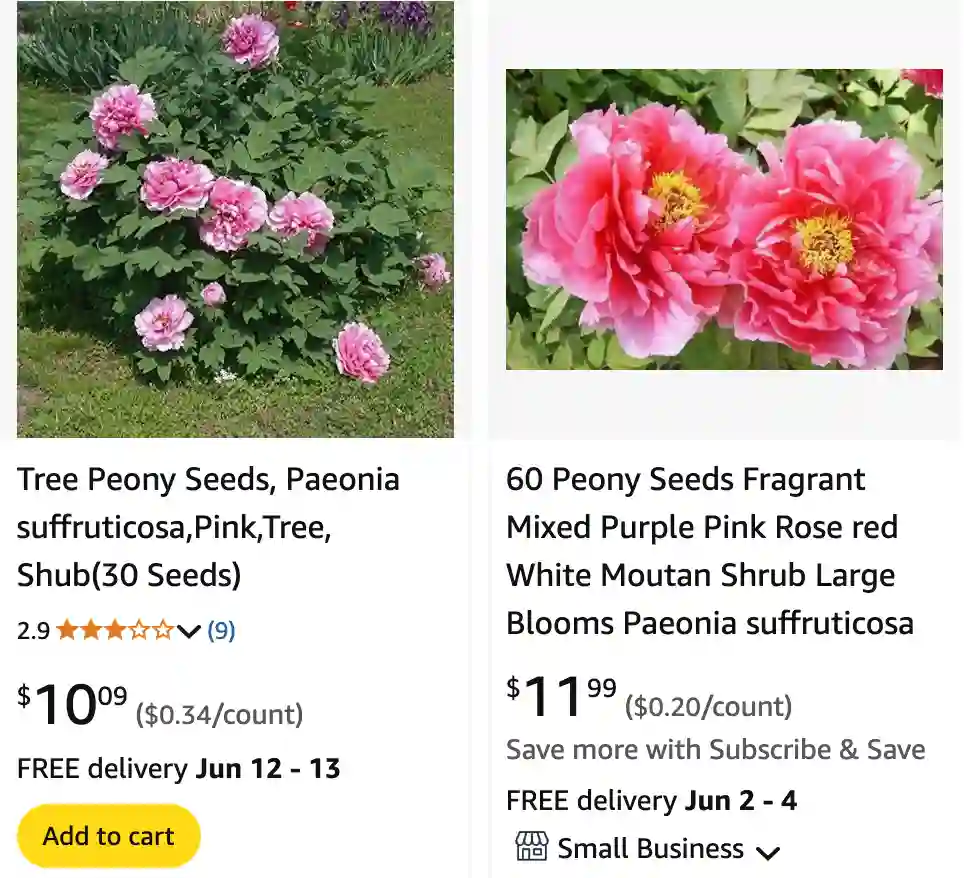
Hi, I’m Ferb Vu, and I’ve spent a good amount of time growing and studying Paeonia Suffruticosa, also known as the tree peony. If you’re curious about this stunning plant, you’re in the right place. Below, I’ve gathered common questions I get asked, along with comparisons to other plants, based on my firsthand experience and research. I’ll keep it clear and to the point, following Hemingway’s style for simple and strong writing.
What Is Paeonia Suffruticosa?
Paeonia Suffruticosa is a deciduous shrub famous for its large, fragrant flowers. Unlike herbaceous peonies, which die back to the ground each winter, this one has woody stems that last year-round. It’s native to China and has been cultivated for centuries. I love how its blooms appear in early spring, often before many other plants wake up.
How Does Paeonia Suffruticosa Compare to Herbaceous Peonies?
One big question I hear often is about the difference between tree peonies (Paeonia Suffruticosa) and herbaceous peonies. Here’s my take:
- Growth Habit: Tree peonies are woody shrubs, while herbaceous ones die back to the ground each fall.
- Bloom Time: Tree peonies tend to bloom slightly earlier than herbaceous peonies, which I find gives the garden a nice early splash of color.
- Flower Size and Shape: Tree peony flowers are usually larger and often more complex. I’ve noticed their petals have a delicate, papery texture.
- Care: Tree peonies require a bit more patience to establish but tend to live longer once mature.
If you want a low-maintenance perennial with bold blooms, herbaceous peonies might be better. But if you want a long-lived shrub with impressive flowers, I’d recommend Paeonia Suffruticosa every time.
What Are the Ideal Growing Conditions for Paeonia Suffruticosa?
I’ve found this shrub thrives best in these conditions:
- Sunlight: Full sun to part shade. Too much shade reduces blooming.
- Soil: Well-drained, fertile soil is crucial. I always amend my garden bed with compost to improve drainage.
- Watering: Regular watering during dry spells, especially in the first few years.
- Climate: Prefers temperate climates. It can tolerate cold winters but needs some protection in extremely harsh zones.
When I first planted mine, I chose a spot with morning sun and afternoon shade. It rewarded me with robust blooms every year.
How Do You Prune Paeonia Suffruticosa?
Pruning is key for keeping your tree peony healthy. I usually prune right after blooming:
- Remove dead or weak branches.
- Cut back any overly long stems to shape the shrub.
- Avoid heavy pruning since it grows slowly.
This light pruning encourages good air circulation and reduces disease risk. Over time, the plant develops a beautiful, balanced form.
What Are Common Problems or Pests With Paeonia Suffruticosa?
Tree peonies are generally hardy, but they do face some challenges:
- Botrytis Blight: I watch for gray mold, especially in wet weather. To prevent it, I make sure to prune well and avoid overhead watering.
- Peony Wilt: Sometimes, sudden wilting can happen. Removing affected stems fast is important.
- Aphids and Ants: Occasionally, I find aphids on new shoots. A gentle insecticidal soap spray usually does the trick.
Regular monitoring and good cultural care keep these problems manageable for me.
Can Paeonia Suffruticosa Be Grown in Containers?
Yes, you can grow it in containers, but keep in mind:
- The container needs to be large and deep to accommodate the woody roots.
- Use rich, well-draining soil.
- Container plants may need more frequent watering.
- They usually don’t get as large or bloom as profusely as those in the ground.
I tried growing one in a big pot on my patio. It was beautiful, but I had to be diligent with watering and feeding.
How Does Paeonia Suffruticosa Compare to Other Flowering Shrubs Like Hydrangeas or Azaleas?
Compared to hydrangeas or azaleas, Paeonia Suffruticosa has some unique traits:
- Flowering Time: Tree peonies bloom earlier than hydrangeas, which often flower mid to late summer. Azaleas bloom around spring but generally have smaller flowers.
- Flower Size: The flowers on Paeonia Suffruticosa are larger and often more fragrant.
- Growth Habit: Tree peonies have thicker woody stems, while azaleas and hydrangeas can vary from shrub to small tree forms.
- Maintenance: Tree peonies need less pruning than azaleas, which benefit from shaping to keep compact.
For me, tree peonies add an elegant, old-world charm to the garden that’s hard to match with those other shrubs.
How Long Does It Take for Paeonia Suffruticosa to Bloom After Planting?
This is a big patience test. I’ve read and experienced that tree peonies can take anywhere from 3 to 5 years before they bloom well. The first few years, the plant is building its root system and woody framework.
It’s a slow grower but worth the wait. I always tell friends not to give up too soon!
Can Paeonia Suffruticosa Be Used in Landscape Design?
Absolutely! I often use mine as a focal point in a mixed border. Its strong branching and large flowers make a dramatic statement. I also appreciate its natural form, which blends well with other spring bloomers like:
- Forsythia
- Lilac
- Magnolia
The woody structure adds winter interest when leaves drop, keeping the garden visually engaging year-round.
Is Paeonia Suffruticosa Toxic to Pets or People?
From what I know and have checked, tree peonies are generally not considered highly toxic, but it’s best to keep pets and children from chewing on any plant material. I haven’t had issues but always recommend caution with unfamiliar plants.
Final Thoughts on Paeonia Suffruticosa
I find Paeonia Suffruticosa to be one of the most rewarding shrubs for a home garden if you enjoy seasonal beauty and don’t mind waiting a few years for full blooms. Its elegant flowers and sturdy growth habit add depth to any garden space. With the right care, it becomes a centerpiece for spring that you’ll look forward to year after year.

If i die, water my plants!