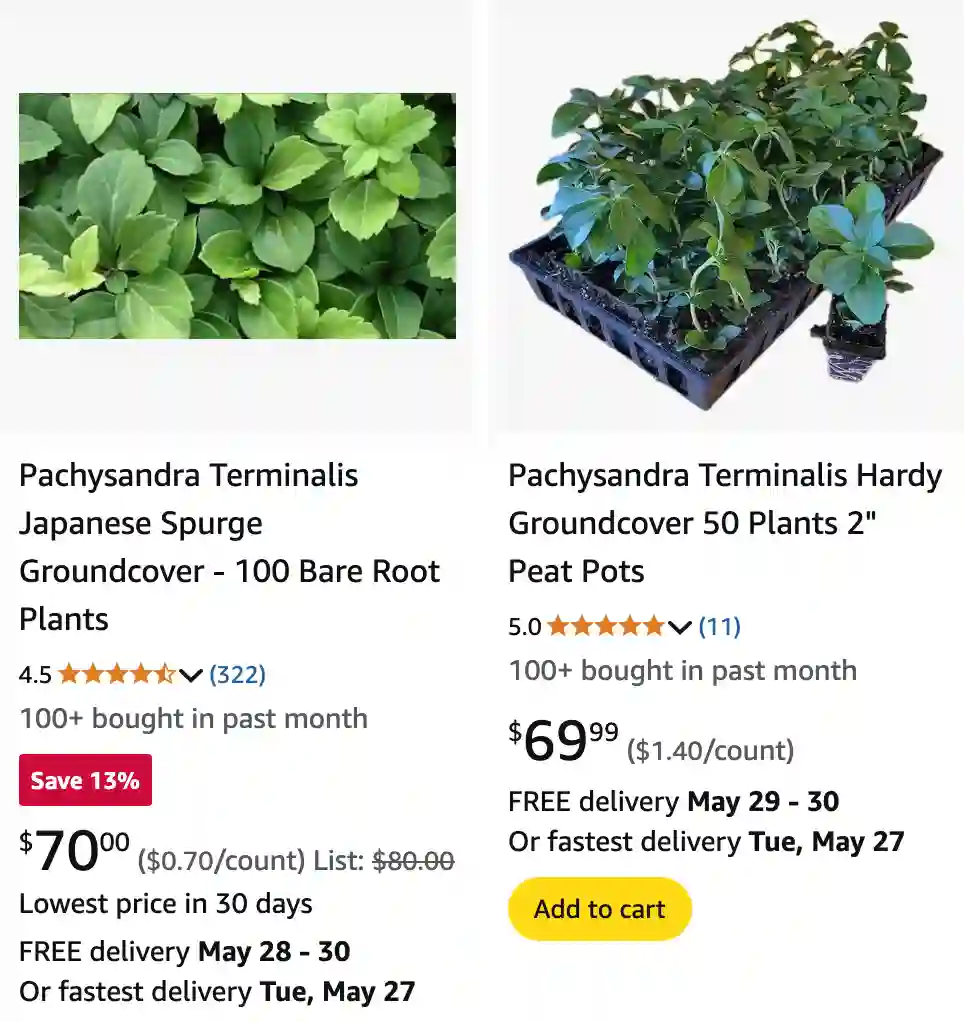
Hi, I’m Ferb Vu. Over the years, I’ve grown quite a few groundcover plants, and one of my favorites has been Pachysandra Terminalis. If you’re curious about this resilient evergreen groundcover or wondering how it stacks up against others, you’re in the right place. I’ve put together the most common questions I get about Pachysandra Terminalis, along with my personal experience, so you can decide if it’s right for your garden.
What Is Pachysandra Terminalis and Why Should I Grow It?
Pachysandra Terminalis, often just called pachysandra, is a low-growing, spreading evergreen plant. It thrives as a groundcover in shady spots where grass and other plants struggle. I first picked it because I wanted a neat, green carpet under my trees that would require minimal fuss.
What I love about it is how quickly it fills in space with glossy, dark green leaves. It’s perfect for those tricky garden corners where other plants fail. Plus, it’s quite hardy, handling cold winters and hot, humid summers with ease.
How Does Pachysandra Terminalis Compare to Other Groundcovers Like Vinca Minor or Ajuga?
I’ve tried Vinca Minor (Periwinkle) and Ajuga (Bugleweed), so I can share a quick comparison.
- Pachysandra Terminalis grows slowly but steadily, creating a dense, uniform mat. It’s evergreen, so you get year-round coverage.
- Vinca Minor spreads faster and blooms pretty blue or purple flowers, but it can be a bit aggressive and invasive in some areas.
- Ajuga offers colorful foliage in some varieties and spikes of blue flowers, but it sometimes struggles in heavy shade or wet soil.
If you want something low-maintenance, shade-loving, and evergreen, I find Pachysandra Terminalis hard to beat. It’s less aggressive than Vinca but more consistent in coverage than Ajuga in shady spots.
What Are the Ideal Growing Conditions for Pachysandra Terminalis?
From my experience, Pachysandra Terminalis does best in partial to full shade. It can tolerate some sun, especially in cooler climates, but too much direct sunlight burns the leaves.
Soil-wise, it prefers well-draining, acidic to neutral soils rich in organic matter. I amended my planting beds with compost to boost growth. One thing to keep in mind: while it tolerates moist soil, standing water or heavy clay can cause root rot.
How Do You Care for Pachysandra Terminalis?
Caring for Pachysandra Terminalis is straightforward. I keep the soil consistently moist but not soggy, especially during its establishment phase. Once settled, it’s quite drought-tolerant.
I usually mulch around it with shredded bark to maintain moisture and reduce weeds. Fertilizing once a year in early spring with a balanced, slow-release fertilizer keeps the foliage lush.
Pruning isn’t often needed, but if you want to tidy up or control its spread, light trimming after flowering works well.
Does Pachysandra Terminalis Flower? Are the Flowers Important?
Yes, Pachysandra Terminalis produces tiny white flowers in early spring. They’re not showy but add a subtle charm. The flowers also attract pollinators like bees, which is a nice bonus in a mostly shady garden area.
However, I don’t grow Pachysandra for its flowers — it’s the evergreen foliage and ground-hugging habit that matter most to me.
Can Pachysandra Terminalis Become Invasive?
While Pachysandra Terminalis spreads through underground rhizomes, in my experience, it’s pretty well-behaved compared to some other groundcovers like English Ivy or Vinca Minor.
It can spread beyond its planting area if unchecked, but it’s easy to control with occasional edging or trimming. If you have a large shady area that needs permanent coverage, it’s a great choice without worrying too much about invasiveness.
How Does Pachysandra Terminalis Compare to English Ivy?
I used to have English Ivy in my garden and switched to Pachysandra Terminalis for a few reasons:
- English Ivy is very aggressive and can climb trees, walls, and fences, sometimes damaging structures.
- Pachysandra stays low and spreads horizontally, which keeps it contained and tidy.
- Ivy leaves can get ragged and patchy in winter, while Pachysandra remains glossy green year-round.
- Pachysandra also requires less maintenance than ivy, which needs regular pruning to keep it in check.
So, if you want a cleaner look with less hassle, Pachysandra Terminalis is a solid alternative.
What Pests and Diseases Should I Watch For?
In my experience, Pachysandra Terminalis is fairly pest-resistant. However, it can sometimes fall prey to voles or slugs, especially in damp environments.
The main disease I’ve encountered is leaf blight, which causes brown spots on the leaves and can thin out the foliage. Good air circulation, proper spacing, and avoiding wet foliage help prevent this. If you spot it early, removing affected leaves limits its spread.
Is Pachysandra Terminalis Suitable for Erosion Control?
Definitely yes. I’ve planted Pachysandra on a gentle slope under trees, and it helped stabilize the soil. Its dense root system holds soil in place, which reduces erosion during heavy rain.
Compared to grasses or other groundcovers, it’s less prone to washing away, especially in shaded areas where grass can struggle to grow.
How Does Pachysandra Terminalis Handle Winter?
Being evergreen, Pachysandra Terminalis stays green through winter in my zone. It’s hardy to USDA zones 4-8, so it tolerates cold winters without much damage.
In late winter or early spring, you might see some yellowing or leaf drop, but new growth quickly replaces it once temperatures rise.
Can I Use Pachysandra Terminalis Under Trees?
This is where Pachysandra really shines. It thrives under trees where grass won’t grow. I’ve planted it beneath maples and oaks, and it creates a lush, low-maintenance carpet.
Just make sure the soil isn’t too dry because tree roots can compete for moisture. A layer of mulch helps keep the soil cool and moist.
Summary: Why I Recommend Pachysandra Terminalis
In my gardening journey, Pachysandra Terminalis has become my go-to evergreen groundcover for shady spots. It offers:
- Dense, year-round green foliage
- Low maintenance and moderate growth
- Good tolerance to shade and soil types
- Effective erosion control
- Less invasive behavior than alternatives like ivy or Vinca
If you want a reliable, elegant groundcover that stays green even under the toughest shade, give Pachysandra Terminalis a try. Just remember to plant it in the right conditions and keep an eye out for leaf blight. It’s a classic, dependable choice that’s earned its place in my garden.

If i die, water my plants!