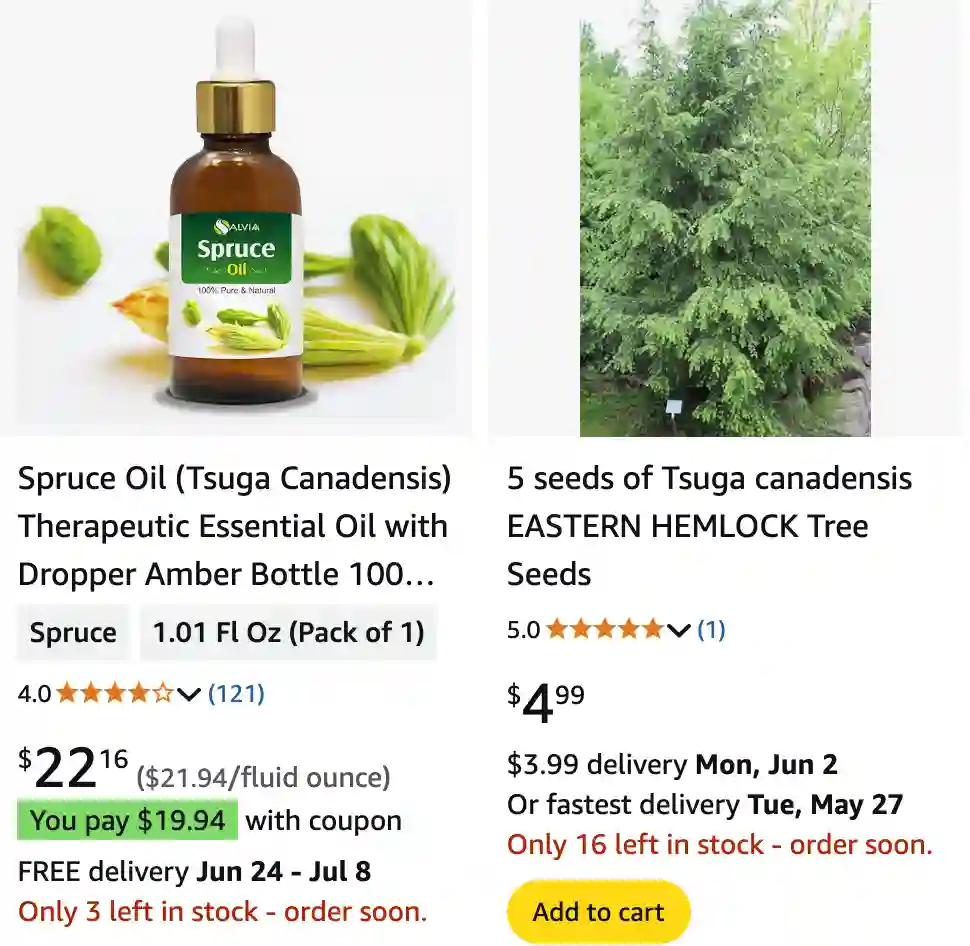
Hey, it’s Ferb Vu here. I want to share my personal insights about Tsuga Canadensis, also known as the Eastern Hemlock. Over the years, I’ve grown to appreciate this remarkable tree, so I’m answering some of the common questions I’ve encountered. I’ll also compare it briefly to other similar plants, all while keeping things clear, concise, and useful—like Hemingway would want.
What Is Tsuga Canadensis and Why Is It Special?
Tsuga Canadensis is a native North American conifer, often called the Eastern Hemlock. It thrives in cool, shady forests and is known for its graceful, feathery needles and drooping branches. What makes it special to me is how it adds a soft, lush green texture to any landscape. It’s not just another pine—it has a unique elegance.
The tree can grow up to 70 feet tall, sometimes more, and live for hundreds of years if left undisturbed. It plays a vital role in forest ecosystems by providing shelter for wildlife and stabilizing soil with its shallow roots.
How Do You Care for Tsuga Canadensis?
Caring for Tsuga Canadensis requires attention to a few key points. I’ve found that these trees prefer:
- Shade or partial shade: They naturally grow under the canopy, so too much direct sun can stress them.
- Moist, well-drained soil: They don’t like drought, and I always water mine during dry spells.
- Cool temperatures: They thrive best in cooler climates, which is why they flourish in the northeastern US and Canada.
One thing I learned the hard way is that Eastern Hemlocks are sensitive to heat and drought stress. If you live in a warmer area, you’ll need to provide extra shade and consistent watering. Otherwise, their needles start to brown and fall off.
How Does Tsuga Canadensis Compare to Other Conifers?
When I first started growing Tsuga Canadensis, I compared it a lot with similar trees like the Picea glauca (White Spruce) and Abies balsamea (Balsam Fir).
- Versus White Spruce: White Spruce has sharper needles and a more rigid form. Tsuga Canadensis is softer to the touch and has a more delicate appearance.
- Versus Balsam Fir: Both have flat needles, but Balsam Fir’s needles are more fragrant and arranged differently. Tsuga Canadensis needles curve downward, giving a weeping effect on the branches.
If you want a tree that looks softer and has a more graceful silhouette, Tsuga Canadensis is your pick. Plus, its bark is furrowed and darker, giving it a distinct personality compared to the smoother bark of firs.
What Pests and Diseases Affect Tsuga Canadensis?
One of the most important things I learned is that Eastern Hemlocks face serious threats from pests, especially the Hemlock Woolly Adelgid (Adelges tsugae). This tiny insect sucks sap from the needles, causing needle loss and eventually killing the tree if untreated.
Here’s how I handle it:
- Regular inspection for white woolly masses on branches.
- Applying horticultural oils or insecticides during dormancy.
- Encouraging natural predators like ladybugs when possible.
There are also fungal diseases, like root rot and needle blight, which thrive in overly wet soil or poor drainage. Keeping the soil well-drained and avoiding overwatering helps me keep these at bay.
Can Tsuga Canadensis Be Used in Landscaping?
Absolutely. Tsuga Canadensis is excellent for shade gardens, foundation plantings, and even as a specimen tree. Its soft needles and elegant form provide year-round interest.
I like to plant it near water features or alongside paths to create a serene, woodland atmosphere. Because it grows slowly, it fits well into smaller gardens, unlike some faster-growing conifers that can quickly overwhelm space.
How Does Tsuga Canadensis Support Wildlife?
I’m always amazed at how much wildlife depends on this tree. Birds like chickadees, nuthatches, and warblers use Tsuga Canadensis for nesting and shelter. Its seeds are food for squirrels and some birds, although the seeds are small compared to other conifers.
The tree’s dense branches offer great protection from harsh weather, especially in winter. I’ve noticed more wildlife activity around my hemlocks compared to other evergreens.
How Does Tsuga Canadensis Compare to Tsuga Heterophylla?
Tsuga Heterophylla, or Western Hemlock, is often confused with Tsuga Canadensis because they share a genus. But I’ve found some distinct differences:
- Climate: Tsuga Heterophylla prefers the moist, coastal regions of the Pacific Northwest, while Tsuga Canadensis thrives in cooler, northeastern climates.
- Needles: Tsuga Heterophylla needles are generally longer and more flexible.
- Growth rate: Western Hemlock grows faster and can get taller.
If you want a hemlock for a humid, coastal area, Tsuga Heterophylla fits better. But for cooler inland forests, Tsuga Canadensis is the classic choice.
Can Tsuga Canadensis Be Grown Indoors or as a Bonsai?
Growing Tsuga Canadensis indoors is tricky due to its preference for cool temperatures and high humidity. I tried once, and it didn’t do well near my window where it was too warm and dry.
However, some enthusiasts do use Tsuga Canadensis for bonsai. The challenge is maintaining adequate moisture and avoiding root rot. If you’re into bonsai, it’s worth experimenting, but be prepared for careful maintenance.
What Are Some Environmental Benefits of Tsuga Canadensis?
Beyond its beauty, Tsuga Canadensis is crucial for ecological health. Here are some benefits I’ve seen:
- Carbon sequestration: Like all trees, it absorbs carbon dioxide, helping fight climate change.
- Soil stabilization: Its root system prevents erosion on slopes and stream banks.
- Microclimate regulation: It cools the air beneath its canopy, which helps other plants survive hot summers.
I appreciate how this tree quietly supports the environment while adding grace to the landscape.
Final Thoughts on Tsuga Canadensis
If you’re considering Tsuga Canadensis, remember it’s a patient, elegant tree that rewards careful care. It’s not the easiest tree to grow if your climate is warm or dry, but in the right setting, it’s unmatched for beauty and ecological value.

If i die, water my plants!