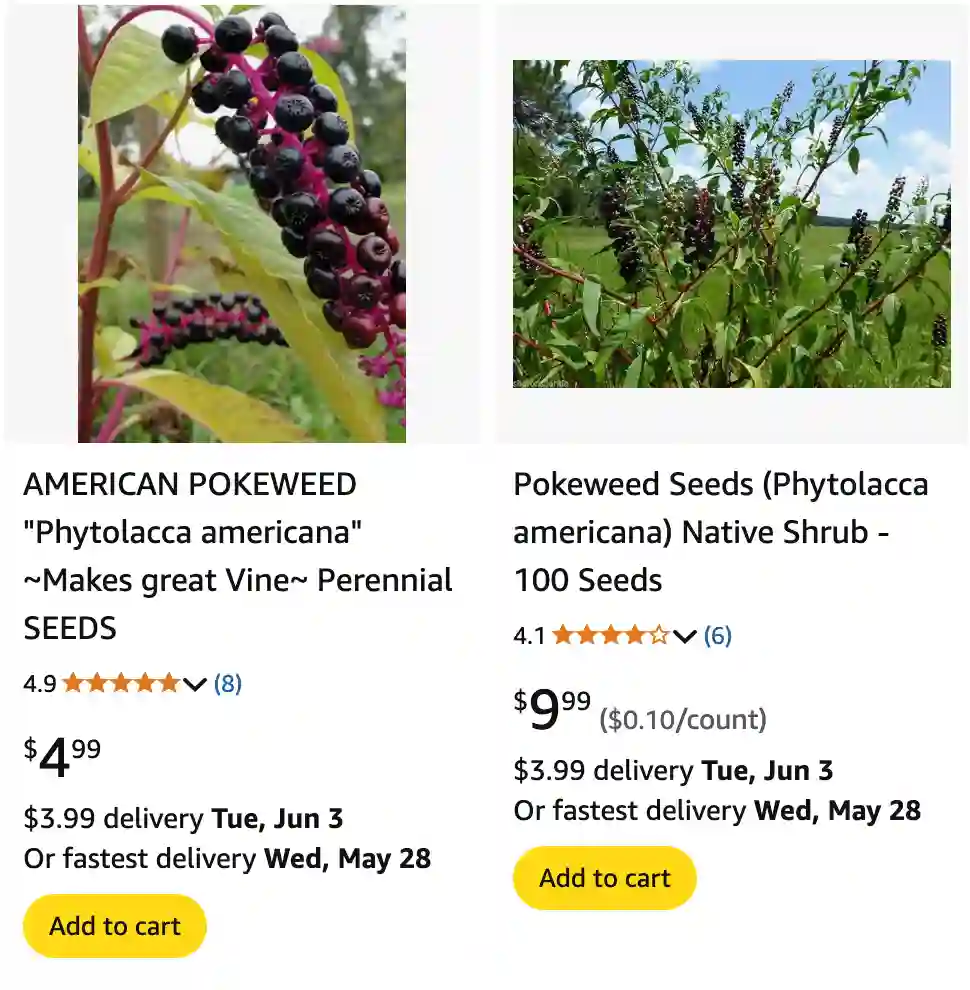
If you’ve ever come across the striking plant with dark purple berries and large, glossy leaves, chances are you’ve seen Phytolacca Americana, also known as American pokeweed. As someone who’s spent time gardening and exploring wild plants, I’ve often encountered questions about this species. One of the most common concerns is about its toxicity—specifically, is Phytolacca Americana poisonous? And, if so, is Phytolacca Americana poisonous to dogs? I’ve gathered my experiences and research to answer these questions clearly and comprehensively.
What is Phytolacca Americana?
Phytolacca Americana is a perennial plant native to North America. It typically grows in disturbed soils, fields, and along roadsides. Its thick stems, large leaves, and clusters of deep purple berries make it quite distinctive. Despite its attractive appearance, it has a dark side: many parts of this plant contain toxins that can be harmful to humans and animals.
Is Phytolacca Americana Poisonous?
Yes, Phytolacca Americana is poisonous. The plant contains several toxic compounds, primarily saponins and alkaloids, which are found throughout its stems, roots, leaves, and berries. Eating any part of the plant raw can cause severe gastrointestinal distress. Symptoms I’ve read about and witnessed in others include nausea, vomiting, diarrhea, abdominal cramps, and dizziness.
One important note: some people attempt to cook young pokeweed shoots to eat them, a traditional practice called “poke salad.” Cooking can reduce the toxicity if done properly, but it’s risky and not recommended for those unfamiliar with the preparation process.
Is Phytolacca Americana Poisonous to Dogs?
This is a question I hear a lot from pet owners. Unfortunately, yes, Phytolacca Americana is poisonous to dogs as well. Dogs that chew on or ingest any part of the plant may suffer symptoms similar to humans: vomiting, diarrhea, excessive drooling, weakness, and in severe cases, respiratory distress or neurological issues.
If you have dogs and you spot pokeweed growing nearby, I highly advise removing it or keeping your pets away from it. Early veterinary care is crucial if ingestion is suspected.
Which Parts of Phytolacca Americana Are Most Toxic?
While the entire plant contains toxins, the roots and mature berries are considered the most poisonous. The roots have high concentrations of saponins, making them extremely dangerous. The berries, with their alluring deep purple color, contain phytolaccatoxin and phytolaccigenin, both of which can cause poisoning.
From personal observation, the plant’s young shoots are less toxic if cooked properly, but as I mentioned earlier, this is not something I’d recommend trying unless you have specific knowledge.
How Does Phytolacca Americana Affect Wildlife?
Interestingly, some birds, such as robins and cedar waxwings, can safely eat pokeweed berries and help spread the seeds. However, most mammals, including deer and livestock, generally avoid it due to its toxicity. It’s a fascinating example of nature’s selective tolerance.
How to Identify Phytolacca Americana?
I’ve found that identifying pokeweed is straightforward once you know what to look for. The plant can grow up to 10 feet tall, with reddish-purple stems and large oval leaves. Its flowers form in long racemes, which eventually turn into clusters of shiny, dark purple berries.
If you ever want to confirm if a plant is pokeweed, look for the following traits:
- Tall stature, often with branching stems.
- Purplish-red stems that can be smooth or slightly ridged.
- Glossy, elliptical leaves, up to 12 inches long.
- Berries in clusters that look like tiny grapes.
Can Phytolacca Americana Be Used Medicinally?
Historically, Native Americans and herbalists have used pokeweed for various medicinal purposes, such as treating rheumatism and skin conditions. However, the line between medicine and poison is thin with this plant. The raw plant’s toxicity means any medicinal use must be approached with extreme caution and expert guidance.
What Should You Do If You or Your Pet Ingest Phytolacca Americana?
If ingestion occurs, seek medical or veterinary attention immediately. Do not wait for symptoms to appear. Treatment usually involves supportive care, including hydration and monitoring for more serious effects.
How to Control or Remove Phytolacca Americana?
If you want to remove pokeweed from your property, you’ll need gloves and protective clothing because the plant’s sap can cause skin irritation. The roots are deep, so removal should be thorough to prevent regrowth. Herbicides can also be effective but must be used responsibly.
Conclusion: Respect the Plant, Be Cautious
Phytolacca Americana is an intriguing but potentially dangerous plant. Its striking appearance often masks its toxicity, which is why awareness is crucial. From my experience, understanding that Phytolacca Americana is poisonous—and especially that it is poisonous to dogs—helps in making informed decisions about handling or avoiding it.
Whether you encounter pokeweed in the wild or in your garden, treat it with respect. If you’re curious about wild plants, always research thoroughly and handle unknown species with care. For pet owners, keeping an eye out for this plant can prevent a lot of worry and trouble.

If i die, water my plants!