Greetings! Ferb Vu here, and today I want to dive into a coniferous classic: Pinus Sylvestris. You might know it as the Scots Pine, and it’s a tree that holds a special place in my horticultural heart. I get a lot of questions about this hardy evergreen, so I thought I’d put together a handy FAQ to clear up some common curiosities.
What is Pinus Sylvestris?
Pinus Sylvestris is a widespread coniferous tree native to Eurasia, ranging from Western Europe to Eastern Siberia. It’s a member of the pine family (Pinaceae) and one of the most recognizable pines in cultivation. What truly sets it apart for me is its striking appearance: a reddish-orange bark on the upper trunk and branches, often peeling in plates, especially as the tree matures. Below, the bark is a more somber grey-brown.
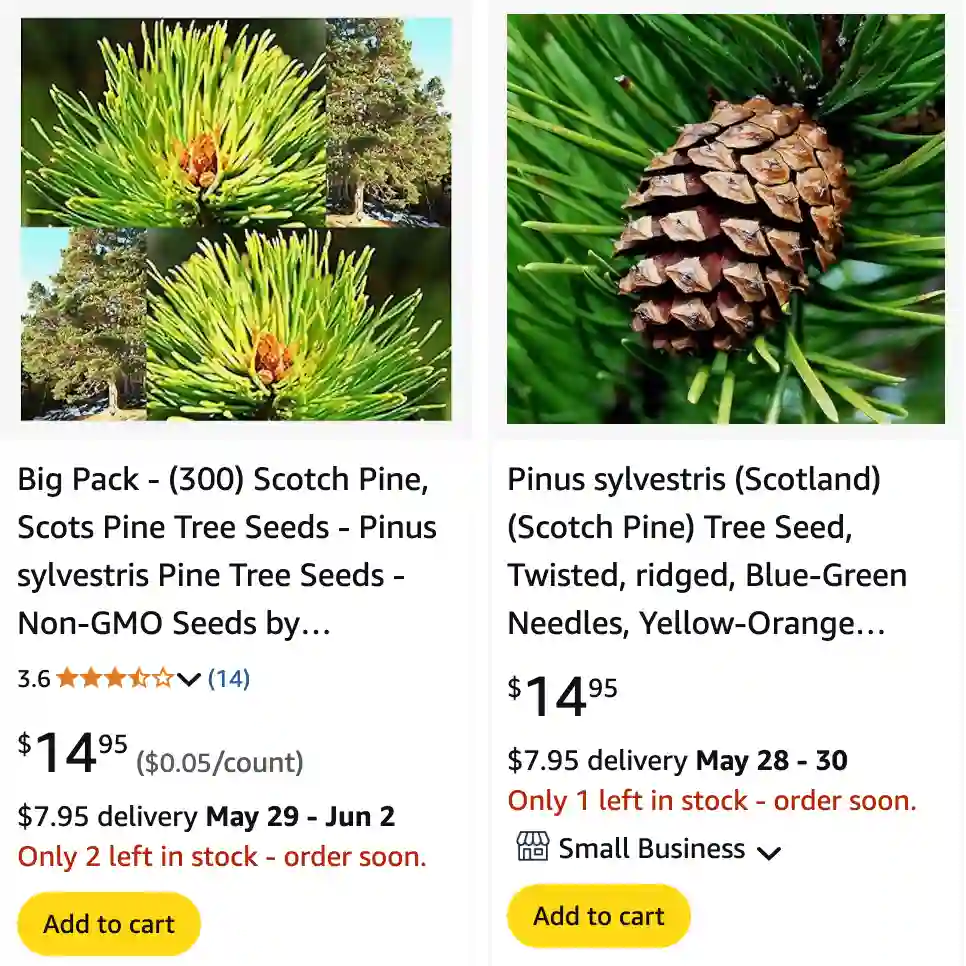
Its needles, typically in pairs, are blue-green and relatively short, usually between 4 to 8 centimeters long. They have a slight twist to them, which gives the canopy a distinct texture. The cones are small, ovoid, and brownish-grey, often clustered in groups. I’ve always found the cones charmingly unassuming, unlike some of the more dramatic cones you see on other pine species.
Pinus Sylvestris is incredibly adaptable. It can thrive in a variety of soil types, from sandy to loamy, and it’s quite drought-tolerant once established. It prefers full sun, which makes sense given its wide native range, often colonizing open, sunny landscapes. Its tolerance for cold is remarkable, enduring harsh winters with ease. This hardiness makes it a popular choice for forestry, landscaping, and even bonsai, a hobby I’ve dabbled in myself. The resilience of this tree truly impresses me; it’s a survivor.
Pinus Sylvestris vs Pinus Nigra
This is a common question, and for good reason! Both Pinus Sylvestris (Scots Pine) and Pinus Nigra (Black Pine) are prominent evergreen trees used in landscaping, but they have distinct differences.
Let’s start with the most obvious: their appearance. As I mentioned, Pinus Sylvestris has that characteristic reddish-orange bark, especially higher up the trunk. Pinus Nigra, on the other hand, lives up to its name with very dark, deeply furrowed bark. It’s almost black, giving the tree a more somber and robust appearance.
Their needles also differ. Pinus Sylvestris needles are shorter, bluer-green, and slightly twisted. Pinus Nigra needles are longer, stiffer, and a darker green. They also tend to be sharper to the touch. When you run your hand over them, you can feel the difference immediately.
In terms of shape, Pinus Sylvestris often develops a more open, irregular crown as it matures, especially in exposed locations. Its branches can spread wide, giving it a picturesque, almost windswept look. Pinus Nigra typically maintains a denser, more conical or broadly columnar shape, especially when young. It tends to be a more formal-looking tree.
From an ecological standpoint, Pinus Sylvestris has a much broader native range across Eurasia, while Pinus Nigra is primarily native to Southern Europe and Asia Minor. This difference in origin contributes to their varying environmental preferences. Pinus Nigra is particularly tolerant of urban pollution and salt spray, making it a common choice for street trees or coastal plantings where Pinus Sylvestris might struggle. I appreciate Pinus Nigra‘s toughness in challenging urban environments.
Ultimately, both are beautiful and valuable trees, but understanding these distinctions helps in choosing the right one for your specific needs. If you want that classic, rugged, slightly wild pine look with a hint of orange, go for Pinus Sylvestris. If you need a more formal, darker-barked tree that can handle tough conditions, Pinus Nigra is your champion.
Is Pinus Sylvestris a Good Choice for My Garden?
This really depends on your garden! If you have ample space, good drainage, and plenty of sun, Pinus Sylvestris can be a magnificent addition. It’s a fast-growing tree when young, and it can reach impressive heights, so it’s not suited for small urban plots. I’ve seen them dominate a landscape in the most beautiful way.
It’s an excellent choice for creating a naturalistic landscape, providing year-round interest with its vibrant bark and blue-green needles. It also offers great habitat for wildlife, from birds nesting in its branches to squirrels feasting on its seeds. If you’re looking to attract local fauna, this tree is a winner.
However, be mindful of its eventual size. Mature trees can reach 30 meters or more, with a spread almost as wide. Planting it too close to buildings or power lines can lead to problems down the line. I always advise people to consider the mature size of any tree they plant. Planning ahead saves a lot of headaches!
How Do I Care for Pinus Sylvestris?
Caring for Pinus Sylvestris is relatively straightforward, especially once established. Young trees benefit from regular watering, particularly during dry spells, to help them establish a strong root system. Once mature, they are quite drought-tolerant and rarely need supplemental irrigation unless there’s a prolonged dry period.
They prefer full sun, so ensure they receive at least six hours of direct sunlight daily. Well-drained soil is crucial; they don’t like soggy feet. If your soil is heavy clay, consider amending it with organic matter to improve drainage.
Pruning is generally minimal for Pinus Sylvestris. You might remove dead, damaged, or diseased branches as needed. If you’re growing it as a specimen tree and want to maintain a more compact shape, you can candle prune in spring. This involves pinching back the new growth (candles) to encourage denser branching. I find this technique quite satisfying, shaping the tree with a gentle touch.
Pests and diseases are generally not a major concern for Scots Pine, especially when the tree is healthy and growing in suitable conditions. However, like all plants, they can occasionally be susceptible to issues like pine weevils or various fungal diseases. Regular inspection helps catch any problems early.
In conclusion, Pinus Sylvestris is a truly remarkable tree. Its unique appearance, hardiness, and ecological value make it a standout choice for many landscapes. I hope this FAQ has shed some light on this fantastic conifer. Happy planting!

If i die, water my plants!