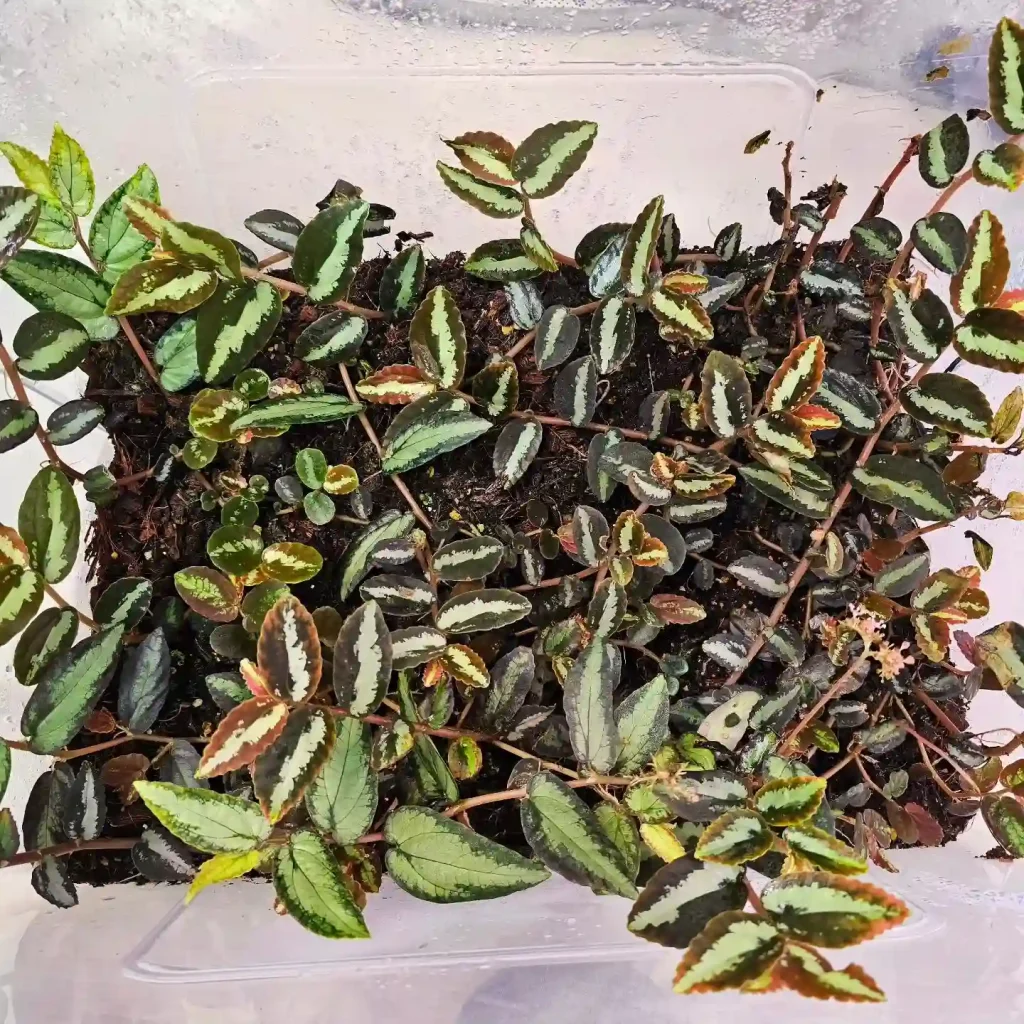
I’m Ferb Vu, and if you’ve ever been captivated by the fuzzy, textured leaves of Pilea Involucrata, you’re in good company. This plant, often called the “Friendship Plant,” has been a cozy staple in my indoor jungle. Its quilted, bronze-green foliage is more than just decoration—it’s a conversation starter. Over time, I’ve answered plenty of questions from fellow plant lovers, so I’ve put together this FAQ-style guide based on my experience. Let’s dive in.
How To Care For Pilea Involucrata?
When I first got my Pilea Involucrata, I made a few rookie mistakes. But over time, I’ve fine-tuned a care routine that keeps it thriving. Here’s what’s worked best:
- Light: Bright, indirect light is non-negotiable. Direct sunlight burns the leaves. I keep mine near a north-facing window with sheer curtains.
- Watering: This one loves moisture but hates soggy roots. I water when the top inch of soil feels dry. Overwatering leads to root rot fast.
- Humidity: It thrives in high humidity. I keep it in my bathroom, or I’ll cluster it with other tropicals to boost moisture levels.
- Soil: Use a well-draining potting mix. I add perlite and coco coir to standard indoor soil for breathability.
- Temperature: Pilea Involucrata prefers warmth—ideally between 65–75°F. It sulks below 60°F.
Consistent care rewards you with fast growth and lush foliage. I also pinch off leggy growth to encourage bushier habits.
Is Pilea Involucrata Toxic To Cats?
As a cat owner, this was a big concern for me. Thankfully, Pilea Involucrata is non-toxic to cats and dogs, according to the ASPCA. I’ve caught my curious tabby nibbling on a leaf or two, and while I still discourage it, I rest easier knowing this plant is pet-safe. Still, moderation is key—too much of any non-toxic plant can cause mild digestive upset in pets.
Pilea Involucrata vs Pilea Mollis
I’ve owned both Pilea Involucrata and Pilea Mollis, so I’ve had time to compare them side by side. Here’s what stands out:
- Texture: Involucrata leaves are quilted and soft. Mollis, also known as “Moon Valley,” has deeper ridges and more dramatic venation.
- Color: My Involucrata leans more bronze-green, while Mollis has neon-green leaves with chocolatey veins.
- Size: Mollis tends to grow larger. Involucrata stays more compact and manageable in small pots.
- Growth Rate: Both are fast growers, but Mollis needs a bit more humidity to flourish.
For low-light corners, I reach for Involucrata. For a bold visual, Mollis wins. Still, both plants share similar care needs and look great when grouped.
Why Are My Pilea Involucrata Leaves Drooping?
I’ve had panicked moments over drooping leaves too. Usually, it’s one of these:
- Underwatering: If the soil is bone-dry, rehydrate gradually. Don’t flood it all at once.
- Overwatering: If the soil feels soggy or smells musty, it’s time to repot with fresh, dry mix.
- Low humidity: The leaves may curl or droop if the air is too dry. Misting can help temporarily, but a humidifier is better.
- Temperature shock: If you recently moved it or it’s near a cold draft, it could be reacting to stress.
A good rule? Adjust one factor at a time to find the culprit.
How Do I Propagate Pilea Involucrata?
This is one of my favorite parts—watching new plants grow. I use stem cuttings:
- Snip a healthy stem with a few leaves.
- Remove the bottom leaves and pop it in water or moist soil.
- Keep the cutting warm and humid, and roots appear in about two weeks.
Water propagation lets you watch the roots form, but soil rooting is less stressful for the plant when transplanting.
Can Pilea Involucrata Be Grown Outdoors?
I’ve only grown it indoors, but I’ve seen others grow it outside in shaded patios. It’s sensitive to direct sun and cold weather. If you live in USDA zones 10–12, you might be able to grow it outdoors year-round. Otherwise, treat it like a seasonal outdoor guest or keep it indoors full-time like I do.
Final Thoughts
For me, Pilea Involucrata is more than just a pretty plant. It’s a dependable, low-maintenance friend that thrives with just a bit of love and consistency. Whether you’re a seasoned plant parent or a beginner, this fuzzy-leaved wonder fits right in. I hope my personal insights help answer your own questions and make your care journey smoother.
If you’re still unsure whether it’s the right plant for your space, just remember this: it’s beautiful, pet-safe, and forgiving. That’s a rare combo in the houseplant world.

If i die, water my plants!