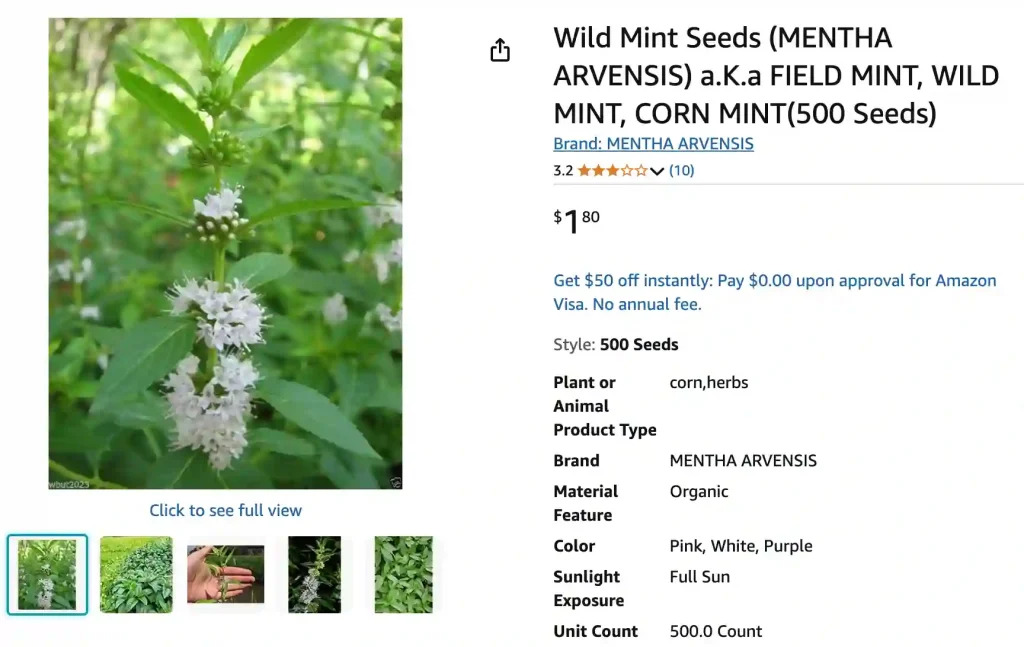
Mentha Arvensis is a fascinating plant, especially if you’re into herbs, essential oils, or natural remedies. I’ve spent quite some time exploring this mint variety, and it’s surprising how many questions people have about it. Whether you’re a gardener, a herbalist, or just curious, this article dives deep into common questions about Mentha Arvensis — often confused with peppermint and other mint species.
Is Mentha Arvensis Peppermint?
This question comes up a lot. Simply put: Mentha Arvensis is not exactly peppermint, but it’s closely related. Mentha Arvensis is commonly known as wild mint or field mint, whereas peppermint is usually from a hybrid called Mentha Piperita. Both belong to the same genus, Mentha, but they are different species. Mentha Arvensis has a distinct aroma and chemical profile that separates it from true peppermint, though the flavors are somewhat similar.
Peppermint usually has a stronger, sharper mint flavor, often used in candies and oral hygiene products. Mentha Arvensis, on the other hand, is often used in medicinal and industrial applications due to its high menthol content.
What is Mentha Arvensis?
Mentha Arvensis is a perennial herb native to Europe and Asia, often found growing wild in fields, roadsides, and moist habitats. It’s a hardy plant with square stems and opposite leaves, characterized by its bright green, serrated leaves and small purple flowers.
This mint species is primarily cultivated for its leaves and essential oil, which contains a high percentage of menthol — a compound valued for its cooling and soothing effects. Farmers grow Mentha Arvensis extensively in India and China for commercial oil production.
What is the Difference Between Mentha Arvensis and Mentha Piperita?
This is a key point many want clarity on. The difference boils down to species and chemical composition. Mentha Piperita, or peppermint, is a hybrid between watermint and spearmint, resulting in a unique flavor and aroma profile. It has a balanced menthol and menthone content, making it milder and sweeter compared to Mentha Arvensis.
Mentha Arvensis, meanwhile, is sometimes called “Japanese mint” and is prized for having a very high menthol concentration — often up to 70%. This makes its oil more potent and cooling but less sweet and aromatic than peppermint oil.
In short:
- Mentha Piperita = hybrid, balanced aroma, culinary and medicinal use
- Mentha Arvensis = wild mint, high menthol, mostly industrial and therapeutic use
What is Mentha Arvensis Leaf Oil?
Mentha Arvensis leaf oil is extracted through steam distillation of the leaves and flowering tops. The oil is rich in natural menthol, making it valuable in many industries. I’ve seen it used in pharmaceutical products, cosmetics, toothpaste, and even in some food flavorings.
What makes this oil special is its cooling and analgesic properties. Menthol acts as a natural pain reliever and decongestant, so Mentha Arvensis oil is often found in topical rubs and inhalants. The oil also plays a big role in aromatherapy due to its refreshing scent.
Mentha Arvensis vs Mentha Piperita
When comparing these two, I always look at their applications and chemical profiles. Mentha Piperita is more common in the West, especially in food, beverages, and personal care products. Its aroma is familiar, smooth, and sweet with balanced menthol.
Mentha Arvensis, while less known by name, is the primary source of menthol oil worldwide. Its oil is stronger, with a sharper, more medicinal scent. It’s often preferred in industrial uses where high menthol content is necessary.
For gardeners, Mentha Piperita might be easier to grow and has broader culinary uses. Mentha Arvensis thrives in cooler climates and is more of a workhorse for essential oil production.
Mentha Arvensis vs Peppermint
Peppermint is essentially Mentha Piperita, so comparing Mentha Arvensis vs peppermint is similar to the previous section. The critical difference lies in the menthol concentration and flavor nuances.
If you want a mint for fresh breath or culinary flavoring, peppermint (Mentha Piperita) is your go-to. For therapeutic or industrial purposes, Mentha Arvensis is superior due to its potent menthol-rich oil.
Additional FAQs About Mentha Arvensis
Can You Use Mentha Arvensis in Cooking?
I personally wouldn’t recommend using Mentha Arvensis leaves directly in cooking as you would with peppermint or spearmint. The flavor is too intense and medicinal. However, its oil can be diluted and used as a flavoring agent in some traditional recipes, though sparingly.
How to Grow Mentha Arvensis?
It’s a resilient plant that grows best in moist, fertile soil with partial sun. If you want a mint that can handle cooler temperatures and spreads easily, Mentha Arvensis is a great choice. Just be mindful — like most mints, it can become invasive if unchecked.
What Are the Medicinal Uses of Mentha Arvensis?
From my experience, it’s widely used for respiratory relief, muscle pain, digestive discomfort, and as a topical cooling agent. Its high menthol content means it’s particularly effective in treating colds, headaches, and inflammation.
Final Thoughts
Mentha Arvensis might not be as famous as peppermint, but its role in essential oil production and traditional medicine is huge. Understanding the difference between Mentha Arvensis and Mentha Piperita (peppermint) helps you appreciate how diverse the mint family really is. Whether you’re growing it, using its oil, or just curious, Mentha Arvensis deserves a spot in your herbal knowledge base.

If i die, water my plants!