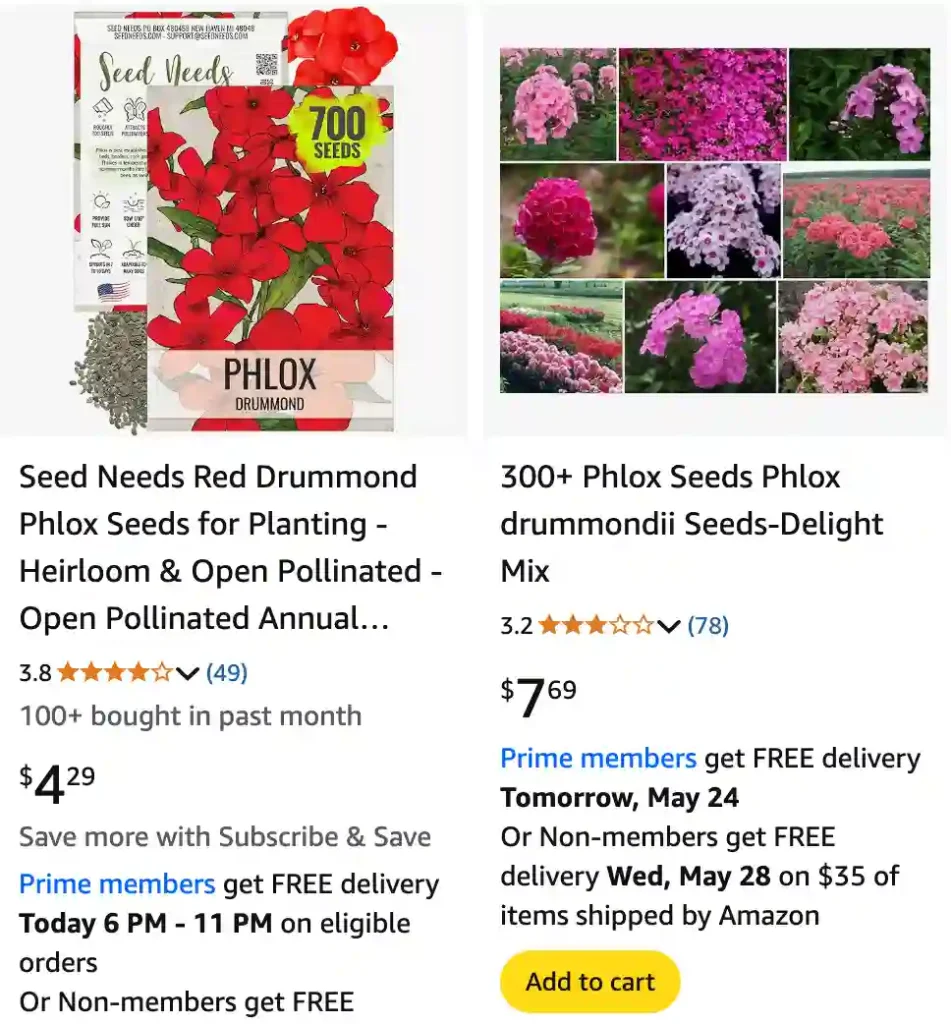
When I first got interested in gardening, Phlox Drummondii quickly became one of my favorite annual flowers to grow. The vibrant colors, ease of care, and cheerful blooms made it a staple in my garden. Over time, I’ve gathered many questions from fellow gardeners, friends, and online communities about this lovely plant. I want to share my firsthand experiences and answer some of the most common FAQs about Phlox Drummondii.
How to Grow Phlox Drummondii from Seed?
One of the first questions I get asked is, “how to grow Phlox Drummondii from seed?” Growing these flowers from seed is straightforward but requires a bit of attention to detail.
I start by sowing seeds indoors about 6 to 8 weeks before the last frost date in my area. The seeds are tiny, so I sprinkle them lightly on the surface of a seed-starting mix and press them gently without covering them too deeply. Phlox Drummondii seeds need light to germinate, so minimal soil coverage is essential.
I keep the soil moist but not soggy and maintain a temperature between 65°F and 75°F. Germination usually takes 7 to 14 days. Once seedlings develop their first true leaves, I thin them out, keeping the strongest plants.
After the danger of frost passes, I transplant them outdoors, spacing them about 6 to 12 inches apart. They thrive best in full sun but can tolerate partial shade. The soil should be well-drained and moderately fertile. From my experience, watering regularly during dry spells helps promote vibrant blooms.
Is Phlox Drummondii a Perennial?
A common confusion among gardeners is whether Phlox Drummondii is a perennial. I often hear this because many Phlox species are perennials, but Drummondii is not.
Phlox Drummondii is an annual, which means it completes its life cycle—from seed to flower to seed—in one growing season. It doesn’t survive the winter in most climates. This trait makes it perfect for gardeners like me who want quick, colorful displays but don’t want to wait years for blooms.
Because it’s an annual, I save seeds at the end of the season to replant the next year. Alternatively, many garden centers sell new seeds or young plants every spring.
What Are the Ideal Growing Conditions for Phlox Drummondii?
From my experience, the secret to success with Phlox Drummondii is giving it the right environment.
- Sunlight: It prefers full sun—at least 6 hours daily. I’ve noticed fewer blooms if it’s grown in deep shade.
- Soil: It does best in well-drained, moderately fertile soil. Overly rich soil can lead to more foliage but fewer flowers.
- Water: Consistent moisture is important, especially in hot weather. But be careful not to overwater, as soggy soil can cause root rot.
- Temperature: It thrives in warm weather. I always wait until after the last frost before planting it outside, as cold temperatures stunt its growth.
How Often Should You Deadhead Phlox Drummondii?
Deadheading is a technique I never skip. Removing spent flowers encourages Phlox Drummondii to produce more blooms and keeps the plant looking tidy.
I usually pinch off faded flowers every week or two. This simple step has significantly extended the blooming period in my garden. Plus, it prevents the plant from going to seed too early, which can reduce flower production.
Can Phlox Drummondii Attract Pollinators?
One of the things I love about Phlox Drummondii is its ability to attract butterflies, bees, and hummingbirds. The clusters of brightly colored flowers provide a rich nectar source that pollinators adore.
If you want to create a wildlife-friendly garden, adding Phlox Drummondii is a smart move. I’ve noticed my garden becomes livelier with these visitors during the blooming season, which is a rewarding sight for any gardener.
How Tall Does Phlox Drummondii Grow?
Phlox Drummondii generally grows between 6 to 18 inches tall, depending on the variety. I prefer the shorter cultivars for border planting and containers because they stay compact and neat. Taller varieties work well as filler plants in flower beds.
Knowing the expected height helps me plan garden layouts better, ensuring that plants complement each other without overshadowing.
Is Phlox Drummondii Susceptible to Pests or Diseases?
While Phlox Drummondii is generally easy to care for, it can sometimes face issues like powdery mildew, especially in humid climates or when airflow is poor.
To prevent this, I make sure to space plants properly and water at the base to keep foliage dry. Occasionally, aphids or spider mites can appear, but regular inspection and insecticidal soap have kept those pests in check.
Final Thoughts
Growing Phlox Drummondii has been one of the most satisfying gardening experiences for me. Its bright colors, easy growth from seed, and ability to attract pollinators make it an excellent choice for both beginners and seasoned gardeners.
Remember, while Phlox Drummondii is an annual, it offers such vibrant, reliable blooms that it’s worth planting every year. Whether you want to brighten up containers, borders, or wildflower gardens, this flower delivers consistent charm.

If i die, water my plants!