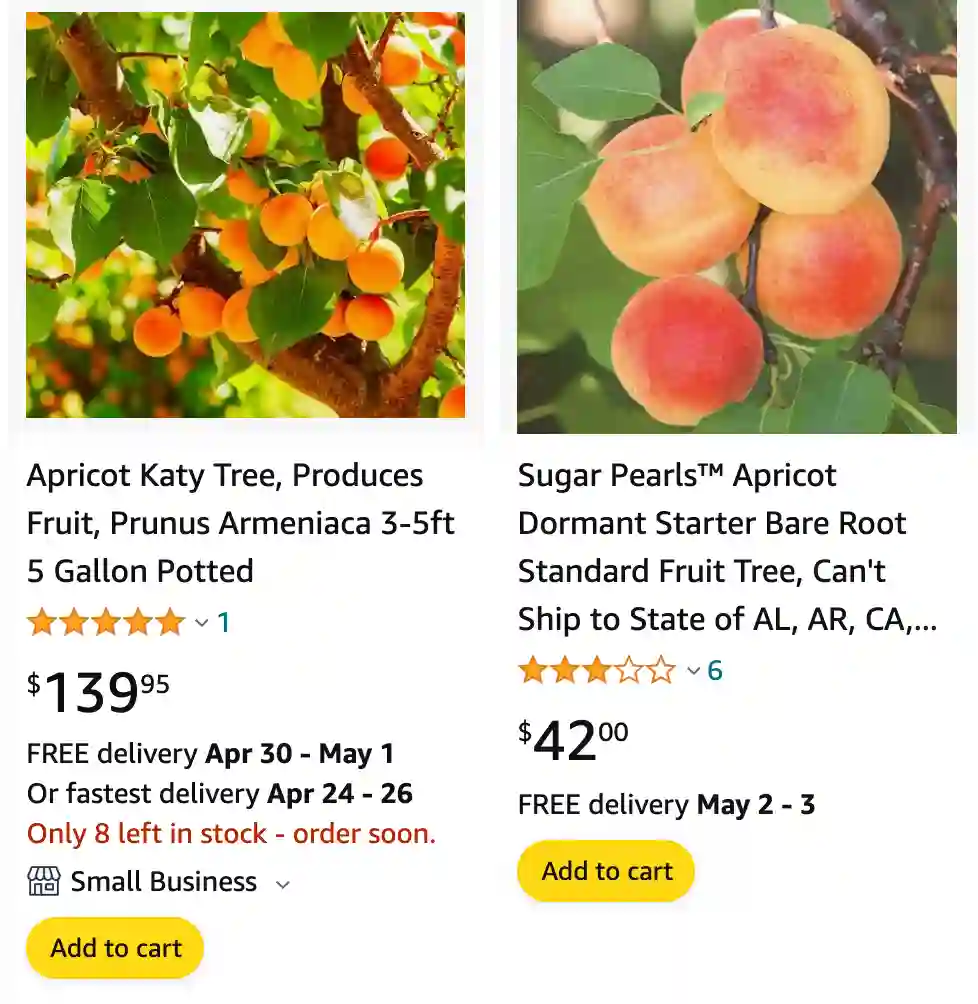
390 Species in Genus Prunus
Prunus Armeniaca: A Time-Lapse Journey of the Apricot Tree
Prunus armeniaca, commonly known as the apricot, is a deciduous tree belonging to the Rosaceae family. Renowned for its delectable fruit, the apricot holds significant economic and cultural value across the globe. This comprehensive article delves into the botanical characteristics, life cycle, cultivation, and cultural significance of Prunus armeniaca.
Botanical Profile
The apricot tree is a relatively small to medium-sized tree, typically reaching heights of 8 to 12 meters (26 to 39 feet) with a spreading, rounded crown. Its bark is smooth and reddish-brown when young, becoming rougher and grayish-brown with age.
- Leaves: The leaves are ovate to cordate (heart-shaped), 5 to 9 cm (2 to 3.5 inches) long and 4 to 8 cm (1.6 to 3.1 inches) wide, with serrated margins and a pointed apex. They are alternately arranged on the branches and exhibit prominent venation. The foliage provides a lush green canopy during the growing season, contributing to the tree’s aesthetic appeal and playing a vital role in photosynthesis.
- Flowers: Apricot flowers bloom in early spring, often before the leaves emerge, creating a spectacular display of delicate pink to white blossoms, approximately 2 to 3 cm (0.8 to 1.2 inches) in diameter. These flowers are typically solitary or borne in small clusters on short spurs along the branches. They are hermaphroditic, containing both male (stamens) and female (pistils) reproductive organs. The early blooming makes them susceptible to frost damage in some regions.
- Fruit: The defining characteristic of Prunus armeniaca is its fruit, the apricot. It is a drupe, a fleshy fruit with a hard endocarp (stone) enclosing a single seed. The fruit is typically round to oval, measuring 4 to 8 cm (1.6 to 3.1 inches) in diameter. The skin is velvety and ranges in color from pale yellow to deep orange, often with a reddish blush. The flesh is succulent, sweet, and aromatic, varying in texture and flavor depending on the cultivar. The stone is smooth and hard, with a slightly grooved surface.
- Root System: The apricot tree possesses a moderately deep and spreading root system. The depth and extent of the root system are influenced by factors such as soil type, water availability, and rootstock (in grafted varieties). A well-established root system is crucial for anchoring the tree, absorbing water and nutrients, and ensuring its overall health and productivity.
Time-Lapse: The Gardener’s Perspective
Month 1: The Promise of a Seed
“It all began with a humble apricot pit, a remnant of summer’s sweetness. I carefully cracked it open, revealing the almond-like kernel within. Following the wisdom passed down through generations, I stratified it, mimicking winter’s chill to awaken its dormant life. Tucked into moist sand in a cool place, the seed held the promise of a future tree.”
Scientific Insight: Apricot seeds exhibit dormancy, a physiological state that prevents germination under unfavorable conditions. Stratification, a period of cold, moist conditions, breaks this dormancy and prepares the embryo for germination.
Month 3: Emergence and Early Growth
“Spring’s gentle warmth coaxed life from the seed. A tiny sprout emerged from the soil, its delicate stem reaching for the sunlight, adorned with two small, tender leaves. I nurtured it carefully, providing just enough water and protecting it from harsh elements. Each new leaf unfurling was a small victory.”
Scientific Insight: Germination is the process by which a plant embryo develops from a seed into a seedling. The seedling relies on stored food reserves in the cotyledons (seed leaves) for initial growth until it develops true leaves capable of photosynthesis.
Year 1: Establishment and Foundation
“The first year was about building a strong foundation. The little sapling grew steadily, developing more leaves and branches. I chose a sunny spot with well-draining soil for its permanent home, carefully transplanting it to allow its roots to spread freely. I pruned it lightly, encouraging a balanced structure for future fruit bearing.”
Scientific Insight: During the first year, the apricot sapling focuses on vegetative growth, establishing a robust root system and a framework of branches. Proper pruning at this stage is essential for shaping the tree and promoting good airflow and light penetration, which are crucial for long-term health and productivity.
Year 3: The First Delicate Bloom
“A magical spring arrived in the third year. Tiny buds swelled on the branches, hinting at the beauty to come. Then, one morning, the tree was adorned with a profusion of delicate pink and white blossoms, their sweet fragrance filling the air. It was a breathtaking sight, a reward for the years of care.”
Scientific Insight: Apricot trees typically start flowering and fruiting between their second and fourth year, depending on the cultivar and growing conditions. The flowers are pollinated by insects, primarily bees, which transfer pollen from the anthers (male part) to the stigma (female part) of the same or different flowers.
Year 3 (Continued): The Promise of Fruit
“The delicate petals soon fell away, revealing tiny green nubbins – the nascent apricots. It was a fragile stage, susceptible to frost and pests. I watched them closely, my hopes rising with each passing day as they gradually swelled in size under the warm sun.”
Scientific Insight: Following successful pollination and fertilization, the ovary of the flower develops into the fruit. The developing apricot undergoes rapid cell division and enlargement, accumulating sugars and other compounds that contribute to its characteristic flavor and texture.
Year 4: The First Harvest
“The fourth summer brought the culmination of years of anticipation – the first harvest. The once tiny green fruits had ripened into golden orbs, their velvety skin blushing with orange and red. The sweet aroma was intoxicating. Each bite was a burst of sunshine, a testament to the miracle of nature.”
Scientific Insight: Fruit ripening in apricots involves complex biochemical changes, including the accumulation of sugars, the breakdown of starches, the development of characteristic pigments (carotenoids and anthocyanins), and the production of volatile compounds that contribute to the fruit’s aroma and flavor.
Years 5-Many Years: Maturity, Fruiting, and the Cycle of Life
“Year after year, the apricot tree has graced our garden with its bounty. It has weathered storms and scorching summers, each season bringing the familiar cycle of bloom, fruit set, and harvest. I’ve learned its rhythms, understanding its needs and tending to it through pruning, fertilization, and protection from pests and diseases. There have been years of abundance and years of scarcity, but the joy of nurturing this tree and sharing its fruit remains constant.”
Scientific Insight: Mature apricot trees continue to flower and fruit annually. Sustainable orchard management practices, including proper pruning, fertilization, irrigation, and pest and disease management, are essential for maintaining the tree’s health, productivity, and longevity. Apricot trees can live for several decades under favorable conditions.
Dormancy: As autumn approaches, the apricot tree prepares for winter dormancy. Leaves change color and eventually fall, and metabolic activity slows down. The tree enters a period of rest, conserving energy to survive the cold winter months and prepare for the next spring’s growth.
Regeneration: Although apricot trees are primarily propagated through grafting onto suitable rootstocks, they can also regenerate from seeds. However, seedlings may not possess the same desirable characteristics as the parent tree, and grafting is the preferred method for commercial production to ensure consistent fruit quality and disease resistance. Root sprouts can also emerge from the base of the tree or the rootstock, requiring regular removal to prevent them from competing with the main tree.
FAQs
Apricot vs Peach
I’ve always leaned towards peaches for their juiciness and the way their sweetness hits the palate, but apricots have this unique tanginess that pairs perfectly in salads and desserts.
Apricot vs Nectarine
Nectarines win me over with their smooth skin and slightly firmer texture, but apricots have that distinctive aroma and delicate flavor that makes them a favorite for snacking.
Apricot vs Plum
Plums are richer in flavor and juicier compared to apricots, though apricots have a subtler sweetness that’s refreshing in jams and pastries.
Can dogs eat apricots?
Dogs can eat apricots, but it’s important to be cautious. My dog once snuck a small piece of apricot off the counter and seemed fine, but I learned later that the seeds can be toxic to pets. It’s best to consult a vet before giving apricots to your dog.
Are dried apricots good for you?
I find dried apricots really tasty and convenient for a quick snack. They’re sweet and chewy, and I like that they’re packed with fiber and vitamins. However, they can be high in natural sugars, so I try not to overindulge.
What color is apricot?
Apricots have a soft, warm orange-yellow color, kind of like a sunset. When you see them in a bowl or on a tree, they look inviting and juicy.
How many apricot seeds should i eat a day?
I’ve read that apricot seeds contain amygdalin, which can release cyanide in the body. That sounds scary, so I avoid eating apricot seeds altogether and stick to enjoying the fruit itself.
When are apricots in season?
Apricots are usually in season during late spring and early summer. I remember picking ripe apricots from trees in my grandparents’ garden around June, when they were at their juiciest.
How to eat an apricot seed?
Eating an apricot seed isn’t something I’d recommend due to the potential cyanide content. But if you’re interested, some people crush them and mix them into other foods, although it’s controversial.
How to make apricot jam?
Making apricot jam is a delightful experience. I remember my grandmother’s recipe, simmering apricots with sugar and lemon juice until they turned into a thick, fragrant jam. It was perfect on warm toast on a Sunday morning.
Do apricots make you poop?
Apricots are known for their fiber content, which can definitely help keep things moving along. Whenever I’ve had a few too many, let’s just say apricots do their job!
What do apricots taste like?
Apricots have a unique taste that’s both sweet and tangy. The ones I’ve had are juicy with a hint of tartness, like a mix between a peach and a plum.
When the apricots bloom?
Apricot trees bloom in early spring, usually around March or April. I remember the sight of their delicate pink or white blossoms covering the branches, signaling the start of a new season.
How to make apricot jelly?
Making apricot jelly is similar to making jam, but you strain out the fruit solids to get a smooth, clear jelly. I’ve seen recipes where they add a touch of almond extract to enhance the apricot flavor.
What does an apricot tree look like?
Apricot trees are beautiful with their rounded canopy of green leaves and smooth, grayish bark. In spring, they burst into bloom with clusters of small, fragrant flowers that attract bees and butterflies.
How to grow an apricot tree from seed?
Growing an apricot tree from seed can be a fun experiment, although it takes patience. I’ve tried it by planting a cleaned seed in a pot with well-draining soil, keeping it moist and warm until it sprouted.
How many calories are in a dried apricot?
Dried apricots are relatively low in calories, which makes them a great snack option. I remember checking the label once and seeing around 50-70 calories per serving, depending on the brand.
Are apricots low fodmap?
Apricots can be low FODMAP in small servings, which is good news for those sensitive to certain carbohydrates. I’ve found that a moderate portion doesn’t upset my stomach like some other fruits can.
How big does an apricot tree get?
Apricot trees can vary in size depending on the variety and growing conditions. From what I’ve seen, they typically reach heights of about 10 to 20 feet, forming a lovely, spreading canopy when mature.
Cultivation of Prunus Armeniaca
Apricots thrive in temperate climates with well-defined seasons, requiring a period of winter chill for proper dormancy and subsequent flowering and fruiting. They prefer full sun and well-drained loamy soil with a slightly acidic to neutral pH (6.0-7.0).
Propagation: Apricots are typically propagated by grafting buds or scions of desired cultivars onto suitable rootstocks. Common rootstocks provide benefits such as dwarfing, disease resistance, and adaptability to different soil types. Seed propagation is generally not recommended for commercial production due to variability in the offspring.
Planting: The optimal time for planting apricot trees is in late fall or early spring when the tree is dormant. Planting holes should be wide and deep enough to accommodate the root system without bending or crowding. Graft unions should be kept above the soil line.
Pruning: Regular pruning is essential for maintaining the shape and size of the apricot tree, promoting good airflow and light penetration, and maximizing fruit production. Pruning is typically done during the dormant season. Training systems such as the open center or vase shape are commonly used.
Fertilization: Apricot trees benefit from balanced fertilization to support healthy growth and fruit development. Soil testing can help determine specific nutrient requirements. Fertilizers are typically applied in early spring before bloom and again after fruit set.
Irrigation: Consistent watering is crucial, especially during dry periods and fruit development. Deep, infrequent watering is generally preferred over shallow, frequent watering to encourage deep root growth.
Pest and Disease Management: Apricot trees are susceptible to various pests and diseases, including aphids, spider mites, oriental fruit moths, brown rot, and bacterial spot. Integrated pest management (IPM) strategies, combining cultural practices, biological control, and chemical treatments when necessary, are essential for maintaining tree health and fruit quality.
Harvesting: Apricots are typically harvested when they are fully colored, slightly soft to the touch, and have developed their characteristic aroma. Harvesting is usually done by hand to avoid bruising the delicate fruit. The ripening period varies depending on the cultivar and climate.
Cultural and Economic Significance
The apricot has a rich history and cultural significance, dating back thousands of years to its origins in Central Asia and China. It was later introduced to Europe and other parts of the world through trade routes.
- Culinary Uses: Apricots are enjoyed fresh and are also widely used in various culinary applications, including jams, preserves, baked goods, pies, tarts, and dried fruits. Apricot kernels (the seed inside the stone) are sometimes used to produce oil or consumed as a snack, although they contain amygdalin, which can be toxic in large quantities.
- Nutritional Value: Apricots are a good source of vitamins A and C, as well as dietary fiber and potassium. Their vibrant orange color is due to the presence of carotenoids, which are antioxidants.
- Economic Importance: Apricot cultivation is an important agricultural industry in many regions with suitable climates, providing livelihoods for farmers and contributing to local and national economies. Major apricot-producing regions include Turkey, Iran, Uzbekistan, Italy, Spain, and the United States (California and Washington).
- Cultural Symbolism: In various cultures, the apricot tree and its fruit hold symbolic meanings. In China, the apricot is associated with education and medicine. In some Western cultures, it can symbolize sweetness and delicacy.
Conclusion
Prunus armeniaca, the apricot, is more than just a source of delicious fruit. It is a testament to the intricate beauty and resilience of the natural world. From the dormant seed to the mature, fruit-bearing tree, the life cycle of the apricot is a fascinating journey marked by stages of growth, bloom, and renewal. Whether viewed through the lens of scientific inquiry or the personal experience of a gardener, the apricot tree offers a profound connection to the rhythms of nature and a tangible reward for care and patience. Its enduring cultural and economic significance underscores its value to human society, making it a cherished tree across continents and generations.

If i die, water my plants!