All About Alcea Rosea: Your Top Questions Answered by Ferb Vu
Hello everyone! Ferb Vu here, and today we’re diving into the wonderful world of a garden classic: Alcea Rosea, more commonly known as the hollyhock. These towering beauties have graced cottage gardens and borders for centuries, and for good reason. Their impressive height and vibrant blooms add a touch of old-fashioned charm and dramatic flair to any landscape.
Over the years, I’ve had countless conversations with fellow garden enthusiasts about Alcea Rosea, and certain questions pop up time and again. So, I thought it was high time I put together a comprehensive guide addressing the most frequent inquiries. Consider this your go-to FAQ, straight from my own gardening experiences!
What is Alcea Rosea?
Let’s start with the basics. What is Alcea Rosea? In simple terms, Alcea Rosea is the botanical name for the hollyhock. It’s a member of the Malvaceae family, which also includes cotton and hibiscus. These plants are known for their striking vertical growth, often reaching impressive heights of 5 to 8 feet, sometimes even taller under ideal conditions.
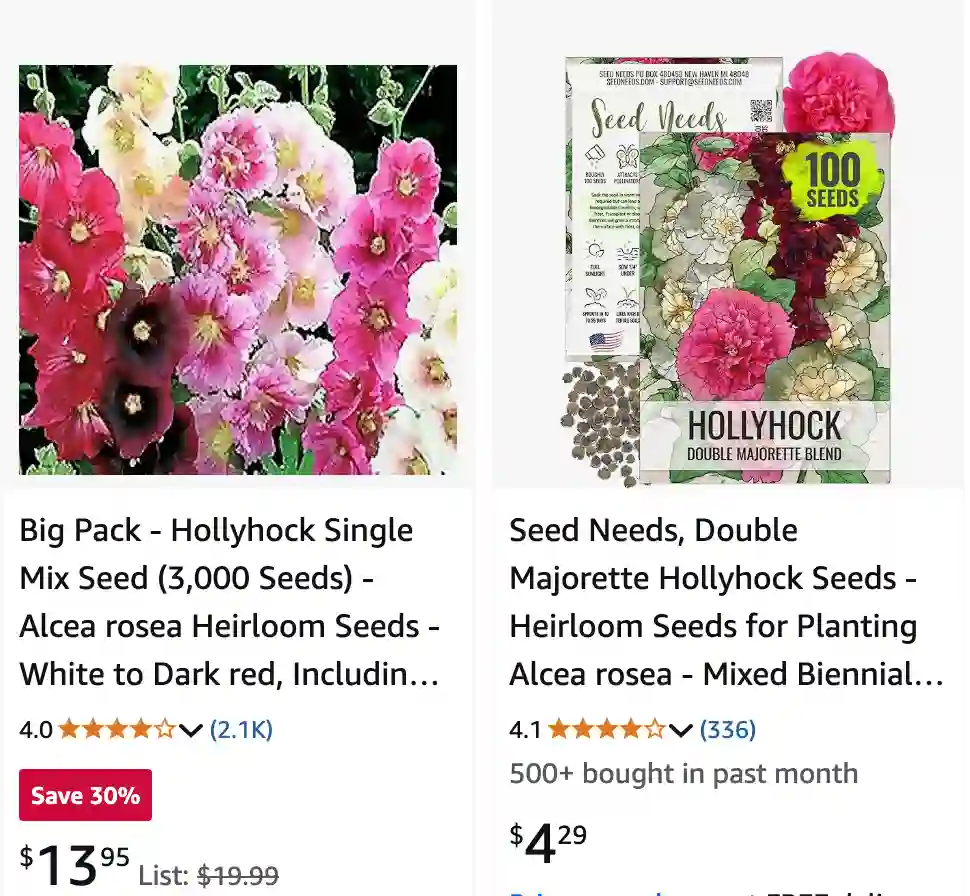
The most captivating feature of Alcea Rosea is, without a doubt, its flowers. They typically bloom from early summer to early autumn, displaying a wide array of colors including pink, red, white, yellow, purple, and even black. The flowers themselves are large and showy, often appearing in single or double forms, arranged in spikes along the tall, sturdy stems. Each bloom usually lasts for a day or two, but new ones continuously open, ensuring a long-lasting display.
Beyond their aesthetic appeal, Alcea Rosea also plays a role in supporting local ecosystems. Their nectar-rich flowers are a magnet for pollinators like bees and butterflies, making them a fantastic addition to a pollinator-friendly garden.
Is Alcea Rosea Perennial?
This is perhaps the most frequently asked question I receive: is Alcea Rosea perennial? The answer, like many things in gardening, isn’t a simple yes or no. Most commonly, Alcea Rosea is treated as a biennial. What does this mean? A biennial plant completes its life cycle in two years. In the first year, it typically grows foliage, establishing a strong root system. Then, in the second year, it flowers, sets seed, and subsequently dies.
However, many gardeners find that Alcea Rosea can act as a short-lived perennial, especially in milder climates or when conditions are particularly favorable. This “perennial-like” behavior often occurs due to self-seeding. If you allow the plant to set seed, the seeds will drop to the ground and often germinate, producing new plants for the following year. This gives the illusion that the original plant has returned, when in fact, it’s a new generation.
To encourage this self-seeding and ensure a continuous display of hollyhocks, I recommend letting some of the flower stalks remain after blooming to allow the seeds to mature and disperse naturally. You can also collect the seeds and sow them yourself in late summer or early autumn for blooms the following year. While the mother plant may die, its progeny will carry on its legacy. So, while not a true, long-lived perennial like a peony or a hosta, Alcea Rosea certainly has ways of keeping itself present in your garden year after year.
How Do You Grow Alcea Rosea from Seed?
Growing Alcea Rosea from seed is incredibly rewarding and relatively straightforward. I usually sow seeds directly into the garden in late spring or early summer after the last frost has passed. Choose a spot with full sun exposure (at least six hours of direct sunlight per day) and well-draining soil. Hollyhocks are not fussy about soil type, but they absolutely detest soggy feet, which can lead to root rot.
Prepare the seedbed by loosening the soil and removing any weeds. Plant the seeds about 6 inches apart and about a quarter-inch deep. Gently cover them with soil and water thoroughly. Germination usually occurs within one to two weeks. Once the seedlings are a few inches tall, thin them to about 18 to 24 inches apart. This spacing ensures good air circulation, which is crucial for preventing fungal diseases, especially rust.
For an earlier bloom the following year, you can also start seeds indoors about 6-8 weeks before your last anticipated frost date. Transplant them carefully once the danger of frost has passed.
What Are Common Problems with Alcea Rosea?
While generally robust, Alcea Rosea can encounter a few issues. The most common problem is hollyhock rust, a fungal disease that manifests as orange or reddish-brown spots on the leaves, especially on the undersides. Severe infestations can cause leaves to yellow and drop prematurely, weakening the plant.
To prevent rust, ensure good air circulation by proper spacing and avoid overhead watering. If rust appears, remove and destroy affected leaves immediately. In severe cases, you might consider a fungicide, though I generally try to avoid chemical treatments unless absolutely necessary. Choosing rust-resistant varieties can also help.
Another potential issue is slug and snail damage, particularly on young seedlings. I find that a barrier of crushed eggshells or diatomaceous earth around the base of the plants can deter these pests. Aphids can also be a minor nuisance; a strong spray of water or an insecticidal soap can usually handle them.
By understanding these common questions and answers, you’ll be well on your way to cultivating a stunning display of Alcea Rosea in your garden. They truly are magnificent plants that bring a touch of timeless beauty and vertical interest. Happy gardening!

If i die, water my plants!