I’ve always been fascinated by wild edible plants, and Allium Tricoccum, commonly known as ramps or wild leeks, has a special place in my heart. Over the years, I’ve learned a lot about this humble plant — from how to identify it in the wild to its culinary uses and how it compares with similar species. I want to share some of the most frequently asked questions I encounter about Allium Tricoccum, infused with my own experiences and insights.
What Is Allium Tricoccum?
Allium Tricoccum is a wild onion native to eastern North America. It grows mostly in deciduous forests and blooms in early spring. The plant is known for its broad, smooth leaves and strong garlic-onion scent. I first discovered ramps while hiking in the Appalachian region, and since then, I’ve been intrigued by their unique flavor — a pungent mix of garlic and onion that’s hard to replicate.
How to Identify Allium Tricoccum?
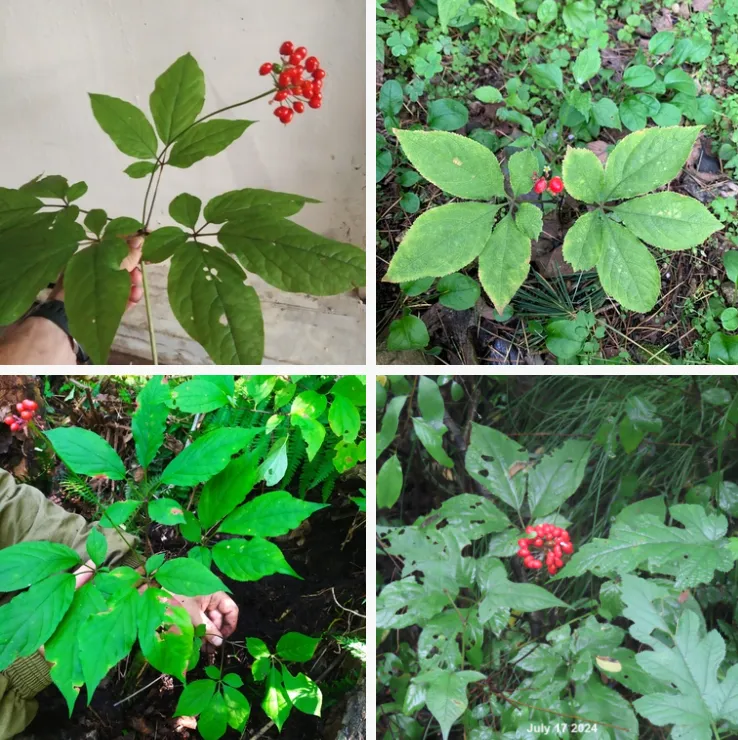
Identifying ramps correctly is crucial, especially since some lookalikes are toxic. Allium Tricoccum has two or three smooth, broad leaves that emerge from a single bulb. The leaves have pronounced veins and are often mottled with deep purple or reddish hues near the base. One of the best ways I’ve found to confirm ramps is by their distinct garlic-onion aroma when the leaves or bulb are crushed.
When Is the Best Time to Harvest Allium Tricoccum?
Ramps are a spring ephemeral, meaning their window for harvesting is short — usually just a few weeks in early spring. From my experience, the ideal time to gather ramps is just as their leaves fully unfold but before the plant starts flowering. This timing ensures the leaves are tender and the bulb is flavorful.
What Are the Culinary Uses of Allium Tricoccum?
Ramps have a versatile flavor that brightens many dishes. I love using them in pesto, soups, and scrambled eggs. Their leaves are great sautéed or pickled, while the bulbs can be roasted or grilled. The pungency mellows with cooking but leaves a delightful depth. Ramps also pair well with spring vegetables like asparagus and fiddleheads.
Is Allium Tricoccum Sustainable to Harvest?
Sustainability is a critical concern with ramps. Overharvesting has led to local depletion in many areas. I always stress to fellow foragers the importance of harvesting responsibly: only taking a few bulbs from any patch, leaving plenty behind to ensure future growth. Many conservation groups recommend harvesting no more than 10-20% of a patch at a time.
Allium Tricoccum vs Allium Ursinum
One comparison I often get asked about is allium tricoccum vs allium ursinum. Allium Ursinum, known as wild garlic or ramsons in Europe, shares many similarities with ramps but is native to Europe and parts of Asia.
Both plants have a strong garlic aroma and grow in similar habitats — moist, shaded woodlands. However, there are key differences:
- Leaf Shape and Texture: Allium Ursinum leaves tend to be broader, more lance-shaped, and have a matte surface. Allium Tricoccum’s leaves are often more oval and smoother with visible veins.
- Bulb Size: Ramps generally have a larger, more robust bulb compared to the smaller bulbs of Allium Ursinum.
- Flowering: The flowers of Allium Ursinum appear as clusters of star-shaped white blooms on a stalk, while ramps have a looser flowering head with reddish to purple buds.
From my perspective, while the flavors are somewhat similar, Allium Tricoccum has a sharper, more pronounced onion-garlic bite, whereas Allium Ursinum offers a milder, more delicate garlicky flavor.
Are There Any Lookalikes to Beware Of?
Yes, ramps have a few lookalikes that foragers should be cautious about, including False Hellebore (Veratrum viride), which is toxic. False Hellebore leaves are wider, have a ribbed texture, and lack the onion smell that ramps have. I always recommend crushing the leaf to check for the distinct allium scent before harvesting.
How Do You Cultivate Allium Tricoccum?
Growing ramps in a home garden can be challenging but rewarding. They require a shady spot with rich, moist, well-drained soil that mimics their forest floor habitat. Patience is key — ramps grow slowly and may take several years to mature. I started a small patch myself by transplanting wild bulbs, and after a few seasons, the plants began to flourish.
What Are the Health Benefits of Allium Tricoccum?
Ramps are not just tasty but also nutritious. They are rich in vitamins A and C, antioxidants, and have antibacterial properties, much like other members of the Allium genus. In my experience, incorporating ramps into my diet during spring has been a refreshing way to boost immunity and add micronutrients after winter.
Can Allium Tricoccum Be Used Medicinally?
Traditionally, Native Americans used ramps for various medicinal purposes, including digestive aid and treating colds. While I don’t practice herbal medicine professionally, I appreciate how ramps have served as both food and medicine in indigenous cultures, highlighting their importance beyond just culinary use.
Final Thoughts
Allium Tricoccum remains one of my favorite wild plants because of its distinct flavor, nutritional value, and connection to the seasons. Whether you’re a forager, chef, or just a curious eater, understanding ramps — how to identify, harvest, and use them — enriches the experience.

If i die, water my plants!