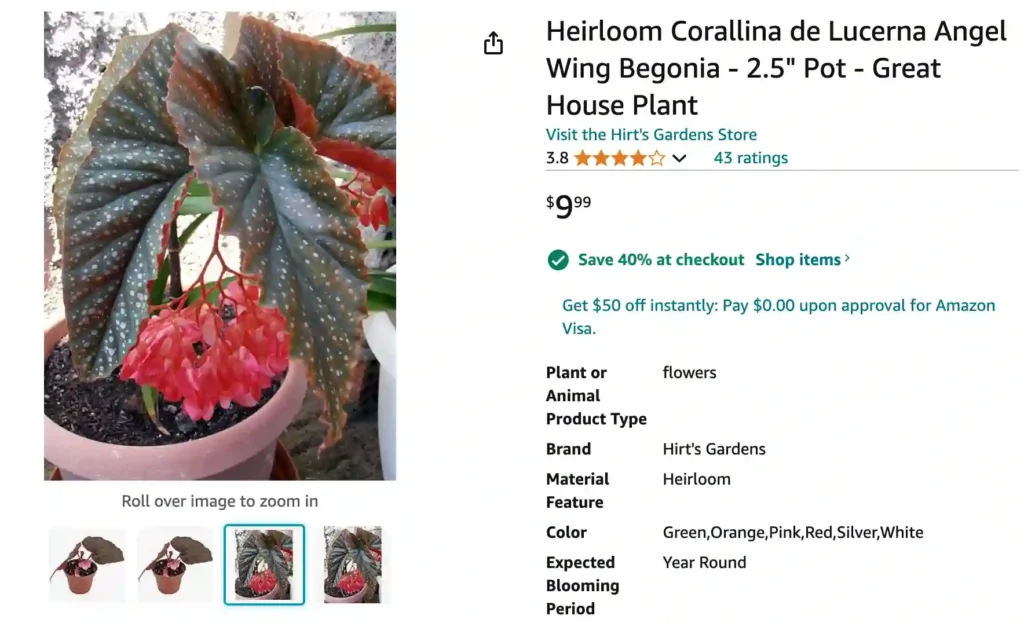
The world of houseplants is vast and varied, but few possess the captivating blend of elegance, resilience, and vibrant charm quite like Begonia ‘Lucerna’. Often simply called “Begonia Lucerna,” this magnificent cane begonia stands as a testament to horticultural artistry, captivating growers with its distinct foliage and cascades of coral-pink blooms. More than just a pretty face, ‘Lucerna’ offers a rewarding experience for both novice and seasoned plant enthusiasts alike.
This comprehensive guide will delve deep into the essence of Begonia ‘Lucerna’, exploring its origins, unique characteristics, and providing an exhaustive care regimen to help it thrive in your home. We’ll uncover the secrets to its luxuriant growth, troubleshoot common challenges, and even compare it to some of its close relatives. But beyond the technical details, we’ll also embark on a personal journey—a “time-lapse” narrative from a gardener’s perspective, illustrating the life cycle of this remarkable plant and the joy it brings.
The Regal Profile of Begonia ‘Lucerna’
Begonia ‘Lucerna’ is not a wild species but a celebrated hybrid, a triumph of late 19th-century horticulture. Bred in Switzerland around 1892, it is believed to be a cross between Begonia coccinea (known for its robust nature and pendulous red flowers) and Begonia metallica (contributing its metallic sheen). The resulting cultivar inherited the best traits of its parents: a sturdy, upright growth habit, striking foliage, and prolific, showy flowers.
It belongs to the cane begonia group, characterized by their bamboo-like, upright stems, often with swollen nodes. These stems become woody with age, allowing the plant to achieve impressive heights, sometimes reaching 4-6 feet indoors and even larger in optimal outdoor conditions in frost-free climates.
Distinctive Features: A Symphony of Green, Silver, and Red
The allure of Begonia ‘Lucerna’ lies primarily in its multi-faceted aesthetic:
- Foliage: The leaves are perhaps its most striking feature. Large and asymmetrical, they boast a rich, deep green upper surface, often adorned with sparse, silvery-white spots or splashes that shimmer in the light. The magic truly happens on the underside, which reveals a dramatic, deep burgundy or reddish-purple hue. This contrast is particularly captivating when light catches the leaves from below, creating a living stained-glass effect. The “angel wing” shape, common to many cane begonias, is prominent here, lending an ethereal quality to the plant.
- Stems: The robust, cane-like stems are reddish-brown when young, gradually maturing to a more woody, substantial appearance. They are strong but may require support as the plant grows taller and its foliage becomes denser.
- Flowers: Arguably the crown jewel of the ‘Lucerna’ begonia, its flowers are nothing short of spectacular. Produced in large, pendulous clusters (cymes), the waxy blooms range from vibrant coral-pink to deep red. These cascades of color can appear almost year-round under ideal growing conditions, adding a tropical flourish to any indoor space. Each flower is relatively small, but their sheer abundance creates an impressive display.
Cultivating Perfection: A Detailed Care Guide for Begonia ‘Lucerna’
To truly unlock the potential of your Begonia ‘Lucerna’, understanding and providing its preferred environmental conditions is paramount. This plant, while robust, thrives on consistency and attention to its specific needs.
1. Light: The Elixir of Growth
Begonia ‘Lucerna’ craves bright, indirect light. This means a location where it receives ample illumination but is shielded from the harsh, direct rays of the sun, particularly during the hottest parts of the day.
- Ideal Placement: An east-facing window is often perfect, offering gentle morning sun. A north-facing window can also work, though growth might be slower. In a south or west-facing window, ensure the plant is set back from the window or protected by a sheer curtain to diffuse intense light.
- Signs of Too Much Light: Scorched, bleached, or yellowing leaves. The distinctive reddish underside might also fade.
- Signs of Too Little Light: Leggy, stretched growth with long internodes (space between leaf nodes), smaller leaves, and a significant reduction in flowering. The rich leaf coloration may also appear dull.
- Artificial Lighting: If natural light is insufficient, supplemental grow lights can be used. Opt for full-spectrum LED grow lights, positioned about 12-18 inches above the plant, for 12-14 hours a day.
2. Water: The Balance of Moisture
Proper watering is critical, as both overwatering and underwatering can lead to significant problems. ‘Lucerna’ prefers consistently moist, but never soggy, soil.
- The “Feel” Test: The most reliable method is to check the soil moisture. Stick your finger about 1-2 inches deep into the soil. If it feels dry, it’s time to water.
- Watering Frequency: This will vary based on light, temperature, humidity, and pot size. During the active growing season (spring and summer), you might water every 4-7 days. In fall and winter, when growth slows, reduce frequency significantly, possibly every 10-14 days or less, allowing the soil to dry out more between waterings.
- Method: Water thoroughly until water drains from the bottom of the pot. Discard any standing water in the saucer to prevent root rot.
- Water Quality: If your tap water is heavily chlorinated or very hard, consider using filtered water, rainwater, or allowing tap water to sit out for 24 hours to let chlorine dissipate.
- Signs of Overwatering: Yellowing leaves, mushy stems, wilting despite wet soil, and eventually root rot.
- Signs of Underwatering: Drooping, crispy leaves that may turn brown at the edges, and stunted growth. The plant will look generally limp.
3. Humidity: The Tropical Comfort Zone
Hailing from a humid environment, Begonia ‘Lucerna’ thrives in high humidity (ideally 50-70%). Dry indoor air, especially during winter with heating systems, can stress the plant.
- Strategies for Boosting Humidity:
- Pebble Tray: Fill a shallow tray with pebbles and water, placing the plant pot on top (ensure the pot is not sitting directly in the water). As the water evaporates, it increases humidity around the plant.
- Humidifier: The most effective method, especially in very dry environments, is to use a room humidifier.
- Grouping Plants: Plants release moisture through transpiration, so grouping them together can create a mini-microclimate with higher humidity.
- Avoid Misting: While seemingly helpful, misting leaves directly often provides only a temporary boost and can encourage fungal diseases, especially if air circulation is poor.
4. Soil: The Foundation of Growth
A well-draining, airy potting mix is crucial to prevent waterlogging and ensure healthy root development.
- Ideal Mix: A standard peat-based potting mix amended with perlite, coarse sand, or orchid bark for improved drainage and aeration. A good ratio is 2 parts potting mix to 1 part perlite/sand/bark.
- pH: Begonia ‘Lucerna’ prefers a slightly acidic to neutral pH, typically between 6.0 and 7.0.
- Avoid Heavy Soils: Dense, compact soils retain too much moisture, suffocating roots and leading to rot.
5. Temperature: The Warm Embrace
This tropical plant enjoys consistent, warm temperatures.
- Optimal Range: 65-75°F (18-24°C) during the day. Night temperatures can dip slightly but should not fall below 55°F (13°C).
- Cold Sensitivity: ‘Lucerna’ is very sensitive to cold drafts and temperatures below 50°F (10°C), which can cause leaf drop, stunted growth, or even death. Keep it away from drafty windows, air conditioning vents, and exterior doors.
- Heat Tolerance: It can tolerate slightly higher temperatures if humidity is also high and air circulation is good.
6. Fertilization: Fueling the Bloom
During its active growing season (spring and summer), Begonia ‘Lucerna’ benefits from regular feeding to support its vigorous growth and abundant flowering.
- Frequency: Fertilize every 2-4 weeks.
- Type: Use a balanced liquid fertilizer (e.g., 10-10-10 or 20-20-20) diluted to half or quarter strength. Alternatively, a fertilizer specifically formulated for flowering plants can encourage more blooms.
- Application: Apply to moist soil to avoid root burn.
- Winter Rest: Reduce or cease fertilization entirely during fall and winter when the plant’s growth naturally slows down. Over-fertilizing during dormancy can harm the roots.
- Signs of Nutrient Deficiency: Yellowing leaves, slow growth, small leaves, or lack of flowering.
Care & Maintenance: Keeping Your ‘Lucerna’ Looking Its Best
Beyond the basic environmental factors, regular maintenance practices ensure your Begonia ‘Lucerna’ remains healthy, bushy, and floriferous.
1. Pruning: Shaping and Encouraging Bushiness
Pruning is essential for both aesthetic appeal and plant health.
- Pinching Back: When the plant is young, pinch back the tips of stems to encourage branching and a bushier growth habit. This prevents it from becoming leggy.
- Shaping and Size Control: As the plant matures, prune to maintain your desired size and shape. Cut back any leggy, unruly, or excessively long stems. Make cuts just above a leaf node or branch point.
- Removing Dead/Damaged Growth: Regularly remove any yellowed, brown, diseased, or dead leaves and stems. This improves air circulation and directs the plant’s energy to healthy growth.
- Rejuvenation Pruning: For very old or overgrown plants, a more aggressive “chop” can rejuvenate them. Cut stems back significantly (even to just a few inches above the soil line), and new growth will emerge from the nodes. This is best done in early spring.
2. Repotting: Giving Roots Room to Grow
Begonia ‘Lucerna’ generally doesn’t mind being somewhat root-bound, but eventually, it will need a larger home.
- Frequency: Repot typically every 1-2 years, or when you notice roots emerging from the drainage holes, water running straight through the pot, or stunted growth despite proper care.
- Timing: The best time to repot is in spring, at the beginning of the active growing season.
- Pot Size: Move up only one pot size (e.g., from a 6-inch to an 8-inch pot). Using an excessively large pot can lead to soil remaining wet for too long, increasing the risk of root rot.
- Process: Gently remove the plant from its old pot. Loosen any circling roots at the bottom. Add a layer of fresh, well-draining potting mix to the new pot, center the plant, fill with more mix, and water thoroughly.
3. Providing Support: The Path to Stature
As Begonia ‘Lucerna’ grows taller, its cane-like stems, while sturdy, can become top-heavy.
- Staking: Provide a sturdy stake (bamboo cane, moss pole, or small trellis) early on. As the plant grows, gently tie the stems to the support using soft plant ties or clips. This prevents stems from bending or breaking and encourages upright growth.
Propagation: Multiplying the Magic of ‘Lucerna’
One of the most rewarding aspects of growing Begonia ‘Lucerna’ is how easily it can be propagated, allowing you to create new plants for yourself or to share with friends.
1. Stem Cuttings: The Easiest Method
Stem cuttings are the most reliable and fastest way to propagate ‘Lucerna’.
- Timing: Spring or early summer, during active growth.
- Procedure:
- Select a Healthy Stem: Choose a healthy, non-flowering stem section that is about 4-6 inches long and has at least two or three nodes (points where leaves attach).
- Make the Cut: Using clean, sharp pruners or a knife, make a clean cut just below a node.
- Prepare the Cutting: Remove the lower leaves to expose the nodes. If the remaining leaves are very large, you can cut them in half horizontally to reduce moisture loss.
- Rooting Medium:
- Water: Place the cutting in a glass of water, ensuring at least one node is submerged. Change the water every few days to keep it fresh. Roots typically emerge in 2-4 weeks.
- Soil: Dip the cut end in rooting hormone (optional, but can speed up rooting) and plant the cutting into a small pot filled with moist, well-draining potting mix (e.g., half peat, half perlite).
- Environment: Place the cutting in a warm spot with bright, indirect light. High humidity is beneficial for cuttings; you can cover the pot with a plastic bag or dome to create a mini-greenhouse effect, but ensure some ventilation to prevent rot.
- Transplanting: Once roots are about an inch long (in water) or when you feel resistance when gently tugging on the cutting (in soil), it’s ready to be transplanted into a larger pot.
2. Leaf Cuttings: A Less Common Approach
While some begonias (like Rex begonias) are easily propagated from leaf sections, cane begonias like ‘Lucerna’ are generally less successful with this method, or it takes much longer to produce a new plant. Stem cuttings are far more efficient.
Common Pests & Diseases: Vigilance is Key
Even with the best care, plants can sometimes fall prey to pests or diseases. Early detection and intervention are crucial for Begonia ‘Lucerna’.
Pests:
- Mealybugs: Small, white, cottony insects found in leaf axils and on stems. They suck plant sap, leading to stunted growth and sticky honeydew.
- Treatment: Swab with rubbing alcohol, use insecticidal soap, or horticultural oil.
- Spider Mites: Tiny arachnids that cause fine webbing on leaves and tiny yellow or brown spots. They thrive in dry conditions.
- Treatment: Increase humidity, wipe leaves with a damp cloth, use insecticidal soap or neem oil.
- Aphids: Small, soft-bodied insects, often green, black, or brown, clustered on new growth. They deform leaves and excrete honeydew.
- Treatment: Rinse with strong stream of water, use insecticidal soap.
- Whiteflies: Tiny, white, moth-like insects that fly up when disturbed from the undersides of leaves.
- Treatment: Insecticidal soap, sticky traps.
General Pest Management: Regularly inspect your plant, especially the undersides of leaves. Isolate infested plants immediately.
Diseases:
- Powdery Mildew: White, powdery spots on leaves, often due to high humidity combined with poor air circulation or cool temperatures.
- Treatment: Improve air circulation, reduce humidity, apply fungicidal sprays (e.g., sulfur-based or potassium bicarbonate).
- Botrytis (Gray Mold): Fuzzy gray mold on leaves, stems, or flowers, typically caused by excessive moisture and poor air circulation.
- Treatment: Remove affected parts, improve air circulation, reduce humidity, ensure good drainage.
- Root Rot: The most common issue, caused by overwatering and poorly draining soil. Symptoms include wilting, yellowing leaves, and a mushy stem base.
- Treatment: If caught early, unpot the plant, trim off any mushy, black roots, repot in fresh, dry, well-draining soil, and adjust watering habits. Severely rotted plants may not recover.
Troubleshooting Common Begonia ‘Lucerna’ Issues
Understanding the symptoms your plant exhibits can help you quickly diagnose and rectify problems.
- Leaves Turning Yellow and Dropping:
- Cause: Most often overwatering or insufficient drainage leading to root rot. Can also be from sudden temperature changes (cold drafts), low humidity, or extreme underwatering.
- Solution: Check soil moisture. If wet, let it dry out more. If severely overwatered, inspect roots. Ensure stable temperatures and increase humidity if necessary.
- Brown, Crispy Leaf Edges/Tips:
- Cause: Low humidity or underwatering.
- Solution: Increase humidity (pebble tray, humidifier) and ensure consistent watering.
- Stunted Growth or No Flowers:
- Cause: Insufficient light, lack of fertilizer, or being root-bound.
- Solution: Move to a brighter location, start regular feeding during growing season, or repot if necessary.
- Faded Leaf Color or Lack of Silver Spots:
- Cause: Insufficient light.
- Solution: Move to a brighter, indirect light location.
- Mushy Stems:
- Cause: Severe overwatering and root rot.
- Solution: This is often a sign of advanced root rot. Try to propagate healthy stem sections if possible.
- Wilting Plant (Despite Moist Soil):
- Cause: Typically root rot (roots can’t absorb water even if present), or sometimes underwatering.
- Solution: Check roots for rot. If healthy, water thoroughly.
Begonia ‘Lucerna’ vs. Its Kin: Understanding the Differences
The world of cane begonias can be a bit confusing, as many share similar growth habits and leaf patterns. Begonia ‘Lucerna’ is often compared to, or mistaken for, other popular cultivars, particularly Begonia maculata.
Begonia ‘Lucerna’ vs. Begonia maculata
Both are stunning cane begonias known for their spotted foliage, but they have distinct differences:
| Feature | Begonia ‘Lucerna’ | Begonia maculata (Wightii) |
|---|---|---|
| Origin | Hybrid (B. coccinea x B. metallica) | Species from Brazil |
| Spots | Silvery-white, often more diffuse, sparse, or even absent depending on clone; sometimes appear more like splashes. | Pronounced, distinct, uniform silver polka-dots on upper leaf surface. |
| Leaf Underside | Deep burgundy to reddish-purple. | Often reddish, but can be a lighter purple or even green depending on cultivar. |
| Flowers | Large, pendulous clusters of vibrant coral-pink to red flowers. | Smaller clusters of typically white to pale pink flowers (sometimes with a hint of green). |
| Growth Habit | Very robust, sturdy, upright canes; can grow very tall and bushy. | Upright, but often appears more delicate or open; can also grow tall. |
| Overall Look | A more substantial, lush appearance with larger leaves and very showy blooms. | Often described as more elegant or “arty” due to the distinct dot pattern. |
While both are beautiful, Begonia ‘Lucerna’ tends to be a more vigorous grower with a showier floral display, making it a favorite for those who love abundant blooms. Begonia maculata is often sought after specifically for its striking, architectural polka-dot foliage.
Begonia ‘Lucerna’ vs. Other “Angel Wing” Begonias
“Angel Wing Begonia” is a common umbrella term for any cane begonia with asymmetrical, wing-shaped leaves. Begonia ‘Lucerna’ is one of the oldest and most popular cultivars within this broad category. Other notable angel wing begonias include ‘Sophie Cecile’ (large, deeply lobed leaves, pink flowers), ‘Pink Mink’ (silvery-pink speckled leaves, pink flowers), and numerous others, each with unique variations in leaf color, spotting, and flower hue. ‘Lucerna’ distinguishes itself with its specific combination of dark green, reddish-backed, lightly spotted leaves and its characteristic large, vibrant pink-red flowers.
Toxicity and Safety: A Note for Households
Like many begonias, Begonia ‘Lucerna’ contains calcium oxalates, which are insoluble crystals that can cause irritation if ingested.
- Pets: Mildly toxic to cats and dogs. Ingestion can lead to oral irritation, excessive drooling, vomiting, and difficulty swallowing. The tuber (underground stem) is the most toxic part, but all parts can cause mild symptoms.
- Humans: Can cause similar irritation if ingested.
- Precaution: It’s best to keep this plant out of reach of curious pets and small children. If ingestion is suspected, contact a veterinarian or poison control center.
Displaying Your Begonia ‘Lucerna’: Aesthetic Appeal
Given its impressive size and dramatic appearance, Begonia ‘Lucerna’ makes a stunning statement plant.
- As a Specimen Plant: Its upright habit and vibrant flowers make it an excellent focal point in a bright room.
- In Groups: Grouping it with other humidity-loving plants can create a lush, tropical display while also benefiting humidity levels.
- Outdoor Use: In USDA hardiness zones 10 and above (or where temperatures never drop below 50°F/10°C), it can thrive outdoors in a shaded or partly shaded location, becoming a magnificent garden specimen. In cooler climates, it can be enjoyed outdoors during summer and brought indoors before the first frost.
- Trellis/Stake: As it grows, train it on a decorative stake or small trellis to enhance its vertical appeal and provide necessary support.
The Gardener’s Journey: A Begonia ‘Lucerna’ Time Lapse Story
My journey with plants began simply, but it was the Begonia ‘Lucerna’ that truly captured my heart and taught me patience, observation, and the profound joy of nurturing life. Here’s a time-lapse account of ‘Lucerna’s’ growth in my home, a testament to its beauty and resilience.
Month 0: The Promise of a Cutting
It started as a humble stem cutting, gifted by a fellow plant enthusiast. It was barely five inches long, with just two unassuming leaves, the bottom ones removed as instructed. I placed it in a small glass of water on my windowsill, hoping for the best. For two weeks, nothing much happened. I diligently changed the water every other day, inspecting the submerged node with a magnifying glass. Then, a miracle! Tiny, white nubs appeared, roots emerging like hopeful antennae reaching into the liquid. It was a thrilling sight, the first whisper of a new life.
Month 1: A New Home and the First Stretch
Once the roots were about an inch long, delicate but discernible, I knew it was time for its first pot. I chose a small 4-inch terracotta pot, perfect for its size, filled with a light, airy mix of potting soil and perlite. I nestled the rooted cutting gently, watered it in, and placed it in a bright, east-facing window. The initial days were touch-and-go; the plant looked a little shocked, but by the end of the month, a new, tiny leaf unfurled at the top, a vibrant, glossy green. It was a sign of acceptance, a nod of approval from my tiny ‘Lucerna’.
Month 3: The Adolescent Spurt
Three months in, and ‘Lucerna’ was no longer a delicate cutting. It had developed a second, then a third new leaf, each larger than the last, beginning to show the distinctive angel-wing shape. The single stem had lengthened considerably, and I could already see faint silver flecks appearing on the young foliage. I started to notice the deep red underside of the leaves becoming more prominent. It was growing upwards, reaching for the light, looking a bit like a leggy teenager. This was when I realized it might need a small stake soon to encourage sturdy, upright growth. I also started a very diluted half-strength fertilizer routine every few weeks.
Month 6: Bushiness and Budding Hopes
By six months, ‘Lucerna’ was a confident young plant, standing about a foot tall. I had pinched back the very top, which had encouraged a side shoot to emerge, making it look much bushier. The stem was thicker, taking on that tell-tale cane-like appearance. The leaves were now fully formed, with their glossy green tops and rich burgundy undersides, some displaying more pronounced silver spotting than others. Then, one morning, tucked among the leaves near the top, I saw them—tiny, coral-pink nubs, the first signs of flower buds! My heart swelled. It was an exciting milestone, promising the vibrant display I’d read so much about.
Month 9: The First Bloom and Steady Growth
The buds slowly swelled, taking their time, but by month nine, they burst open into glorious clusters of pendulous coral-pink flowers. It was even more beautiful than I had imagined. The waxy petals caught the light, and the sheer number of blooms was astounding for such a relatively young plant. I spent more time just admiring it, rotating the pot occasionally to ensure even light exposure. Its overall height was nearing two feet, and I had indeed given it a slim bamboo stake for support. The flowering seemed to give it an extra burst of energy, and new leaves continued to unfurl regularly.
Year 1: A Pillar of Beauty
A full year had passed since that tiny cutting. My ‘Lucerna’ was now a magnificent specimen, over three feet tall, a true pillar of foliage and continuous bloom. It was consistently putting out flowers, a vibrant beacon in my living room. I repotted it into a slightly larger 8-inch pot that spring, giving its roots more room to expand. I pruned a few lower, older leaves that had started to yellow, and tidied up some leggy side shoots. Its sturdy canes, tied gently to a stronger stake, held aloft a canopy of striking leaves. It had weathered a minor spider mite scare (quickly dealt with by wiping leaves and increasing humidity) and emerged stronger. It truly felt like a living sculpture, bringing constant joy and a touch of the tropics to my home.
Year 2-3: Maturation and Proliferation
In its second and third years, my ‘Lucerna’ continued to grow, eventually reaching over four feet tall. It became a prominent feature, and I took several stem cuttings from it each spring to share with friends, extending its legacy. The main stems had become woody and robust, testament to its cane-begonia nature. It would occasionally have a slightly less prolific flowering period in the depths of winter, but with the return of longer days and consistent feeding, it would burst back into a floral show. It had become more than just a plant; it was a companion, a constant source of green beauty and vibrant color, and a living reminder of the small, hopeful cutting it once was. Its enduring presence and continuous cycles of growth and bloom always brought a quiet satisfaction, a gentle, living time-lapse unfolding before my eyes.
Conclusion: A Rewarding Green Companion
Begonia ‘Lucerna’ is undoubtedly a remarkable houseplant, offering a stunning combination of attractive foliage and abundant, show-stopping flowers. While it appreciates consistent care and attention to its specific needs for light, water, and humidity, its relatively robust nature makes it a rewarding choice for a wide range of plant enthusiasts.
By providing the bright, indirect light it craves, maintaining consistently moist yet well-drained soil, and ensuring adequate humidity, you can encourage your ‘Lucerna’ to flourish and grace your home with its captivating presence year after year. Whether you’re drawn to its unique angel-wing leaves, its vibrant floral displays, or simply the joy of nurturing a plant from a small cutting to a magnificent specimen, Begonia ‘Lucerna’ promises to be a cherished and long-lasting addition to your indoor garden. Embrace the journey, and watch this botanical masterpiece unfold its beauty in your home.
Frequently Asked Questions (FAQs) about Begonia ‘Lucerna’
Q1: Is Begonia ‘Lucerna’ an easy plant to care for? A1: Yes, Begonia ‘Lucerna’ is considered relatively easy to care for, especially for those with some houseplant experience. It thrives with consistent conditions: bright, indirect light, consistent watering (allowing the topsoil to dry), and high humidity.
Q2: Why are the leaves on my Begonia ‘Lucerna’ turning yellow? A2: Yellowing leaves are most commonly a sign of overwatering or root rot due to poorly draining soil. Ensure you’re allowing the top 1-2 inches of soil to dry out between waterings and that your pot has good drainage. Other causes can include sudden temperature drops or nutrient deficiencies.
Q3: How often should I water my Begonia ‘Lucerna’? A3: The frequency depends on factors like light, temperature, and humidity. A good rule of thumb is to water when the top 1-2 inches of soil feel dry to the touch. This might be every 4-7 days in summer and less frequently (every 10-14 days or more) in winter.
Q4: Does Begonia ‘Lucerna’ need high humidity? A4: Yes, Begonia ‘Lucerna’ thrives in high humidity (50-70%). Dry indoor air can lead to brown leaf edges. You can increase humidity with pebble trays, humidifiers, or by grouping plants together. Avoid misting the leaves directly as it can encourage fungal issues.
Q5: Can Begonia ‘Lucerna’ grow outdoors? A5: Yes, in USDA hardiness zones 10 and above (or frost-free climates), Begonia ‘Lucerna’ can thrive outdoors in a shaded or partly shaded location. In cooler climates, it can be grown outdoors during the warm summer months and brought indoors before temperatures drop below 50°F (10°C).
Q6: Is Begonia ‘Lucerna’ toxic to pets? A6: Yes, Begonia ‘Lucerna’ is mildly toxic to pets (and humans) if ingested, due to the presence of calcium oxalates. It can cause oral irritation, drooling, and vomiting. Keep it out of reach of curious pets and children.
Q7: How do I make my Begonia ‘Lucerna’ more bushy? A7: To encourage bushiness, pinch back the tips of young stems. This promotes side branching. Regular pruning of leggy or unruly stems also helps maintain a compact, fuller shape.

If i die, water my plants!