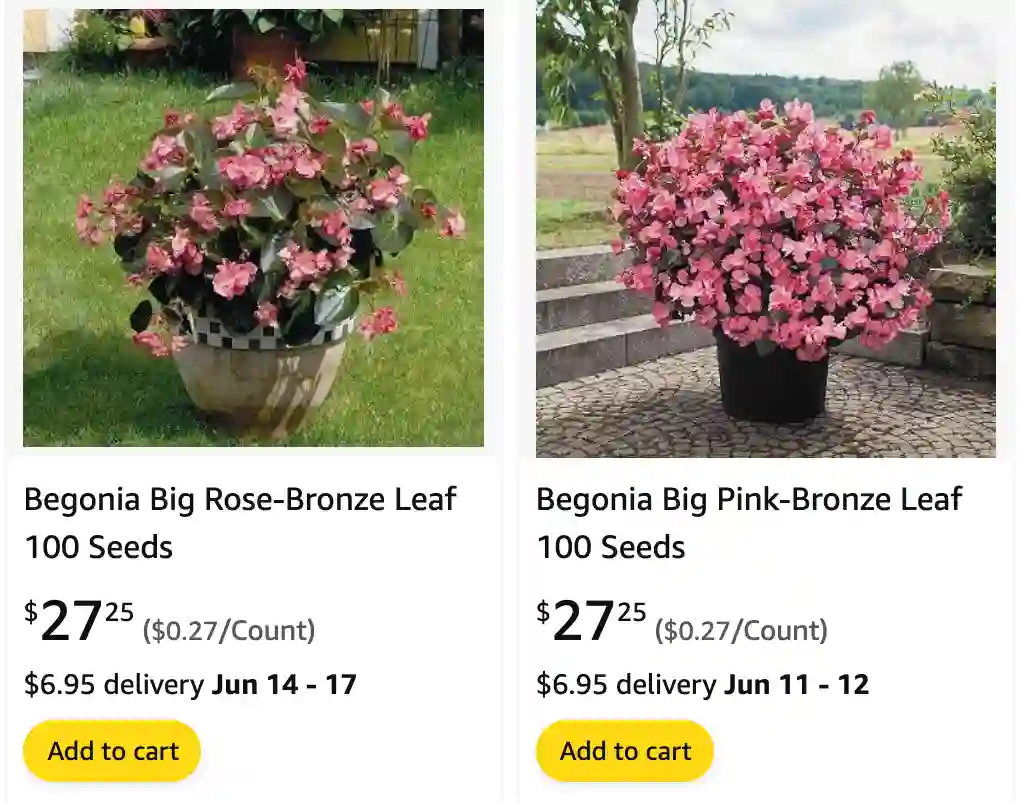
Bronze Leaf Begonias, a striking cultivar group primarily falling under the Begonia semperflorens (Wax Begonia) category, are celebrated for their rich, dark, coppery-bronze foliage that provides a dramatic contrast to their delicate blooms. Unlike their green-leafed counterparts, these varieties possess unique qualities, including a remarkable tolerance for full sun, which intensifies their leaf coloration. Easy to care for and offering continuous color, Bronze Leaf Begonias are a versatile choice for adding depth and texture to garden beds, borders, and containers.
Unveiling the Bronze Leaf Begonia: Characteristics and Appeal
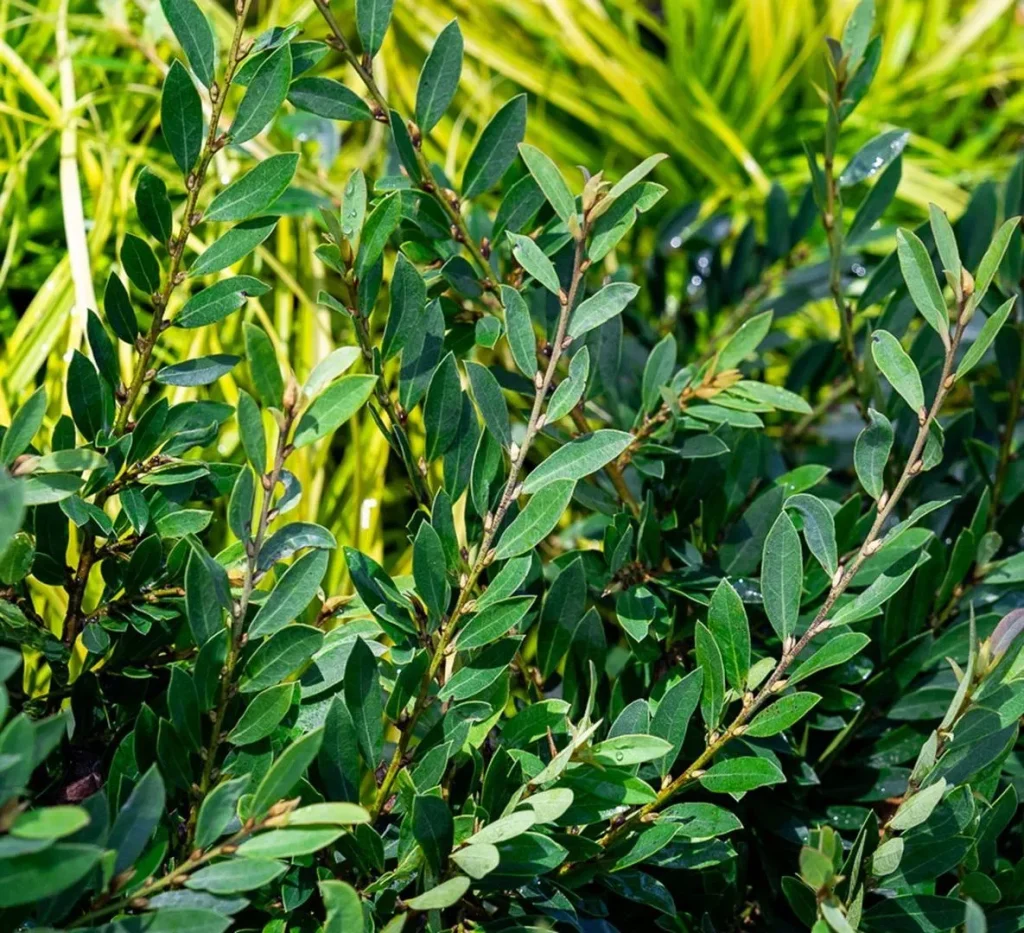
Bronze Leaf Begonias are not a distinct species but rather a specific selection within the fibrous-rooted Begonia semperflorens group. Their defining characteristic is the dark, metallic sheen of their leaves, which can range from deep coppery-bronze to almost black, depending on the cultivar and light exposure. This unique foliage color makes them stand out from traditional green-leafed begonias.
Key Characteristics:
- Distinctive Foliage: The primary appeal lies in their glossy, heart-shaped, bronze-to-purplish-bronze leaves. This dark backdrop makes the bright flowers pop vividly.
- Flowers: They produce numerous small to medium-sized, single or double flowers in shades of white, pink, red, or bicolor combinations. While the flowers are charming, the foliage often steals the show.
- Growth Habit: Typically compact and bushy, forming tidy mounds. They generally grow 6−18 inches (15−45 cm) tall and 6−12 inches (15−30 cm) wide.
- Fibrous Roots: Unlike tuberous begonias, Bronze Leaf Begonias have a fibrous root system, meaning they do not form tubers for dormancy. They are commonly grown as annuals in cooler climates but can be overwintered indoors.
- Prolific Bloomers: They offer a continuous display of color from early summer until the first frost, and often year-round indoors in optimal conditions.
- Sun Tolerance: A key differentiator is their ability to thrive in full sun, which enhances the bronze pigmentation of their leaves.
Comprehensive Care Guide for Bronze Leaf Begonias
Caring for Bronze Leaf Begonias is relatively straightforward, making them an excellent choice for both novice and experienced gardeners.
1. Light Requirements
- Full Sun to Part Shade: This is where Bronze Leaf Begonias truly shine compared to many other begonias. While green-leafed wax begonias prefer partial shade, the bronze-leaved varieties can tolerate, and often thrive in, full sun (6+ hours of direct sun per day). Full sun exposure is crucial for developing and maintaining the most vibrant bronze coloration in their foliage.
- Benefits of Sun: The sun helps intensify the production of anthocyanins, the pigments responsible for the bronze hues.
- Afternoon Shade in Hot Climates: In regions with extremely intense summer sun and high temperatures, providing some afternoon shade can prevent leaf scorch and stress, especially for potted plants that heat up more quickly.
- Indoor Placement: When grown indoors, provide bright, indirect light near an east or west-facing window. A south-facing window might be too intense without sheer curtains.
2. Watering
- Consistently Moist, Not Waterlogged: Bronze Leaf Begonias prefer consistently moist soil. However, like all begonias, they are highly susceptible to root rot if the soil remains soggy.
- Check Soil Moisture: Water when the top 1 inch (2.5 cm) of soil feels dry to the touch. This can range from daily in hot, sunny conditions to every few days in cooler, shadier spots.
- Thorough Soaking and Drainage: Water deeply until water drains from the bottom of the pot. Always ensure containers have adequate drainage holes and empty excess water from saucers promptly. For in-ground plants, ensure the soil drains well and avoid planting in naturally boggy areas.
- Avoid Wet Foliage: Water at the base of the plant to keep foliage dry. Wet leaves can promote fungal diseases like powdery mildew, especially in humid conditions with poor air circulation.
- Drought Tolerance: While they prefer consistent moisture, their thick, waxy leaves offer some drought tolerance, helping them minimize water loss during brief dry spells.
3. Soil and Potting
- Well-Draining, Rich Soil: These begonias thrive in a fertile, well-draining soil mix that is rich in organic matter.
- Potting Mix: For containers, a good quality all-purpose potting mix works well. You can amend heavy soils with perlite, vermiculite, or compost to improve aeration and drainage.
- pH: They are adaptable but prefer a slightly acidic to neutral pH, typically between 6.0 and 6.5.
- Pot Size: When potting, choose a container that allows about 2 inches (5 cm) of space around the plant’s roots. An overly large pot can hold too much moisture, increasing the risk of root rot. Ensure the pot has proper drainage holes.
4. Temperature & Humidity
- Warmth Lovers: Bronze Leaf Begonias are warm-climate plants, thriving in temperatures generally above 50∘F (10∘C). They are not frost-hardy and will die back with the first frost.
- Ideal Range: Optimal temperatures are typically between 65∘F and 75∘F (18∘C to 24∘C).
- Humidity: While they are more forgiving than some other begonia types, moderate to average humidity levels are preferred. In very dry indoor environments, increasing humidity can be beneficial using methods like pebble trays or a room humidifier. Ensure good air circulation to prevent fungal issues in humid conditions.
5. Fertilization
- Regular Feeding for Continuous Blooms: During the active growing season (spring and summer), feed your Bronze Leaf Begonias regularly. A balanced, water-soluble liquid fertilizer (e.g., NPK 10-10-10 or 20-20-20) applied every 2−4 weeks at half strength is generally sufficient.
- Boost Flowering: If flowering diminishes, consider switching to a phosphorus-rich fertilizer (e.g., NPK 10-30-10) to encourage more blooms.
- Reduce in Dormancy: Cease or significantly reduce fertilization in fall and winter as the plant’s growth naturally slows or it enters dormancy (if left outdoors in cold climates). Over-fertilizing can lead to salt buildup and leggy growth.
6. Pruning and Maintenance
- Low Maintenance: One of the appealing aspects of Bronze Leaf Begonias is their low maintenance. Many varieties are “self-cleaning,” meaning spent blooms drop off naturally, eliminating the need for deadheading.
- Pinching for Bushiness: For a fuller, bushier plant, you can pinch back the tips of young plants to encourage branching.
- Remove Damaged Foliage: Promptly remove any yellowing, damaged, or diseased leaves to maintain plant health and appearance.
- Air Circulation: Ensure adequate spacing between plants, especially in mass plantings, to promote good air circulation and reduce the risk of fungal diseases.
Propagation: Creating More Bronze Beauty
Bronze Leaf Begonias are fibrous-rooted and can be easily propagated from stem cuttings.
- Select Cuttings: Choose healthy, non-flowering stems that are about 4−6 inches (10−15 cm) long, ideally in spring or early summer when growth is vigorous.
- Prepare Cuttings: Make a clean cut just below a leaf node. Remove any leaves from the bottom 1−2 inches (2.5−5 cm) of the cutting.
- Rooting Medium: Insert the cut end into a moist, well-draining rooting medium such as perlite, vermiculite, or a light potting mix. Rooting hormone can be used to increase success rates, though it’s often not strictly necessary.
- Environment: Place the potted cuttings in a warm, humid environment with bright, indirect light. You can cover the pot with a clear plastic bag or dome to maintain high humidity, but ensure some air circulation to prevent mold.
- Rooting: Roots typically develop within a few weeks. Once established, the new plant can be transplanted and cared for like a mature Bronze Leaf Begonia.
Overwintering Bronze Leaf Begonias
In USDA Hardiness Zones where temperatures drop below 50∘F (10∘C) and frost is a concern, Bronze Leaf Begonias are typically grown as annuals. However, you can overwinter them indoors:
- Bring Indoors Before Frost: Before the first frost or when nighttime temperatures consistently fall below 50∘F (10∘C), bring potted plants indoors.
- Indoor Care: Place them in a location with bright, indirect light. Reduce watering frequency, allowing the top inch or two of soil to dry out between waterings. Growth will slow significantly, and the plant may become less floriferous, but it can be maintained until spring.
- Propagation for Future: As they are fibrous-rooted, the “parent” plant may decline after overwintering. Taking stem cuttings in late summer or early fall is an excellent way to ensure you have new plants for the following season.
Common Pests and Diseases
Bronze Leaf Begonias are generally robust, but like all plants, they can encounter a few common issues:
- Pests:
- Aphids, Mealybugs, Spider Mites, Whiteflies: These common sap-sucking pests can infest foliage. Inspect plants regularly, especially the undersides of leaves. Treat with insecticidal soap or neem oil, or manually remove infestations. Begonias are noted to be quite resistant to pests due to oxalic acid in their leaves, but infestations can still occur.
- Slugs: Can be an issue for outdoor plants, especially in moist conditions. Use slug bait or physical barriers.
- Diseases:
- Root Rot / Stem Rot: The most common issue, caused by overwatering and poorly draining soil. Symptoms include wilting, yellowing leaves, and a mushy base. Ensure excellent drainage and avoid overwatering.
- Powdery Mildew: White, powdery spots on leaves, especially in humid conditions with poor air circulation. Ensure good spacing and airflow. Fungicides can be used in severe cases.
- Botrytis Blight (Gray Mold): Fuzzy gray or brown patches, often on decaying plant matter or in damp, cool conditions. Remove affected parts and improve air circulation.
- Bacterial Leaf Spot: Appears as dark, greasy spots or V-shaped lesions. Practice good hygiene (sterilize tools) and avoid overhead watering.
- Foliar Nematodes: Can cause sunken gray-green blotches that turn reddish-brown. Extremely susceptible varieties may collapse.
Prevention is Key: Good cultural practices, including proper watering, adequate air circulation, and vigilant inspection, are the best defense against most pests and diseases.
Design Ideas and Companion Plants
The unique bronze foliage of these begonias makes them excellent for creating visual interest and contrast in various garden designs.
- Containers and Hanging Baskets: Their compact, mounding habit and tolerance for sun make them ideal for solo container plantings or as a “filler” element in mixed arrangements. Use them in hanging baskets where their dark foliage can complement brighter blooms.
- Mass Plantings and Borders: In garden beds, mass plantings of Bronze Leaf Begonias create a striking carpet of dark foliage, especially effective as edging or in the foreground of taller plants.
- Contrasting Colors: Pair them with plants that offer contrasting colors or textures to highlight their bronze leaves.
- Bright Annuals: Million Bells (Calibrachoa), Cosmos, Marigolds, Petunias, Impatiens (for shaded areas) provide a vibrant pop against the dark foliage.
- Foliage Plants: Coleus (especially lime green or variegated varieties), Caladiums (with their striking patterns), Sweet Potato Vine (Ipomoea batatas), and ornamental grasses create textural and color contrasts.
- Evergreen Shrubs: For year-round structure, pair them with dwarf evergreens like Boxwood.
- Garden Styles: They fit well into:
- City and Courtyard Gardens: Adding sophistication and structure.
- Traditional or Informal Gardens: Providing reliable color and unique foliage.
- Tropical-themed Gardens: Their lush look complements exotic plants like Elephant Ears.
Bronze Leaf Begonias vs. Other Popular Begonia Types
Understanding the distinctions helps in selecting the right begonia for your specific needs.
- Bronze Leaf Begonias ( Begonia semperflorens ):
- Foliage: Signature deep bronze to reddish-brown leaves.
- Flowers: Smaller, numerous, single/double, in white, pink, red.
- Growth Habit: Compact, bushy, mounding.
- Root System: Fibrous.
- Light: Unique tolerance for full sun (enhances bronze color), also thrives in part shade.
- Primary Use: Bedding plants, mass plantings, containers, where foliage color and continuous bloom are desired.
- Green Leaf Wax Begonias ( Begonia semperflorens ):
- Foliage: Bright green.
- Flowers: Similar to Bronze Leaf, but contrast is less dramatic.
- Growth Habit: Compact, bushy, mounding.
- Root System: Fibrous.
- Light: Prefers partial shade.
- Primary Use: Bedding plants, containers, providing reliable color in shadier spots.
- Rieger Begonias ( Begonia x hiemalis ):
- Foliage: Green or bronze, but flowers are the main feature.
- Flowers: Showy, large, rose-like, often double, in a wide array of colors.
- Growth Habit: Compact, bushy.
- Root System: Semi-tuberous, often treated as seasonal.
- Light: Bright, indirect light; very sensitive to direct sun.
- Primary Use: Indoor flowering plants, gift plants, outdoor accents in cool-summer regions.
- Begonia boliviensis (Trailing/Tuberous):
- Foliage: Green, arrow-shaped.
- Flowers: Elongated, bell-shaped, fuchsia-like, in oranges, reds, whites.
- Growth Habit: Trailing/cascading.
- Root System: Tuberous, can be overwintered.
- Light: Bright, indirect; tolerates some morning sun.
- Primary Use: Hanging baskets, elevated containers for cascading effect.
- Tuberous Begonias (various hybrids):
- Foliage: Typically green.
- Flowers: Very large, dramatic, often double, camellia-like, in diverse colors.
- Growth Habit: Upright or cascading.
- Root System: Tuberous.
- Light: Partial shade to morning sun; sensitive to heat.
- Primary Use: Dramatic focal points in shaded containers, hanging baskets.
- Rex Begonias ( Begonia rex-cultorum ):
- Foliage: Grown primarily for their stunning, often metallic, variegated, and intricately patterned foliage in a vast array of colors.
- Flowers: Small, often inconspicuous.
- Growth Habit: Rhizomatous, compact to spreading.
- Root System: Rhizomatous (creeping underground stems).
- Light: Bright, indirect light.
- Primary Use: Houseplants for decorative foliage, terrariums, shaded garden beds.
Toxicity of Bronze Leaf Begonias
Like other Begonia varieties, Bronze Leaf Begonias contain insoluble calcium oxalates, making them toxic to pets (dogs and cats) if ingested. The highest concentration of these compounds is in the roots. Ingestion can lead to:
- Oral irritation, burning, and swelling.
- Excessive drooling, vomiting, and difficulty swallowing.
While usually not life-threatening due to the immediate discomfort, it’s crucial to keep these plants out of reach of curious pets and children. In rare, large ingestions, more severe symptoms can occur. For humans, the toxicity is generally very low, but ingestion is not recommended. Always contact a veterinarian if you suspect pet ingestion.
Conclusion
Bronze Leaf Begonias are exceptional plants that bring a unique blend of vibrant foliage and cheerful blooms to any garden or indoor space. Their distinctive bronze leaves, coupled with their surprising sun tolerance and low maintenance requirements, make them a fantastic choice for adding long-lasting color and textural interest. By providing consistent moisture, well-draining soil, and appropriate light, these fibrous-rooted beauties will reward you with a continuous display that enhances mixed containers, garden beds, and borders alike. Embrace the dramatic elegance of Bronze Leaf Begonias and elevate your gardening aesthetic.

If i die, water my plants!