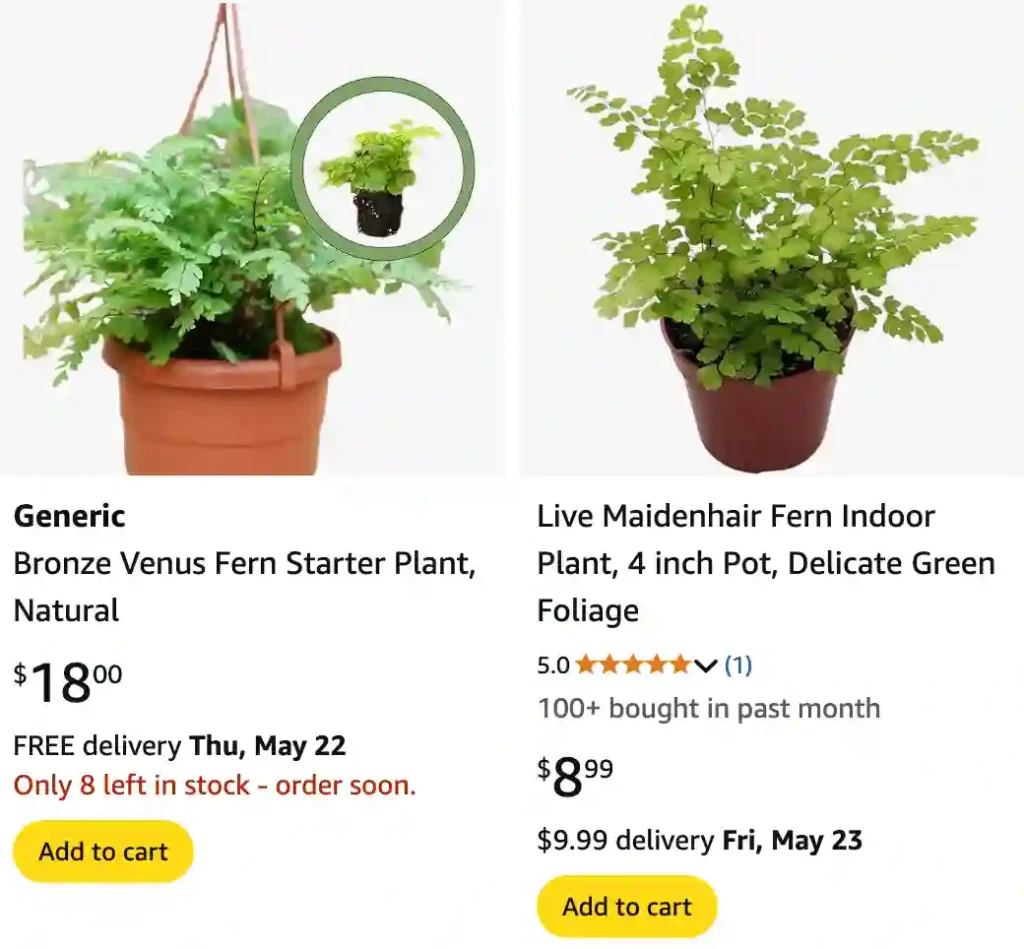
I’ve grown many ferns, but Adiantum Hispidulum ‘Bronze Venus’—or simply Bronze Venus Fern—stands out with a rare elegance. It’s a Maidenhair Fern, but tougher. It’s delicate-looking but doesn’t whine like some of its relatives. Below, I’ll answer the most common questions I’ve received and pondered myself. I’ve compared it with other plants too, especially those people often mistake it for.
What Makes the Bronze Venus Fern Special?
The Bronze Venus Fern is not your average Adiantum. What sets it apart is the color—bronze to copper-pink new fronds that age into lush green. I’ve grown it for its soft textures and warm tones. It gives my shade garden a natural glow. And unlike other Maidenhairs, this one is resilient. That’s rare.
It’s rhizomatous, semi-evergreen, and hardy from USDA zones 7 to 11. It thrives in dappled light and moist, well-draining soil. I’ve had luck with it both indoors and out—just keep the humidity steady.
How Is It Different from the Regular Maidenhair Fern?
If you’ve ever owned a Maidenhair Fern (Adiantum raddianum), you know they’re touchy. They wilt if the air shifts, if you sneeze, or if the moon looks at them wrong. Bronze Venus is different.
It’s more tolerant of dry air and inconsistent watering. Its stems are darker and a bit rough—“hispidulum” means “slightly hairy.” And of course, the coppery new growth steals the show. In my experience, this fern bridges the gap between elegance and hardiness.
Is Bronze Venus Fern Good Indoors?
Yes. I’ve grown Bronze Venus Fern in a bathroom with indirect light and it thrived. Bathrooms often have the humidity it loves. When indoors, I keep it away from direct sun, mist it regularly, and water when the topsoil begins to dry.
It makes an ideal desk companion—unfussy, tidy, and soothing. I’d say it’s better for indoor growth than many Asplenium or even Nephrolepis varieties like the Boston Fern, which can be messy.
Can I Grow It Outside?
Absolutely. I’ve had mine tucked in shady borders, under Camellias, and alongside Hostas. It complements broadleaf textures well. If you’re in zones 8 to 11, you’ll have no problems year-round. In zone 7, give it mulch and partial protection.
It handles dry spells better than other Maidenhairs. Just don’t plant it where afternoon sun bakes the soil—it’ll scorch the fronds.
How Fast Does It Grow?
It’s moderate—not a speedster, but not sluggish either. I’ve noticed new fronds emerging every 4–6 weeks during spring and summer. It spreads slowly by rhizomes and forms tight, attractive clumps. It doesn’t go wild like Osmunda regalis or invasive like some Pteris species.
What Plants Pair Well with Bronze Venus Fern?
From my experience, Bronze Venus pairs well with:
- Heuchera ‘Palace Purple’ – the dark foliage creates contrast.
- Hakonechloa macra ‘Aureola’ – fine-textured grasses soften the display.
- Astilbe – matches its love for shade and moisture.
- Begonia rex – indoor pairing with equally bold foliage.
Avoid pairing with large, aggressive rooters like Bamboo or thirsty hogs like Ligularia dentata. Keep its neighbors calm.
Is It Safe for Pets?
Yes. According to ASPCA guidelines, Adiantum species are non-toxic to dogs and cats. I’ve had cats brush up against mine without trouble. Still, no plant is chew-proof—better safe than sorry.
What Are Common Problems?
I’ve seen three issues, all solvable:
- Crispy Fronds – Usually low humidity. Mist it or place it on a pebble tray.
- Root Rot – Overwatering or poor drainage. Use a loose, well-aerated potting mix.
- Pale Growth – Low nutrients or too much light. Use a balanced, dilute fertilizer monthly during growing season.
It’s much more forgiving than Adiantum capillus-veneris or Pellaea rotundifolia, which sulk without perfect conditions.
How Does It Compare to Japanese Painted Fern?
People often compare it with Japanese Painted Fern (Athyrium niponicum), and while both are shade lovers, they serve different aesthetics.
- Bronze Venus Fern brings warm, sunset-like tones with bronze and pink.
- Japanese Painted Fern brings cool, silvery purple hues.
Texturally, Bronze Venus is softer, finer. Japanese Painted Fern is more structural. I use Bronze Venus where I want a lush, romantic feel and Japanese Painted for bold, modern contrast.
Can I Propagate It?
Yes, I’ve done it. The easiest method is division. In early spring, I split the rhizomes with clean shears. Each division should have 2–3 fronds and roots. Keep them moist and shaded until established.
I don’t recommend spore propagation unless you enjoy long projects—it takes months.
Final Thoughts: Why I Keep Growing Bronze Venus Fern
I’ve stuck with Bronze Venus Fern because it’s one of the few ferns that blends beauty with resilience. It doesn’t pout when the humidity dips. It doesn’t need babying like other Adiantum. And it looks good all year if you treat it well.
It’s a plant that has earned its place in my collection. Whether you’re starting your fern journey or want to add something special to a seasoned shade garden, I’d say start here.

If i die, water my plants!