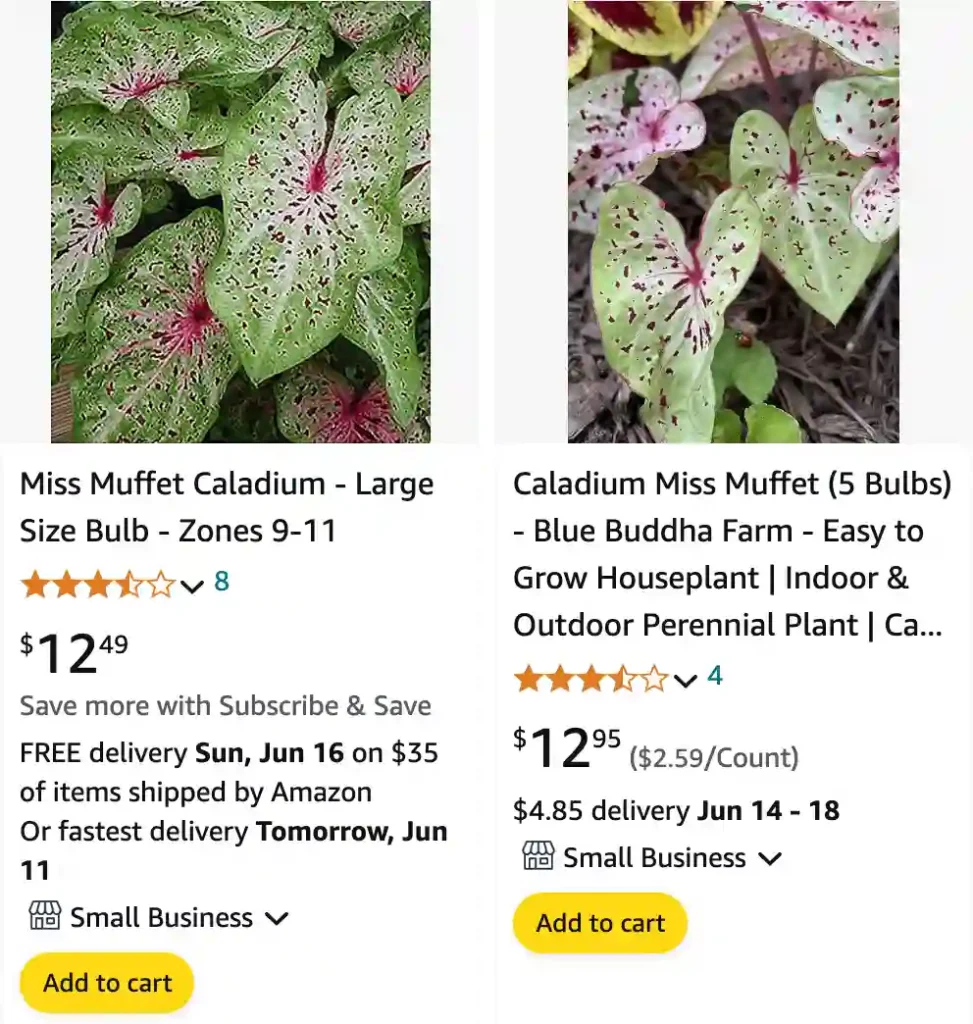
The world of ornamental plants is brimming with vibrant characters, but few capture the imagination quite like the Caladium. Among its many dazzling cultivars, the ‘Miss Muffet’ stands out as a true gem, a compact powerhouse of color and charm. With its distinctive lime-green leaves speckled with striking burgundy-pink dots and prominent veins, ‘Miss Muffet’ brings an unparalleled tropical elegance to any space, whether nestled in a shady garden bed or gracing a sun-dappled windowsill indoors.
This comprehensive guide will delve deep into the art and science of cultivating Caladium ‘Miss Muffet’, providing you with all the essential knowledge to ensure its thriving health and breathtaking display. Beyond the technicalities, we’ll embark on a unique journey – a “time lapse” narrative from a gardener’s perspective, chronicling the life cycle of ‘Miss Muffet’ through a full year. This first-person account will offer practical insights and emotional connections to the plant’s remarkable transformation, from a dormant tuber to a lush, leafy spectacle, and back again.
Prepare to unlock the secrets of nurturing this captivating plant, optimizing its growth, and enjoying its spectacular beauty season after season.
The Enchanting ‘Miss Muffet’: A Botanical Portrait
Caladium ‘Miss Muffet’ is a beloved dwarf variety of the Caladium bicolor species, renowned for its compact growth habit and extraordinarily decorative foliage. Unlike many plants grown for their flowers, the Caladium’s allure lies entirely in its leaves, which are often described as “angel wings” or “heart of Jesus” due to their characteristic heart or arrowhead shape.
‘Miss Muffet’ typically reaches a modest height of 8 to 12 inches (20-30 cm) and spreads about 10-12 inches (25-30 cm), making it an ideal choice for containers, hanging baskets, borders, or as a vibrant indoor houseplant. Its leaves are a pale, almost chartreuse, lime-green, generously splashed with irregular, deep burgundy or dark pink spots. The central veins often echo this darker hue, bleeding into the lighter green background, creating a mesmerizing contrast. The texture of the leaves is delicate and papery, adding to their ethereal charm.
Originating from the tropical rainforests of South America, particularly the Amazon basin, Caladiums are naturally adapted to warm, humid environments with dappled light beneath a dense canopy. This heritage dictates their specific care requirements, especially their need for warmth, moisture, and protection from harsh, direct sunlight. ‘Miss Muffet’ embodies this tropical spirit, bringing a splash of exotic vibrancy wherever it grows.
A Gardener’s Time Lapse: My Year with ‘Miss Muffet’
Part 1: The Awakening – Months 1-3 (Late Winter to Early Spring)
“It all begins in late winter, typically around February or March for me here in a temperate zone. The garden outside is still slumbering under a chilly breath, but my indoor gardening space is alive with anticipation. This is when I bring out my Caladium ‘Miss Muffet’ tubers. They look like unassuming, knobby brown lumps, but I know the vibrant promise they hold.
My first step is always pre-sprouting, a little trick to get a head start on the season. I select healthy, firm tubers – the ones that feel solid and show no signs of rot. I gently brush off any lingering soil and inspect them for “eyes” or growth points. Sometimes they’re obvious, little bumps or rings; other times, I just plant them knobby-side up, knowing the plant will figure it out.
I prepare small pots, about 4-6 inches in diameter, with a rich, well-draining potting mix. My go-to blend is usually a mix of peat moss, perlite, and a bit of compost. This ensures good aeration and moisture retention without becoming waterlogged, which is crucial for Caladiums. I plant each tuber about 2-3 inches deep, covering it lightly with the potting mix.
Then comes the waiting game, but it’s an excited wait. I place the pots on a heated propagation mat, aiming for a consistent soil temperature of 70-75°F (21-24°C). This bottom heat is key to waking up those dormant tubers. I keep the soil consistently moist, but never soggy, watering just enough to feel damp to the touch. I also ensure they get bright, indirect light – a north or east-facing window works perfectly, or under grow lights if natural light is scarce.
After about 3-4 weeks, sometimes a little longer, the magic starts. Tiny, pale green shoots begin to emerge from the soil. It’s a slow unfurling at first, but each new sprout is a victory. By the end of Month 3, I usually have several small, delicate leaves, still a bit muted in color, but clearly displaying the ‘Miss Muffet’ pattern. They are tender and fragile, a testament to the new life bursting forth.”
Cultivating Vibrancy: Essential Care for Caladium ‘Miss Muffet’
Achieving the full, vibrant potential of your Caladium ‘Miss Muffet’ requires understanding and mimicking its native tropical environment. Here’s a detailed breakdown of its care requirements:
Light Requirements
Caladium ‘Miss Muffet’ thrives in bright, indirect light or dappled shade. Its delicate leaves are susceptible to scorching from direct, intense sunlight, especially during the hottest parts of the day.
- Indoors: Place your ‘Miss Muffet’ near a north or east-facing window where it receives ample bright, filtered light. A sheer curtain can help diffuse strong afternoon sun from a south or west-facing window. Insufficient light can lead to leggy growth and duller leaf coloration, while too much direct sun will cause bleached spots or crispy, brown edges.
- Outdoors: If planting in the garden or on a patio, choose a location that offers partial to full shade. Under the canopy of larger trees, on a shaded porch, or in a spot that receives only morning sun are ideal. In cooler climates, some newer Caladium cultivars can tolerate more sun, but ‘Miss Muffet’ generally prefers protection.
Watering Wisdom
Consistent moisture is paramount for Caladiums during their active growing season. They are thirsty plants but absolutely abhor soggy conditions, which can quickly lead to tuber rot.
- Frequency: Water thoroughly when the top 1-2 inches (2.5-5 cm) of soil feel dry to the touch. This might mean watering every 2-3 days in hot, dry weather or for plants in containers, and less frequently for those in the ground or during cooler periods.
- Method: Water until excess water drains from the bottom of the pot. Ensure your pots have drainage holes. For outdoor plants, a layer of mulch can help conserve soil moisture.
- Signs of Trouble:
- Underwatering: Leaves will droop, turn yellow, and eventually crisp up.
- Overwatering: Leaves may also yellow, become mushy, and the plant will show signs of wilting despite wet soil, indicating root/tuber rot. Always check soil moisture before watering.
- Dormancy: As the plant prepares for dormancy in late summer/early fall, gradually reduce watering. Stop watering entirely once the foliage begins to die back.
Soil and Potting Mix
The right soil mix is crucial for healthy tuber development and robust foliage.
- Composition: Caladiums prefer a rich, well-draining, and slightly acidic to neutral potting mix (pH 5.5-7.0). A good mix often includes:
- Peat moss (for moisture retention and acidity)
- Perlite or coarse sand (for drainage and aeration)
- Compost or other organic matter (for nutrients and soil structure)
- Avoid: Heavy, clay-rich soils that retain too much moisture, as these are a primary cause of tuber rot.
- Planting Tubers: Plant tubers 2-3 inches (5-7.5 cm) deep with the “eye” (the knobby side where sprouts emerge) facing upwards. If unsure, planting sideways is also acceptable, as the plant will orient itself.
Temperature and Humidity
As tropical natives, Caladiums are highly sensitive to cold and thrive in warm, humid conditions.
- Temperature:
- Growing Season: Maintain daytime temperatures between 70-85°F (21-29°C) and nighttime temperatures no lower than 60°F (15°C). Optimal growth occurs around 75°F (24°C).
- Dormancy Threshold: Temperatures below 60°F (15°C) can trigger dormancy, and prolonged exposure to temperatures below 50°F (10°C) can severely damage or kill the tubers.
- Frost: Caladiums are not frost-tolerant. Bring outdoor potted plants indoors before the first frost.
- Humidity: High humidity (50-70% or more) is ideal. In dry indoor environments, you can increase humidity by:
- Pebble Tray: Place the pot on a tray filled with pebbles and water, ensuring the pot’s bottom doesn’t sit directly in the water.
- Humidifier: Use a room humidifier.
- Grouping Plants: Grouping plants together creates a microclimate with higher humidity.
- Avoid Misting: While seemingly helpful, misting can encourage fungal diseases on the leaves, especially if air circulation is poor.
Feeding for Flourish
Regular fertilization during the growing season supports the lush foliage that Caladiums are known for.
- Type: Use a balanced, water-soluble liquid fertilizer with a slightly higher potassium content, or a slow-release granular fertilizer. A 2-2-3 or 1-1-1 N-P-K ratio is often recommended. Avoid high-nitrogen fertilizers, as too much nitrogen can lead to excessive greening and diminish the vibrant colors of variegated leaves like ‘Miss Muffet’.
- Frequency: Fertilize every 2-4 weeks during the active growing season (spring and summer).
- Application: Always water the plant thoroughly before fertilizing to prevent root burn. Reduce feeding gradually in late summer as the plant prepares for dormancy.
Pruning for Perfection
Caladiums require minimal pruning, primarily for aesthetic reasons and to encourage new growth.
- Dead or Yellowing Leaves: Snip off any yellowing, browning, or damaged leaves at the soil line using clean, sharp scissors or pruners. This directs the plant’s energy towards healthy, new foliage.
- Flower Buds: Caladiums produce inconspicuous, calla-lily-like flowers. Many growers choose to snip these off as they appear, as flowering can divert energy away from the development of the more desirable colorful leaves.
A Gardener’s Time Lapse: My Year with ‘Miss Muffet’
Part 2: The Summer Spectacle – Months 4-8 (Late Spring to Early Autumn)
“By late spring, my ‘Miss Muffet’ plants are truly coming into their own. The leaves are larger, more numerous, and the lime-green and burgundy-pink patterns are incredibly vibrant. This is when I start moving them outdoors, but carefully. I’ve learned the hard way that a sudden blast of direct sun can scorch their tender leaves. So, I acclimate them gradually, starting with an hour or two in a shaded spot, slowly increasing their exposure to the dappled light they’ll enjoy for the summer.
Outdoors, in my shaded patio containers, they truly thrive. The natural humidity of summer, combined with the warmth, makes them explode with growth. I find myself watering them almost daily during peak summer heat, especially those in smaller pots. The soil must remain consistently moist, but I’m always careful to ensure good drainage. If the leaves start to droop slightly in the afternoon heat, it’s usually a sign they’re thirsty, and a good drink perks them right back up.
I also begin my regular feeding routine during these months. Every two to three weeks, I give them a diluted liquid fertilizer. I’ve noticed that consistent feeding really enhances the leaf size and the intensity of their colors. It’s a joy to watch them grow, each new leaf unfurling like a delicate flag, revealing its unique pattern.
This is the season of maximum impact. ‘Miss Muffet’ becomes a focal point, its bright foliage contrasting beautifully with the deeper greens of other shade-loving plants. I occasionally snip off any yellowing leaves or those rare, unassuming flower spathes to ensure all the plant’s energy goes into producing more of those magnificent leaves. By mid-summer, they are at their absolute peak, a lush, compact mound of living art.”
Expanding Your Collection: Propagating Caladium ‘Miss Muffet’
Propagating Caladium ‘Miss Muffet’ is a straightforward process, primarily done through tuber division. This is best performed in late winter or early spring, just before the new growing season begins.
Tuber Division: A Step-by-Step Guide
- Preparation (Late Winter/Early Spring): Gather your dormant tubers. They should be firm and free of any soft spots or mold. You’ll need a sharp, sterilized knife or pruners.
- Identify “Eyes”: Look for small, knobby protrusions on the tuber, often called “eyes” or “growth points.” These are where new shoots will emerge. A single tuber can have multiple eyes.
- Divide the Tuber: Carefully cut the tuber into sections, ensuring that each section has at least one “eye.” For larger tubers, you might get several viable pieces.
- Allow to “Heal”: After cutting, allow the tuber sections to air dry for 1-2 days in a warm, dry, well-ventilated area. This allows the cut surfaces to form a callus, which helps prevent rot once planted.
- Planting: Plant the callused tuber sections in individual pots filled with your preferred well-draining potting mix, following the same planting depth and orientation as described for initial planting.
- Care: Provide warmth (bottom heat is highly beneficial), bright indirect light, and consistent moisture to encourage sprouting. New growth should emerge within a few weeks.
Battling the Blight: Common Pests and Diseases
While generally robust, Caladium ‘Miss Muffet’ can occasionally encounter pests or diseases. Early detection and intervention are key to keeping your plant healthy.
Common Pests
Caladiums are not typically plagued by many pests, but a few can cause issues:
- Spider Mites, Thrips, and Whiteflies: These tiny sap-sucking insects can cause stippling (tiny yellow or silver dots) on leaves, distortion, or a general decline in plant vigor.
- Solution: Isolate affected plants. For minor infestations, a strong spray of water can dislodge them. For more persistent issues, use insecticidal soap or neem oil, ensuring thorough coverage of all leaf surfaces, especially undersides. Repeat applications may be necessary.
- Caterpillars and Grasshoppers: Outdoors, these larger pests can chew holes in the leaves.
- Solution: Hand-pick them off the plant. For severe infestations, consider organic pest control methods or physical barriers.
- Slugs and Snails: These can also feast on outdoor Caladium leaves, leaving irregular holes and slime trails.
- Solution: Hand-pick them in the evening, use slug bait (organic options available), or create barriers like copper tape.
Common Diseases and Issues
- Tuber Rot: This is the most common and serious issue, almost always caused by overwatering or poorly draining soil. Symptoms include mushy tubers, wilting despite wet soil, and yellowing/browning leaves.
- Prevention: Ensure excellent drainage and allow the topsoil to dry slightly between waterings.
- Solution: If caught early, you might be able to save the tuber by digging it up, cutting away all rotted portions with a sterile knife, allowing it to callus, and replanting in fresh, well-draining soil. Often, however, the damage is too extensive.
- Fungal Leaf Spots: Can occur in overly humid conditions with poor air circulation, especially if leaves remain wet.
- Prevention: Ensure good air circulation, avoid misting, and water at the base of the plant rather than overhead.
- Solution: Remove affected leaves and improve environmental conditions. Fungicides are rarely necessary for home growers.
- Yellowing Leaves: A common symptom with multiple causes:
- Overwatering/Underwatering: As discussed, both extremes can lead to yellowing. Check soil moisture.
- Low Humidity: Dry air can cause leaf edges to crisp and yellow.
- Temperature Stress: Too cold temperatures will trigger dormancy and yellowing.
- Nutrient Deficiency: Pale or dull leaves might indicate a lack of essential nutrients like nitrogen, magnesium, or iron. Ensure a consistent fertilization schedule during the growing season.
- Natural Dormancy: As fall approaches, yellowing is a natural sign that the plant is preparing for its winter rest.
- Browning Leaves:
- Too Much Direct Sun: Sunburn causes brown, crispy patches.
- Low Humidity: Dry air can lead to brown, crispy edges.
- Underwatering: Prolonged dryness will cause leaves to brown and shrivel.
- Over-fertilization: Excess salts from fertilizer can burn root tips, leading to brown leaf tips/edges. Flush the soil with plain water if you suspect this.
A Gardener’s Time Lapse: My Year with ‘Miss Muffet’
Part 3: The Gentle Retreat – Months 9-12 (Late Autumn to Early Winter)
“As the days shorten and the temperatures begin to dip in late autumn, a subtle shift occurs in my ‘Miss Muffet’ plants. The vibrant lime-green starts to fade, replaced by a softer, more muted tone. The burgundy spots might deepen, but the overall vigor lessens. This is the plant’s gentle signal that it’s preparing for its winter slumber – dormancy.
I gradually reduce my watering frequency, allowing the soil to dry out more completely between waterings. The leaves start to yellow, then brown, and eventually, they shrivel and die back. It’s a natural process, not a sign of failure, and it’s essential to let it happen. The plant is sending all its energy and nutrients back into the tuber for storage.
Once all the foliage has completely died back, usually by late fall or early winter, I carefully dig up the tubers. For potted plants, I simply invert the pot and gently shake out the soil. For garden beds, I use a trowel to carefully lift them. I brush off as much soil as possible, being careful not to damage the tubers.
Then comes the curing process. I lay the tubers out in a warm, dry, well-ventilated spot for about a week to allow their skins to toughen up. This helps prevent rot during storage. Once cured, I store them in a cool, dry, dark place – often a paper bag or a mesh onion bag filled with dry peat moss, vermiculite, or sawdust, in my basement where temperatures hover around 55-60°F (12-15°C). This ensures they remain dormant and don’t dry out completely or rot from excess moisture.
And so, the cycle completes. The vibrant display of summer gives way to the quiet promise of the tuber, waiting patiently for the warmth of spring to awaken it once more. It’s a beautiful rhythm, and each year, I look forward to the re-emergence of my beloved ‘Miss Muffet’.”
Winter’s Slumber: Overwintering Caladium ‘Miss Muffet’ Tubers
Caladiums are tropical perennials, meaning they can live for many years. However, in most climates outside of USDA Hardiness Zones 9-11, they are grown as annuals or must be overwintered indoors due to their cold sensitivity. Overwintering tubers is crucial for enjoying your ‘Miss Muffet’ year after year.
The Dormancy Cycle
Caladiums naturally enter a dormant phase when temperatures drop and daylight hours shorten. This is a period of rest where the plant conserves energy in its tubers.
How to Overwinter Tubers
- Allow Foliage to Die Back: As autumn approaches and temperatures cool, the leaves will naturally begin to yellow and die. Resist the urge to cut them back prematurely; allow the plant to reabsorb nutrients from the dying leaves back into the tuber.
- Digging Up Tubers: Once all the foliage has withered and turned brown (usually after the first light frost, or when nighttime temperatures consistently drop below 50°F/10°C), carefully dig up the tubers.
- For potted plants, gently remove the entire root ball.
- For garden plants, use a garden fork or trowel to loosen the soil around the plant and carefully lift the tubers.
- Clean and Cure:
- Gently brush off excess soil from the tubers. Do not wash them, as this can introduce moisture and encourage rot.
- Lay the tubers in a single layer in a warm (70-75°F / 21-24°C), dry, well-ventilated area for about 5-7 days. This “curing” process allows the skin to dry and harden, preventing fungal infections and rot during storage.
- Storage:
- Once cured, store the tubers in a cool, dry, dark, and well-ventilated location. Ideal storage temperatures are between 50-60°F (10-15°C).
- Place them in a paper bag, mesh bag, or a cardboard box filled with a dry medium like peat moss, vermiculite, or sawdust. This medium helps absorb any residual moisture and provides insulation.
- Avoid storing them in airtight containers, as this can trap moisture and lead to rot.
- Check Periodically: During the winter, check your stored tubers occasionally for any signs of rot or shriveling. Discard any soft or moldy tubers to prevent spread.
- Replanting: In late winter or early spring, about 4-6 weeks before the last expected frost date, you can begin the pre-sprouting process (as described in the propagation section) to get a head start on the next growing season.
‘Miss Muffet’ in Context: Comparisons and Companions
Caladium ‘Miss Muffet’ is a standout, but it’s also part of a diverse family of stunning foliage plants. Understanding its unique qualities in comparison to other varieties, and how it pairs with other plants, can enhance your garden or indoor display.
‘Miss Muffet’ vs. Other Caladium Varieties
Caladiums are broadly categorized into “Fancy-Leaved” (heart-shaped, broader leaves) and “Strap-Leaved” (narrower, more elongated leaves). ‘Miss Muffet’ is a Fancy-Leaved dwarf variety.
- ‘Miss Muffet’ vs. ‘Hearts Desire’: ‘Hearts Desire’ is a taller, green cultivar with white veins and pink spotting. While both have pink speckles, ‘Hearts Desire’ is larger and has a more pronounced white veining, making ‘Miss Muffet’ the choice for compact spaces and a more distinct lime-green background.
- ‘Miss Muffet’ vs. ‘Sea Foam Pink’: ‘Sea Foam Pink’ features a yellow leaf background with pink blotches. It is generally taller and wider than ‘Miss Muffet’, with longer and wider leaves. ‘Sea Foam Pink’ can also tolerate more sun, offering a different aesthetic and light tolerance. ‘Miss Muffet’ offers a more delicate, freckled appearance on a brighter green.
- ‘Miss Muffet’ vs. ‘Rosebud’ / ‘Summer Rose’: ‘Rosebud’ (and its improved successor, ‘Summer Rose’) is known for its pink and green coloration, often with a prominent pink center and green edges. While both are pink-toned, ‘Miss Muffet’ offers a more speckled, lime-green base, whereas ‘Rosebud’ has a more solid pink central blush. ‘Summer Rose’ is also typically taller with larger leaves than ‘Miss Muffet’.
- General Comparison: ‘Miss Muffet’ is a dwarf variety, meaning it stays smaller and more compact than many other Caladiums like ‘Candidum’ (classic white), ‘Carolyn Whorton’ (large pink with green edges), or ‘Red Flash’ (deep red with green edges). Its smaller stature makes it exceptionally versatile for containers, tabletops, and front-of-border plantings where larger varieties might overwhelm the space.
Design Ideas and Companions
‘Miss Muffet’s’ vibrant colors and compact size make it incredibly versatile for various design applications:
- Containers and Hanging Baskets: Its dwarf habit makes it perfect for pots, where its foliage can be admired up close. Pair it with trailing plants like ivy or sweet potato vine for a cascading effect.
- Shade Borders: Plant ‘Miss Muffet’ at the front of shaded garden beds, where its bright colors can pop against darker green foliage plants like Hostas, Ferns, or Astilbes. Its compact size makes it an excellent border plant.
- Indoor Houseplant: Brighten up any indoor space with a potted ‘Miss Muffet’. Place it on a coffee table, bookshelf, or as a vibrant accent in a bright bathroom where it can benefit from higher humidity.
- Mass Plantings: For a dramatic effect, plant ‘Miss Muffet’ in masses in a shaded area. The collective impact of its speckled leaves creates a stunning carpet of color.
- Companion Plants:
- Ferns: The delicate texture of ferns provides a beautiful contrast to Caladiums.
- Hostas: Large-leaved Hostas offer a bold backdrop for ‘Miss Muffet’s’ intricate patterns.
- Impatiens or Begonias: For flowering companions in shade, these annuals can add another layer of color.
- Coleus: Other colorful foliage plants like Coleus can create a vibrant tapestry of textures and hues.
Important Considerations: Toxicity
It is crucial to be aware that Caladium plants, including ‘Miss Muffet’, are toxic to humans and pets if ingested. They contain insoluble calcium oxalate crystals, which can cause irritation and burning sensations.
- Symptoms of Ingestion: Oral irritation, pain and swelling of the mouth, tongue, and lips, excessive drooling, vomiting (in pets), and difficulty swallowing. Skin contact with the sap can also cause irritation.
- Safety Precautions:
- Keep Out of Reach: Place Caladiums where children and pets cannot easily access them.
- Wear Gloves: When handling tubers or pruning leaves, it’s advisable to wear gloves to avoid skin irritation from the sap.
- Seek Medical Attention: If ingestion occurs, contact a poison control center or veterinarian immediately. Do not induce vomiting unless advised by a professional.
Conclusion
Caladium ‘Miss Muffet’ is more than just a plant; it’s a living work of art that offers continuous visual delight throughout its growing season. From the quiet awakening of its dormant tuber to the flamboyant display of its summer foliage and its graceful retreat into winter slumber, nurturing ‘Miss Muffet’ is a rewarding journey.
By providing the right balance of light, water, soil, temperature, and humidity, you can unlock the full potential of this captivating plant. Its compact size and striking coloration make it an indispensable addition to any plant enthusiast’s collection, whether you’re looking to add a splash of tropical flair to your indoor space or create a vibrant, shaded oasis in your garden. Embrace the beauty of ‘Miss Muffet’, and let its unique charm transform your botanical world.

If i die, water my plants!