In the vibrant world of houseplants, few can rival the captivating allure of the Calathea Marion. With its striking foliage and mesmerizing daily movements, this plant has earned its place as a beloved centerpiece in countless indoor gardens. More than just a decorative accent, the Calathea Marion is a living testament to nature’s artistry, offering a dynamic display of growth and vitality that rewards attentive care with unparalleled beauty.
This comprehensive guide delves into every facet of nurturing a thriving Calathea Marion, from its botanical origins to advanced care techniques. We’ll explore its unique characteristics, demystify its care requirements, and provide practical solutions for common challenges. But beyond the technical details, we’ll also embark on a personal “time-lapse” journey, sharing a gardener’s two-year experience of cultivating this magnificent plant, observing its milestones, and truly understanding its rhythm. Whether you’re a seasoned plant enthusiast or just beginning your green adventure, prepare to be enchanted by the Calathea Marion.
Botanical Profile: Unveiling the Marion Prayer Plant
The Calathea Marion, scientifically known as Goeppertia roseopicta ‘Marion’ (and formerly classified as Calathea roseopicta ‘Marion’), is a distinguished member of the Marantaceae family, commonly referred to as the “prayer plant” family. This lineage is native to the humid, shaded understories of tropical rainforests in Central and South America, particularly thriving in the lush environments of Brazil. Its natural habitat provides crucial clues to its preferred indoor conditions: warmth, high humidity, and filtered light.
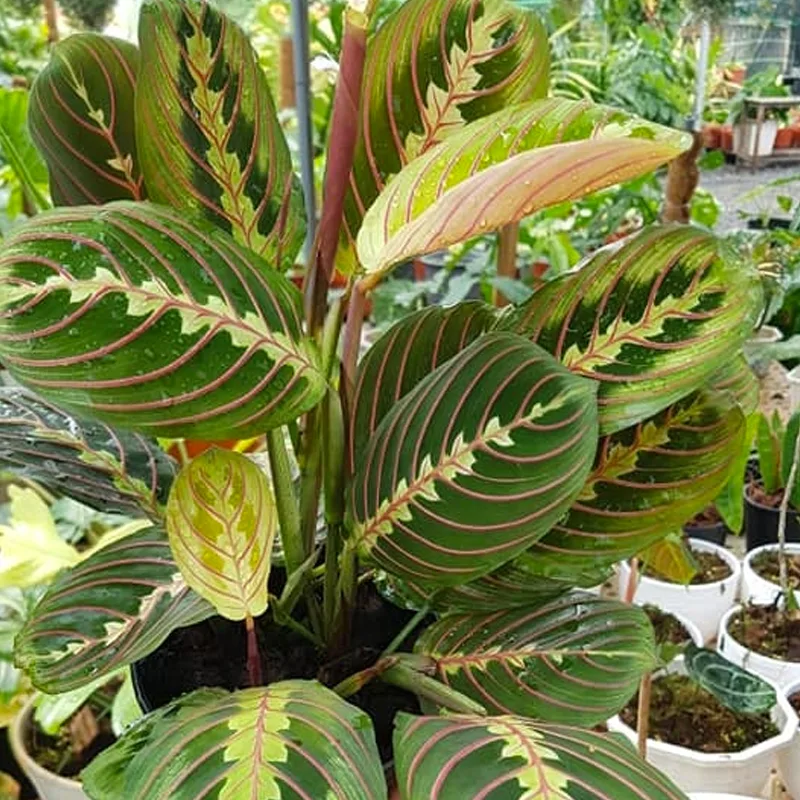
What truly sets the Calathea Marion apart is its breathtaking foliage. Each leaf is a masterpiece of natural design, featuring a deep, rich green base adorned with intricate, pale green, almost silvery brushstroke patterns that radiate from the central vein towards the edges. This exquisite top surface is dramatically contrasted by a deep, velvety burgundy underside, creating a stunning visual dichotomy that shifts with the plant’s daily movements. The sturdy, dark stems further enhance this elegant presentation.
A hallmark characteristic of the entire Marantaceae family, and prominently displayed by the Calathea Marion, is its fascinating phenomenon of nyctinasty. Often referred to as “prayer plant movement,” this circadian rhythm causes the leaves to fold upwards in the evening, as if in prayer or sleep, only to unfurl and spread wide again with the first light of dawn. This movement is an evolutionary adaptation, allowing the plant to maximize light absorption during the day and minimize water loss and protect itself from nocturnal predators or temperature fluctuations at night. Witnessing this daily dance is one of the most enchanting aspects of owning a Calathea.
Beyond its aesthetic appeal, the Calathea Marion also contributes to a healthier indoor environment. Like many tropical plants, it is known for its air-purifying qualities, helping to filter out common indoor toxins and improve air quality, making it not just a beautiful, but also a beneficial addition to your home. With a moderate growth rate, a mature Calathea Marion can reach an impressive height of up to 3 feet, developing a lush, full form that commands attention.
The Gardener’s Log: My Calathea Marion Time-Lapse Journey
My journey with the Calathea Marion began two years ago, a decision born out of a desire to add a touch of exotic elegance to my living space. I had heard tales of their beauty and their “prayer-like” movements, and I was eager to experience it firsthand. What followed was a rewarding, sometimes challenging, but ultimately deeply satisfying two-year time-lapse of growth, learning, and connection with this remarkable plant.
Month 1-3: The New Arrival & Acclimation
I remember the day I brought my Calathea Marion home. It was a relatively small plant, perhaps a foot tall, nestled in a modest 6-inch pot. Its leaves, even then, were a marvel – the deep green and those almost iridescent brushstrokes, with the promise of burgundy undersides. My first task was to find its perfect spot. Knowing its tropical origins, I chose a corner in my living room that received bright, indirect light from a north-facing window. Direct sun was out of the question, as I’d read it could scorch their delicate leaves.
The initial weeks were all about observation and acclimation. I learned quickly that consistency was key. I started a routine of checking the soil every couple of days, gently pressing my finger about an inch deep. If it felt slightly dry, I would water it thoroughly until water drained from the bottom, always ensuring no standing water remained in the saucer. I also began misting its leaves daily, a ritual that felt both nurturing and slightly hopeful, aiming to replicate the high humidity of its native rainforest.
The most captivating aspect, right from the start, was witnessing its nyctinasty. Every evening, as dusk settled, the leaves would slowly, gracefully fold upwards. By morning, they would unfurl again, reaching for the light. It was a subtle, almost imperceptible movement if you weren’t looking, but once you noticed it, it became a daily delight, a living clock in my home. There were a few initial challenges – a slight browning on a couple of leaf tips, which I quickly attributed to the dry air in my home. This prompted me to invest in a small humidifier, a decision that proved invaluable.
Month 4-6: Settling In & Steady Growth
As the plant settled into its new environment, I began to see more consistent new growth. Small, tightly rolled leaves would emerge from the center, slowly unfurling over days, revealing their full, vibrant patterns. Each new leaf felt like a small victory. My watering routine became more refined; I learned that the “finger test” was more reliable than a strict schedule, as environmental factors like temperature and humidity could alter its needs. I also switched from tap water to distilled water after reading about Calatheas’ sensitivity to chlorine and fluoride, and I noticed a significant reduction in leaf tip browning.
The humidifier became a permanent fixture near my Calathea, maintaining a consistent humidity level around 60%. This made a noticeable difference; the leaves looked healthier, glossier, and the browning tips became a rare occurrence. I also started a gentle fertilizing regimen, using a diluted liquid houseplant fertilizer every four to six weeks during these warmer months, which are its active growing season. This period was about building confidence, understanding its subtle cues, and truly feeling like I was providing the right environment for it to thrive.
Month 7-12: Flourishing & First Repotting
By the end of its first year, my Calathea Marion had transformed. It was significantly larger, with a dense canopy of lush, patterned leaves. It had grown from a modest foot to nearly two feet tall, and its presence in the room was undeniable. New leaves were emerging regularly, and the plant looked incredibly vibrant.
Around the nine-month mark, I noticed the plant was becoming root-bound – roots were starting to peek out of the drainage holes. This signaled it was time for its first repotting. I chose a pot only one size larger (about 2 inches wider in diameter) to avoid overpotting, which can lead to soggy soil and root rot. The repotting process was nerve-wracking; Calatheas are known to be sensitive to transplant shock. I carefully removed the plant, gently loosened some of the outer roots, and replanted it in a fresh, well-draining potting mix I had prepared (a mix of peat moss, perlite, and a bit of orchid bark). After repotting, I watered it thoroughly and placed it back in its usual spot, keeping a close eye on it. To my relief, it recovered beautifully within a week or two, showing no signs of distress, and soon resumed its vigorous growth.
Year 1-2: Maturation & Propagation Exploration
Entering its second year, my Calathea Marion truly matured. It reached its full potential height, becoming a magnificent specimen. While Calatheas are primarily grown for their foliage, some varieties can produce small, inconspicuous flowers. My ‘Marion’ did not flower during this period, which is common for indoor specimens, but its foliage alone was more than enough reward.
As the plant continued to grow, it started producing distinct offshoots at its base. This sparked my interest in propagation. I decided to try dividing a small clump during the spring, following the steps of carefully separating a section with its own roots and a few leaves. It was a delicate process, but I successfully created a smaller, new Calathea Marion, which I then gifted to a friend, extending the beauty of this plant.
This two-year journey taught me patience, observation, and the immense satisfaction of nurturing a living thing. From a small, new arrival to a magnificent, mature plant, my Calathea Marion has been a constant source of beauty and a daily reminder of the quiet wonders of nature, adapting and thriving with consistent care. It has truly been a time-lapse of growth, both for the plant and for me as a gardener.
Comprehensive Care Guide for Calathea Marion
Caring for a Calathea Marion can be a deeply rewarding experience, but it requires understanding and meeting its specific needs. Mimicking its native rainforest environment is key to its success indoors.
Light
Calathea Marion thrives in bright, indirect light. This means a location where it receives plenty of ambient light but is never exposed to direct sunlight, especially the harsh midday or afternoon sun. Direct sun will quickly scorch its delicate leaves, causing them to fade, turn crispy, and develop brown spots. An east-facing window, which provides gentle morning sun, or a north-facing window, offering consistent indirect light throughout the day, are ideal. If your only option is a south or west-facing window, ensure the plant is set back several feet or protected by a sheer curtain. While it can tolerate lower light conditions, its vibrant leaf patterns may become less pronounced, and growth may slow.
Watering
This is arguably the most critical aspect of Calathea care. Calathea Marion prefers its soil to be consistently moist but never soggy. Overwatering is a common killer, leading to root rot, while underwatering causes stress and leaf curling. The best practice is to water when the top 1-2 inches of soil feel dry to the touch. You can use your finger to test the moisture level.
Crucially, Calatheas are highly sensitive to the minerals and chemicals often found in tap water, particularly fluoride and chlorine. These can accumulate in the soil and cause brown leaf tips and edges. Therefore, it is highly recommended to use distilled water, rainwater, or filtered water that has been left out for at least 24 hours to allow chlorine to dissipate.
When watering, thoroughly drench the soil until water drains from the bottom of the pot. Discard any excess water from the saucer to prevent the plant from sitting in standing water. Bottom watering can also be beneficial: place the pot in a tray of water for 20-30 minutes, allowing the plant to soak up water from the drainage holes until the topsoil feels moist.
Humidity
High humidity is non-negotiable for a thriving Calathea Marion. In its natural habitat, humidity levels are consistently high, often between 70-80%. Indoors, aim for at least 50-80% humidity. Low humidity is the primary cause of crispy, brown leaf edges and overall plant stress.
Several methods can help increase humidity:
- Humidifier: This is the most effective way to provide consistent high humidity, especially in dry climates or during winter months when indoor heating dries the air.
- Pebble Tray: Place the pot on a tray filled with pebbles and water. Ensure the bottom of the pot does not sit directly in the water. As the water evaporates, it increases humidity around the plant.
- Grouping Plants: Plants release moisture into the air through transpiration, so grouping several plants together can create a localized microclimate with higher humidity.
- Misting: While popular, misting alone is often insufficient for long-term humidity needs as the effect is temporary. If you do mist, use distilled or filtered water to avoid mineral spots on leaves.
- Bathroom Placement: If your bathroom receives adequate indirect light, it can be an ideal spot due to the naturally higher humidity from showers.
Temperature
Calathea Marion prefers consistent, warm temperatures, ideally between 65-80°F (18-27°C). Avoid sudden temperature fluctuations, cold drafts from windows or doors, and proximity to heating or air conditioning vents. Temperatures below 60°F (15°C) can stress the plant, leading to stunted growth or leaf damage.
Soil
A well-draining, airy, and moisture-retentive potting mix is essential. The soil should hold enough moisture to keep the roots hydrated but drain quickly to prevent waterlogging and root rot. A good mix often includes:
- Peat moss or coco coir: For moisture retention.
- Perlite or pumice: For aeration and drainage.
- Orchid bark: To improve drainage and provide air pockets.
- Optional additions: A small amount of worm castings for nutrients, or horticultural charcoal for improved drainage and filtration.
A common DIY mix is 2 parts peat moss/coco coir, 1 part perlite, and 1 part orchid bark. Avoid heavy, dense potting soils that retain too much water.
Fertilizing
Feed your Calathea Marion sparingly during its active growing season (spring and summer). Use a balanced liquid houseplant fertilizer, diluted to half or quarter strength, every 4-6 weeks. Over-fertilizing can lead to nutrient burn and damage the roots. Reduce or cease fertilization during the fall and winter months when the plant’s growth slows down.
Potting & Repotting
Calathea Marion prefers to be slightly root-bound, but eventually, it will need repotting. Repotting is typically done every 1-2 years or when you notice roots emerging from the drainage holes, or if the plant’s growth seems stunted. The best time to repot is in spring or early summer, before the peak growing season.
When repotting, choose a pot that is only one size larger (e.g., if it’s in a 6-inch pot, move to an 8-inch pot). Ensure the new pot has adequate drainage holes. Calatheas can be sensitive to transplant shock, so handle the plant gently, disturbing the roots as little as possible. After repotting, water thoroughly and place it back in its usual bright, indirect light spot.
Pruning
Pruning for Calathea Marion is minimal and primarily for aesthetic and health reasons.
- Remove old or damaged leaves: As leaves age, they may yellow or brown. Use clean, sharp scissors or pruners to cut these leaves off at the base of the stem. This directs the plant’s energy to new, healthy growth.
- Dusting leaves: Regularly wipe down the broad leaves with a soft, damp cloth to remove dust. Dust can impede photosynthesis and make the plant look dull. Using distilled or filtered water for wiping also prevents water spots.
Propagation: Expanding Your Calathea Family
Propagating Calathea Marion is most successfully achieved through division, especially when the plant has matured and developed multiple distinct clumps or offshoots. Propagation by stem cuttings is generally not recommended for Calatheas due to their rhizomatous growth habit, making it very difficult to root successfully.
Method: Division
Division is best performed during spring or early summer when the plant is actively growing and during repotting.
Steps for Division:
- Prepare Your Tools: Ensure your knife or pruners are clean and sharp to make clean cuts and prevent the spread of disease. Disinfect them with rubbing alcohol.
- Remove the Plant: Carefully take the entire Calathea Marion out of its pot. Gently shake off excess soil to expose the root ball and rhizomes.
- Identify Divisions: Look for natural divisions or clumps that have their own root system and at least a few healthy leaves. These are the sections you will separate.
- Gently Separate: Use your hands to gently tease apart the root ball. If necessary, use your clean, sharp knife to carefully cut through any connecting rhizomes, ensuring each new division has a substantial root system and foliage. Avoid tearing the roots.
- Repot Divisions: Plant each separated clump into its own small pot filled with fresh, well-draining Calathea potting mix. Ensure the base of the plant is at the same level as it was in the original pot.
- Water and Care: Water the newly potted divisions thoroughly. Place them in a warm spot with bright, indirect light and maintain high humidity. It may take a few weeks for the new plants to establish and show new growth, as they might experience some initial transplant shock. Be patient and consistent with their care.
Common Problems & Troubleshooting
Calathea Marion, while stunning, can be a bit dramatic if its needs aren’t met. Understanding common issues and their solutions is crucial for keeping your plant healthy and happy.
Leaf Curling, Crisping, or Browning Edges
- Cause: This is the most common complaint and almost always points to low humidity, underwatering, or tap water sensitivity. Cold drafts can also contribute.
- Solution: Increase humidity immediately using a humidifier, pebble tray, or by grouping plants. Ensure you are watering with distilled, rainwater, or filtered water. Check soil moisture regularly and water when the top 1-2 inches are dry. Move the plant away from drafts.
Yellowing Leaves
- Cause: Often a sign of overwatering leading to root rot, or sometimes underwatering (though curling is more typical for underwatering). It can also be a sign of nutrient deficiency or simply natural aging of older leaves.
- Solution: Check the soil moisture. If it’s soggy, let it dry out more between waterings. If root rot is suspected, repot into fresh, well-draining soil after trimming any mushy, black roots. Ensure proper drainage. If the plant is consistently watered correctly, consider a diluted feed during the growing season. Remove old, yellowed leaves to direct energy to new growth.
Drooping Leaves
- Cause: Most commonly, underwatering. The plant is thirsty. It can also be a sign of severe overwatering (root rot) or transplant shock.
- Solution: Check soil moisture. If dry, water thoroughly. If soggy, address potential root rot. If recently repotted, give it time to recover, ensuring consistent care.
Fading Leaf Color
- Cause: Too much direct sunlight.
- Solution: Move the plant to a location with brighter, but strictly indirect light.
Pests
Calatheas can be susceptible to common houseplant pests, especially in dry conditions. Regular inspection of the leaves (especially undersides) is key.
- Spider Mites: Tiny pests that cause stippling (tiny dots) on leaves and fine webbing, especially on undersides. They thrive in dry air.
- Treatment: Increase humidity. Wipe leaves with a damp cloth. Apply neem oil spray or insecticidal soap. Repeat treatments are often necessary.
- Mealybugs: Small, white, cottony masses found in leaf axils and undersides.
- Treatment: Isolate the plant. Dab mealybugs directly with a cotton swab dipped in rubbing alcohol. Apply neem oil.
- Fungus Gnats: Small, black flies buzzing around the soil surface. Their larvae feed on roots in overly wet soil.
- Treatment: Allow the top layer of soil to dry out completely between waterings. Use sticky traps for adults. Consider beneficial nematodes or a hydrogen peroxide solution (1 part 3% H2O2 to 4 parts water) to drench the soil.
- Thrips, Aphids, Scale: Less common but can occur.
- Treatment: Isolate. Manual removal, strong jet of water (for aphids), neem oil, or insecticidal soap.
Diseases
- Root Rot: Caused by persistent overwatering and poor drainage. Symptoms include yellowing, drooping leaves, and a mushy stem base.
- Treatment: Unpot, trim affected roots, repot in fresh, well-draining soil. Improve watering habits.
- Fungal Spots: Can appear as brown or black spots on leaves, often due to high humidity combined with poor air circulation.
- Treatment: Improve air circulation (fan), avoid misting if humidity is already high, remove affected leaves.
Calathea Marion vs. Its Cousins: A Comparative Look
The Calathea family is vast and diverse, with many species and cultivars boasting stunning foliage. While the Calathea Marion stands out, it’s often compared to other popular “prayer plants” due to shared characteristics like nyctinasty and intricate leaf patterns. Understanding these distinctions can help appreciate Marion’s unique beauty.
- Calathea Orbifolia: This variety is renowned for its large, almost perfectly round leaves adorned with prominent, wide silver-green stripes against a darker green background. Its pattern is bolder and more symmetrical compared to Marion’s delicate brushstrokes. Orbifolia leaves are also typically larger and more circular.
- Calathea Lancifolia (Rattlesnake Plant): Distinctive for its long, narrow, wavy-edged leaves. The upper surface features alternating dark green and lighter green elongated spots, resembling a rattlesnake’s skin, while the undersides are a striking burgundy. Its leaf shape and pattern are quite different from Marion’s broader, more ovate leaves.
- Maranta Leuconeura (Red Prayer Plant): While also exhibiting nyctinasty and belonging to the same family, Maranta is technically a different genus. Its leaves are typically smaller, more oval, and feature prominent red veins radiating from the center, with a lighter green background and often purple undersides. Maranta also tends to have a more sprawling, vining growth habit compared to the more upright, clumping growth of Calatheas like Marion.
Key Differentiator for ‘Marion’: The Calathea Marion truly distinguishes itself with its unique “brushstroke” pattern – those delicate, almost painted pale green or silvery highlights that seem to flow across the deep green leaf surface. This, combined with the consistent and intensely deep burgundy undersides, creates a sophisticated and artistic contrast that is characteristic of the ‘Marion’ cultivar and sets it apart from its many beautiful relatives.
Toxicity: A Pet-Friendly Choice
One of the most reassuring aspects of owning a Calathea Marion is its non-toxic nature. According to the ASPCA (American Society for the Prevention of Cruelty to Animals), Calathea species are considered non-toxic to cats, dogs, and horses. This makes the Calathea Marion an excellent choice for households with curious pets or young children, offering peace of mind.
However, while not poisonous, it’s still advisable to discourage pets from ingesting large quantities of any houseplant. The fibrous nature of plant leaves can sometimes cause mild gastrointestinal upset, such as vomiting or diarrhea, if consumed in excessive amounts. To ensure the safety of both your pets and your plant, consider placing your Calathea Marion in a location that is generally out of reach, or use deterrents like citrus sprays (many pets dislike the smell).
Where to Find Your Calathea Marion
The Calathea Marion has become increasingly popular due to its striking appearance, making it relatively accessible. You can typically find them at:
- Local Plant Nurseries and Garden Centers: Many independent nurseries and larger garden centers stock Calatheas, including ‘Marion’. This allows you to inspect the plant in person for health and quality.
- Online Plant Retailers: Numerous online shops specialize in houseplants and offer a wide selection of Calatheas, often with nationwide shipping. Be sure to choose reputable sellers with good reviews.
- Specialty Houseplant Boutiques: These stores often have a curated selection of unique and sought-after plants, and are great places to find healthy, well-cared-for Calatheas.
Tips for Choosing a Healthy Plant:
- Inspect the Leaves: Look for vibrant, unblemished leaves with no signs of yellowing, browning, or crispy edges. Check both the top and undersides.
- Check for Pests: Carefully examine the plant for any signs of pests (small insects, webbing, sticky residue).
- Assess the Soil: The soil should be slightly moist but not waterlogged. Avoid plants sitting in soggy soil.
- Root Check (if possible): If you can gently lift the plant, look for healthy, firm roots, not mushy or circling ones.
Frequently Asked Questions (FAQs)
How often does Calathea Marion need to be watered?
Water your Calathea Marion when the top 1-2 inches of soil feel dry to the touch. This typically translates to once or twice a week, but it depends heavily on your environment’s temperature, humidity, and the season. Always use distilled, rainwater, or filtered water.
Why are my Calathea Marion leaves curling?
Leaf curling is a common sign of stress, most often due to underwatering or insufficient humidity. It can also be a response to cold drafts or too much direct sunlight. Check your watering schedule and increase humidity levels.
Is Calathea Marion hard to care for?
Calathea Marion is considered moderately challenging. It’s not a beginner plant, but with attention to its specific needs for high humidity, consistent moisture, and indirect light, it can thrive beautifully. The key is consistency and using the right type of water.
Can Calathea Marion tolerate low light?
While Calathea Marion prefers bright, indirect light, it can tolerate lower light conditions. However, in very low light, its vibrant leaf patterns may become less pronounced, and its growth rate will slow significantly. It will not thrive in truly dark corners.
Does Calathea Marion flower?
Calathea Marion, like many Calatheas, can produce small, inconspicuous flowers, but this is rare when grown indoors. They are primarily cultivated for their stunning foliage, which is their main ornamental feature.
How big does Calathea Marion get?
With optimal care, a mature Calathea Marion can reach a height of up to 3 feet (approximately 90 cm), forming a dense, bushy plant. Its width will be similar to its height.
Conclusion
The Calathea Marion is more than just a houseplant; it’s a living piece of art that brings the vibrant energy of the rainforest into your home. Its striking brushstroke patterns, deep burgundy undersides, and captivating daily “prayer” movements make it a truly unique and rewarding addition to any plant collection. While it demands a bit more attention than some other houseplants, the effort is undeniably worth it.
By understanding its specific needs for consistent moisture, high humidity, and bright, indirect light, you can cultivate a thriving specimen that will be a constant source of joy and natural beauty. As my own two-year journey has shown, nurturing a Calathea Marion is a continuous learning process, a time-lapse of growth that deepens your connection with the natural world. Embrace the challenge, enjoy the journey, and watch your Calathea Marion flourish into a magnificent display of botanical elegance.

If i die, water my plants!