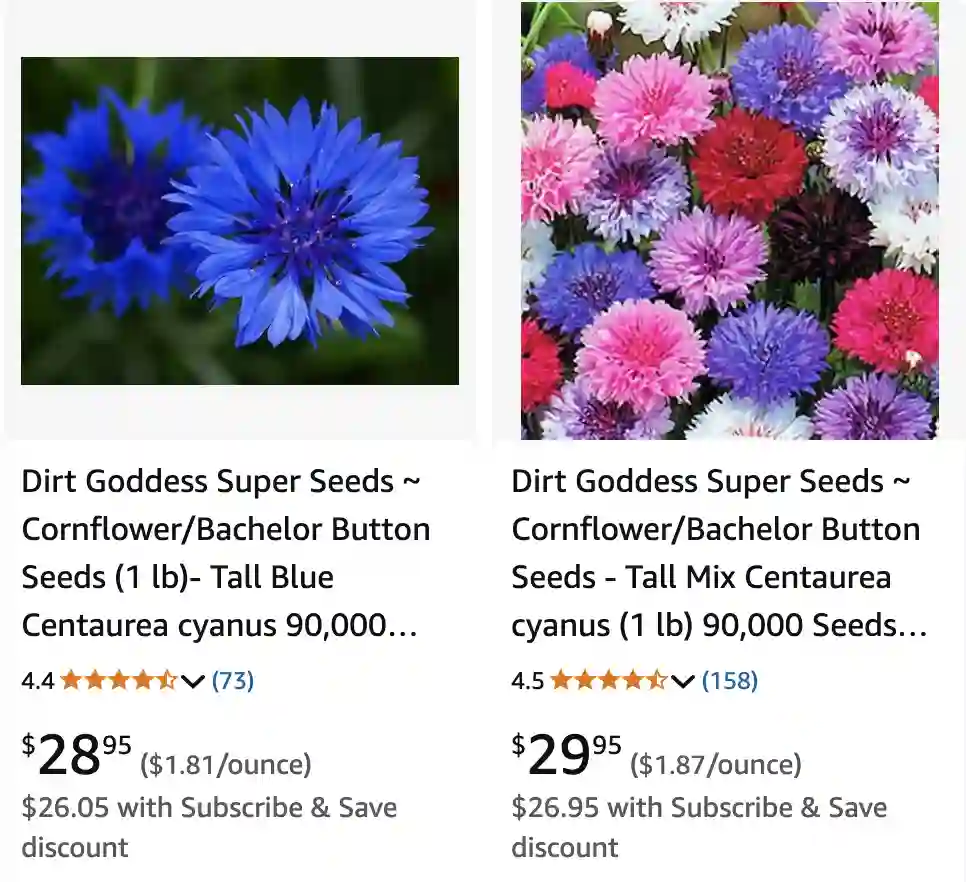
Let me tell you about one of my favorite annuals to grow—Centaurea Cyanus, commonly known as Bachelor’s Button or Cornflower. This plant, with its electric-blue petals and nostalgic charm, is more than just a pretty face. Over time, I’ve had many people ask me about it. So, I figured—why not write down the most frequently asked questions I get, with straight, clear answers?
What is Centaurea Cyanus?
Centaurea Cyanus is a hardy flowering plant that belongs to the Asteraceae family. Native to Europe, especially the Mediterranean region, it’s well known for growing in open fields, meadows, and wildflower mixes. In fact, if you’ve ever driven past a swath of blue blooms in a rural area, chances are you’ve seen it.
Its distinctive blue color, often described as “cornflower blue,” has even been a reference in art and fashion. But this plant isn’t just for show—it’s a pollinator magnet, attracting bees, butterflies, and other beneficial insects.
Is Centaurea Cyanus a Perennial?
This is the most common question I get. The answer is no, Centaurea Cyanus is not a perennial. It’s an annual, which means it completes its life cycle in one growing season. But don’t let that deter you—once it flowers and goes to seed, it can self-sow readily, which makes it appear perennial in gardens where conditions are right.
In my experience, a well-maintained patch will return the following year with minimal effort, especially if you leave some seed heads on the plant at the end of the season.
How to Grow Centaurea Cyanus?
If you’re wondering how to grow Centaurea Cyanus, you’ll be glad to know it’s one of the easiest flowers to cultivate—even for beginners.
- Start with Seeds:
Direct sow them into well-drained soil as soon as the danger of frost has passed. In cooler climates, I’ve even sown them in the fall for earlier spring blooms. - Sunlight is Key:
Centaurea Cyanus thrives in full sun. Give it at least six hours of direct sunlight a day. Shadier spots tend to result in fewer blooms and leggier growth. - Soil and Water Needs:
It isn’t fussy. Average garden soil works fine, and it prefers conditions on the drier side. Overwatering leads to weak stems and poor flowering. - Spacing:
Space plants 6–12 inches apart to allow airflow and reduce the risk of powdery mildew—a common issue in humid environments. - Deadheading:
For continuous blooming, deadhead spent flowers regularly. I find this not only extends the flowering period but also keeps the plant looking tidy.
Where Can You Grow Centaurea Cyanus?
I’ve grown this plant in multiple microclimates—from raised beds in urban yards to sprawling cottage gardens in rural settings. It does best in USDA hardiness zones 2–11, provided the soil drains well.
It’s also a stellar performer in wildlife gardens, cut flower gardens, and even container setups. The plant’s upright growth habit makes it a good companion for poppies, larkspur, and foxgloves.
Are There Other Colors Besides Blue?
Yes. While blue is the classic shade, you can find Centaurea Cyanus cultivars in pink, white, and even purple. I personally enjoy mixing the colors to create visual rhythm in my flower beds.
Is It Edible or Medicinal?
Centaurea Cyanus petals are edible and often used in teas or as natural food coloring. I’ve used them to garnish cakes and salads for a whimsical touch. The flowers are also rich in flavonoids and have mild anti-inflammatory properties, though I recommend using them primarily for visual and culinary charm, not heavy medicinal use.
What Are Common Problems?
Thankfully, pest issues are rare. Occasionally, aphids may appear, but they’re easy to wash off or treat organically. The main challenge is overwatering or planting in heavy, clay-based soil. If you avoid those pitfalls, the plant will reward you with months of carefree beauty.
Final Thoughts
To sum it up, Centaurea Cyanus is a beautiful, low-maintenance flower that can elevate any garden with its old-fashioned charm and pollinator appeal. While many ask, “Is Centaurea Cyanus a perennial?”, I always tell them: “No—but it behaves like one if you treat it right.”
And if you’re curious about how to grow Centaurea Cyanus, just remember: give it sun, space, and a little patience. You’ll be amazed at how much life one tiny seed can bring to your garden.

If i die, water my plants!