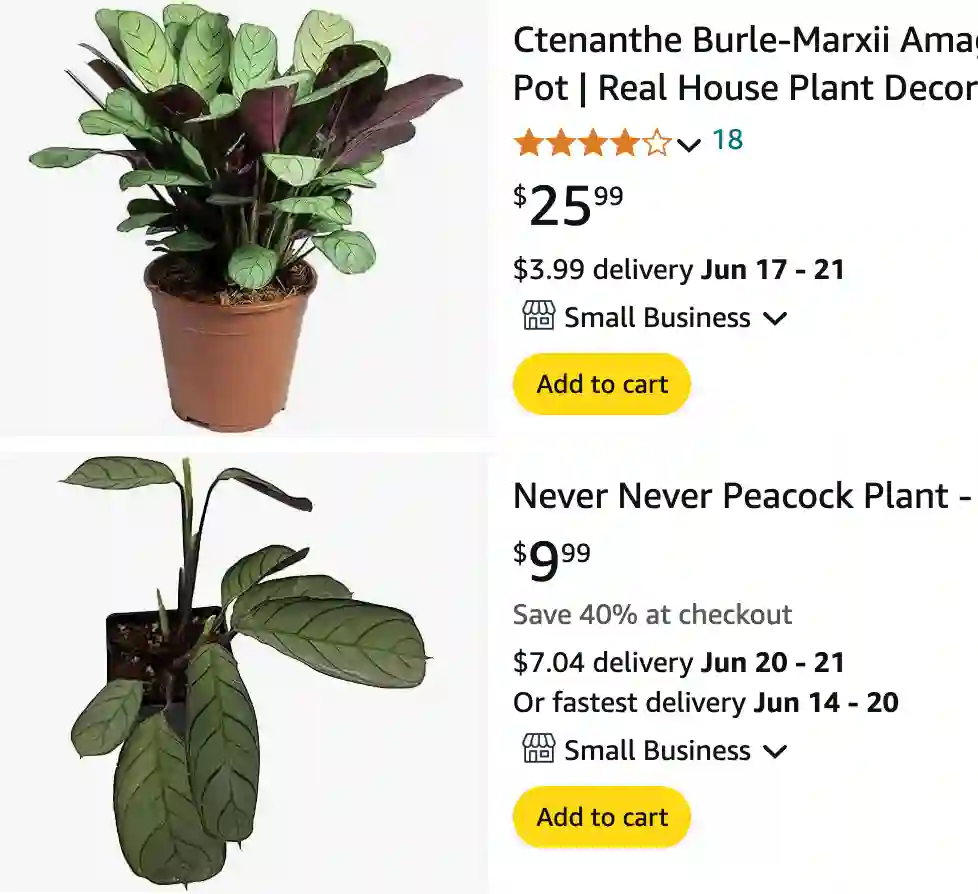
I. Introduction: Discovering the Enchanting Ctenanthe Amagris
The world of indoor plants offers a vast array of botanical wonders, each possessing unique charm and character. Among these, the Ctenanthe ‘Amagris’ stands out as a truly captivating specimen, celebrated for its exquisite foliage and dynamic presence. This plant is a distinguished member of the Marantaceae family, a group renowned for its ornamental qualities, and is highly sought after by both seasoned plant enthusiasts and interior designers alike. Its common names, such as Prayer Plant, Fishbone Prayer Plant, and Never Never Plant, hint at its distinctive behaviors and allure.
A defining characteristic that gives the Ctenanthe ‘Amagris’ its “Prayer Plant” moniker is a fascinating phenomenon known as nyctinasty. Each evening, its leaves gracefully fold upwards, resembling hands clasped in prayer, only to unfurl again with the morning light. This captivating, rhythmic movement adds a dynamic and decorative element to any indoor space, making the plant a living, breathing piece of art. This inherent behavior is not merely a botanical curiosity; it serves as a direct link to the plant’s popular common names, which are frequently used in online searches. By understanding and highlighting this unique trait, the plant’s appeal is immediately elevated, and its discoverability for those seeking “prayer plants” or “moving leaf plants” is significantly enhanced.
Despite its exotic appearance and intriguing habits, the Ctenanthe ‘Amagris’ is surprisingly forgiving and considered relatively easy to care for. This low-maintenance quality makes it an excellent choice for individuals with busy lifestyles who desire a touch of tropical splendor without demanding excessive attention. Emphasizing this ease of care from the outset addresses a common apprehension among potential plant owners regarding exotic species. Positioning the Ctenanthe ‘Amagris’ as an accessible option broadens its appeal considerably, inviting even novice gardeners to embark on a rewarding journey with this beautiful plant.
II. The Botanical Canvas: Ctenanthe Amagris Profile
Scientific Roots & Native Habitat
The Ctenanthe ‘Amagris’ carries the full scientific designation Ctenanthe burle-marxii ‘Amagris’. It belongs to the Marantaceae family, an esteemed group that also includes other beloved foliage plants such as Calathea, Maranta, and Stromanthe. The ‘Amagris’ cultivar itself is a remarkable creation, originating as a chance mutation discovered in a Belgian tissue culture laboratory and subsequently protected by a plant patent.
Tracing its botanical lineage, the Ctenanthe ‘Amagris’ hails from the lush, biodiverse rainforests of Brazil. This native environment provides crucial context for understanding its specific care requirements. The consistently warm temperatures, high humidity, and filtered light characteristic of tropical rainforests directly inform the plant’s need for similar conditions in an indoor setting. This fundamental understanding of its natural habitat explains why consistent moisture, warmth, and protection from direct sunlight are not merely preferences but essential elements for its thriving health. Recognizing this ecological connection empowers growers to provide an environment that truly mimics its natural home, leading to greater success and vitality.
Visual Splendor
The allure of the Ctenanthe ‘Amagris’ lies primarily in its striking foliage. Its leaves are typically lance-shaped or oblong , adorned with an intricate blend of silvery-green variegation and prominent dark green veins. This patterning often resembles exquisite brushwork on a canvas or a delicate herringbone design, contributing significantly to its ornamental appeal. A particularly enchanting feature is the underside of its leaves, which boast a distinctive burgundy-purple or deep purple hue, beautifully revealed when the leaves fold upwards at night.
In terms of size, the Ctenanthe ‘Amagris’ exhibits a delightfully low and compact growth habit. While some general descriptions for Ctenanthe species may indicate an eventual height of 0.5-1 meter , it is important to note that the ‘Amagris’ cultivar is specifically characterized as a slow-grower, typically reaching an ultimate height of around 30 centimeters (approximately 12 inches). Its eventual spread generally ranges from 0.1 to 0.5 meters. This distinction is significant for plant enthusiasts, as it informs the ideal placement of the plant within a home, making it particularly well-suited for desks, tabletops, or as a charming low groundcover in shaded areas, rather than a large floor plant. This precise understanding of its mature size helps set realistic expectations for growers and assists those searching for compact indoor plant varieties.
The Ctenanthe ‘Amagris’ is primarily cultivated for its stunning foliage, as its flowers are generally inconspicuous. It produces small, white flowers arranged on basal racemes, which typically appear during the summer months, specifically from July to September in regions like Belgium. These blooms are often described as insignificant when compared to the plant’s vibrant and exotic leaves.
Growth Patterns & Varieties
As a rhizomatous herb, the Ctenanthe ‘Amagris’ spreads via underground stems, contributing to its bushy and spreading habit. While the genus Ctenanthe generally exhibits a medium growth rate , the ‘Amagris’ cultivar is specifically noted for its slow growth. This slower pace means it can remain in the same pot for two to three years before requiring repotting.
The genus Ctenanthe encompasses several other notable species and cultivars, each with its own unique characteristics:
- Ctenanthe amabilis: This variety is known for its low, mounding habit, tending to spread sideways rather than growing upright. It features elongated leaves in shades of grey and soft greyish-green, and can root at its nodes and sucker from the base, allowing it to spread over time, especially in moist conditions.
- Ctenanthe burle-marxii: The parent species of ‘Amagris’, this is a stunning, low-growing plant with thick, rectangular silver-grey leaves overlaid with a deep green herringbone pattern. It is considered an excellent, low-maintenance groundcover for shaded areas.
- Ctenanthe burle-marxii var. obscura: Similar to the above, but with more subtle mid-green leaves and deep green markings.
- Ctenanthe lubbersiana: This plant can grow quite tall, reaching 1.2 to 1.5 meters, with shiny green rectangular leaves forming a ‘layered’ effect. Popular variegated cultivars include ‘Golden mosaic’ with creamy yellow splashes and ‘Variegata’ with finer golden venation.
- Ctenanthe oppenheimiana: A popular interior plant from past decades, its leaves are striped with grey and grey-green. The cultivar ‘Tricolor’ is particularly well-known for its irregular splashes of white and pink variegation, adding vibrant color to shaded corners.
III. My Ctenanthe Amagris: A Time-Lapse Gardener’s Diary
The journey of nurturing a Ctenanthe ‘Amagris’ is a testament to patience and observation. From its initial arrival as a young specimen to its establishment as a mature, vibrant houseplant, the experience unfolds like a living time-lapse. Here, a gardener recounts their personal observations and the milestones achieved over years of dedicated care.
Month 1-3: The New Arrival & Acclimation
“When my Ctenanthe ‘Amagris’ first arrived, it was a modest plant in a small nursery pot. My first task was to provide it with a suitable home. I selected a well-draining potting mix, ensuring it contained composted organics and some drainage material, as advised for tropical plants. The next crucial step was finding the perfect spot. Knowing its rainforest origins, I understood the importance of bright, indirect light, away from any harsh, direct sunbeams that could scorch its delicate leaves. I chose a location a little away from an east-facing window, ensuring it received ample natural light without direct exposure. I also made sure to keep it clear of any cold drafts, which these tropical beauties despise.
Within the first few days, I witnessed the enchanting leaf movement – the nyctinasty – as its leaves folded upwards at dusk and unfurled with the dawn. It was a magical confirmation of its ‘Prayer Plant’ identity. Establishing a watering routine was key; I learned to feel the top layer of soil, watering only when it felt slightly dry to the touch, always mindful not to overwater, which can be a common pitfall. Early on, I noticed a slight curling of some leaves. A quick check of the soil confirmed it was a bit dry, a sign of underwatering. After a thorough, yet careful, watering, the leaves soon perked back up. This early experience taught me the plant’s communicative nature and the importance of attentive observation.”
Month 4-12: Steady Growth & Seasonal Adjustments
“As the months progressed, my Ctenanthe ‘Amagris’ settled into its new environment, showing a moderate rate of growth with new leaves steadily unfurling. The most consistent challenge was maintaining adequate humidity, a non-negotiable requirement for this rainforest native. I regularly misted its leaves and placed its pot on a pebble tray filled with water to create a localized humid microclimate. During the spring and summer, its active growing season, I began a light fertilization regimen, using a balanced liquid plant food once a month to support its healthy development.
As winter approached, I adjusted my watering frequency, recognizing that the plant entered a period of dormancy and required less moisture. This adaptation was crucial to prevent overwatering during cooler, less active months. Throughout this period, I remained vigilant for common houseplant pests, particularly spider mites, which are known to be attracted to Ctenanthe. Regular inspection of the leaf undersides became a routine practice, allowing for early detection and intervention should any signs of infestation appear.”
Year 1-2: Maturing Plant & Repotting
“By its first year, my Ctenanthe ‘Amagris’ had reached a significant portion of its mature height, a compact yet robust specimen standing around 30 centimeters tall. As spring of the second year arrived, I assessed its root system. Observing roots beginning to emerge from the drainage holes, I decided it was time for its first repotting. I chose a pot only slightly larger, about two inches in diameter, to avoid overwhelming the root ball, and refreshed its potting mix.
During the summer of its second year, I was delighted to observe the appearance of its inconspicuous white flowers, a subtle yet charming detail. Beyond the major care tasks, simple maintenance like gently wiping dust from its leaves became a regular habit. This not only kept the foliage looking pristine but also allowed the plant to breathe and absorb light more efficiently.”
Year 3-5+: Established Beauty & Propagation
“In the subsequent years, my Ctenanthe ‘Amagris’ truly became an established beauty. Its vibrant foliage continued to be a focal point in my home. Continued vigilance against pests remained important, and I found that prompt treatment with insecticidal soap or Neem oil at the first sign of trouble was highly effective. Regular pruning of any dead or yellowing leaves helped maintain its striking appearance and promoted fresh, healthy growth.
As the plant matured and expanded its rhizomatous root system, I began to explore propagation. During annual repotting sessions, I would gently divide the root ball, ensuring each section had both shoots and roots, and pot them separately. This allowed me to expand my collection and share this beautiful plant with friends. Beyond its aesthetic appeal, the knowledge that my Ctenanthe ‘Amagris’ was actively contributing to the improvement of indoor air quality added another layer of appreciation for this resilient and rewarding companion.”
The time-lapse narrative provides a unique and engaging approach to sharing plant care information. By embedding practical advice within a personal story, the instructions become more accessible and relatable, fostering a deeper connection with the reader. This narrative structure also naturally illustrates the cause-and-effect relationships in plant care, such as how observing leaf curling led to adjusting watering, making troubleshooting more intuitive and impactful than a simple list of symptoms and solutions.
IV. Cultivating Success: The Comprehensive Ctenanthe Amagris Care Guide
Successful cultivation of the Ctenanthe ‘Amagris’ hinges on understanding and replicating, as closely as possible, its native rainforest environment. While often described as low-maintenance, consistent attention to its specific needs will ensure its vibrant health and striking appearance.
Light: Finding the Perfect Spot
The Ctenanthe ‘Amagris’ thrives in medium to bright indirect light. To provide optimal conditions, it is advisable to place the plant a little distance away from an east- or west-facing window, or in a north-facing window, where it can receive ample natural illumination without direct exposure. Supplemental artificial light can also be utilized to ensure it receives sufficient light throughout the day.
Crucially, direct sunlight must be avoided at all costs, as it can easily scorch the plant’s delicate leaves, leading to sunburn and irreversible damage. Excessive light can also cause its vibrant variegation to fade. Conversely, insufficient light can lead to leggy growth, where stems become elongated and sparse, and the leaves may lose their characteristic vibrant colors and begin to curl. Observing these signs allows for prompt adjustment of the plant’s placement to ensure it receives the ideal amount of light.
Watering: The Art of Moisture Balance
The fundamental principle for watering Ctenanthe ‘Amagris’ is to maintain consistently moist soil, but never allow it to become waterlogged. Overwatering is a remarkably common problem for these plants, frequently leading to detrimental issues such as root rot and yellowing leaves. This highlights overwatering as perhaps the single most critical care mistake to avoid, as prolonged soggy conditions can quickly prove fatal to the plant.
The optimal time to water is when the top layer of soil, typically the top 25-50% or 3-4 inches, feels slightly dry to the touch. When watering, it is essential to do so thoroughly until excess water drains from the bottom of the pot. Any water that collects in saucers or cover pots should be promptly tipped out to prevent the plant from sitting in stagnant water, which can lead to “wet feet” and subsequent root decay. A helpful guideline is that Ctenanthe plants can recover more easily from slight dryness than from overwatering, making it safer to err on the side of slightly drier soil if uncertainty arises.
The quality of water used is also a nuanced but important detail for optimal plant health. Using room temperature water is preferred. Furthermore, distilled, filtered, or rainwater is highly recommended over tap water. This is because tap water often contains fluoride and salts, which can accumulate in the soil and manifest as brown leaf tips and edges on the plant. By paying attention to water quality, growers can prevent a common aesthetic and health issue. During the winter months, as the plant enters a period of reduced growth or dormancy, the frequency of watering should be decreased accordingly. Conversely, underwatering can also cause issues, leading to brown leaf tips and edges, and leaf curling as the plant attempts to conserve moisture.
Humidity: Recreating the Rainforest
High humidity is paramount for the well-being of Ctenanthe ‘Amagris’, ideally maintained between 50-70% or even above 60%. Given its rainforest origins, this plant thrives in moist air. Various methods can be employed to achieve this: regular misting of the leaves , using a dedicated humidifier nearby , or placing the pot on a pebble tray filled with water (ensuring the pot itself does not sit in the water).
Placing the plant in naturally humid spots within the home, such as a bathroom or kitchen, can also provide an added boost to ambient moisture levels. It is crucial to keep the plant away from cold drafts and heating vents, as these can rapidly dry out the air and stress the plant. Signs of insufficient humidity include brown leaf tips and edges, crispy leaves, or the characteristic curling of the foliage.
Temperature: Tropical Comfort Zones
Ctenanthe ‘Amagris’ prefers a consistently warm indoor environment, with ideal temperatures ranging between 18-24°C (65-85°F). While it can tolerate slightly cooler conditions, it is sensitive to cold, and temperatures should ideally not drop below 13-15°C. As a tropical plant, it is particularly vulnerable to cold drafts, which can cause significant stress. Therefore, positioning the plant away from open windows, air conditioning units, or frequently opened doors is essential for its well-being.
Soil & Repotting: A Healthy Foundation
A well-draining potting mix is crucial for Ctenanthe ‘Amagris’, ideally one enriched with composted organics and drainage material. A premium potting mix formulated for indoor plants is highly recommended. Some growers find a general tropical mix containing perlite and worm castings to be beneficial, as it provides good aeration and nutrients while retaining appropriate moisture.
This plant is not a frequent repotter, making it relatively low-maintenance in this regard. Repotting is typically required every 1-2 years or 2-3 years , with spring being the optimal time or late spring to early summer. The primary indicators for repotting are when roots begin to grow out of the drainage holes or when the plant appears to be rootbound. When repotting, select a pot that is only slightly larger than the current one, approximately 2 inches greater in diameter, and always ensure the new pot has adequate drainage holes.
Fertilization: Nourishing Growth
Ctenanthe plants are not considered heavy feeders. During their active growing season, which spans spring, summer, and autumn (or January-March in some climates), a light application of a balanced, diluted liquid fertilizer once a month or every few weeks is sufficient to promote healthy growth. Organic fertilizers are also a suitable option. As the plant enters its dormant period in winter, fertilization should be reduced or ceased entirely.
Pruning: Shaping for Health & Beauty
Pruning for Ctenanthe ‘Amagris’ is minimal and primarily serves to promote healthy growth, maintain its striking appearance, and encourage a bushier habit. This involves simply trimming off any dead, damaged, or yellowing leaves at their base. If the plant becomes leggy, cutting back the elongated stems can encourage new, denser growth. Extensive pruning is generally not required.
V. Overcoming Challenges: Ctenanthe Amagris Health & Troubleshooting
Even with diligent care, Ctenanthe ‘Amagris’ can occasionally encounter challenges. Understanding common issues and their solutions is key to maintaining a thriving plant. Many common problems, such as leaf curling, yellowing, and brown tips, are often symptomatic of multiple underlying environmental issues, including improper watering, light, humidity, or even pest infestations. This interconnectedness emphasizes the need for a holistic approach to observation and troubleshooting, rather than isolating a single factor.
Pest Prevention & Treatment
Ctenanthe plants, like many houseplants, can be vulnerable to certain pests. The most common culprits include spider mites, which frequently target the undersides of leaves, as well as mealybugs and scale insects. Aphids can also occasionally pose a problem.
Prevention is paramount:
- Regular Inspection: Routinely inspect the plant, especially the undersides of leaves, for any early signs of infestation.
- Leaf Cleaning: Gently wiping the leaves with a damp cloth not only removes dust, allowing the plant to photosynthesize more efficiently, but also aids in early pest detection.
- Cleanliness: Maintaining a clean environment around the plant can help deter pests.
- Quarantine: Always quarantine new plants before introducing them to an existing collection to prevent potential pest transfer.
Treatment options:
- Minor Infestations: For small outbreaks, insecticidal soap , Neem oil, Eucalyptus oil, or Citrus oil sprays can be effective primary treatments.
- Severe Cases: For more persistent or widespread infestations, a product like Defender Pyrethrum Insect Spray may be necessary.
- Biological Control: Introducing natural predators, such as ladybugs and lacewings, can help manage pest populations organically.
- Pruning: Trimming off severely affected leaves can help prevent the spread of pests.
Disease & Stress Signals
The plant communicates its needs through various visual cues. Recognizing these signals and understanding their potential causes is crucial for effective intervention. For those seeking immediate diagnoses, structuring information with clear problem-symptom-solution formats, such as Q&A or bulleted lists, makes the content highly accessible and optimized for rapid extraction by AI search engines, which often summarize direct answers to user questions.
- Leaf Curling: This is a very common stress response in Ctenanthe. It can be caused by inadequate watering (both underwatering and overwatering), improper light conditions (either too much or too little), pest infestations, or nutrient deficiencies.
- Solution: The first step is to check the soil moisture. Adjust watering as needed. Then, assess the light conditions and move the plant if necessary. Finally, inspect for pests and consider if a balanced nutrient solution is required.
- Yellowing Leaves: Often a strong indicator of overwatering, particularly if accompanied by soggy soil. However, yellowing can also signal nutrient deficiencies or improper light levels.
- Solution: Adjust the watering schedule to allow the soil to dry appropriately between waterings, ensure excellent drainage, verify light conditions, and if a nutrient deficiency is suspected, apply a balanced fertilizer.
- Brown Leaf Tips and Edges: This is most frequently attributed to underwatering , low humidity , or exposure to excessive direct sunlight. Other less common causes include too much fertilizer or the accumulation of chemicals (like fluoride and salt) from tap water.
- Solution: Increase ambient humidity through misting or humidifiers, ensure a consistent watering schedule, relocate the plant away from direct sun, review fertilization practices, and consider using filtered or distilled water.
- Root Rot: This serious condition is a direct consequence of consistent overwatering and poor drainage, leading to the decay of the root system.
- Solution: Immediately improve drainage by ensuring the pot has adequate holes and the potting mix is well-aerated. Allow the soil to dry more thoroughly between waterings. In severe cases, repotting into fresh, well-draining soil may be necessary after trimming away any rotten roots.
- Other Potential Issues: Less common but possible problems include leaf rot (due to excess moisture and poor air circulation), Notch disease (causing leaf deformities), leaf tip withering, dark spots, soil fungus, dark blotch, and ‘Mushrooms’ disease (fungal growth often indicating overwatering or poor air circulation). Prompt identification and appropriate treatment are crucial for mitigating their impact.
VI. Expanding Your Green Family: Propagating Ctenanthe Amagris
Propagating Ctenanthe ‘Amagris’ allows enthusiasts to expand their collection or share this beautiful plant with others. The most common and effective method leverages the plant’s rhizomatous growth habit.
Methods
- Division: This is the primary and most successful method for propagating Ctenanthe ‘Amagris’.
- Process: The ideal time for division is during repotting, typically in the spring. Gently remove the plant from its pot and carefully separate the rhizomatous root ball into smaller sections. It is crucial to ensure that each new section possesses both healthy shoots (foliage) and a viable root system to ensure successful establishment.
- Planting: Once separated, these divisions can be directly planted into new pots filled with a fresh, airy, and well-draining potting medium. This method offers a practical and efficient way for gardeners to expand their collection, integrating the propagation process seamlessly into routine plant care.
- Stem Cuttings: While less common than division, propagation via stem cuttings is also possible.
- Process: Take a healthy stem cutting. Any leftover plant sections without roots from a division can also be rooted in water.
- Planting: Once roots have developed sufficiently in water, or if rooting directly in soil, transfer the cutting to a well-draining potting medium.
Enhancements
To aid in the establishment of new plants, particularly from cuttings, the use of a rooting hormone can be beneficial. Additionally, incorporating beneficial soil additives, such as Biotone, which provides essential plant nutrients and fosters a healthy soil microbiome with beneficial bacteria and fungi, can significantly enhance the base for new growth.
VII. More Than Just Pretty Leaves: Benefits of Ctenanthe Amagris
The Ctenanthe ‘Amagris’ offers more than just aesthetic appeal; it brings several tangible benefits to an indoor environment, making it a highly desirable houseplant.
Air Purifying Qualities
One of the significant advantages of the Ctenanthe ‘Amagris’ is its recognized ability to purify indoor air. Like many houseplants, it contributes to removing toxins from the atmosphere, thereby improving the overall air quality in homes and offices. This air-purifying capability taps into a highly popular and evergreen trend in houseplant ownership, broadening the plant’s appeal beyond mere decoration and aligning with the growing consumer interest in healthier living spaces.
Ornamental Value
As a true showstopper, the Ctenanthe ‘Amagris’ boasts stunning and exotic foliage that makes it a highly sought-after choice among indoor plant enthusiasts and interior decorators. Its unique leaf patterns, intricate variegation, and the dynamic movement of its leaves (nyctinasty) add a lively and decorative element to any space. Its compact growth habit, typically reaching only around 30 centimeters (12 inches), makes it an ideal plant for display on desks, tabletops, or as an attractive low groundcover in shaded indoor areas.
Low Maintenance
Despite its tropical origins and sophisticated appearance, the Ctenanthe ‘Amagris’ is considered relatively low-maintenance and easy to care for. It is known to be quite resilient and forgiving, even tolerating the occasional missed watering, making it suitable for individuals with busy lifestyles.
Toxicity
Regarding its toxicity, it is important to exercise caution. While one source indicates it is non-toxic to pets and humans , other more specific sources for
Ctenanthe burle-marxii ‘Amagris’ state that the plant is considered slightly poisonous. In cases of conflicting information, particularly concerning safety, it is always prudent to err on the side of caution. Therefore, it is advisable to keep the plant away from children and pets and to take care when handling it, especially if there is a risk of ingestion. This cautious approach ensures the well-being of all household members and builds trust by providing the most responsible guidance.
VIII. The Prayer Plant Family Tree: Ctenanthe Amagris vs. Its Cousins
The Marantaceae family, often referred to as the “prayer plant family,” is a fascinating group of plants known for their striking foliage and the distinctive nyctinasty (leaf folding) behavior. This family includes popular genera such as Ctenanthe, Calathea, Maranta, and Stromanthe. Due to their similar appearances and shared care requirements—all generally preferring bright, indirect light, high humidity, and consistently moist soil—these plants are frequently confused with one another. However, subtle yet significant distinctions exist that can help differentiate them and inform specific care nuances.
Key Distinctions
- Ctenanthe vs. Calathea:
- Growth Habit: A primary structural difference lies in their growth habit. Ctenanthe plants develop above-ground branching stalks, contributing to their bushy appearance, whereas Calathea (now often botanically reclassified as Goeppertia) typically produce new leaves directly from the root mass.
- Vigor/Tolerance: Ctenanthe are generally considered more vigorous and resilient than Calathea. They tend to tolerate periods of dryness and lower humidity better, making them somewhat more forgiving for growers.
- Ctenanthe vs. Maranta:
- Ease of Care: Maranta plants are often cited as the easiest to care for within the prayer plant family.
- Leaf Pattern: While both have beautiful patterns, Ctenanthe ‘Amagris’ typically features a more minty-green color with slender pattern lines compared to some Maranta cultivars like ‘Red Stripe’ or ‘Lemon Lime’.
- Ctenanthe vs. Stromanthe: This comparison often causes the most confusion, particularly between Ctenanthe oppenheimiana ‘Tricolour’ and Stromanthe sanguinea ‘Triostar’. The precise distinguishing features are highly valuable for accurate identification and care.
- Size: Mature Stromanthe plants can grow slightly larger and tend to produce more leaves per cane compared to Ctenanthe.
- Leaf Green Areas: Ctenanthe leaves often display fine, dark ‘pinstripe’ lines within their lighter green areas. In contrast, the green patches on a Stromanthe are typically more solid, lacking these distinct fine pinstripes.
- Midrib: The midrib (central vein) on a Ctenanthe leaf is usually very well-defined, appearing like a pale pinstripe, with no soft ‘glow’ of paler green beside it. On a Stromanthe, the midrib area often has a soft, blurred ‘glow’ due to the paler green, sometimes making the midrib itself barely visible.
- Pink Variegation: While Ctenanthe ‘Tricolour’ can exhibit pink splashes, Stromanthe ‘Triostar’ is generally known for more dramatic cream patches that can glow a vibrant hot pink when backlit. Overall, Ctenanthe ‘Tricolour’ tends to be greener than Stromanthe ‘Triostar’. These specific visual cues provide unique value, empowering enthusiasts to correctly identify their plants, which is a common point of frustration.
Prayer Plant Family Comparison: Ctenanthe vs. Calathea vs. Maranta vs. Stromanthe
This table consolidates key differentiating factors, offering a quick reference for distinguishing between these often-confused prayer plant genera.
| Characteristic | Ctenanthe | Calathea (Goeppertia) | Maranta | Stromanthe |
| Common Name (Example) | Prayer Plant, Never Never Plant, Fishbone Plant (‘Amagris’) | Prayer Plant, Rattlesnake Plant, Peacock Plant | Prayer Plant, Red Vein Prayer Plant | Prayer Plant, Triostar |
| Scientific Name (Example) | Ctenanthe burle-marxii ‘Amagris’ | Goeppertia orbifolia (formerly Calathea) | Maranta leuconeura ‘Red Vein’ | Stromanthe sanguinea ‘Triostar’ |
| Growth Habit | Develops above-ground branching stalks; bushy, spreading habit; rhizomatous | New leaves emerge directly from root mass | Low, spreading, trailing habit; rhizomatous | Upright, can grow taller than Ctenanthe; more leaves per cane |
| Vigor/Tolerance | Generally more vigorous, tolerates some dryness/lower humidity better; resilient | More sensitive, less tolerant of dryness/low humidity | Often considered the easiest and most forgiving of the family | Sensitive to cold; can be particular but generally vigorous |
| Leaf Pattern Distinctives | Silvery-green with thin dark green veins (herringbone); fine dark ‘pinstripe’ lines on lighter green areas; well-defined midrib without ‘glow’; purple undersides | Diverse patterns, often bold; leaves can be more rounded or elongated; various undersides | Prominent central vein with colorful patterns (e.g., red veins); distinct patterns; often red undersides | Green patches often solid, lacking fine pinstripes; soft, blurred ‘glow’ by midrib; dramatic pink/cream variegation (Triostar) |
| Typical Height (Indoor) | 0.3-0.5m (1-1.5 ft); ‘Amagris’ typically 30cm (1 ft) | Varies widely by species, generally 0.3-1m (1-3 ft) | 0.2-0.3m (8-12 inches), spreading | 0.6-1.2m (2-4 ft) for larger varieties |
| Water Quality Sensitivity | Prefers distilled/filtered/rain water to avoid brown tips from tap water chemicals | Generally sensitive to tap water chemicals (fluoride, chlorine) | Sensitive to tap water chemicals, prone to brown tips | Sensitive to tap water chemicals, prone to brown tips |
| Humidity Preference | High (50-70% ideal) | High (60%+ ideal) | High | High (around 60% ideal) |
IX. Conclusion: Nurturing Your Never Never Plant
The Ctenanthe ‘Amagris’, with its captivating foliage and unique “prayer” movements, is a truly rewarding addition to any indoor plant collection. Its journey from a small rhizome to a mature, air-purifying specimen is a testament to its resilience and the profound connection between a plant and its environment.
While this tropical beauty has specific requirements regarding light, water, humidity, and temperature, the evidence suggests that it is a remarkably forgiving plant. Its ability to recover from occasional care lapses makes it an achievable success for both seasoned and budding plant enthusiasts. The key to its long-term vitality lies in consistent observation, understanding its subtle signals, and adapting care routines accordingly. By providing an environment that closely mimics its native Brazilian rainforest habitat, characterized by bright, indirect light, consistent moisture (without waterlogging), and high humidity, growers can ensure their Ctenanthe ‘Amagris’ not only survives but truly thrives. Embracing the nuances of its care, from selecting the right water quality to recognizing early signs of stress, transforms the act of plant care into a deeply satisfying and enriching experience. Embarking on the journey with a Ctenanthe ‘Amagris’ promises years of vibrant foliage and the quiet, rhythmic dance of a living masterpiece.

If i die, water my plants!