Introduction: Unveiling the Dynamic Ctenanthe Burle-Marxii
The world of houseplants offers a diverse array of botanical wonders, and among them, the Ctenanthe burle-marxii stands out as a truly captivating specimen. Often affectionately known by its common names, the Fishbone Prayer Plant or Never Never Plant, this tropical beauty is celebrated not only for its strikingly patterned foliage but also for its unique daily movements. Its leaves, adorned with intricate designs, bring a dynamic and decorative element to any indoor space, transforming with the rhythm of day and night.
A most fascinating characteristic of the Ctenanthe burle-marxii, shared with its relatives in the Marantaceae family, is its “prayer plant” phenomenon, scientifically termed nyctinasty. As dusk settles, the plant’s oval leaves gracefully fold upwards, as if in silent prayer, only to unfurl and spread wide again with the first light of dawn. This mesmerizing circadian rhythm is far more than a mere aesthetic display; it is a sophisticated natural adaptation. In its native rainforest understory, this movement helps the plant conserve precious moisture by reducing the surface area exposed to cooler night air and also protects its delicate leaves from potential damage. For the attentive indoor gardener, observing the regularity and vigor of this leaf movement provides a direct line of communication with the plant, offering crucial clues about its well-being. If the plant fails to “pray” correctly, it might be signaling a need for adjustments in its environment, particularly concerning humidity or light levels, underscoring the deep connection between its biological functions and optimal care.
This comprehensive guide will delve into every aspect of cultivating a thriving Ctenanthe burle-marxii. From its botanical origins and essential care requirements to overcoming common challenges and exploring propagation techniques, readers will gain a profound understanding of this remarkable plant. Interwoven throughout this detailed botanical exposition is a personal, time-lapse journey, recounting the growth and evolution of a Fishbone Prayer Plant from a small specimen to a mature, flourishing centerpiece. This narrative aims to provide a relatable and encouraging perspective on the rewarding process of nurturing this unique tropical gem.
Chapter 1: The Roots of Beauty – My Ctenanthe’s Early Days (Time-Lapse: Seedling to First Leaves)
The allure of the Ctenanthe burle-marxii begins with its distinctive botanical identity and striking visual appeal. Scientifically classified as Ctenanthe burle-marxii H.Kenn. , this plant belongs to the Marantaceae family, a group widely recognized as the “Prayer Plant Family”. This botanical kinship links it to other popular genera like
Calathea and Maranta, all celebrated for their vibrant, moving foliage. Beyond its formal name, it is known by a variety of common appellations, including Fishbone Prayer Plant, Fishbone Plant, Never Never Plant, and Burle Marx Ctenanthe, each hinting at its unique characteristics.
The origins of this captivating plant trace back to the tropical rainforests of Brazil and other regions of Central and South America. In its natural habitat,
Ctenanthe burle-marxii thrives as an understory plant, flourishing beneath the dense canopy in consistently warm, humid, and shaded conditions. This native environment provides crucial clues for successful indoor cultivation, emphasizing the importance of mimicking these conditions to ensure the plant’s vitality.
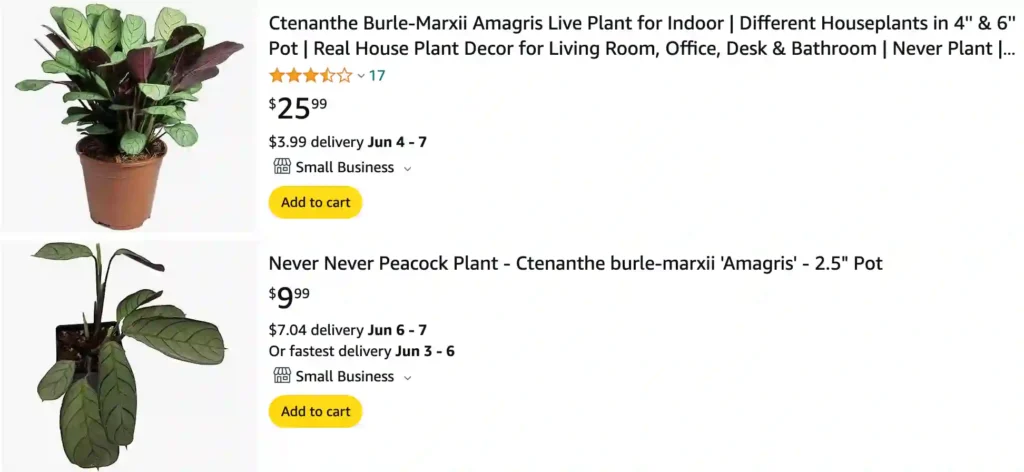
Visually, the Ctenanthe burle-marxii is a true spectacle. Its oval, pale green leaves are adorned with a lush, deep-green herringbone-like pattern, reminiscent of fish bones, which gives rise to its most common moniker. The striking contrast is further enhanced by the vibrant burgundy-purple undersides of its foliage, a feature that becomes particularly noticeable when the leaves perform their nightly “prayer”. While small, inconspicuous white flowers may occasionally emerge on short spikes throughout the year, especially in its natural setting, they are rarely seen when the plant is cultivated indoors, with its ornamental value lying primarily in its magnificent leaves.
As an evergreen perennial, the Ctenanthe burle-marxii exhibits a clumping, upright, and bushy growth habit. It is considered a slow to medium grower, gradually reaching a mature height of approximately 4 to 20 inches (10-50 cm) and a spread of 16 to 24 inches (40-60 cm) over a period of 5 to 10 years. Its relatively compact size makes it an excellent choice for various indoor settings, fitting perfectly on desks, shelves, or as an eye-catching addition to terrariums.
The plant’s scientific name, burle-marxii, pays homage to Roberto Burle Marx (1909-1994), a highly esteemed Brazilian landscape architect. Marx was renowned for his pioneering work in integrating native Brazilian flora into modernist landscape designs, and his discovery of this plant cemented its place in botanical history. Beyond its scientific tribute, the plant’s “prayer-like” leaf movement has imbued it with symbolic meaning, representing beauty and renewal in various cultural contexts.
My Time-Lapse: The Seedling’s Promise (Month 0-3)
My journey with the Ctenanthe burle-marxii began with a small, unassuming specimen, a mere promise of the vibrant foliage it would become. I remember the excitement of bringing it home, a tiny plant with just a few nascent patterned leaves, each one a miniature work of art. My first task was to find its ideal spot, a location that would mimic the dappled, indirect light of its rainforest home. I placed it a few feet from a north-facing window, ensuring no direct sunbeams would touch its delicate surface.
The most enchanting aspect of those early days was observing its nightly ritual. As evening approached, the leaves would slowly, almost imperceptibly, begin to fold upwards, a silent, graceful dance. By morning, they would unfurl again, reaching for the diffused light. This daily performance, a true marvel of nature, was a constant source of wonder and a clear indication that the plant was settling in. I meticulously watered it with filtered water, having read about its sensitivity to tap water minerals, and ensured its pot had excellent drainage, preventing any standing water. The anticipation of each new leaf, each subtle expansion of its form, was a delightful part of my initial care routine.
The common name “Never Never Plant” might suggest a plant that is perpetually difficult to please. However, this perception can be misleading. While the
Ctenanthe burle-marxii does have specific environmental preferences, it is generally considered to be relatively low-maintenance compared to some of its more notoriously “fussy” relatives, such as certain Calathea species. The apparent contradiction between its common name and its actual care requirements highlights a crucial point in plant cultivation: “low-maintenance” is a relative term. For a plant native to tropical rainforests, its needs for consistent humidity, specific watering practices, and indirect light are fundamental. When these core requirements are not met, the plant can indeed exhibit dramatic signs of stress, such as leaf curling or browning, which might lead a new plant enthusiast to believe it is “never happy.” However, by understanding and consistently providing for these basic tropical conditions, the
Ctenanthe burle-marxii proves to be a resilient and rewarding companion. The plant’s dramatic responses are not a sign of inherent difficulty, but rather clear signals that, when correctly interpreted, guide the gardener toward providing optimal care.
Chapter 2: Nurturing Growth – The Essential Care Handbook
Cultivating a thriving Ctenanthe burle-marxii hinges on understanding and consistently meeting its fundamental environmental needs, mirroring its natural rainforest habitat.
Light: Finding the Perfect Spot
The Ctenanthe burle-marxii flourishes in bright to medium indirect light. This means placing it in a location where it receives ample light that has been diffused or filtered, such as a few feet away from an east- or west-facing window, or directly in a north-facing window. The ideal scenario involves light passing through a sheer curtain, which effectively mimics the dappled sunlight found on the rainforest floor.
Crucially, direct sunlight must be avoided at all costs, as it will scorch, burn, and fade the plant’s delicate, patterned leaves. Even a splash of winter sun, while sometimes tolerated if soil moisture is diligently monitored, should be completely avoided once the intensity of summer sunlight arrives.
While the plant prefers bright indirect light, it does exhibit a degree of tolerance for lower light conditions. However, prolonged exposure to insufficient light can lead to undesirable outcomes such as leggy growth, a noticeable loss of its vibrant colors, and diminished leaf variegation. In environments where natural light is limited, supplementary artificial grow lights can be effectively utilized to ensure the plant receives adequate illumination.
Water: The Art of Consistent Moisture
Consistent moisture is paramount for the Ctenanthe burle-marxii, yet it is equally crucial to avoid waterlogging the soil. The ideal watering schedule involves allowing the top 1 to 2 inches (approximately 2.5-5 cm) or 25-50% of the soil to dry out between waterings. When watering, it should be done thoroughly until excess water drains freely from the bottom of the pot. During the plant’s dormant period in winter, the frequency of watering should be reduced.
A critical factor often overlooked is the type of water used. Ctenanthe burle-marxii is highly sensitive to the salts, chlorine, and other minerals commonly found in tap water. These impurities can accumulate in the soil over time, leading to leaf edges withering, browning, or becoming crispy. To prevent this, it is highly recommended to use distilled, filtered, deionized, or collected rainwater. If tap water is the only option, allowing it to stand in an open container for at least 24 hours can help dissipate some of the chlorine. Furthermore, the water should always be at room temperature to prevent shocking the plant’s sensitive root system.
Proper drainage is non-negotiable for this plant. The roots of Ctenanthe burle-marxii are susceptible to root rot if left in soggy or waterlogged conditions. Therefore, always use pots with adequate drainage holes to allow excess water to escape freely.
Humidity: Creating a Tropical Haven
Given its rainforest origins, high humidity is a key factor for the happiness and health of Ctenanthe burle-marxii. Ideal humidity levels are generally above 60%, with some sources recommending 50-80% during the active growing season. While it can tolerate slightly lower humidity, around 40%, it will truly thrive in a more humid environment.
Several methods can be employed to boost ambient humidity around the plant. Regular misting of the leaves is a common practice , though its effect on long-term ambient humidity is often negligible, it can help deter spider mites. For more consistent humidity, using a room humidifier is highly effective. Another popular method is to place the pot on a pebble tray filled with water, ensuring the pot itself does not sit directly in the water. Grouping several plants together can also create a microclimate with higher local humidity.
Temperature: Keeping it Cozy
Ctenanthe burle-marxii prefers consistently warm temperatures, ideally ranging between 60-85°F (15-29°C). It is a tropical plant and cannot tolerate frost or prolonged exposure to temperatures below 50-55°F (10-13°C). Sudden temperature changes and cold drafts, such as those near air conditioning units or open windows, should be avoided as they can stress the plant. Maintaining a stable and warm environment is key to its health.
Soil: The Foundation for Flourishing
The right potting mix is crucial for meeting the high moisture needs of Ctenanthe burle-marxii while ensuring adequate drainage to prevent root rot. An ideal mix is fertile, moist, well-draining, and aerated, allowing for consistent moisture retention without becoming soggy.
A tropical mix with a base of coco coir or peat moss is highly recommended. To ensure proper aeration and drainage, incorporate plenty of elements like orchid bark, pumice, perlite, or a little sand. Vermiculite can also be effectively used to enhance moisture retention within the substrate without holding it directly against the roots. While the plant tolerates most soil pH levels, it thrives best in rich, humus-rich soil.
Fertilization: Fueling Vibrant Foliage
To promote robust growth and maintain vibrant foliage, Ctenanthe burle-marxii benefits from regular fertilization during its active growing season. This period typically spans from spring through early fall or summer. During these months, applying a balanced liquid fertilizer, such as one with a 10-10-10 N-P-K ratio, diluted to half the recommended strength, is ideal. Some sources suggest a weak fertilizer dose with every watering. As the plant’s growth slows in the winter months, it is important to reduce or cease fertilization entirely.
Repotting: Giving Room to Grow
Repotting is an essential part of the Ctenanthe burle-marxii‘s care, typically required every 1 to 3 years, or when the plant shows signs of becoming root-bound. The best time to undertake this task is during spring or early summer, coinciding with the plant’s active growth phase, which allows its roots to quickly establish in the new space.
When selecting a new pot, choose one that is only one size larger than the current one and always ensure it has ample drainage holes. Materials like ceramic or plastic are often preferred as they help retain moisture, reducing the frequency of watering. Given its rhizomatous growth, a wide pot is generally more suitable than a deep one, providing ample room for its spreading roots. Lining the bottom of the pot with gravel or clay balls can further enhance drainage.
The repotting process involves carefully removing the plant from its current pot, gently loosening any excess soil from the root ball, and then transferring it to the new pot filled with fresh, well-draining soil mix. After repotting, water the plant thoroughly to settle the soil and eliminate any air bubbles, which encourages healthy rooting. It is advisable to refrain from fertilizing for a few weeks after repotting to allow the plant to recover from the transplant process.
Pruning & Cleaning: Maintaining Pristine Leaves
Regular pruning and cleaning contribute significantly to the health and aesthetic appeal of Ctenanthe burle-marxii. Pruning primarily involves removing any dead, yellowing, or damaged leaves, cutting them back to the base of the plant. This practice redirects the plant’s energy towards new, healthy growth and helps maintain a compact, bushy appearance. Always use clean, sharp scissors or pruning shears to make precise cuts, which helps prevent the spread of diseases.
Cleaning the foliage is equally important. Dust accumulation on the leaves can impede the plant’s ability to absorb light efficiently. Therefore, regularly wiping the topsides of the leaves with a damp, clean cloth or sponge, ideally once a month, is recommended. Alternatively, rinsing the foliage in the shower with lukewarm water can effectively remove dust and provide a temporary humidity boost. This routine cleaning also offers an excellent opportunity to inspect the plant for any early signs of pests.
My Time-Lapse: Flourishing Foliage (Month 3-12)
As my Ctenanthe burle-marxii transitioned from a young seedling to a more established plant, the period from three to twelve months marked a phase of remarkable flourishing. New leaves unfurled with increasing frequency, each one a testament to the consistent care it received. The distinct herringbone patterns and vibrant purple undersides became more pronounced, adding a rich texture to its growing form.
My daily routine revolved around its needs. I developed a keen sense for checking the soil moisture, inserting a finger into the top layer to gauge its dryness before deciding to water. The ritual of watering with collected rainwater became a meditative practice, ensuring its sensitivity to tap water minerals was always respected. I maintained a consistent level of ambient humidity around it, either through regular misting or by keeping a small humidifier nearby, which visibly contributed to the lushness of its foliage and the crispness of its leaf edges. The plant responded beautifully, growing bushier and healthier with each passing week. Around the nine-month mark, I noticed its roots starting to peek from the drainage holes, signaling it was time for its first repotting. Carefully, I lifted the plant, gently loosened the soil from its rhizomes, and transferred it to a slightly larger pot, providing the necessary space for continued expansion. The satisfaction of seeing it adapt and thrive in its new home, continuing its graceful daily movements, was immensely rewarding.
Ctenanthe Burle-Marxii Quick Care Reference
| Aspect | Requirement |
| Light | Bright to medium indirect light; avoid direct sun. |
| Water | Keep soil consistently moist, allowing top 1-2 inches to dry between waterings. Use distilled/filtered/rainwater. |
| Humidity | High (ideally >60%); use humidifier, pebble tray, or mist regularly. |
| Temperature | 60-85°F (15-29°C); avoid cold drafts and sudden changes. |
| Soil | Fertile, moist, well-draining, aerated mix (e.g., coco coir/peat, perlite, orchid bark). |
| Fertilization | Monthly during spring/summer with diluted balanced liquid fertilizer; reduce in winter. |
| Repotting | Every 1-3 years or when root-bound, in spring/early summer. |
| Pruning | Remove dead/yellowing leaves at base; trim leggy stems. |
This quick care reference serves as a concise summary of the essential needs of the Ctenanthe burle-marxii. It consolidates information from various sources, providing a consistent and reliable set of guidelines that are easy for any gardener to implement. By presenting these parameters in a structured format, it not only aids in rapid reference but also enhances the clarity and actionability of the care instructions, making it simpler for enthusiasts to ensure their plant’s well-being.
The optimal care of Ctenanthe burle-marxii is a testament to the interconnectedness of its environmental requirements. For instance, seemingly disparate issues like brown leaf tips, pest infestations, and yellowing leaves are often symptoms stemming from a common underlying cause, such as improper watering or insufficient humidity. A plant experiencing low humidity might develop crispy leaf edges, making it more susceptible to spider mites, which further stress the foliage. Similarly, using unfiltered tap water can lead to mineral buildup and brown leaf tips, which a novice might misinterpret as underwatering, leading to overwatering and, consequently, root rot. This complex interplay underscores that successful plant care is not merely a checklist of isolated tasks but a dynamic, holistic system. Understanding these causal relationships allows a gardener to move beyond simply treating symptoms to addressing the root cause of a problem, fostering a more resilient and thriving plant.
Chapter 3: Overcoming Obstacles – My Ctenanthe’s Challenges & Triumphs (Time-Lapse: First Signs of Stress to Recovery)
Even with diligent care, plants can sometimes present challenges. Understanding the common issues that affect Ctenanthe burle-marxii and their solutions is crucial for long-term success.
Common Leaf Issues & Solutions
- Yellowing Leaves: This is most frequently a symptom of overwatering, which can quickly lead to root rot. Sitting in standing water can also induce chlorosis (yellowing). If the plant is overwatered for too long, the roots may become mushy and brown, indicating root rot.
- Solution: The primary corrective action is to immediately adjust the watering schedule, allowing the soil to dry out more thoroughly between waterings. Ensure the pot has excellent drainage to prevent water accumulation. If root rot is suspected, gently remove the plant from its pot, inspect the roots, and prune away any brown, mushy sections with sterilized scissors before repotting in fresh, well-draining soil.
- Brown Leaf Tips and Edges: This common issue typically points to underwatering , insufficient humidity , or sensitivity to the salts and chemicals found in tap water. It is important to note that a slight browning of leaf tips on older leaves can be a natural part of the plant’s life cycle due to extensive photosynthesis.
- Solution: To remedy this, increase watering frequency to ensure consistent soil moisture, but without overwatering. Significantly boost ambient humidity around the plant using a humidifier or pebble tray. Most importantly, switch to filtered, distilled, deionized, or rainwater to avoid mineral buildup.
- Curled Leaves: This is a general stress indicator for Ctenanthe burle-marxii, signaling either overwatering or underwatering. It can also be caused by excessive light exposure, where the plant curls its leaves inward to protect itself from scorching.
- Solution: The first step is to check the soil moisture. If the soil is wet, it indicates overwatering; if it is bone dry, the plant needs water. Adjust the watering routine accordingly. If the curling is accompanied by signs of scorching, relocate the plant to a spot with less direct light.
- Leggy Growth/Loss of Color: Insufficient light is the primary culprit for Ctenanthe burle-marxii developing leggy stems, stunted growth, and its vibrant leaf patterns losing their intensity. The plant stretches to reach for more light, resulting in a sparse appearance.
- Solution: Move the plant to a brighter location that receives ample indirect light. This will encourage more compact growth and help restore the rich coloration and variegation of its foliage.
Pests: Battling Unwanted Visitors
While generally robust, Ctenanthe burle-marxii can attract common houseplant pests. Spider mites are the most frequent adversaries, often signaled by fine webbing and gritty yellow bumps, particularly on the undersides of leaves. Mealybugs , thrips , and aphids can also make an appearance.
- Prevention & Treatment: Regular inspection of the plant, especially the undersides of leaves and leaf axils, is the best defense. Ensuring adequate air circulation around the plant can help deter infestations. If pests are detected, they can often be treated effectively with insecticidal soap or neem oil, applied according to product instructions. Consistent misting, while not a primary humidity solution, can help deter spider mites. For severe or persistent infestations, isolating the affected plant and repeated treatments may be necessary. Placing the plant in a closed terrarium can also offer a degree of protection from pests.
Diseases: Prevention and Cure
Ctenanthe burle-marxii is generally disease-free, but certain conditions can predispose it to problems.
- Root Rot: This is the most common and severe disease, almost always a direct result of overwatering or allowing the plant to sit in waterlogged soil for extended periods. Symptoms include rapidly yellowing leaves, stunted growth, and a soft, mushy, rotten brown base or roots.
- Solution: Prevention is key: always use a pot with drainage holes and a well-draining soil mix, and allow the top layer of soil to dry before rewatering. If root rot is suspected, promptly remove the plant from its pot, trim away all affected, mushy roots with sterilized shears, and repot into fresh, dry, well-draining potting mix. Severely affected plants may not recover.
- Leaf Spot Disease: This can manifest as black or brown spots on the leaves , or gray mold , often resulting from prolonged wet foliage or high humidity combined with poor air circulation.
- Solution: Promptly prune any affected leaves or branches to prevent spread. Improve air circulation around the plant and ensure proper watering practices to allow foliage to dry between mistings or waterings.
My Time-Lapse: The Learning Curve (Year 1-2)
The second year of caring for my Ctenanthe burle-marxii was a true learning curve, a period where the plant truly taught me to listen. I faced the inevitable challenges that come with nurturing a tropical plant in an indoor environment. The first signs of trouble appeared as subtle brown tips on some leaves, a clear indication of either underwatering or insufficient humidity. My initial reaction was to water more, but then yellowing leaves emerged, revealing the classic signs of overwatering. It became apparent that the plant’s signals were nuanced, and a single symptom could have multiple underlying causes.
This period forced me to deepen my understanding of its needs. I invested in a hygrometer to accurately monitor humidity levels, confirming that my ambient indoor humidity was indeed too low. A humidifier became a permanent fixture near its pot, and I switched entirely to collected rainwater, noticing a significant improvement in the health of new leaves. I also encountered a minor spider mite infestation, which I promptly addressed with neem oil and regular leaf wiping. Each challenge, though initially disheartening, became an opportunity for growth, both for the plant and for me as a gardener. Observing its resilience, its ability to bounce back with proper adjustments, solidified my appreciation for its subtle cues and made me a more confident and attentive plant parent.
Chapter 4: Expanding the Family – Propagation and New Beginnings (Time-Lapse: From Division to New Plantlets)
Propagating Ctenanthe burle-marxii offers a rewarding way to expand one’s plant collection or share this beautiful specimen with others. Due to its unique growth habit, the most successful and recommended method for propagation is division, though stem cuttings can also be attempted with varying success.
Propagation Methods
- Division (Highly Recommended): This method is particularly effective because Ctenanthe burle-marxii is a rhizomatous plant, meaning it spreads via underground stems (rhizomes) from which new shoots and roots emerge. A “division” is essentially a miniature, self-sufficient plant with its own established root system, which inherently leads to a higher success rate compared to stem cuttings.
- Best Time: The optimal time for division is during spring or early summer, when the plant is actively growing. This process is often best performed concurrently with annual repotting.
- Detailed Step-by-Step Guide:
- Preparation: Gather necessary tools: a sharp, sterilized knife or secateurs, a well-draining potting mix formulated for tropical plants, and new pots with drainage holes. To minimize transplant shock for the mother plant, water it thoroughly about 24 hours before beginning the division process.
- Removal from Pot: Carefully remove the mature Ctenanthe burle-marxii from its current container, being gentle to avoid unnecessary damage to the foliage or roots.
- Loosen Soil: Gently “tickle” or shake off any excess soil from the root ball. This action helps to expose the rhizomes and roots, making it easier to identify natural separation points.
- Identify Divisions: Observe the root ball for natural clusters of rhizomes and roots that appear to be distinct, individual sections. Each section intended for propagation should ideally have both healthy shoots (leaves) and a sufficient portion of its own root system or rhizome attached.
- Separate: Using your clean, sharp tool or, if the clumps naturally separate, your hands, carefully divide the plant into the desired sections. Make clean cuts to minimize trauma to the plant tissues and reduce the risk of disease.
- Potting New Plants: Plant each newly separated division into its own appropriately sized pot filled with fresh, well-draining substrate. Ensure that the foliage remains above the soil line and is not buried.
- Initial Care: Water the newly potted plantlets immediately to help settle the soil around the roots and eliminate any air pockets. Place them in a warm location that receives bright, indirect light. Maintaining consistent moisture in the soil, without overwatering, is crucial for successful establishment. High humidity is also vital for these young plants to thrive and root effectively. Avoid applying any fertilizer for the first few weeks, allowing the plantlets to focus their energy on root development.
- Stem Cuttings (More Challenging, but Possible): There is some variation in information regarding the success of stem cutting propagation for Ctenanthe burle-marxii. Some sources indicate it is not ideal for simple stem propagation, as leaves grow directly from the root system rather than distinct stems. However, other sources provide methods for attempting it, suggesting it is possible, though perhaps with a lower success rate compared to division.
- Method (if attempting): Select healthy, established stems that are at least 20 cm (7.8 inches) in length and have two to three leaves, ensuring they are free of pests or diseases. Make a clean cut directly below a node (the point where a leaf emerges). Remove the lower half of the leaves from the cutting and place the stem into a container of lukewarm water, ensuring at least one node is fully submerged while the remaining leaves stay above the waterline to prevent rot. Replace the water weekly. Once roots have developed to at least 3 cm (1.1 inches) in length, the cutting is ready to be potted. Pot it in a well-draining mix and provide high humidity (e.g., by placing it in a transparent bag with small holes, opened periodically for air circulation) and bright, indirect light to encourage continued growth.
The strong emphasis on division as the primary propagation method for Ctenanthe burle-marxii is directly rooted in the plant’s fundamental biology. Its growth morphology, characterized by spreading rhizomes from which new shoots and roots emerge, means that a “division” is inherently a more complete and robust unit for propagation. Unlike a stem cutting, which must expend significant energy to develop an entirely new root system from scratch, a divided section already possesses a functional root structure. This pre-existing root system makes the new plantlet more resilient and significantly increases its chances of successful establishment and vigorous growth. The differing perspectives on stem cuttings likely reflect the nuanced conditions required for their success, such as specific cutting techniques like air layering, or the presence of specific nodes that can facilitate root development. Understanding this biological basis helps gardeners make informed choices about propagation, aligning their methods with the plant’s natural growth patterns for optimal results.
My Time-Lapse: New Beginnings (Year 2-3)
As my Ctenanthe burle-marxii entered its third year, it had matured into a robust, healthy specimen. This milestone presented the perfect opportunity to try my hand at propagation through division, a process I had researched extensively. During its annual repotting in early spring, I carefully eased the plant from its pot. The root ball was dense, a testament to its vigorous growth, and I could clearly see the distinct clumps of rhizomes.
With sterilized shears, I gently separated a few healthy sections, ensuring each had a good cluster of leaves and a well-developed root system. It felt like a delicate surgical procedure, but the plant’s inherent resilience gave me confidence. I potted each new division into its own small container filled with fresh, airy potting mix, watered them thoroughly, and placed them in a warm, humid spot away from direct sun. The anticipation was palpable. Within a few weeks, I observed the subtle unfurling of new leaves on the plantlets, a thrilling confirmation of successful propagation. Seeing these miniature versions of my beloved plant, each a testament to its enduring vitality, brought an immense sense of satisfaction. It was a tangible demonstration of the cyclical nature of plant life and the joy of expanding my green family.
Chapter 5: The Ctenanthe Family Tree – Varieties and Cousins
The Ctenanthe genus, part of the larger Marantaceae family, offers a captivating array of species and cultivars, each with its unique charm. While Ctenanthe burle-marxii is a standout, it is worth exploring its notable variations and distinguishing it from its close relatives, Calathea and Maranta.
Ctenanthe Burle-Marxii Cultivars
- Ctenanthe burle-marxii ‘Amagris’ (Silver Stripe/Wishbone Prayer Plant): This is perhaps the most popular cultivar of Ctenanthe burle-marxii. It is highly sought after for its striking silvery-grey or pale green leaves adorned with intricate dark green veins that create an exquisite, brushwork-like pattern. The undersides of its leaves retain the characteristic purple hue. ‘Amagris’ originated as a naturally occurring whole plant mutation and has been cultivated for its enhanced distinctive features. It tends to be more compact than the species, making it an excellent choice for smaller spaces.
- Ctenanthe burle-marxii ‘Amabilis’: This name is often used interchangeably with ‘Amagris’ or as a trade name for the main Ctenanthe burle-marxii species itself. It is described as being less tall, more compact, and more delicate than Marantas and Calatheas, with a tendency to spread outwards when given sufficient space. Its foliage features striking dark green leaves with silver-green stripes and purple undersides.
- Ctenanthe burle-marxii var. obscura: This is a recognized botanical variety within the Ctenanthe burle-marxii species.
Beyond these variations of Ctenanthe burle-marxii, the Ctenanthe genus encompasses other notable species and cultivars that showcase its diversity. These include Ctenanthe lubbersiana, known for its broad, variegated leaves; Ctenanthe marantifolia, with its cultivar ‘Golden Mosaic’ displaying unique patterns; and Ctenanthe oppenheimiana, which boasts popular cultivars like ‘Greystar’ (with elegant gray-green leaves and dark lines) and ‘Tricolor’ (featuring vibrant pink, green, and cream variegation). Each offers a distinct visual appeal while sharing the general care requirements of the genus.
Ctenanthe vs. Calathea vs. Maranta: A Detailed Comparison
The close resemblance and shared “prayer plant” moniker often lead to confusion between Ctenanthe, Calathea, and Maranta. While all three belong to the same botanical family, Marantaceae , they are distinct genera with unique characteristics.
Prayer Plant Family Comparison: Ctenanthe vs. Calathea vs. Maranta
| Feature | Ctenanthe | Calathea | Maranta |
| Genus | Ctenanthe | Calathea | Maranta |
| Common Appearance | Oval/lance-shaped leaves, distinct herringbone/striped patterns, often green/silver with purple undersides. | Diverse leaf shapes (oval, oblong, round), ornate, often watercolor-like patterns, stiff leaves. | Oval leaves, bold distinct patterns on midribs/veins, often deep red or lime green. |
| Growth Habit | Upright, clumping, bushy, develops above-ground branches. | Upright, bushy growth. | Spreading stems, bushy form, often trailing, ideal for hanging baskets. |
| Primary Propagation | Division of rhizomes. | Root division only (not stem cuttings). | Stem cuttings (very easy). |
| General Care Difficulty | Medium; less fussy than Calathea, but specific tropical needs. | High; often called “drama queens,” sensitive. | Medium; more forgiving of cooler temps than Calathea. |
| Temperature Tolerance | Prefers 60-85°F (15-29°C); tolerates slightly lower winter temps. | Prefers 65-85°F (18-29°C); sensitive to temps below 60°F. | More tolerant of cooler temperatures (below 60°F). |
| Water Sensitivity | Highly sensitive to tap water minerals/salts. | Highly sensitive to tap water minerals/salts. | Sensitive to tap water minerals/salts. |
| Nyctinasty (Leaf Movement) | Yes, leaves fold at night. | Yes, leaves fold at night. | Yes, leaves fold at night (true “prayer plant”). |
The table above provides a clear differentiation between these three popular genera within the Marantaceae family. While all members of the Marantaceae family, including Ctenanthe, Calathea, and Maranta, exhibit the fascinating nyctinastic leaf movement , it is often
Maranta that is most commonly associated with the “prayer plant” moniker. This distinction is important for clarity, as some sources incorrectly state that Calatheas do not perform nyctinasty.
In terms of appearance, Ctenanthe is typically characterized by its oval or lance-shaped leaves with distinct herringbone or striped patterns, often in shades of green and silver, complemented by striking purple undersides.
Maranta species, on the other hand, often display oval leaves with bold, distinct patterns on their midribs and veins, frequently in deep reds or lime greens. They tend to have a spreading growth habit, making them excellent choices for hanging baskets.
Calatheas are known for their incredible diversity in leaf shapes (which can be oval, oblong, lance-shaped, or round) and their ornate, often watercolor-like patterns, with stiffer leaves that stand away from the main plant. Their growth tends to be more upright and bushy.
Regarding care nuances, Ctenanthe is generally considered less high-maintenance or “less fussy” than many Calatheas, though it still requires more attention than typical “easy” houseplants.
Calatheas are often described as “drama queens” due to their demanding nature. All three genera are highly sensitive to impurities and salts in tap water, making the use of distilled, filtered, or rainwater highly advisable to prevent leaf burn. High humidity is a shared preference across all three, reflecting their tropical origins. In terms of temperature,
Marantas are generally more forgiving of cooler conditions than Calatheas , while
Ctenanthe also prefers warmth but can tolerate slightly lower winter temperatures.
Regarding propagation, Ctenanthe primarily develops above-ground branches and is best propagated by division of its rhizomes.
Marantas have spreading stems and are notably easy to propagate via stem cuttings. In contrast,
Calatheas typically exhibit an upright bushy growth and are generally propagated only through root division, making stem cuttings an ineffective method for them. This comparison table serves to clarify the distinctions between these frequently confused plants, aiding enthusiasts in selecting the best “prayer plant” for their specific environment and care preferences.
My Time-Lapse: The Mature Plant (Year 3+)
My Ctenanthe burle-marxii now stands as a mature, thriving specimen, a testament to years of consistent care and a deeper understanding of its unique requirements. Its intricate patterns, once a source of fascination, are now a familiar and comforting sight, each leaf unfurling with perfect form and vibrant color. It holds its own beautifully among my collection, which now includes several other members of the “prayer plant” family.
Through the years, I have learned to appreciate the subtle differences in their needs. My Ctenanthe, with its distinct herringbone pattern and slightly more forgiving nature compared to some of my Calatheas, has become a steady presence. I’ve observed how its growth habit, developing above-ground branches, distinguishes it from the more upright Calatheas and the trailing Marantas. Understanding these nuances, from their preferred water type to their propagation methods, has not only allowed each plant to flourish but has also deepened my overall appreciation for the individuality within the botanical world. This journey has transformed me into a more confident and attuned gardener, capable of reading the subtle language of my plants.
Conclusion: A Thriving Legacy – My Ctenanthe’s Enduring Beauty
The journey of cultivating a Ctenanthe burle-marxii, or Fishbone Prayer Plant, is a truly rewarding experience for any plant enthusiast. Success with this captivating plant hinges on a few critical principles: providing consistent bright, indirect light, practicing careful watering with appropriate, mineral-free water, maintaining high ambient humidity, ensuring stable warm temperatures, and utilizing a well-draining, aerated soil mix. While the Ctenanthe burle-marxii does have specific needs that demand attention, they are entirely manageable with consistent observation and care, making it a plant that truly gives back in beauty what it receives in dedication.
The reward for this attentiveness is immense. From its mesmerizing nyctinastic leaf movements that bring a dynamic rhythm to indoor spaces, to its intricate and vibrant foliage patterns that are a constant source of visual delight, the Ctenanthe burle-marxii is a living work of art. Its resilience in overcoming challenges, its ability to signal its needs, and the satisfaction derived from seeing it thrive make it a truly cherished companion.
Ultimately, growing a Ctenanthe burle-marxii transcends mere horticulture; it becomes a journey of observation, adaptation, and continuous learning. The plant’s responses to its environment, sometimes perceived as “fussiness,” actually serve as invaluable teachers, compelling the gardener to pay closer attention to environmental cues and to develop a more profound understanding of plant physiology. This ongoing, evolving relationship fosters patience, sharpens problem-solving skills, and cultivates a deeper connection to the natural world. For those ready to embrace this rewarding endeavor, the Ctenanthe burle-marxii promises an enduring legacy of beauty and a profound sense of accomplishment.

If i die, water my plants!