The Dixie Wood Fern (Dryopteris x Australis) is one of my favorite ferns to grow. It’s tough, graceful, and always makes my shade garden look lush and timeless. Over the years, I’ve gotten a lot of questions from fellow plant lovers. I’ve also compared it to other common ferns and shade-loving plants. Below are the most frequent questions I get—and my honest answers based on personal experience.
432 Species in Genus Dryopteris
What Is A Dixie Wood Fern?
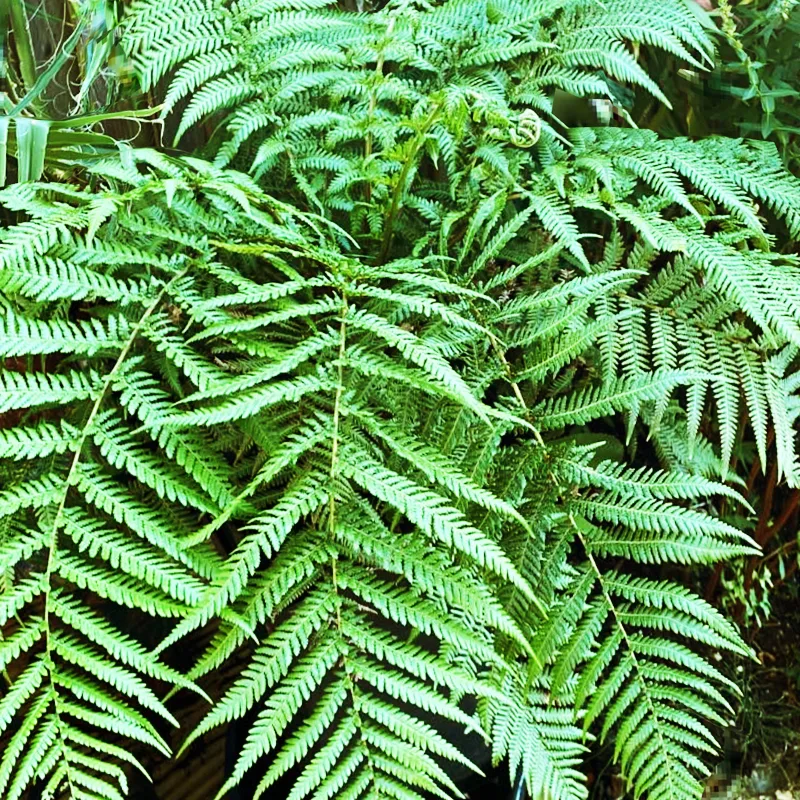
The Dixie Wood Fern is a semi-evergreen fern hybrid. It belongs to the genus Dryopteris, often called the Wood Ferns. It’s a cross between Dryopteris Celsa and Dryopteris Ludoviciana. What does this mean for gardeners like us? You get a strong, adaptable fern that thrives in the southeastern U.S. but also handles a bit of cold.
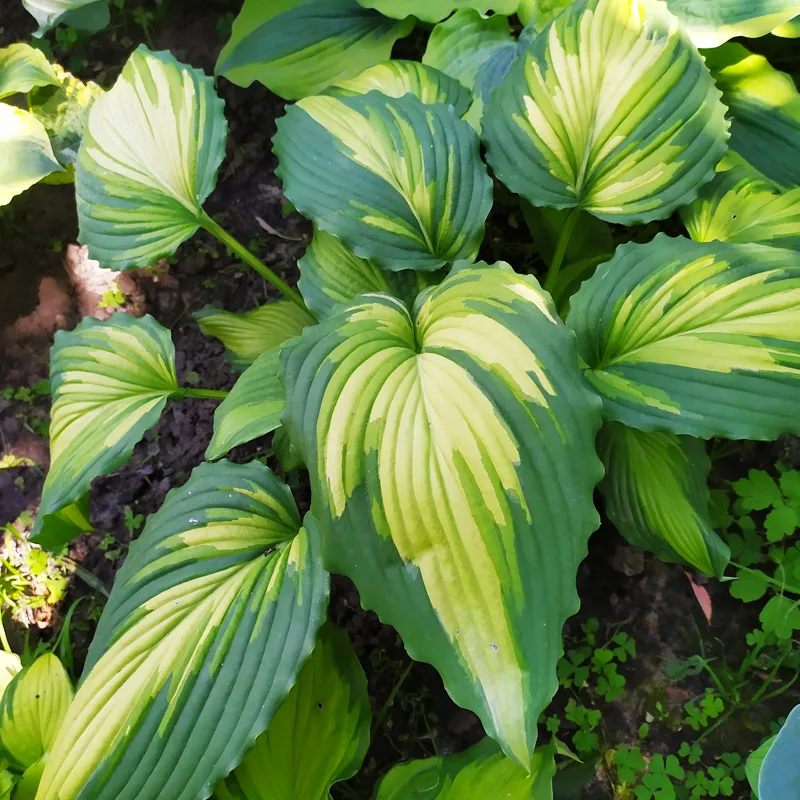
This fern grows upright, reaching about 3 to 4 feet tall with a similar spread. Its fronds are dark green, finely divided, and create a classic vase shape. In my shaded backyard bed, it adds both structure and softness. It also plays well with hostas, heucheras, and astilbes.
How Much Sun Or Shade Does It Need?
This is a shade lover. I’ve grown my Dixie Wood Ferns in areas with dappled light and deep shade, and they’ve thrived. I wouldn’t plant it in full sun—it will scorch and crisp fast. In brighter light, it does best with moist soil and good mulch cover.
If you’re working with full shade or a north-facing border, this fern is a perfect fit. It’s also a winner in woodland gardens and under canopy trees like oaks or magnolias.
Is It Evergreen Or Deciduous?
Technically, it’s semi-evergreen. In my zone (USDA Zone 7b), I notice that the fronds stay green into early winter but then brown off after a hard freeze. In warmer zones like 8 or 9, it holds its foliage longer. I usually cut back the dead fronds in early spring to encourage fresh growth.
If you want something more consistently evergreen in colder zones, you might prefer the Christmas Fern (Polystichum acrostichoides). But for seasonal texture and larger size, Dixie wins.
How Is Dixie Wood Fern Different From Autumn Fern?
Great question—I grow both. The Autumn Fern (Dryopteris Erythrosora) has coppery new fronds in spring, which then turn green. Dixie Wood Fern, in contrast, starts green and stays green. It’s larger, taller, and a bit more upright.
Autumn Fern is better in containers or tight spaces, while Dixie works better in mass plantings or as a backdrop. I often use Autumn Fern as an accent and Dixie as a foundation fern.
What Kind Of Soil Does It Like?
My Dixie ferns are happiest in moist, rich, well-drained soil. I amend mine with compost and leaf mold each spring. They don’t like bone-dry spots, so mulch is your friend. I usually add a 2-inch layer of shredded bark or pine straw to help with moisture retention.
Avoid heavy clay unless you amend it, and don’t let the roots sit in water. Think woodland floor—humus-rich, slightly acidic, and cool.
How Does It Compare To Ostrich Fern?
People often mix them up, but they’re quite different. The Ostrich Fern (Matteuccia struthiopteris) is more aggressive and spreads by rhizomes. It forms colonies fast, which can be great—or invasive, depending on your needs.
Dixie Wood Fern is more clump-forming and polite. It stays where you plant it. I prefer Dixie when I want a controlled, formal shade border. Ostrich Fern works for naturalizing larger areas or covering ground fast.
Can I Grow It In Containers?
Yes—but I’ll be honest, I don’t do it often. Dixie Wood Fern gets tall and wide, and it prefers a cool, stable root zone. In containers, it needs more water and protection from heat.
If you do try it in a pot, go big. Use a terra cotta or glazed ceramic container with excellent drainage. Add organic matter like peat moss or pine fines. Water frequently and keep it in full shade.
Is It Deer Resistant?
In my garden, yes. Deer rarely touch it. Like many ferns, Dixie has textured, leathery fronds that aren’t appealing to browsing animals. However, nothing is 100% deer-proof. During drought or winter, they might nibble.
I still find it to be one of the more wildlife-resistant ferns in my collection, especially compared to tender plants like hostas.
How Do I Divide Or Propagate It?
It’s best divided in early spring just as new growth starts. I lift the clump with a sharp spade, then gently slice it into sections with at least 2-3 fronds and good roots.
Unlike some ferns, Dixie Wood Fern doesn’t spread by spores easily in garden conditions. So division is the go-to method.
Final Thoughts
The Dixie Wood Fern has earned a permanent spot in my shade garden. It’s graceful, low-maintenance, and well-behaved. Whether you’re tucking it under trees or adding it to a fern-focused border, it brings a sense of calm and maturity to the landscape.

If i die, water my plants!