As someone who loves exploring unique and striking plants, I’ve often encountered Dracunculus Vulgaris, also known as the Dragon Arum or Voodoo Lily. This plant is fascinating, mysterious, and sometimes misunderstood. Over the years, I’ve gathered plenty of questions about it, especially regarding its care and safety. I’m writing this article to share what I’ve learned, focusing on some of the most frequently asked questions about Dracunculus Vulgaris. If you’re curious about is Dracunculus Vulgaris poisonous or want to know more about this unusual species, read on.
What is Dracunculus Vulgaris?
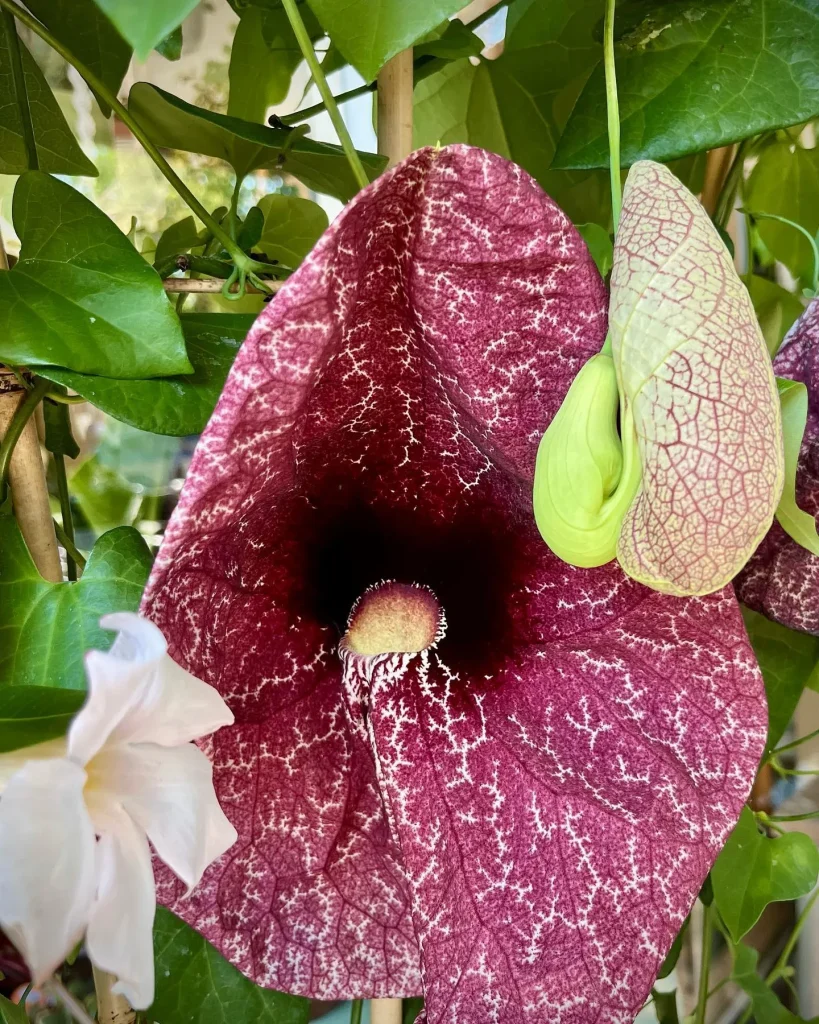
Dracunculus Vulgaris is a member of the Araceae family, native to the Mediterranean region. It’s famous for its dark purple to almost black spathe surrounding a spadix that looks like a long tongue or snake. The plant produces large, dramatic leaves with deep green hues and a glossy surface. Its unique flower and foliage make it a standout for gardeners and plant collectors who enjoy a bit of the exotic.
Is Dracunculus Vulgaris Poisonous?
This is one of the most common questions I get. Yes, Dracunculus Vulgaris is poisonous. The plant contains calcium oxalate crystals, which can cause irritation if ingested or if the sap touches the skin. This can lead to burning sensations, swelling, and discomfort in the mouth and throat. For pets and children, ingestion can be quite harmful, so I always recommend keeping it out of reach. Handling the plant with gloves is a good safety precaution, especially if you have sensitive skin.
What Does Dracunculus Vulgaris Smell Like?
Another notable feature is its odor. When the flower blooms, it emits a strong smell often described as rotten meat or a decaying animal. This scent attracts pollinators like flies. It might sound unpleasant, but it’s part of what makes this plant so unique in nature. The smell usually lasts only a few days during peak bloom, after which it fades.
How Do I Care for Dracunculus Vulgaris?
In my experience, Dracunculus Vulgaris is surprisingly resilient but requires specific conditions to thrive. It prefers:
- Well-draining soil: It doesn’t like soggy roots. I mix garden soil with some sand or grit to improve drainage.
- Partial shade: While it can tolerate some sun, too much direct sunlight can scorch the leaves.
- Moderate watering: Keep the soil moist but not waterlogged during the growing season. In winter, reduce watering because the plant goes dormant.
- Warm temperatures: Dracunculus Vulgaris thrives in warmer climates but can tolerate mild frost if mulched well.
When Does Dracunculus Vulgaris Bloom?
This plant typically blooms in late spring or early summer. The flower appears before the leaves fully develop, making it quite a spectacle. The bloom lasts about a week. After flowering, the leaves grow larger and last through the summer.
Can Dracunculus Vulgaris Be Grown Indoors?
I’ve tried growing it indoors in pots, and it’s possible but challenging. The key is to replicate its natural conditions as much as possible—bright indirect light, good air circulation, and careful watering. It’s important to remember the smell, though. Indoors, the odor can be overwhelming during bloom, so be prepared for that or consider moving the plant outside when it flowers.
Is Dracunculus Vulgaris Invasive?
While it can naturalize in suitable climates, it’s not generally invasive. It spreads slowly by tubers underground rather than aggressive seeds or runners. However, I always monitor its growth because it can take over a spot if conditions are ideal. Regularly digging up and dividing tubers helps control its spread.
How Do I Propagate Dracunculus Vulgaris?
Propagation is fairly straightforward. I usually divide tubers in early spring before new growth starts. The tubers should be firm and healthy. Plant each tuber about 4 inches deep in well-draining soil. They typically sprout within a few weeks. You can also propagate by seed, but this method is slower and less reliable for home growers.
Are There Any Beneficial Uses of Dracunculus Vulgaris?
Besides its ornamental appeal, Dracunculus Vulgaris has limited practical uses due to its toxicity. Historically, some cultures used parts of the plant for medicinal purposes, but I do not recommend experimenting with it given the risk of poisoning.
What Are Common Pests or Diseases?
In my experience, Dracunculus Vulgaris is relatively pest-resistant. Occasionally, slugs or snails might nibble on the leaves. Proper spacing and good garden hygiene help prevent fungal diseases, which are rare if the soil drains well.
Final Thoughts
Dracunculus Vulgaris is a stunning but somewhat challenging plant. If you’re drawn to its dramatic appearance and don’t mind the occasional foul smell, it’s worth adding to your collection. Just remember to handle it with care because is Dracunculus Vulgaris poisonous is not just a rumor — it really is toxic if mishandled.

If i die, water my plants!