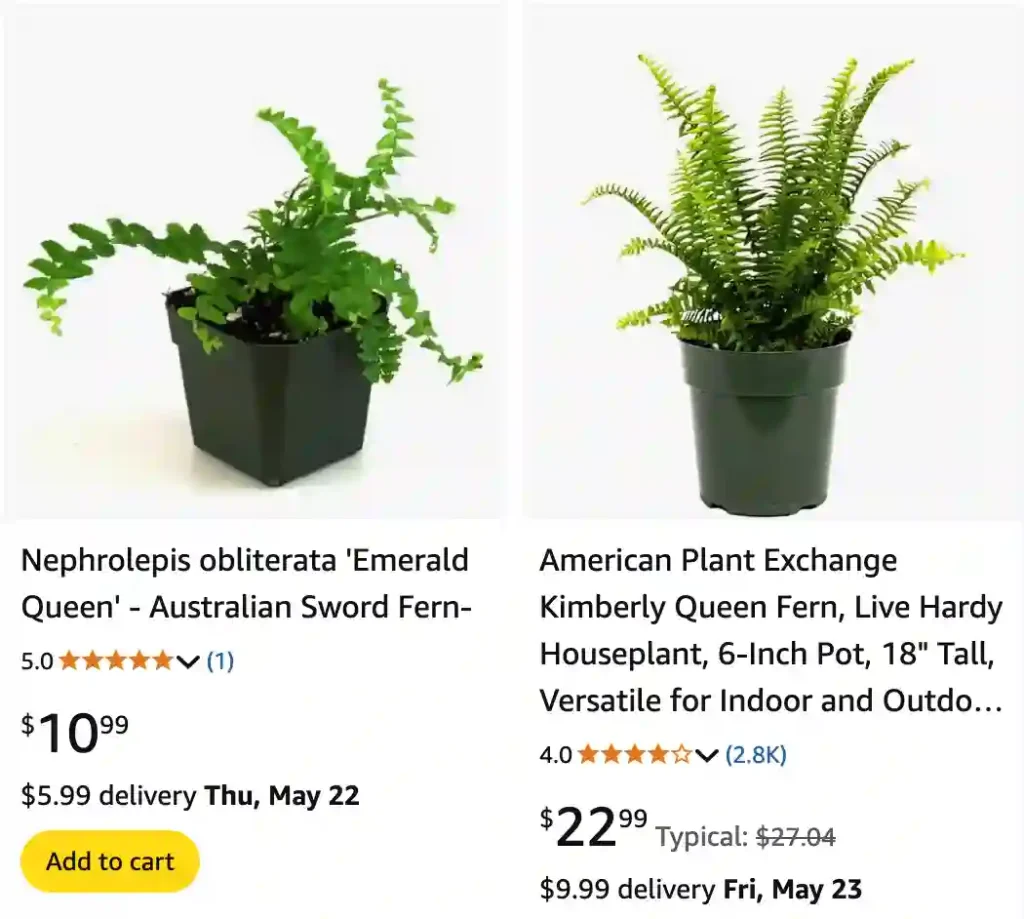
Over the years, I’ve cared for countless ferns, but the Emerald Queen Fern—scientifically known as Nephrolepis Obliterata ‘Emerald Queen’—holds a special place in my heart and home. It’s not just its lush, upright fronds or its air-purifying nature that make it a favorite. It’s also the questions I get asked, especially when it comes to Emerald Queen Fern winter care, light needs, and propagation. I’ve put together this FAQ based on personal experience to help anyone growing or considering this regal green beauty.
What Is an Emerald Queen Fern?
The Emerald Queen Fern is a cultivar of Nephrolepis Obliterata, part of the sword fern family. What sets it apart is its elegant, arching fronds that stand taller and are more robust than the common Boston Fern (Nephrolepis exaltata). It thrives in bright, indirect light and brings a tropical, refined presence to shaded patios or indoor spaces.
The word “Emerald” fits it perfectly—it’s rich, vibrant, and almost jewel-like in tone. When placed in the right spot and treated well, it becomes a living sculpture.
How Do I Care for an Emerald Queen Fern Indoors?
I keep mine indoors most of the year. These ferns crave humidity and well-drained soil. I use a peat-based potting mix with a touch of perlite for aeration. Watering is key—keep the soil evenly moist, but never soggy. Drooping fronds? That’s usually a cry for hydration. Crispy tips? That’s a humidity problem.
I place it near a north-facing window or filtered light from an east window. Direct sunlight burns the fronds. Think rainforest floor, not desert sun.
What About Emerald Queen Fern Winter Care?
This is one of the most common questions I receive, and it’s a crucial one. Emerald Queen Fern winter survival depends on how well you manage indoor conditions.
During winter, I bring my ferns inside if they’ve been outdoors. They are not frost-tolerant. Temperatures below 50°F (10°C) can cause damage. Indoors, I move them away from heaters or vents, which dry out the air. I use a humidifier or place a pebble tray beneath the pot to maintain humidity. It’s also the season when I cut back on watering slightly—less sunlight means slower growth, so overwatering can become an issue.
Remember: humidity up, water down, and light steady—that’s my winter mantra.
Can Emerald Queen Fern Grow Outdoors?
Absolutely, in the right USDA zones (typically zones 9–11). I have friends in Florida and Southern California who keep them outside year-round. They do best in shaded garden beds or under tree canopies. Just be mindful of cold snaps and sudden frost. For me, I treat them like semi-tropical annuals in the colder months or overwinter them indoors.
How Often Should I Repot My Emerald Queen Fern?
About every 1–2 years. These ferns are vigorous growers, and they like a snug pot. When I notice roots circling the bottom or the plant drying out too quickly, I know it’s time. I move it up just one pot size and refresh the soil mix. Repotting in spring is best—it gives the plant time to rebound and flourish.
Is the Emerald Queen Fern Pet-Friendly?
Yes! That’s one of the reasons I keep them in my home. They are non-toxic to cats and dogs, unlike many houseplants. That peace of mind matters.
How Do I Propagate It?
Division is the way to go. I gently split the root ball during repotting. Each section must have a few fronds and a healthy root structure. I replant them in their own pots, keep them moist, and in a couple of weeks, they’re thriving. I’ve shared many of these “babies” with friends.
What Pests Should I Watch For?
I’ve had to deal with spider mites and fungus gnats occasionally. Mites show up when humidity is low, which reinforces my commitment to misting and humidifying. A neem oil spray or insecticidal soap usually clears up infestations quickly.
Why Choose Emerald Queen Over Boston Fern?
Here’s my honest take: while Boston Ferns are classic, the Emerald Queen is more structured, upright, and less messy. Boston Ferns tend to shed leaves and get leggy with age. The Emerald Queen remains fuller and holds its shape longer. Plus, it handles indoor conditions better with less fuss.
Final Thoughts
The Emerald Queen Fern is not just a pretty face—it’s resilient, clean-air loving, and relatively easy to maintain with a bit of routine. The biggest challenge is adjusting for Emerald Queen Fern winter care, but once you get the hang of its seasonal rhythm, it becomes second nature.
Whether you’re a beginner or a seasoned plant parent, I say give this fern a try. It’s earned its royal title in my home—and I have no doubt it’ll do the same in yours.

If i die, water my plants!