Hey, it’s Ferb Vu here. I’ve spent a good amount of time with Eragrostis Spectabilis, also known as purple lovegrass, and I wanted to share what I’ve learned in a straightforward, clear way. I’m going to cover common questions I get about this plant, comparisons to other grasses, and some practical advice from my own experience.
What Is Eragrostis Spectabilis?
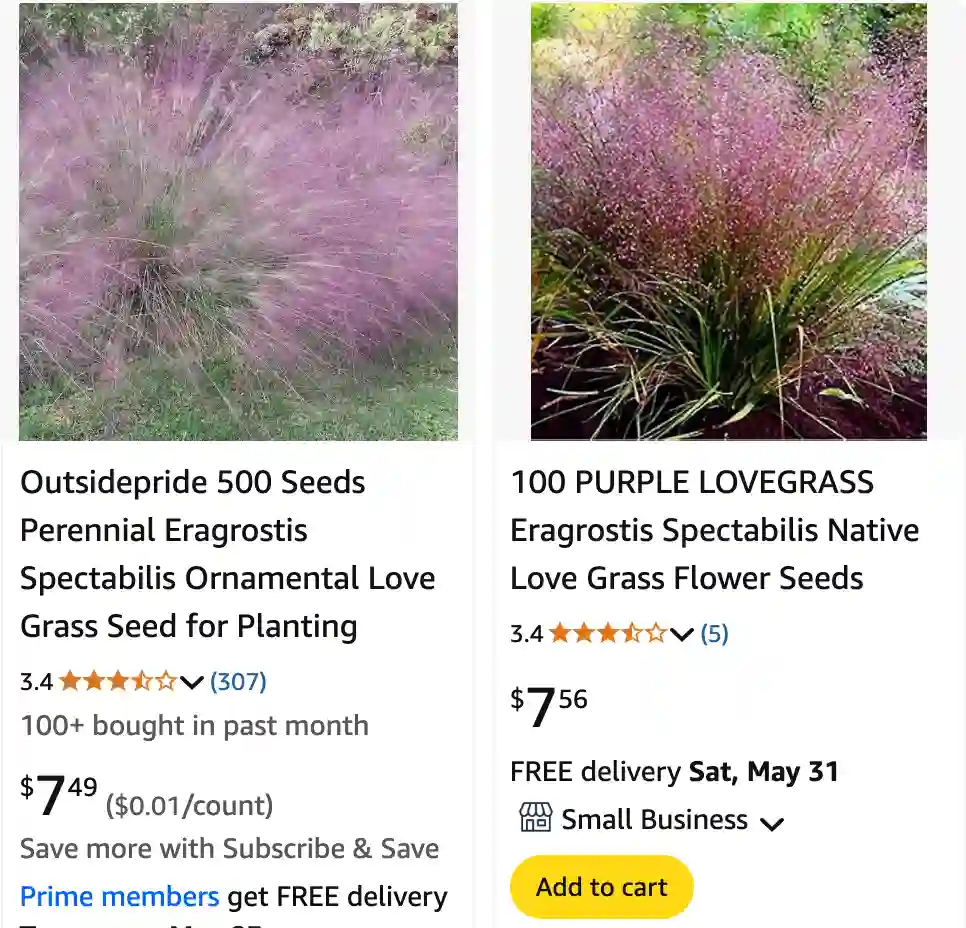
Eragrostis Spectabilis is a native warm-season grass found mostly in North America. It’s prized for its delicate, airy purple flower plumes that bloom late summer into fall. I appreciate it for its low maintenance and ornamental appeal. It thrives in dry, sandy soils and can handle drought conditions better than many grasses. The plant grows about 2 to 3 feet tall and creates a soft, wispy texture that’s great for naturalistic gardens or meadow-style landscapes.
How Does Eragrostis Spectabilis Compare to Other Ornamental Grasses?
When I compare Eragrostis Spectabilis with other ornamental grasses like Panicum virgatum (Switchgrass) or Miscanthus sinensis (Maiden Grass), a few things stand out:
- Size & Form: Eragrostis is generally smaller and less dense. It has a finer texture that adds a lightness to garden beds. Maiden Grass can get taller and denser, often creating a dramatic backdrop, while Switchgrass is a bit coarser.
- Color: The purple flower plumes of Eragrostis Spectabilis are quite unique. Other grasses often have golden or silver flower heads. This purplish hue really pops in the late summer and fall, making it visually striking.
- Maintenance: Eragrostis needs less water and can handle poorer soils. In contrast, some Miscanthus varieties want richer soil and more moisture. If you want low fuss, this grass wins hands down.
Is Eragrostis Spectabilis Good for Erosion Control?
Yes, and I’ve seen this firsthand. The root system of Eragrostis Spectabilis is fibrous and spreads out enough to help hold soil in place, especially on slopes or sandy areas. It’s not as aggressive as some turf grasses but strong enough to stabilize loose ground. I’ve used it in a couple of restoration projects, and it does well with minimal care.
What Kind of Sunlight and Soil Does It Need?
Eragrostis Spectabilis is pretty flexible but prefers full sun. I’ve noticed it struggles in heavy shade, where it gets leggy and sparse. As for soil, it does best in well-drained sandy or rocky soil. Heavy clay or constantly wet soil can cause root rot issues. I’d say it thrives in poor, dry soils better than many ornamental grasses, which is part of why I like it for tough spots.
How Do I Care for Eragrostis Spectabilis Through the Seasons?
From my experience, care is pretty simple:
- Spring: Cut back last year’s dead foliage before new growth starts. This helps it look fresh and healthy.
- Summer: It usually doesn’t need extra watering if it’s planted in well-drained soil and receives rain. If it’s a hot, dry spell, a little water can help.
- Fall: Enjoy the purple flowers and seed heads. They add a beautiful texture to fall gardens.
- Winter: Leave the seed heads up through winter if you like the winter interest or want to collect seeds. Otherwise, you can cut it back in late winter or early spring.
How Does Eragrostis Spectabilis Perform in Wildlife Gardens?
One of the things I love is how this grass supports local wildlife. The seed heads provide food for birds, especially in winter. Plus, its airy structure offers shelter for small insects and pollinators. If you’re into creating a wildlife-friendly garden, this grass fits in perfectly. It’s a native species, so it blends well into local ecosystems.
Can Eragrostis Spectabilis Become Invasive?
I get this question a lot. I’ve never had problems with Eragrostis Spectabilis becoming invasive in my gardens. It self-seeds moderately but doesn’t spread aggressively like some ornamental grasses or invasive plants. It tends to stay where you plant it. That said, if you want to keep it tidy, just deadhead the flower plumes before they drop seed.
How Does Eragrostis Spectabilis Compare to Zoysia Grass?
This is a cool comparison since both are grasses but with very different uses:
- Eragrostis Spectabilis: Mainly ornamental, excellent for naturalistic settings, erosion control, and wildlife habitat.
- Zoysia Grass: Turf grass, dense and carpet-like, used for lawns and golf courses, needs more water and care.
I personally wouldn’t use Eragrostis for a lawn replacement, but if you want a beautiful, low-maintenance ornamental grass, it’s a winner.
Can I Use Eragrostis Spectabilis in Containers?
I’ve tried this and yes, it works but with some caveats. Because it’s a clump-forming grass with fibrous roots, it does okay in large containers. Make sure you use well-draining soil and don’t overwater. It won’t need much fertilizer—too much will make it leggy and less attractive.
What Pests or Diseases Affect Eragrostis Spectabilis?
I’m happy to report I haven’t seen many pest problems. It’s fairly resistant to common grass pests. Occasional fungal diseases can occur if the soil is too wet or air circulation is poor. I recommend planting it in a spot with good airflow and avoiding overwatering to keep it healthy.
Where Can I Buy Eragrostis Spectabilis?
This grass isn’t always in every nursery, but native plant centers and specialized ornamental grass suppliers often carry it. I also sometimes buy seeds online and start them myself, which is pretty straightforward if you follow basic seed-starting practices.
Final Thoughts: Why I Recommend Eragrostis Spectabilis
From my time growing and observing this plant, I can say it’s a versatile, beautiful grass that adds color, texture, and wildlife value to any garden. Its drought tolerance and low maintenance make it perfect for gardeners looking for native plants that don’t require a lot of fuss. Whether you’re stabilizing a slope, designing a meadow garden, or just want a unique ornamental grass, give Eragrostis Spectabilis a shot.

If i die, water my plants!